In a monumental public health achievement for the young nation, the World Health Organization (WHO) has officially certified Timor-Leste as malaria-free. This milestone marks the culmination of a rigorous, nation-wide campaign that began shortly after the country gained its independence in 2002, transforming a severe national health burden into a resounding victory over a preventable and treatable disease.
With this latest designation, Timor-Leste joins an exclusive global cohort. A total of 47 countries and 1 territory have now been certified as malaria-free by the WHO. Furthermore, Timor-Leste is only the third nation within the WHO South-East Asia region to achieve this status, following the Maldives in 2015 and Sri Lanka in 2016.
The official certification is granted by the WHO only after a country has proven, beyond any reasonable doubt, that the chain of indigenous malaria transmission has been successfully interrupted nationwide for at least the three consecutive preceding years. For Timor-Leste, this meant driving down local infection numbers from hundreds of thousands to absolute zero, a feat accomplished through steadfast political will, strategic international partnerships, and the relentless dedication of frontline health workers.
A Rapid Shift from High Burden to Zero Indigenous Cases
The scale of Timor-Leste’s triumph becomes clear when examining its epidemiological trajectory over the past two decades. Following its independence in 2002, the nation grappled with rampant malaria transmission. In 2006 alone, the country recorded a peak of more than 223,000 clinically diagnosed cases. For a newly independent nation striving to build its infrastructure, economy, and institutions from the ground up, the disease acted as a persistent and heavy anchor on development and public wellbeing.
However, the response was swift and methodical. In 2003, the Ministry of Health established the National Malaria Programme, a specialized entity designed to spearhead planning, implementation, and rigorous monitoring of malaria control initiatives across the country. Operating initially with just two full-time officers, the program laid a critical foundation built on strong technical leadership, meticulous attention to detail, and adaptive management.
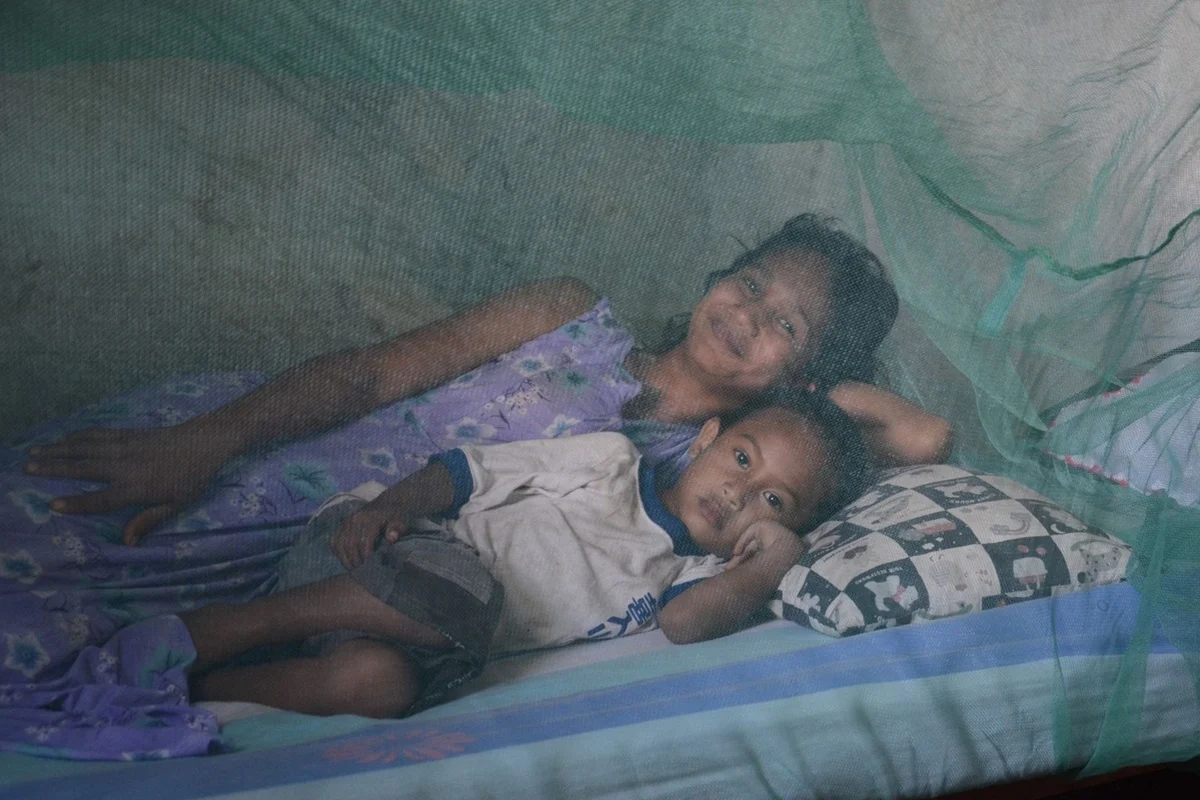
As the program matured, it rapidly integrated international best practices. Within a few years, the government introduced rapid diagnostic tests (RDTs) and artemisinin-based combination therapies (ACTs) into the National Malaria Treatment Guidelines. Simultaneously, health authorities initiated the large-scale distribution of free long-lasting insecticide-treated nets (LLINs) to populations deemed most vulnerable to infection.
A significant turning point arrived in 2009. Bolstered by substantial financial and technical support from the Global Fund to Fight AIDS, Tuberculosis and Malaria, Timor-Leste dramatically scaled up its vector control operations. This expansion included widespread distribution of LLINs and the implementation of indoor residual spraying (IRS). Concurrently, diagnostic capabilities were decentralized and expanded, bringing microscopy and RDTs directly to the point of care across all local health posts.
Strengthening Healthcare Infrastructure and Surveillance
Addressing malaria required more than targeted vector control; it necessitated a complete overhaul and expansion of Timor-Leste’s health infrastructure. Facing severe shortages of trained medical professionals and doctors, the government invested heavily in establishing a robust three-tier health system. This framework comprises national hospitals, reference hospitals, community health centers (CHCs), and localized health posts.
The structural expansion was designed with accessibility in mind, ensuring that the vast majority of residents could access essential healthcare services within an hour’s walk from their homes. Furthermore, the government instituted a policy of free universal health care at the point of service, removing financial barriers that often prevent marginalized populations from seeking timely medical attention. To reach remote and isolated communities, health authorities deployed monthly mobile clinics and comprehensive outreach programs, ensuring no geographic pocket was left unserved.
Underpinning these clinical interventions was the implementation of a real-time, integrated, case-based surveillance system. This technological upgrade allowed for rapid data collection, immediate investigation of suspected cases, and swift public health responses. Trained health workers maintained rigorous screening protocols, particularly at border checkpoints and entry points, to intercept imported cases before they could spark community transmission.
Official Statements and International Recognition
The announcement was met with widespread celebration from global health leaders and national officials alike, who highlighted the extraordinary collaboration required to achieve the milestone.
“WHO congratulates the people and government of Timor-Leste on this significant milestone,” stated Dr. Tedros Adhanom Ghebreyesus, WHO Director-General. “Timor-Leste’s success proves that malaria can be stopped in its tracks when strong political will, smart interventions, sustained domestic and external investment, and dedicated health workers unite.”
Dr. Élia António de Araújo dos Reis Amaral, Minister of Health for the Government of Timor-Leste, reflected on the emotional and physical toll the disease had taken on the nation over the decades.
“We did it. Malaria has been one of our most relentless enemies — silent, persistent, and deadly. We lost too many lives to a disease that should be preventable,” Dr. Amaral said. “But our health workers never gave up, our communities held strong, and our partners, like WHO, walked beside us. From 223,000 cases to zero — this elimination honours every life lost and every life now saved. We must safeguard this victory with continued vigilance and community action to prevent malaria’s re-entry.”
Echoing these sentiments, Dr. Arvind Mathur, WHO Representative to Timor-Leste, emphasized the grit and determination embedded in the nation’s character.
“Timor-Leste’s malaria-free certification is a defining national triumph — driven by bold leadership, the tireless efforts of health workers, and the resolve of its people,” Dr. Mathur noted. “As a young nation, Timor-Leste stayed focused — testing, treating, and investigating swiftly. Ending transmission and maintaining zero deaths takes more than science; it takes grit. This victory protects generations, present and future, and shows what a determined country can achieve.”
Broader Implications and Future Vigilance
The successful eradication of malaria in Timor-Leste carries profound implications for the broader South-East Asia region and global public health. It serves as empirical proof that nations emerging from conflict or economic hardship can systematically dismantle high-burden infectious diseases through structured, multi-sectoral strategies.
Beyond the immediate health benefits—such as reduced infant and maternal mortality, decreased strain on hospital beds, and increased workforce productivity—the campaign has fundamentally strengthened Timor-Leste’s broader health security framework. The surveillance networks, diagnostic infrastructure, and community health worker pipelines established during the anti-malaria drive now provide a resilient foundation for managing other vector-borne and communicable diseases.
However, public health experts stress that certification does not mark the end of the work, but rather a new phase of maintenance. Because malaria remains endemic in neighboring countries and the region at large, Timor-Leste faces a perpetual risk of imported cases. Maintaining zero indigenous cases will require sustained domestic funding, ongoing vector surveillance, border screening, and uninterrupted community engagement.
As Timor-Leste celebrates this historic public health victory, the nation stands as a beacon of hope and a clinical case study for other countries battling high burdens of preventable infectious diseases, demonstrating unequivocally that elimination is possible with unwavering resolve and collective action.