
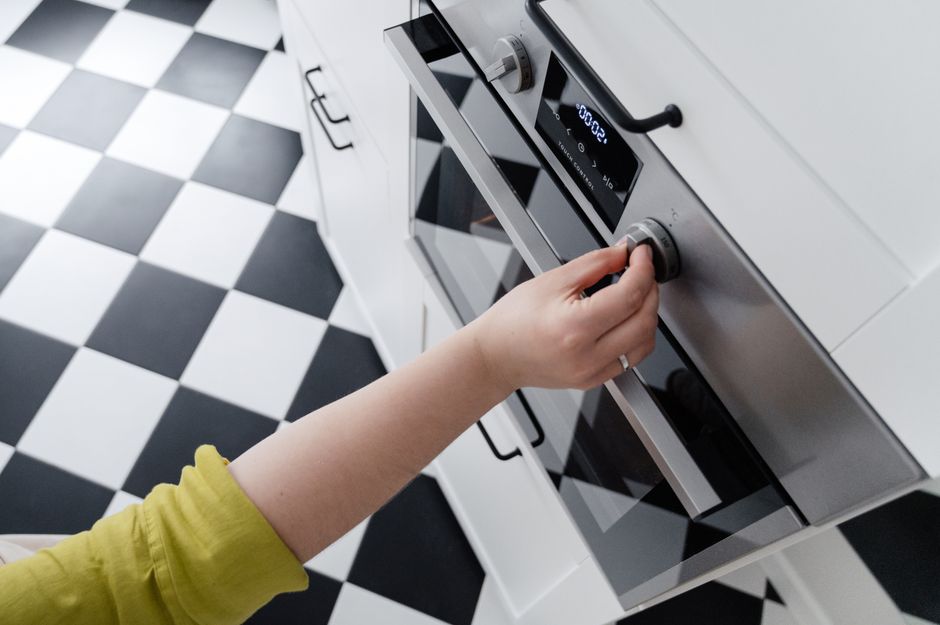
The Fridge Quandary: When and How to Power Down Your Refrigerator
The decision to turn off a refrigerator, often referred to as "leaving the refrigerator," is not a trivial one. While modern refrigerators are designed for continuous operation, there are specific circumstances where powering down your appliance is not only permissible but can offer tangible benefits, primarily in terms of energy savings and extended lifespan. Understanding these scenarios and the proper procedure for deactivating and reactivating your refrigerator is crucial to avoid food spoilage, potential damage to the appliance, and unnecessary energy expenditure. This article delves into the core reasons for considering turning off your refrigerator, the optimal times to do so, the step-by-step process for safe deactivation and reactivation, and important considerations to keep in mind to ensure optimal performance and longevity of your appliance.
Situational Triggers for Refrigerator Deactivation:
The most common and justifiable reason for turning off a refrigerator is extended absence from your home. If you are planning to be away for a period exceeding a week, particularly for vacations or business trips lasting several weeks or months, leaving a fully stocked and operational refrigerator is an unnecessary drain on your electricity bill. The energy consumed by a refrigerator is substantial, and during your absence, this energy is being used to cool empty or sparsely populated space. Furthermore, if you are going away for an extended period, the risk of power outages increases the likelihood of food spoilage even if the refrigerator is left on, leading to wasted food and potential odor issues. Another compelling reason is during periods of deep cleaning or significant defrosting, especially for older refrigerator models that may not have automatic defrost capabilities. While most modern refrigerators are frost-free, some older or specialized units, like chest freezers or some commercial-grade refrigerators, require manual defrosting, which necessitates turning the appliance off. Finally, for those contemplating a move or a significant home renovation where the kitchen will be inaccessible for an extended duration, turning off the refrigerator is a practical step to prevent wear and tear and to avoid potential damage to the appliance during the disruption.
Strategic Energy Savings Through Refrigerator Deactivation:
The energy consumption of a refrigerator is a significant component of household electricity bills. According to various energy efficiency organizations, refrigerators can account for anywhere from 8% to 15% of a home’s total energy usage. This figure can be substantially higher for older, less energy-efficient models. By strategically turning off your refrigerator during periods of absence, you can realize direct cost savings on your electricity bills. For a typical household, a refrigerator left running unnecessarily can cost anywhere from $50 to over $150 per year, depending on local electricity rates and the efficiency of the appliance. Over the lifetime of a refrigerator, these savings can accumulate to several hundred or even thousands of dollars. Beyond immediate financial benefits, reducing unnecessary energy consumption aligns with broader environmental goals. Lowering your household’s energy footprint contributes to a reduction in greenhouse gas emissions and conserves valuable natural resources. In a world increasingly conscious of sustainability, making informed decisions about appliance usage, including your refrigerator, plays a vital role in promoting responsible energy practices.
The Procedure for Safely Turning Off Your Refrigerator:
The process of safely turning off your refrigerator is relatively straightforward, but requires attention to detail to prevent damage and ensure proper reactivation.
- Empty and Clean Thoroughly: Before powering down, it is imperative to completely empty the refrigerator. Remove all food items, including those in the freezer. This is an opportunity for a thorough inventory; discard any items that are past their expiration date or appear spoiled. Once emptied, clean the interior surfaces with a mild detergent and water. Pay particular attention to spills, crumbs, and any potential food residue. This step is crucial for preventing mold growth and unpleasant odors during the period of deactivation.
- Defrost if Necessary: If your refrigerator is not frost-free and shows significant ice buildup, you will need to defrost it before turning it off. Prop open the freezer door and place towels or trays to catch melting ice. Some models have a drain plug that can be opened to expedite the process. Once defrosted, dry the interior thoroughly.
- Disconnect Power: Locate the power cord of your refrigerator and unplug it from the wall socket. Ensure that the plug is fully disengaged from the outlet. For added safety and peace of mind, you might consider flipping the relevant circuit breaker in your home’s electrical panel to the "off" position, ensuring no power can reach the appliance.
- Ajar Doors: To prevent the buildup of mold and mildew and to allow for air circulation, it is highly recommended to leave the refrigerator and freezer doors slightly ajar. You can use a folded towel, a wooden spoon, or a small block of wood to prop them open just enough to allow air to circulate but not so wide that they pose a tripping hazard or allow excessive dust to enter. This ventilation is critical for maintaining a neutral environment inside the appliance.
Reactivating Your Refrigerator: A Step-by-Step Guide:
The reactivation process is as important as the deactivation, requiring careful execution to ensure your refrigerator returns to optimal working condition.
- Clean Again (Optional but Recommended): Before plugging it back in, especially if it has been off for a significant period or if you are concerned about lingering odors, it is advisable to give the interior another quick wipe down with a damp cloth and a mild cleaning solution.
- Plug In and Power On: Reconnect the power cord to the wall socket. If you flipped the circuit breaker, remember to turn it back to the "on" position.
- Allow Sufficient Cooling Time: This is a critical step. Do not immediately load the refrigerator with food. Allow the appliance to run for several hours, typically 4 to 6 hours, or until it reaches its optimal operating temperature. The exact time will depend on the ambient temperature and the efficiency of your refrigerator. You should feel cold air circulating within both the refrigerator and freezer compartments.
- Monitor Temperature: Before adding food, use a refrigerator thermometer to verify that the internal temperature is at the recommended levels: 37-40°F (3-4°C) for the refrigerator and 0°F (-18°C) for the freezer. Adjust the temperature settings as needed.
- Gradual Food Loading: Once the desired temperatures are achieved, begin to gradually load the refrigerator with food. Avoid overloading it immediately, as this can put a strain on the appliance as it works to cool a large volume of items.
Essential Considerations for Refrigerator Deactivation:
Several factors warrant careful consideration when deciding to turn off your refrigerator. The age and type of your refrigerator are paramount. Older models may be more prone to mechanical issues if left off for extended periods without proper preparation. Conversely, some high-end or commercial-grade refrigerators might have specific shutdown and startup protocols recommended by the manufacturer. Always consult your owner’s manual for model-specific instructions.
The duration of your absence is another key factor. If you’re only going to be away for a few days, the energy savings might not outweigh the inconvenience and potential risk of improper reactivation. For absences of a week or more, the decision becomes more justifiable.
The climate you live in also plays a role. In humid environments, the risk of mold and mildew growth within a turned-off refrigerator is higher. Ensuring thorough drying and adequate ventilation is even more critical in such regions.
Finally, consider the contents of your refrigerator. If you have perishable items that cannot be easily stored elsewhere or if the risk of spoilage outweighs the potential energy savings, it might be wiser to leave the refrigerator on. This is particularly relevant for households with young children or individuals with specific dietary needs who rely on a readily available supply of fresh food.
SEO Optimization for "Turning Off Refrigerator":
This article is structured to be SEO-friendly. The title is clear and uses relevant keywords. The content is organized into logical sections with descriptive headings. Keywords such as "turning off refrigerator," "unplugging refrigerator," "fridge deactivation," "energy savings refrigerator," "refrigerator maintenance," and "refrigerator defrosting" are naturally integrated throughout the text. The use of bullet points and clear, concise language makes the information easily digestible for readers, which can lead to lower bounce rates and longer time on page – both positive SEO signals. The comprehensive nature of the article, covering reasons, procedures, and considerations, aims to answer a wide range of user queries related to the topic, further enhancing its search engine visibility. The emphasis on practical advice and step-by-step instructions provides valuable content that users are likely to engage with and share.





Leave a Reply