While prominent technology executives and artificial intelligence visionaries routinely command global headlines with warnings about the theoretical, long-term existential threats of superintelligence, a coalition of veteran environmental scientists and former regulatory officials is directing public attention toward a far more immediate and tangible hazard: the physical infrastructure powering the artificial intelligence revolution.
According to a comprehensive report published by the nonprofit Environmental Protection Network (EPN)—spearheaded by seasoned experts who spent decades within the Environmental Protection Agency (EPA)—the rapid, largely unregulated expansion of data centers across the United States is creating a severe public health crisis. The analysis reveals that since January 2025, the administration of President Donald Trump has systematically dismantled or weakened roughly 30 critical environmental safeguards, pollution controls, and permitting processes. This deliberate loosening of oversight is occurring precisely as the nation experiences an unprecedented surge in energy-hungry data center construction, threatening communities with a massive influx of toxic industrial air pollution.
The Scale of the Boom and the Regulatory Retreat
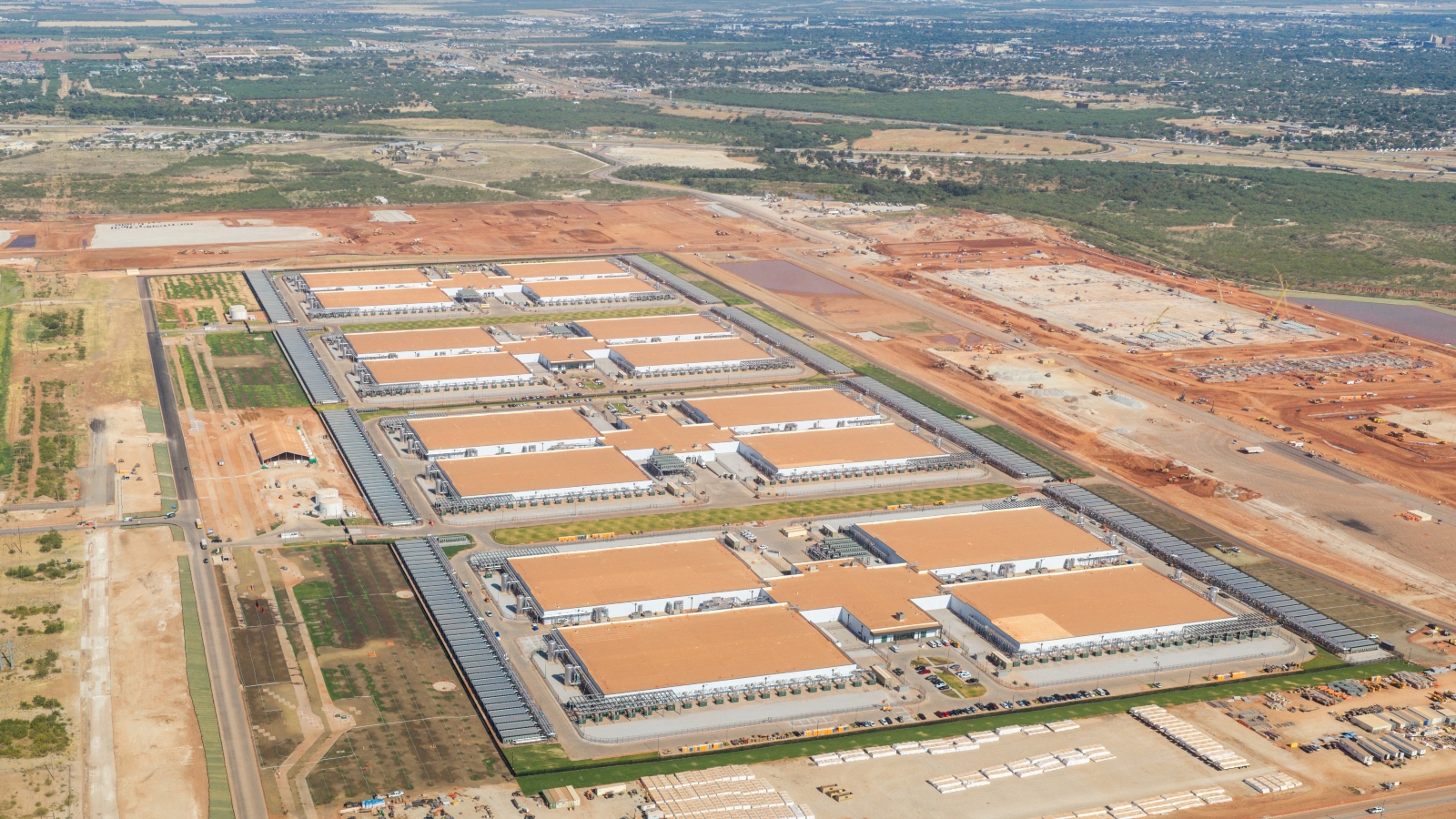
The United States currently hosts approximately 3,000 operational data centers, but this number is poised to explode. More than 1,500 additional facilities are currently in various stages of planning, engineering, and construction, predominantly sited in suburban and rural areas where land is inexpensive and transmission infrastructure is accessible. These facilities—which house thousands of specialized computer servers running complex machine-learning algorithms—consume staggering quantities of electricity, often rivaling the power demands of small cities.
However, as this massive physical footprint expands, the federal government is actively retreating from its oversight responsibilities. Dan Costa, a career scientist who spent 35 years studying air pollution at the EPA, emphasized the gravity of the shift during a recent media briefing. For decades, Costa noted, the agency operated with a dedicated corps of independent researchers, toxicologists, chemists, and atmospheric engineers. Their mandate was singular: to investigate emerging environmental hazards and protect the American public from industrial pollutants.
"Over the decades, toxicologists, chemists, atmospheric scientists, modelers, and engineers worked in concert with academic colleagues on behalf of the American people—not on behalf of industry," Costa stated. "We wanted to carry out EPA’s mission of protecting people’s health from industrial air pollution."
Today, however, that scientific infrastructure has been severely eroded. The Trump administration has dismantled the EPA’s core research offices and redirected the agency’s mission away from rigorous enforcement and toward a posture of industry facilitation. Costa criticized this contradictory strategy, pointing out that transforming the nation’s energy grid to accommodate the high-tech sector while simultaneously stripping away the scientific capacity to monitor and evaluate environmental consequences defies basic logic.
Aligning Federal Policy with Silicon Valley Ambitions
The strategic pivot at the EPA is no accident; it is the direct execution of a deliberate White House policy designed to position the United States as the undisputed global hegemon in artificial intelligence. In a formal internal memorandum issued last year, EPA Administrator Lee Zeldin made the agency’s position clear, stating that the administration is fully committed to "cutting heavy-handed regulations to ensure America can build and power the data centers essential to Making America the AI Capital of the World."
This regulatory easing has manifested in several concrete, highly controversial policy changes. Most notably, the EPA has proposed a major rule modification that would allow developers to begin constructing large-scale data centers and their dedicated power generation facilities before securing formal air pollution permits. Additionally, the agency’s civil enforcement division has been explicitly directed to avoid taking any punitive or investigative actions that could "unduly burden or significantly disrupt" domestic energy production or power generation.
For technology developers and hyperscale data center operators, these policy shifts have removed significant administrative bottlenecks, enabling a breakneck pace of expansion. Yet, the mechanisms being utilized to satisfy this insatiable thirst for electricity are alarming environmental and public health advocates.
The Fossil Fuel Revival: Coal Plants and On-Site Turbines
To secure the uninterrupted, round-the-clock power required to train and operate massive large language models, data center developers and utility companies are increasingly turning back to fossil fuels, short-circuiting decades of progress toward a cleaner energy grid.
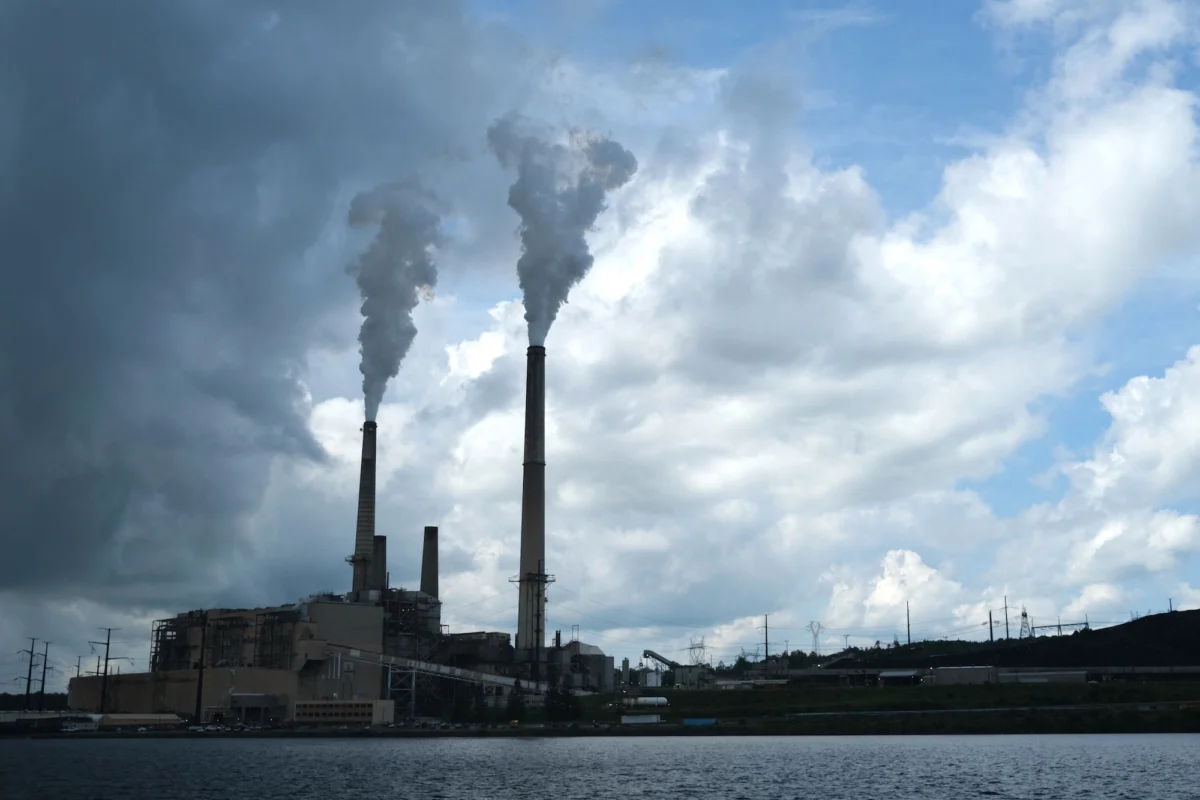
In numerous instances across the country, utility companies have reversed course on planned environmental retirements, keeping aging, highly polluting coal-fired power plants online years past their scheduled decommissioning dates. These legacy facilities are being granted regulatory reprieves specifically to feed the energy demands of nearby server farms.
Where grid connections are unavailable or too slow to materialize, tech companies are bypassing traditional utilities altogether. Developers are increasingly relying on massive, on-site fossil fuel-powered gas turbines to generate electricity directly for hyperscale facilities. A prominent example is xAI’s "Colossus" supercomputing cluster, which has faced intense scrutiny from community groups, civil rights organizations like the NAACP, and environmental lawyers over its utilization of heavy-duty gas turbine generators without standard pollution scrubbing controls.
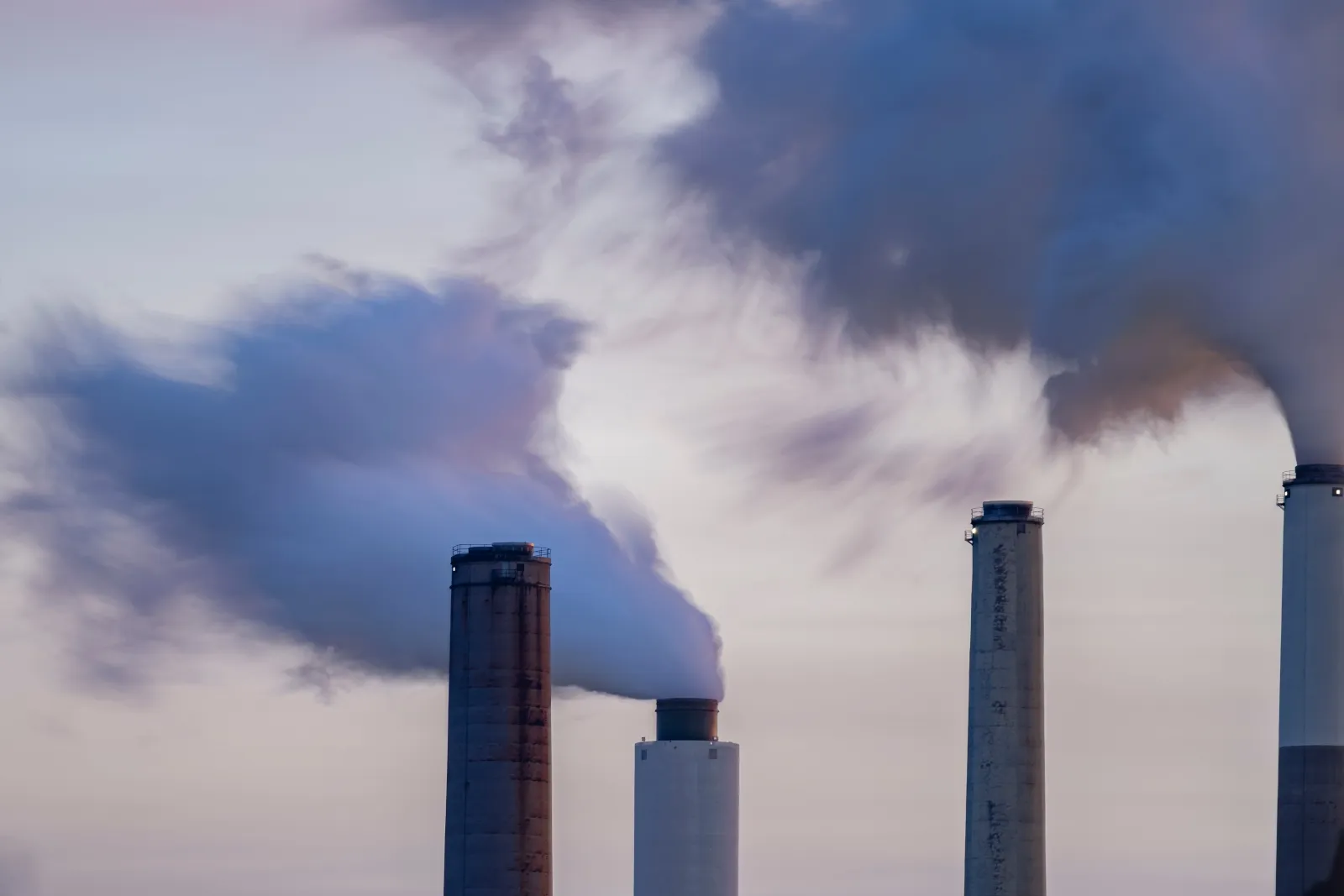
These practices are locking carbon-intensive energy infrastructure into the American economy for decades to come, while immediately flooding surrounding airsheds with nitrogen oxides, sulfur dioxide, and fine particulate matter.
Public Health Consequences and Human Toll
The cumulative effect of increased fossil fuel combustion and relaxed oversight is not merely an abstract environmental concern; it carries a devastating human cost. According to academic research cited by the EPN report—including a notable study from the University of California, Riverside—the surge in toxic air pollution associated with the unbridled expansion of the AI sector could result in approximately 1,300 additional premature deaths annually in the United States.
Dr. Lynn Goldman, a pediatrician and former EPA assistant administrator, warned during the press conference that the health impacts will manifest across multiple time horizons. While chronic illnesses like cancer may take decades to develop and diagnose, acute cardiovascular and respiratory crises—such as fatal heart attacks, asthma exacerbations, and premature births—can be triggered almost immediately following exposure to elevated levels of fine particulate matter ($textPM_2.5$) and smog.
"The AI industry’s race for advantage should not be a matter of life or death," Goldman declared. "Families shouldn’t have to pay for the AI boom with their health."
The demographic distribution of these health impacts is also raising serious environmental justice concerns. Data centers and their associated power generation sources are disproportionately sited in lower-income communities and rural areas with fewer political resources to resist industrial development. These communities frequently bear the brunt of the toxic burden while reaping virtually none of the economic windfalls generated by the artificial intelligence industry.
Broader Implications for American Environmental Policy
The clash between the artificial intelligence boom and environmental regulation represents a watershed moment for American public policy. It underscores a profound tension in modern governance: the prioritization of national economic and geopolitical dominance in a critical technology sector versus the fundamental statutory duty of the federal government to protect the health and welfare of its citizens.
By systematically sidelining scientific research, gutting enforcement mechanisms, and fast-tracking fossil fuel-dependent energy infrastructure, the federal government is effectively externalizing the massive environmental costs of the AI revolution onto local communities. As the race toward artificial intelligence supremacy accelerates, the absence of robust federal safeguards means that the true price of technological innovation will likely be paid in cleaner air, public health, and human lives.