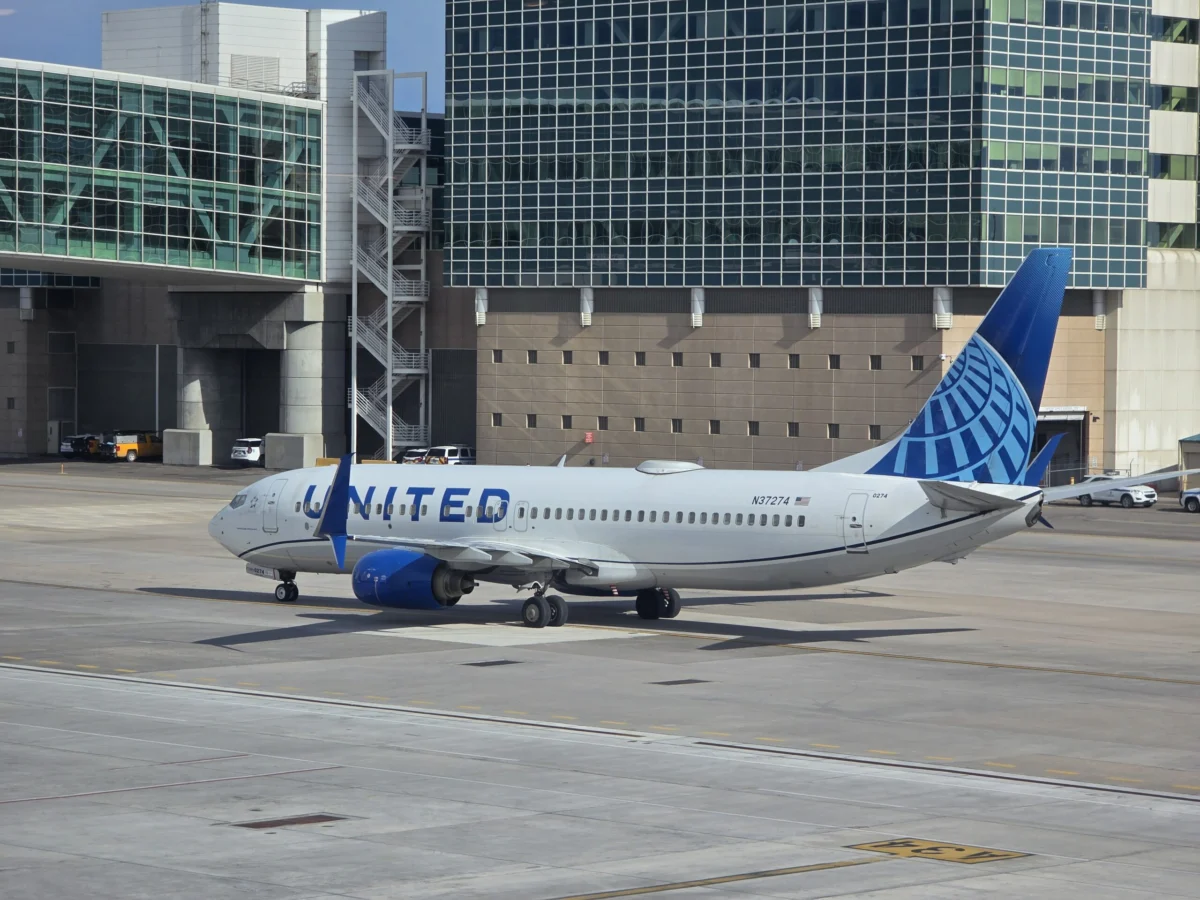
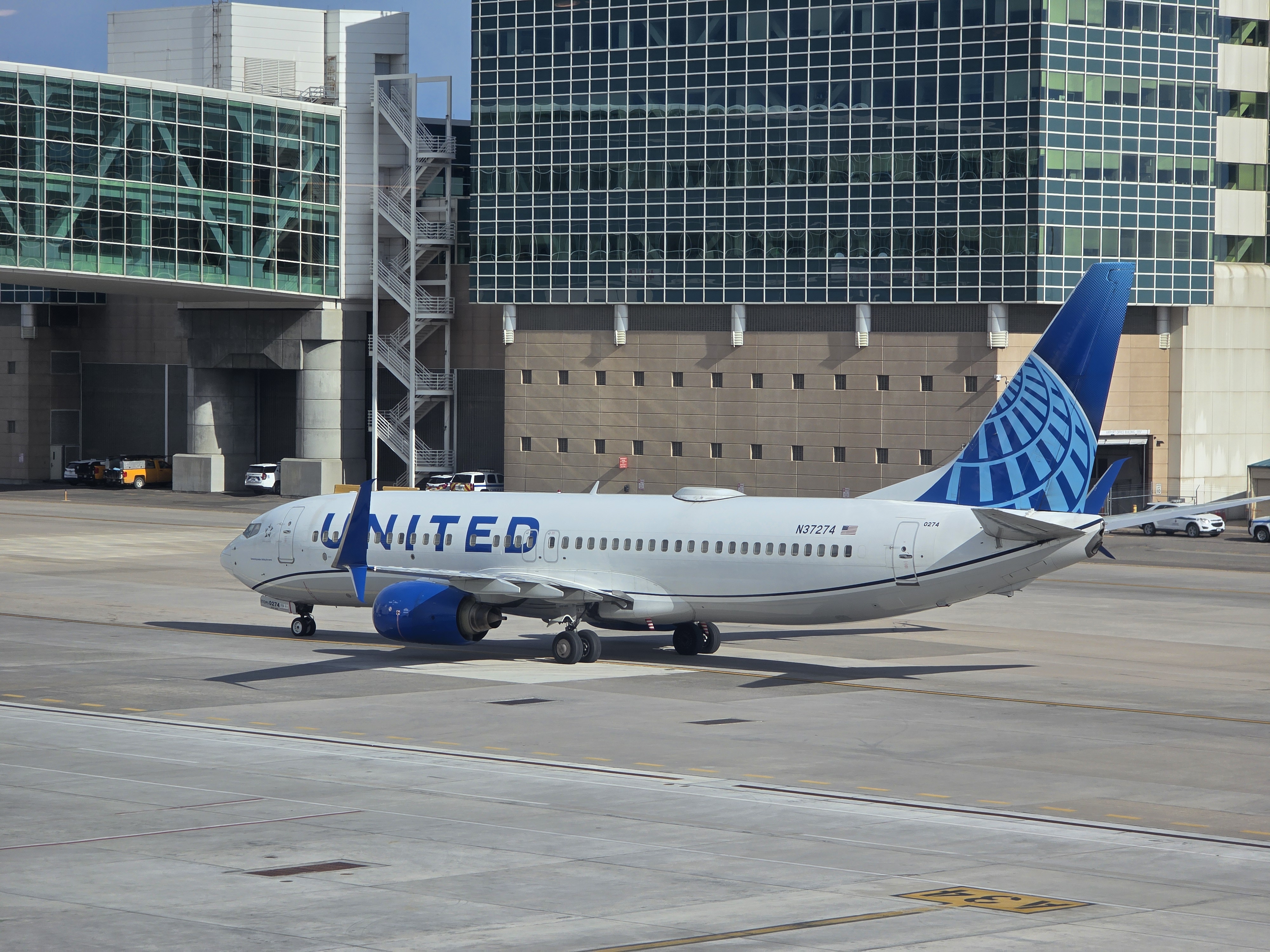
In a significant shift regarding how consumers interact with airline reservation systems, United Airlines has officially updated its contract of carriage to prohibit the use of artificial intelligence (AI) agents in the booking, modification, or servicing of flight tickets. The policy change, which took effect on November 11, marks one of the most aggressive stances taken by a major carrier to limit the encroachment of automated software intermediaries between the airline and its passengers.
The newly implemented Rule 6.J.6 explicitly states that the use of "AI Agents to make, modify or service a Ticket, and/or to purchase any service or product" is prohibited. Crucially, the airline clarifies that this restriction applies even in instances where a human passenger supervises or approves the AI’s actions. Furthermore, under Rule 5.H, United reserves the right to cancel any reservation that it determines was made or managed by such unauthorized software.

The Strategic Motivation Behind the Ban
While the airline’s official communications cite concerns regarding data privacy, the potential for unintended purchases, and adherence to complex regulatory requirements, the internal motivation appears to be deeply rooted in distribution strategy. At a recent industry event in Chicago, United Airlines CEO Scott Kirby offered a candid assessment of the airline’s rationale. "To be honest, I don’t want to create another middleman," Kirby stated, signaling the airline’s desire to maintain a direct, unmediated relationship with its customer base.
The airline industry has spent decades attempting to reduce its reliance on Global Distribution Systems (GDS) and third-party travel agencies, which often charge significant booking fees and complicate the airline’s ability to upsell ancillaries like premium seats, priority boarding, and baggage services. The rise of AI assistants—which could potentially scour the internet to find the best price, apply corporate discounts, and navigate loyalty program benefits—threatens to shift the balance of power back toward the consumer and away from the airline’s proprietary booking engine.
Chronology of Distribution Conflicts
The tension between airlines and intermediaries is not new. For years, carriers have engaged in a tug-of-war with Online Travel Agencies (OTAs) and metasearch engines to control how their inventory is presented.
- Pre-2020: Airlines pushed for New Distribution Capability (NDC) standards, a travel industry initiative that allows airlines to offer personalized content and ancillary services directly to third-party travel retailers.
- 2023: The rapid proliferation of Large Language Models (LLMs) and generative AI began to change consumer search habits. Platforms like Expedia began integrating ChatGPT-style interfaces to assist users in itinerary planning.
- November 2024: United Airlines updates its contract of carriage, explicitly prohibiting AI agents from interacting with its systems, effectively drawing a legal line in the sand.
Industry analysts observe that this move is a preemptive strike against a future where AI-driven "personal assistants" could autonomously manage a traveler’s entire itinerary. If a traveler gives an AI permission to book the cheapest flight, the AI may ignore United’s preferred pricing in favor of a competitor, effectively stripping the airline of its ability to influence the booking through its own digital ecosystem.
Regulatory and Technical Challenges
United’s argument for the ban rests partly on the complexity of federal regulations. Under 49 CFR Part 175, airlines are legally required to provide specific disclosures to passengers, particularly regarding hazardous materials and safety procedures, at the time of ticket purchase. The airline contends that an autonomous AI might fail to display these mandatory notices, potentially placing the carrier in violation of Department of Transportation (DOT) mandates.
However, legal experts suggest this argument may be fragile. "The regulatory environment is designed to ensure the passenger is informed," says a travel tech consultant familiar with GDS operations. "If an AI interface is programmed to present these disclosures and require a mandatory ‘I agree’ click from the user, the legal requirement for notice is satisfied. The technology exists to ensure compliance; the challenge is the loss of control over the user experience."

Technical implementation of this ban remains a significant hurdle. While United states that its systems are capable of identifying the source of a booking, distinguishing between a human using a browser and an AI agent interacting with an API through a third-party partner like Expedia is difficult. Many AI integrations currently function as "search assistants" that hand the user off to a traditional booking engine once a selection is made. If the purchase is finalized through a standard OTA interface, it is functionally invisible to the airline as an "AI-booked" ticket.
The Consumer Impact: Convenience vs. Control
The consumer demand for AI agents is driven by the desire for efficiency. Planning a complex multi-city trip, comparing various loyalty program benefits, and selecting seats that align with personal preferences is time-consuming. An AI agent can perform these tasks in seconds, potentially saving the traveler hundreds of dollars by identifying lower fares or better routings that a user might miss.
By banning these tools, United risks alienating tech-savvy passengers who value their time. If other carriers do not follow suit, United could find itself at a competitive disadvantage. History suggests that attempting to force consumers into specific, less-efficient booking channels often meets with resistance. In 2024, American Airlines attempted to limit the ability of travelers to earn frequent flyer miles when booking through certain third-party travel agencies; the airline eventually walked back the policy following significant pushback from both corporate travel managers and leisure travelers.
Broader Industry Implications
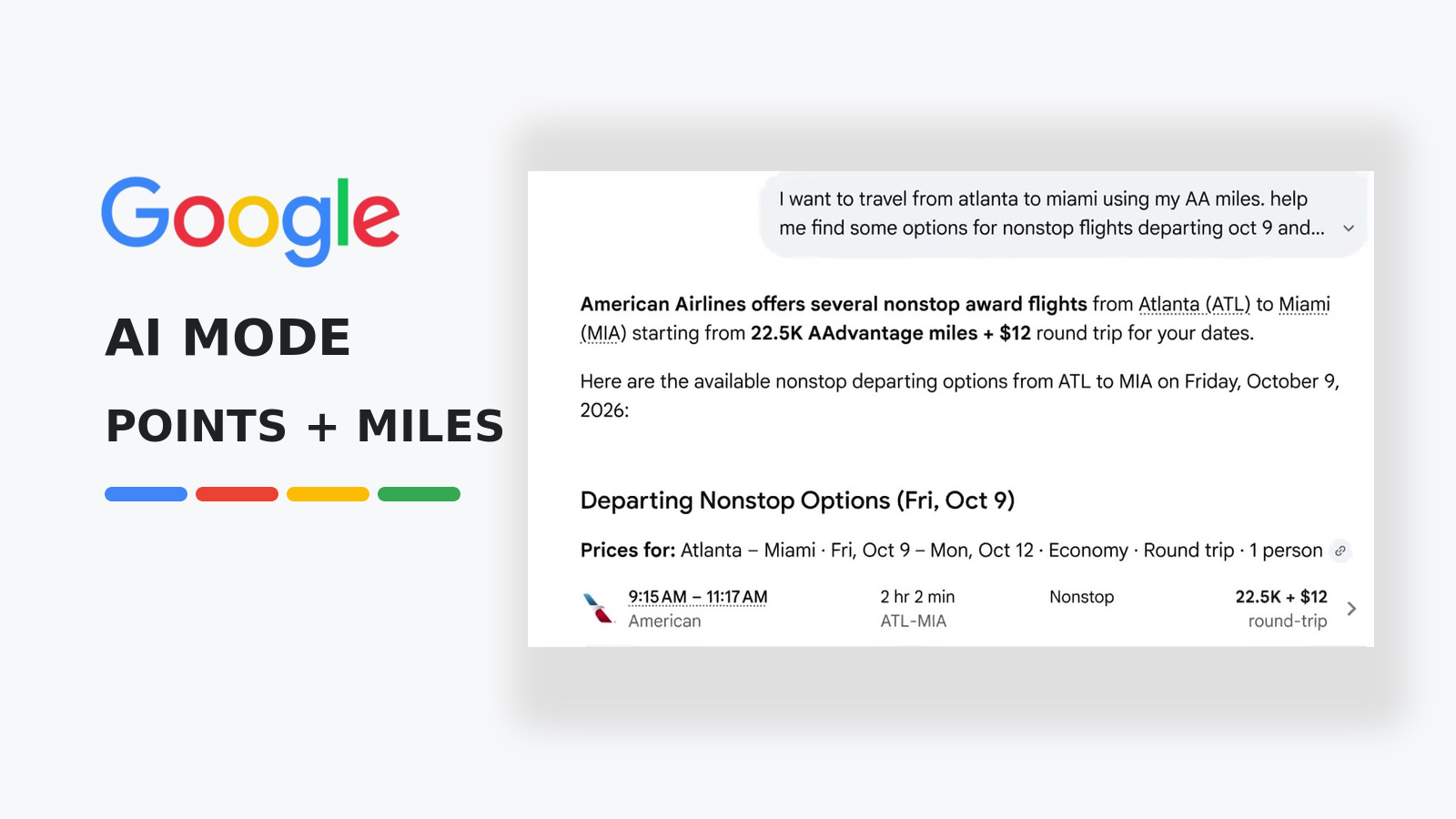
The battle over AI agents is, at its core, a fight for the "digital storefront." Airlines want to be the ones to present their products, control their pricing, and manage their loyalty programs without interference. They fear that AI agents will commoditize air travel, making it impossible to differentiate their brand from a competitor based on anything other than the lowest price.
Furthermore, there is the issue of data. Whoever owns the customer relationship owns the data. If a third-party AI assistant mediates the booking, the airline loses out on critical demographic and behavioral data that is essential for targeted marketing. As AI technology evolves, these assistants will become increasingly adept at negotiating on behalf of the user, potentially pressuring airlines to offer better terms or face the prospect of being excluded from the assistant’s recommendations entirely.
Future Outlook
The industry is watching United’s move closely. Whether the airline can legally and technically enforce this ban is yet to be determined. Some industry observers believe that rather than issuing bans, airlines may eventually be forced to develop "authorized" AI partners, creating a walled garden where only vetted AI agents are permitted to interface with their inventory.

This would allow the airline to maintain control over how their flights are presented, ensure regulatory compliance, and preserve their ability to sell ancillary services, all while providing the convenience that passengers increasingly demand. For now, however, the conflict highlights a fundamental tension: as technology makes travel planning easier for the consumer, it threatens the traditional business models that have sustained the airline industry for decades. Whether the airlines can successfully hold back the tide of automation, or whether they will be forced to adapt, remains the most significant question for the future of travel distribution.