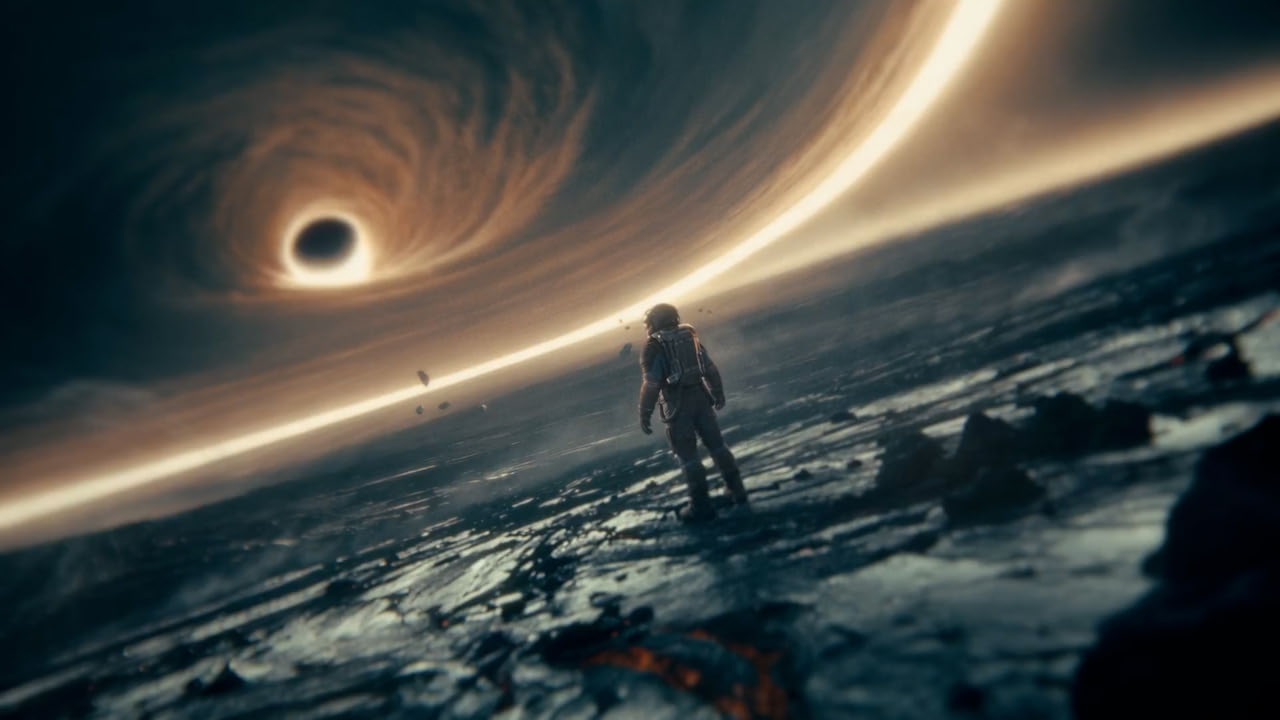
Imagine you have crash-landed on a celestial body in a distant star system. Your vessel is a wreckage, your oxygen supply is depleting at a critical rate, and the horizon is filled with a landscape that defies terrestrial logic. In such a scenario, your immediate survival would depend not just on your remaining resources, but on your ability to decipher the environment through the lens of modern astrophysics. This is the central premise of "Exoplanet," a high-stakes audio drama written by Benjamin Percy and executive produced by Andy Weir—the mastermind behind the scientifically rigorous "The Martian" and "Project Hail Mary." Featuring a powerhouse voice cast including Anthony Mackie, Ariana DeBose, and John Leguizamo, the production serves as a modern revival of the classic radio play, grounding its narrative in the cold, hard realities of planetary science.

The Science of Habitability and Stellar Dynamics
The narrative of "Exoplanet" forces its protagonists to contend with the realities of star systems far different from our own. While the public often views the search for life as a quest to find "Earth 2.0," the reality of exoplanetary science is far more nuanced. The habitability of a planet is inextricably linked to its host star. In the audio drama, the crew encounters a variety of stellar environments—some dim and cool, others harsh and volatile.
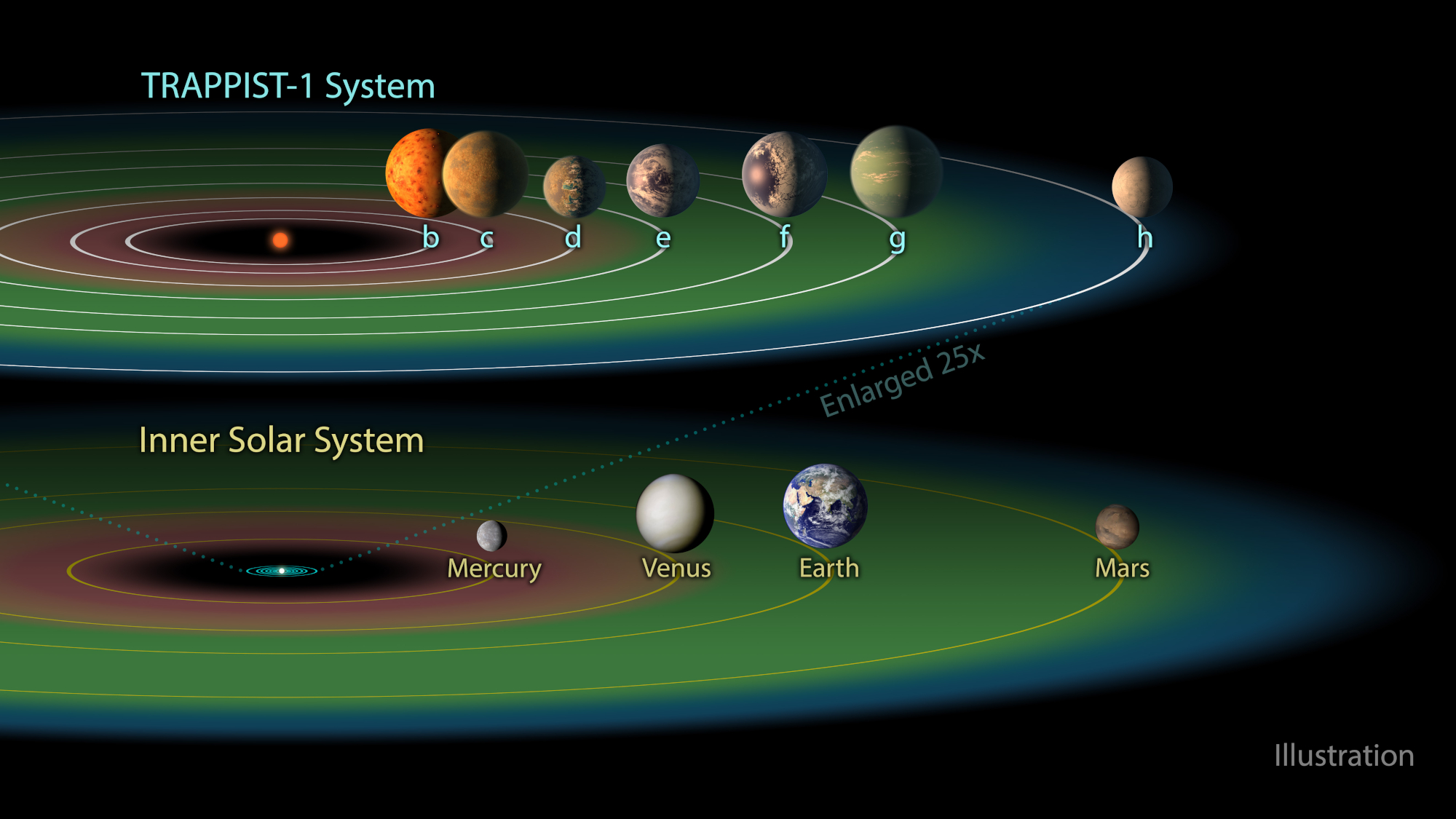
Astronomers classify stars primarily by their spectral types, a system that dictates how much radiation, heat, and light a planet receives. The most common stars in our galaxy are M-dwarfs, or red dwarfs. These stars are significantly cooler and smaller than our Sun. Consequently, for a planet to maintain liquid water—a prerequisite for life as we know it—it must orbit much closer to its host star than Earth does to the Sun. However, this proximity creates a "double-edged sword" effect. Planets in the habitable zones of red dwarfs are often subject to tidal locking, where one side of the planet permanently faces the star, leading to extreme temperature gradients between the day and night sides.

Furthermore, red dwarfs are notoriously active. They frequently unleash powerful stellar flares and high-energy ultraviolet radiation that can strip away a planet’s atmosphere over millions of years. This process, known as atmospheric erosion, is a primary concern for astrobiologists. Even if a planet sits comfortably within the "Goldilocks zone" where temperatures are theoretically ideal, its atmosphere might be too thin or chemically toxic to support human life.
Spectroscopy: Deciphering the Cosmic Rainbow
Central to both the narrative of "Exoplanet" and the methodology of real-world astronomers is the technique of spectroscopy. By passing light from a star through a prism, scientists create a spectrum—a rainbow-like distribution of light. When this light passes through the atmosphere of an orbiting planet, specific wavelengths are absorbed by the gases present, leaving "fingerprints" in the spectrum.

This allows scientists to determine the composition of an exoplanet’s atmosphere without ever setting foot on its surface. In the fictional world of the drama, the crew must rely on their own version of these analytical tools to gauge the safety of the air they breathe. In reality, modern observatories like the James Webb Space Telescope (JWST) are currently using this exact method to scan the atmospheres of distant worlds for water vapor, carbon dioxide, and methane. The ability to detect these signatures is a milestone in human history, marking the transition from merely identifying planets to characterizing their environments.
The Enigma of Dimethyl Sulfide and Biosignatures
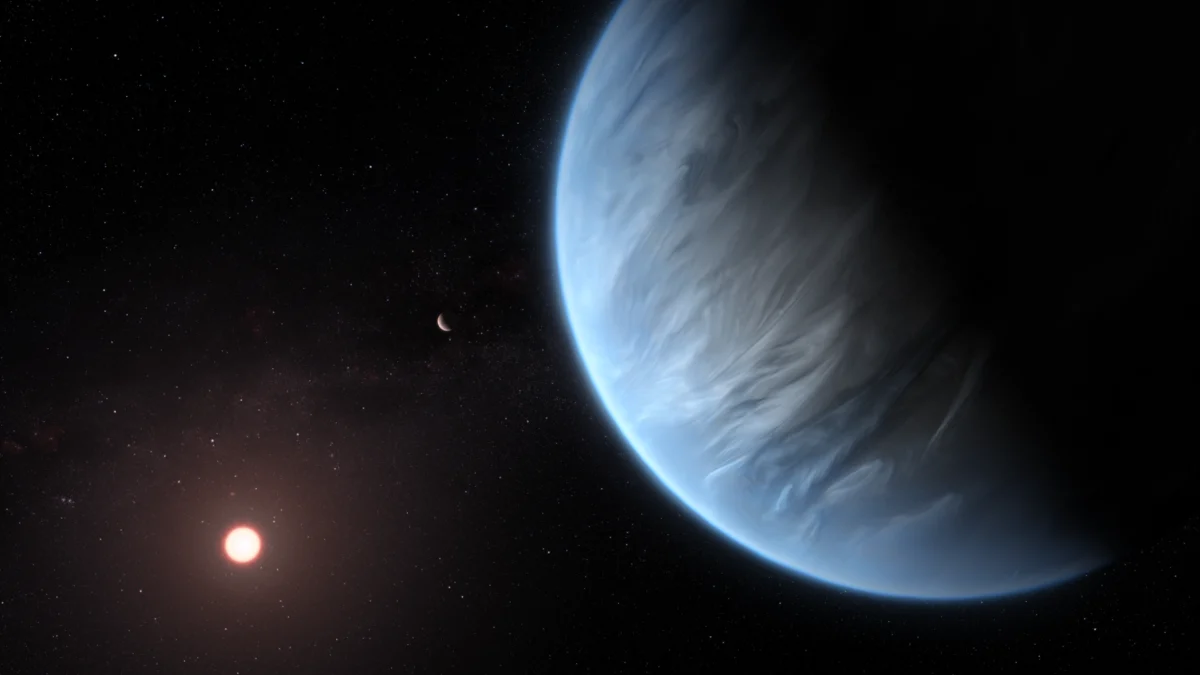
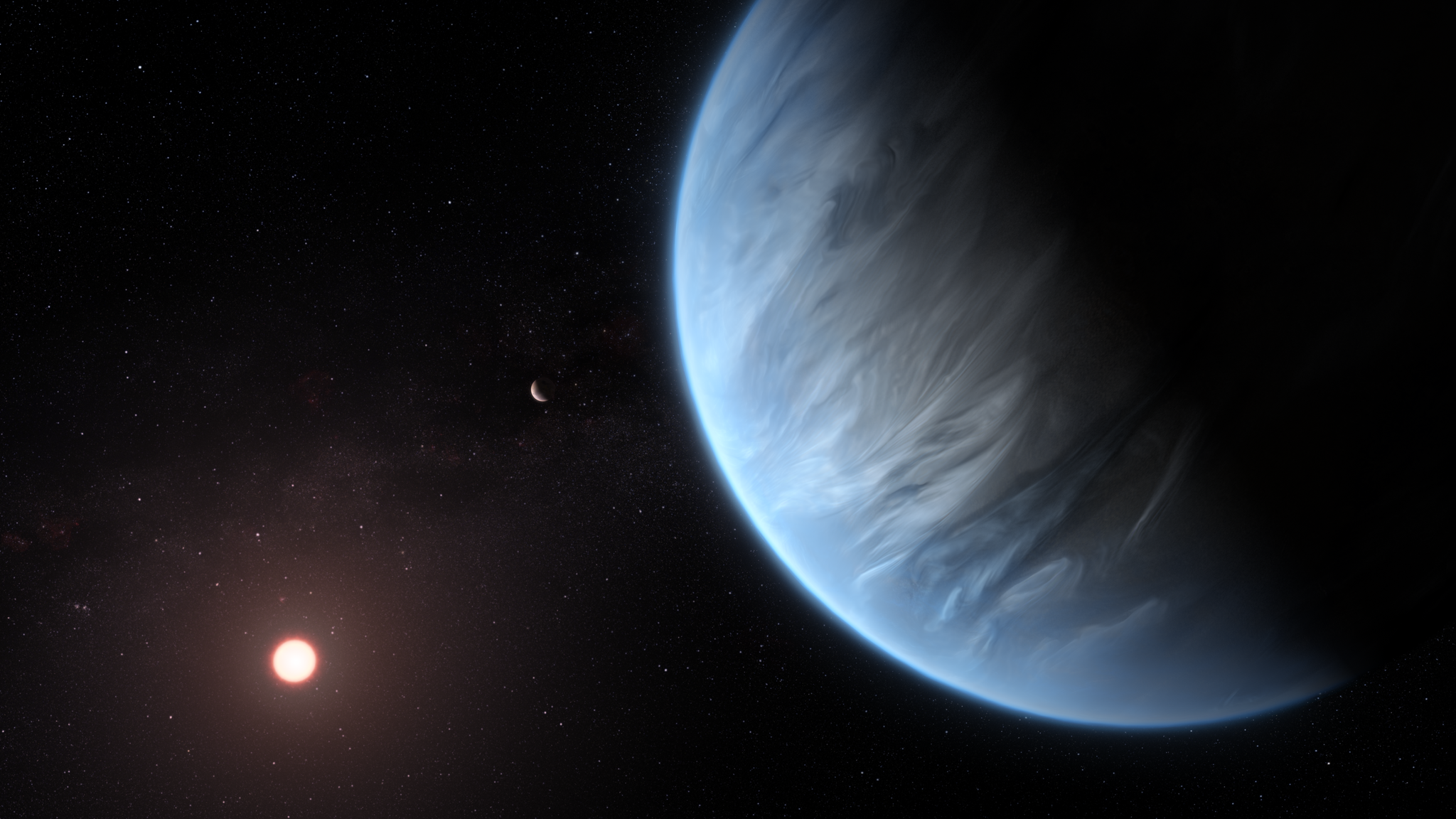
The plot of "Exoplanet" takes a turn when the crew detects dimethyl sulfide (DMS) in the atmosphere of their crash site. This is a deliberate nod to recent real-world scientific discourse. In 2023, the potential detection of DMS in the atmosphere of K2-18b, a "Hycean" world (a planet covered by a global ocean under a hydrogen-rich atmosphere), sparked intense debate within the scientific community.
On Earth, DMS is produced almost exclusively by life, specifically by marine phytoplankton. If detected on a distant exoplanet, it could potentially serve as a "biosignature." However, the scientific community remains cautious. The detection of such molecules requires extraordinary evidence, as non-biological processes—such as photochemical reactions in the upper atmosphere—could potentially mimic these signatures. The "Exoplanet" narrative mirrors this academic friction, highlighting the agonizing uncertainty that accompanies the search for extraterrestrial life.
Atmospheric Pressure and Human Physiology
Beyond the mere chemical composition of the atmosphere, "Exoplanet" addresses the often-overlooked factor of atmospheric pressure. On Earth, we are accustomed to a pressure of 1 bar at sea level. Oxygen makes up roughly 21% of our air. However, a planet could have an atmosphere that is 21% oxygen but possess a pressure so high that it causes oxygen toxicity, or so low that the partial pressure of oxygen is insufficient to sustain human respiration, despite the presence of the gas.
The crew’s struggle with volcanic gases—such as sulfur dioxide and hydrogen sulfide—is also grounded in environmental science. Even if a planet has oxygen, the presence of these toxic, corrosive gases would necessitate specialized filtration or complete isolation within a pressurized suit. This level of detail elevates the audio drama from a standard survival thriller to an educational exploration of the challenges inherent in interstellar colonization.
Timeline of Modern Exoplanet Exploration
To understand the context of the drama, one must look at the rapid progression of our understanding of the cosmos:
- 1992: The first confirmed detection of exoplanets orbiting a pulsar, PSR B1257+12, by Aleksander Wolszczan and Dale Frail.
- 1995: The discovery of 51 Pegasi b, the first exoplanet orbiting a sun-like star, by Michel Mayor and Didier Queloz, earning them the Nobel Prize in Physics.
- 2009: Launch of the Kepler Space Telescope, which revolutionized the field by revealing that planets are common throughout the galaxy.
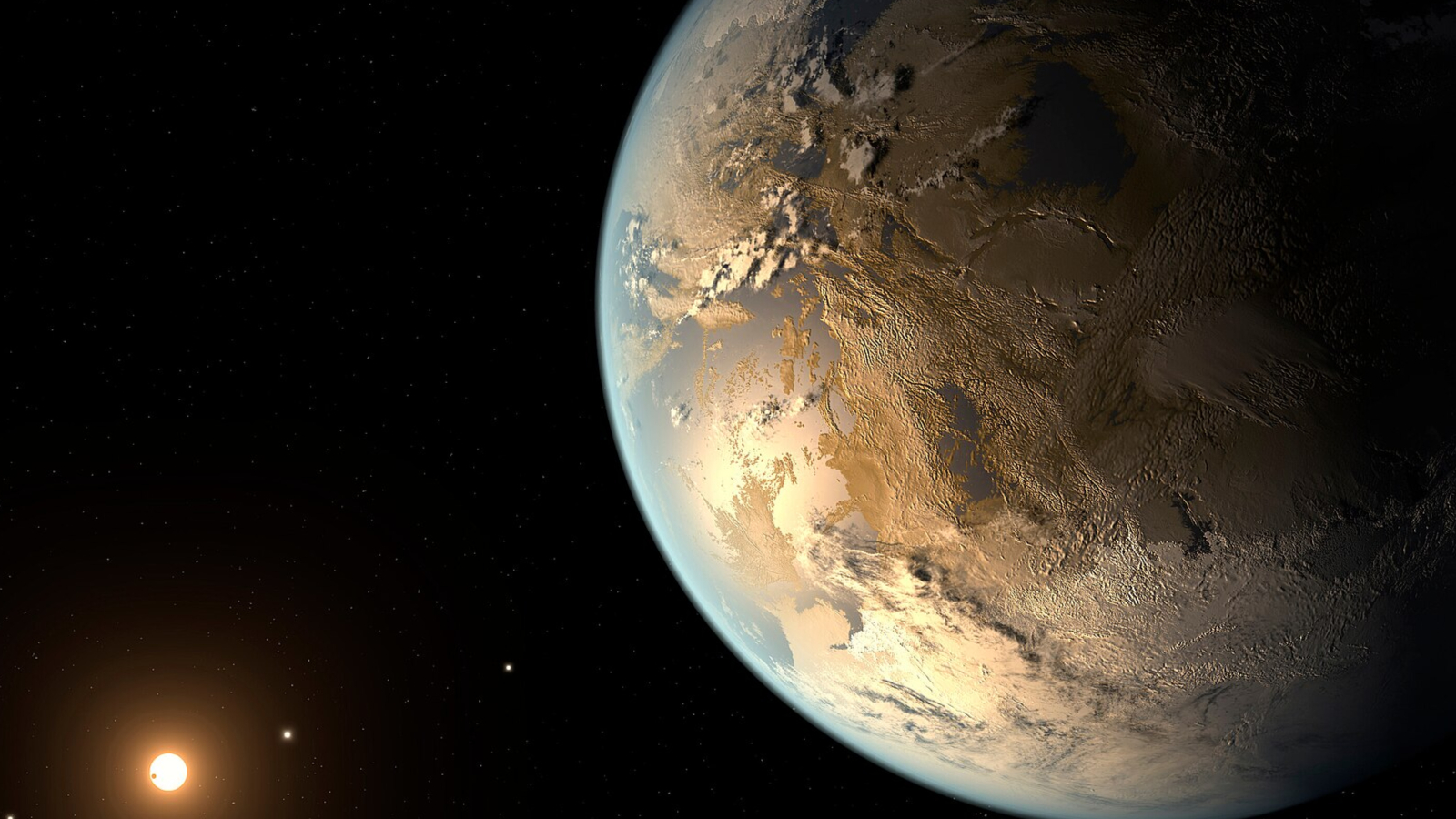
- 2014: Discovery of Kepler-186f, the first Earth-size planet found in the habitable zone of another star.
- 2021: Launch of the James Webb Space Telescope, enabling detailed atmospheric characterization of exoplanets for the first time.
- 2023-2024: Heightened focus on biosignatures like DMS, with ongoing debates regarding the interpretative models used to analyze spectral data from worlds like K2-18b.
Professional and Institutional Perspectives
While "Exoplanet" is a work of fiction, its production was guided by a desire for scientific accuracy. Andy Weir, known for his commitment to realism, has consistently championed the importance of "hard" science in fiction. By collaborating with experts to ensure the physics of the audio drama hold up to scrutiny, the production team has created a bridge between entertainment and scientific literacy.
From an institutional standpoint, organizations like NASA and the European Space Agency (ESA) have long supported science communication as a means of fostering public interest in space exploration. The popularity of media that portrays the complexities of exoplanetary science can, in turn, increase public support for the massive funding and infrastructure required for missions like the proposed Habitable Worlds Observatory, which aims to image Earth-like planets directly.
Broader Impact and Implications
The release of "Exoplanet" arrives at a time when the search for life beyond our solar system has moved from the realm of fringe speculation to a legitimate, well-funded branch of astrophysics. The implications of this research are profound. If we were to find definitive evidence of life, it would fundamentally alter our understanding of our place in the universe.
The story’s focus on the "Wild Blue Yonder" crew highlights the vulnerability of human exploration. It serves as a reminder that the universe is not designed for us. The conditions that sustain life on Earth are a specific outcome of our planet’s history, its distance from the Sun, and the unique evolution of our atmosphere. As we look to the stars, we are reminded that finding a "habitable" world does not mean finding a place that is immediately hospitable to human biology.

In conclusion, "Exoplanet" serves as both a compelling narrative and a cautionary tale. It emphasizes that while the human spirit is defined by its desire to explore, our survival in the cosmos will be dictated by our ability to understand the complex chemical, geological, and radiative environments of the planets we hope to visit. For the audience, the experience is not just one of suspense, but of intellectual engagement with the frontiers of modern science. The series, now available on Audible, provides a unique opportunity to immerse oneself in the technical and emotional challenges of what may well be the defining scientific quest of the 21st century.