The emergence of a sophisticated artificial intelligence-generated parody video satirizing Ryanair’s customer service and operational policies has reignited a global conversation regarding the trade-offs of the ultra-low-cost carrier (ULCC) model. The video, which began circulating widely on social media platforms including X (formerly Twitter) in mid-2024, utilizes hyper-realistic AI imagery to depict a satirical version of the Irish airline’s flight experience. While the clip features absurdist elements—including exaggerated safety mishaps and a fictionalized 2025 setting—it has resonated with millions of travelers due to its pointed critiques of real-world airline practices such as ancillary fee structures, rigid baggage policies, and minimalized customer support.
The satirical production, credited to the content creator "British Brainrot," presents a montage of scenarios that have become synonymous with the budget travel experience in Europe. Among the highlights are depictions of "free cardio sessions," a reference to the last-minute gate announcements that often force passengers to sprint through airport terminals, and a customer service department whose primary function is to inform passengers that there is "absolutely nothing" that can be done regarding their grievances. By blending recognizable reality with AI-enhanced exaggeration, the video has become a lightning rod for discussions on the evolution of passenger rights and the commoditization of air travel.
The Anatomy of the Satire: From Baggage Fees to "Gate Dashes"
The parody focuses heavily on the "unbundled" pricing model that Ryanair pioneered in Europe. In the video, carry-on luggage that appears to meet size requirements is arbitrarily deemed too large, a nod to the frequent social media reports of passengers struggling with the airline’s sizers. This specific point of satire touches on a significant revenue driver for the airline: ancillary fees. In the fiscal year 2023, Ryanair reported that ancillary revenues—which include priority boarding, seat selection, and baggage fees—accounted for a substantial portion of its total operating profit.
Furthermore, the video mocks the airline’s refund process, showing requests being discarded immediately. This reflects a long-standing point of contention between ULCCs and consumer rights advocates. During the COVID-19 pandemic, Ryanair, along with several other major carriers, faced intense scrutiny from European regulators regarding the speed and transparency of its refund processes. By distilling these complex regulatory and economic issues into short, humorous clips, the parody captures a specific cultural zeitgeist wherein travelers accept lower service standards in exchange for historically low base fares.
Operational Realities: The Case of the Aircraft Swap
The viral nature of the parody is often bolstered by real-world passenger anecdotes that mirror the frustrations depicted in the video. A recent operational incident involving a flight from Malta International Airport (MLA) to Trapani-Birgi Airport (TPS) serves as a practical example of the logistical challenges inherent in high-frequency, low-cost operations. In this instance, a traveler who had specifically booked the first row of a two-seat configuration found that the airline had swapped the aircraft for a different Boeing 737 variant with a three-seat configuration.
Such swaps are a common occurrence in the industry, often necessitated by maintenance requirements or schedule optimizations. However, for the passenger, this resulted in the loss of a preferred seating arrangement and the introduction of a third passenger into a space originally sold as more exclusive. This scenario highlights a core tenet of the Ryanair business model: operational flexibility and high aircraft utilization take precedence over individual seat consistency. For the airline, the ability to swap aircraft rapidly is essential to maintaining its industry-leading on-time performance and low cost-per-seat-mile.
Data and Market Position: Why Satire Does Not Dent Success
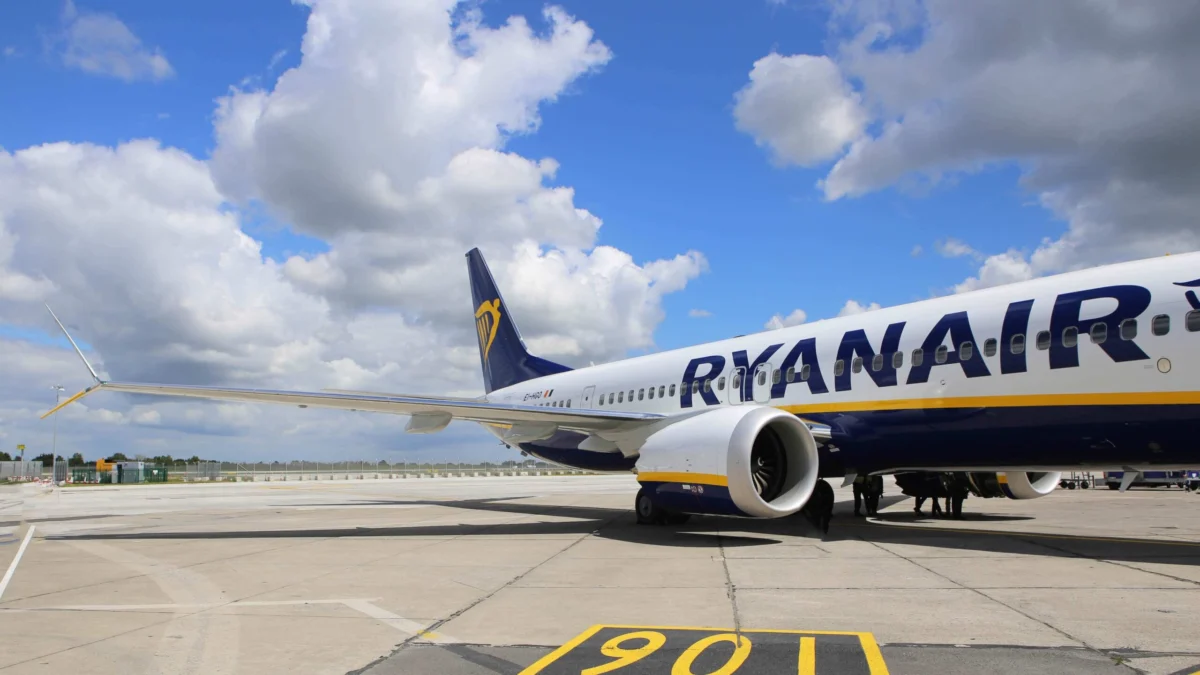
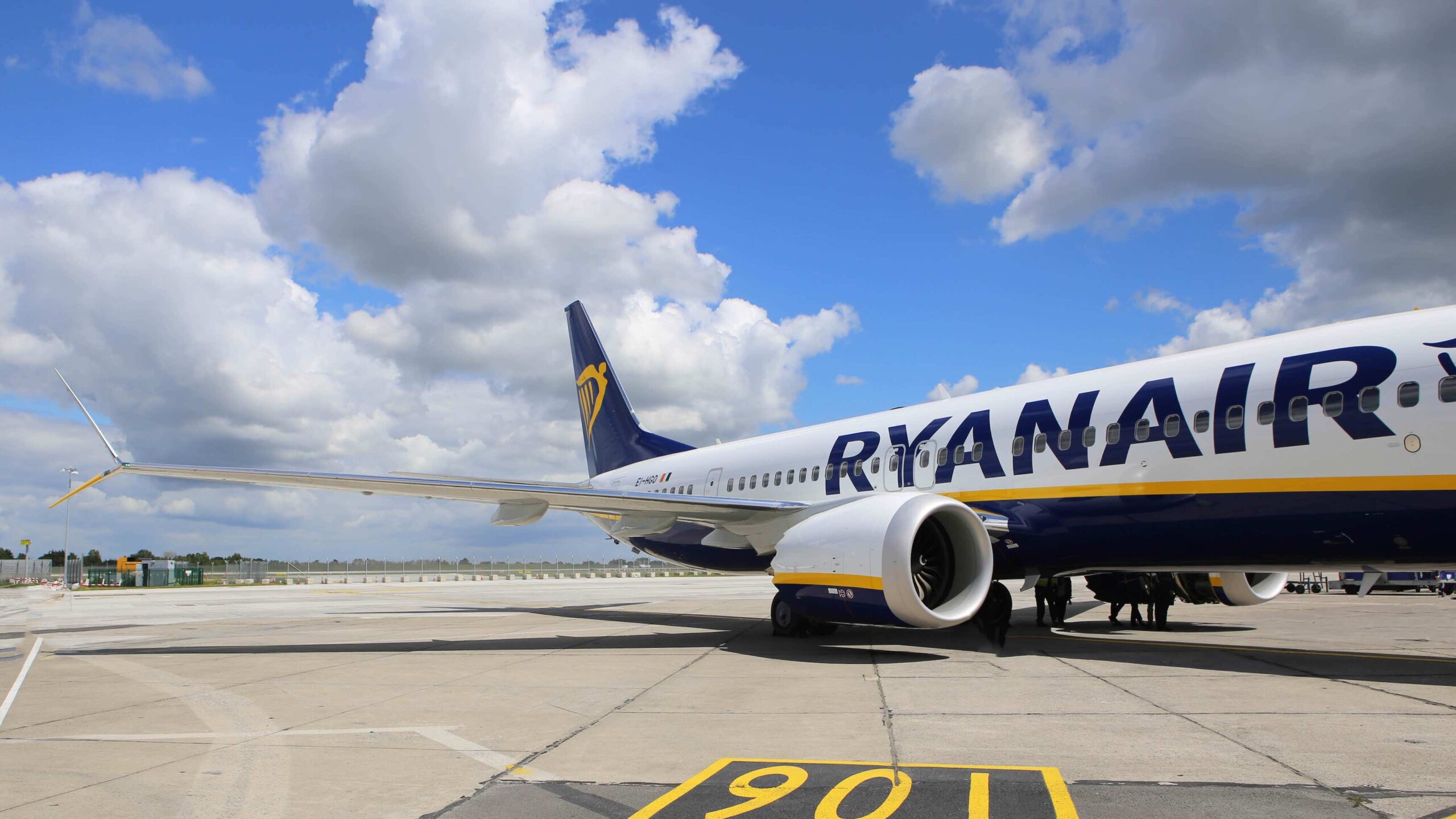
Despite the persistent mockery and the "villain" persona often adopted by the airline on social media, Ryanair remains the most successful airline in Europe by passenger volume. According to 2023 traffic statistics, the carrier transported over 180 million passengers, a significant increase from its pre-pandemic levels. The airline operates a fleet of over 500 Boeing 737 aircraft, serving more than 230 destinations across 40 countries.
The financial data underscores a paradox in the aviation industry: consumer behavior often contradicts consumer sentiment. While travelers frequently complain about the lack of "frills" and the aggressive fee structure, they continue to book with Ryanair in record numbers. The airline’s primary value proposition—point-to-point travel at prices often lower than a train or bus ticket—remains the dominant factor in the European short-haul market.
| Metric | Ryanair Performance (2023/24) |
|---|---|
| Annual Passengers | 183.7 Million |
| Load Factor | 94% |
| Fleet Size | 584 Aircraft |
| Daily Flights | 3,300+ |
| Net Profit | €1.92 Billion |
The Social Media Strategy: Embracing the "Anti-Hero" Role
Part of the reason the AI parody has gained such traction is that Ryanair’s own marketing department has spent years cultivating a self-deprecating and often confrontational social media presence. Unlike traditional legacy carriers that maintain a formal, service-oriented tone, Ryanair’s accounts on X and TikTok frequently mock their own passengers, engage in sarcasm regarding "extra legroom," and use memes to deflect criticism.
This strategy, led by a savvy digital marketing team, has turned potential PR disasters into viral engagements. By leaning into its reputation as a "no-nonsense" budget provider, Ryanair has successfully lowered passenger expectations to a level where the airline is judged solely on its ability to arrive on time and at a low price. The AI parody, therefore, fits into an existing ecosystem of Ryanair-related content where the airline is the "protagonist" that everyone loves to hate.
Safety and Technical Reliability: Fact vs. Fiction
One area where the AI parody diverges significantly from reality is in its depiction of safety issues. The video includes dramatized footage of aircraft hitting walls and general cabin chaos. However, aviation safety experts and historical data confirm that Ryanair maintains one of the best safety records in the global airline industry. Since its inception in 1984, the airline has never had a passenger fatality resulting from a crash.
The airline exclusively operates the Boeing 737 family, which allows for standardized pilot training and streamlined maintenance procedures. This "single-type" fleet strategy is a cornerstone of the low-cost model, reducing the complexity and cost of operations while maximizing safety through repetition and specialization. While the parody mocks the "rough landings" often associated with the airline (a byproduct of firm landings intended to maximize braking efficiency on short runways), the technical reality is one of rigorous compliance with European Union Aviation Safety Agency (EASA) standards.
The Broader Impact on the Aviation Industry
The success of the Ryanair model, as highlighted by the viral discourse, has forced a fundamental shift in the global aviation landscape. Legacy carriers such as Lufthansa, IAG (British Airways/Iberia), and Air France-KLM have been compelled to introduce "Basic Economy" fares and unbundled services to compete with the ULCCs. The "Ryanair-ization" of air travel has made flying accessible to a demographic that was previously priced out of the market, but it has also led to a perceived decline in the "dignity" of the travel experience.
Industry analysts suggest that the rise of AI-generated parodies represents a new frontier in consumer feedback. As AI tools become more accessible, brands will increasingly face hyper-realistic satirical content that can influence public perception more effectively than traditional written reviews. For Ryanair, the challenge lies in maintaining the delicate balance between being the "budget hero" of Europe and ensuring that the satire does not eventually alienate the very customer base that fuels its growth.
Conclusion: The Resilience of the Low-Cost Model
The viral AI parody of Ryanair serves as a cultural mirror, reflecting the complexities of modern air travel. It captures the frustration of the "hidden" costs and the utilitarian nature of the service, yet it fails to account for the economic reality that millions of passengers prioritize cost over comfort. As Ryanair continues to expand its fleet with more fuel-efficient "Gamechanger" Boeing 737-8200 aircraft, the airline is positioned to further solidify its market dominance.
Ultimately, the parody underscores a fundamental truth about the aviation industry: as long as the price is right, passengers are willing to endure the "free cardio sessions" and the "absolutely nothing we can do" customer service. The laughter generated by the video is, for many, a coping mechanism for a travel landscape that has been irrevocably changed by the pursuit of the lowest possible fare. While the video may be "painfully accurate" in its depiction of the budget experience, the financial ledgers of Ryanair suggest that for the majority of the traveling public, the trade-off remains a price worth paying.