
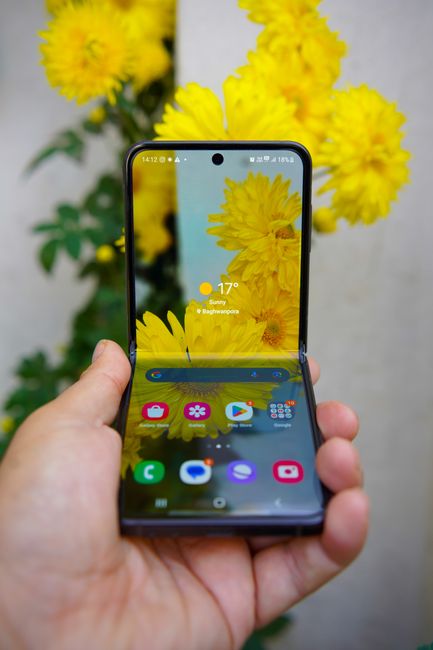
The Cheapest Foldable Android: Unlocking Affordable Innovation
The foldable smartphone market, once a realm of exorbitant price tags and exclusive early adopters, is gradually becoming more accessible. While "cheap" is a relative term in this cutting-edge segment, several manufacturers are pushing the boundaries to offer foldable Android devices at significantly lower price points than their flagship counterparts. This article delves into the current landscape of affordable foldable Android phones, exploring their features, compromises, and the best options available for budget-conscious consumers seeking to experience this transformative technology. We will analyze the underlying technologies that contribute to their cost, the key specifications to look for, and provide a guide to identifying the most compelling value propositions.
Understanding the Cost of Foldables
The primary driver behind the high cost of foldable phones stems from the intricate and specialized engineering required for their flexible displays and robust hinge mechanisms. The foldable screen itself is a marvel of material science, necessitating a complex layering of polymers and protective coatings that are inherently more expensive to produce than traditional rigid glass displays. These flexible panels are also more susceptible to wear and tear, requiring advanced manufacturing processes to ensure durability and a satisfying user experience. The hinge, a critical component enabling the folding action, is another significant cost factor. It involves numerous small, precisely engineered parts that must withstand repeated stress and maintain structural integrity over thousands of folds. Furthermore, the miniaturization of powerful processors, batteries, and other internal components to fit within a thinner, more complex chassis adds to the overall manufacturing expense. As production scales increase and manufacturing techniques mature, these costs are gradually declining, paving the way for more affordable foldable devices.
Key Features to Consider in Budget Foldables
When evaluating the cheapest foldable Android phones, it’s crucial to understand what features are typically prioritized to achieve a lower price point. Display quality remains a paramount consideration. While you might not find the absolute brightest or most color-accurate displays, look for resolutions that offer a decent sharpness, particularly on the main foldable screen. Refresh rates, while often capped at 60Hz or 90Hz on budget models (compared to 120Hz on flagships), are still sufficient for everyday tasks. Processor performance is another area where compromises are often made. Budget foldables may feature mid-range or upper-mid-range chipsets that provide adequate speed for common applications and light multitasking, but may struggle with demanding games or heavy productivity. RAM and storage are also important; aim for at least 6GB of RAM for smoother multitasking and sufficient internal storage for your apps and media. Camera systems on cheaper foldables are typically less sophisticated than those found on premium devices. Expect capable main sensors that can capture good daylight photos, but don’t anticipate advanced telephoto lenses or exceptional low-light performance. Battery life can be a concern due to the power demands of larger foldable displays and the need to accommodate thinner designs. Look for devices with reasonably sized batteries, and consider their charging speeds. Finally, the build quality of the hinge and the durability of the flexible display are critical for long-term satisfaction. While budget models might not boast the same premium materials as their expensive counterparts, they should still offer a secure and reliable folding experience.
Current Contenders for the Cheapest Foldable Android
As of late 2023 and early 2024, the landscape for affordable foldable Android phones is dynamic and evolving. Several brands are actively competing in this space, offering compelling options that break the sub-$1000 barrier.
Motorola Razr Series (Previous Generations): While the latest Motorola Razr models often sit at a higher price point, older generations, particularly the Motorola Razr (2020) and Motorola Razr 5G (2020), can frequently be found at significantly discounted prices, especially during sales events or on the used market. These devices pioneered the clamshell foldable design and, while their internal specifications are not cutting-edge by today’s standards, they offer the quintessential foldable experience at a fraction of their original cost. The primary appeal lies in their compact, pocketable form factor when folded and their iconic retro-inspired design. Their displays, while not the highest resolution, are perfectly adequate for quick checks of notifications, social media scrolling, and basic communication. Performance on these older models is best suited for everyday tasks; expect moderate multitasking capabilities rather than high-end gaming. The cameras are functional but not a highlight. The key advantage here is the accessibility of a foldable form factor at a significantly reduced investment.
Samsung Galaxy Z Flip Series (Previous Generations): Similar to Motorola, Samsung’s previous generation Galaxy Z Flip models, such as the Samsung Galaxy Z Flip 3 and Samsung Galaxy Z Flip 4, are prime candidates for budget-conscious buyers. These devices often see substantial price drops when newer models are released. The Z Flip 3, in particular, has become a very attractive option due to its well-rounded feature set and its considerable price reduction. It offers a more modern Android experience than the older Razr models, with a capable processor, good quality AMOLED displays (both internal and external), and a competent dual-camera system. The external display is particularly useful for quick interactions without needing to unfold the phone. The Z Flip 4 builds upon the Z Flip 3 with some refinements, including a slightly larger battery and improved durability, and can also be found at increasingly attractive prices. These Samsung devices offer a blend of foldable innovation and a more familiar, user-friendly Android interface.
Chinese Manufacturer Offerings (e.g., Xiaomi, Honor, OPPO): The Chinese market has been a hotbed for innovation in foldable technology, and several manufacturers are beginning to bring their more affordable foldable devices to international markets, or at least make them more accessible through import channels. Brands like Xiaomi, Honor, and OPPO are often aggressively pricing their foldable phones to gain market share. While specific model availability and pricing can fluctuate rapidly and vary by region, these manufacturers are known for offering impressive specifications for the price. For example, devices like the Xiaomi MIX Fold series (earlier models) or specific Honor Magic V series variants (when on sale) can represent excellent value. These devices often boast larger internal displays, higher refresh rates, more advanced camera systems, and faster charging speeds than their Western counterparts at similar price points. The trade-off might be in software support longevity or the availability of Google Mobile Services (GMS) for certain models intended for the Chinese market, though this is becoming less of an issue for globally targeted variants. It is crucial to research specific models and their regional availability thoroughly when considering these options.
Emerging Brands and Unbranded Devices: The market also sees a growing number of smaller or emerging brands that are attempting to disrupt the foldable space with aggressively priced devices. These can sometimes be found on online marketplaces and may offer surprisingly good specifications for their cost. However, it’s essential to approach these with caution. Researching brand reputation, reading user reviews, and understanding warranty and support options are paramount. Unbranded devices, while potentially the absolute cheapest, often come with significant risks regarding software updates, build quality, and long-term support.
Evaluating Value: What to Prioritize
When hunting for the cheapest foldable Android, understanding where the compromises lie is key to making an informed decision.
Form Factor: Decide if you prefer the clamshell (like a flip phone) or the book-style foldable. Clamshells are generally more pocketable and often more affordable. Book-style foldables offer a larger tablet-like experience when unfolded.
Display Quality: While you won’t get the absolute best, ensure the main foldable display has a decent resolution for readability and a smooth enough refresh rate for everyday use. A usable external display is a significant bonus for convenience.
Performance: For basic communication, social media, and light browsing, a mid-range processor is perfectly acceptable. If you intend to game or perform more demanding tasks, you’ll need to look at slightly higher-priced options or previous-generation flagships.
Camera: If photography is a priority, you might need to stretch your budget or consider a very good deal on a slightly older, higher-end foldable. For casual snaps, most budget foldables will suffice.
Durability and Hinge: This is where budget foldables can sometimes show their age or cost-saving measures. Read reviews specifically about hinge longevity and the resilience of the foldable screen.
Software and Updates: Ensure the device comes with a reasonably recent version of Android and that the manufacturer has a track record of providing software updates. This is crucial for security and long-term usability.
The Future of Affordable Foldables
The trajectory of the foldable smartphone market points towards increasing affordability. As manufacturing processes become more efficient and component costs decrease, we can anticipate even more compelling foldable Android devices entering the sub-$800 and potentially even sub-$700 segments in the coming years. Innovations in display technology, such as the development of more durable and less expensive flexible materials, will play a significant role. Furthermore, competition among manufacturers is intensifying, forcing brands to offer greater value propositions to attract consumers. Consumers looking for the cheapest foldable Android today have more viable options than ever before, allowing them to experience the future of mobile technology without breaking the bank. The key is diligent research, an understanding of the trade-offs, and an awareness of the dynamic pricing that frequently occurs, especially during major sales periods. By carefully considering the features that matter most to your individual needs and usage patterns, you can successfully navigate the market and find a foldable Android phone that delivers innovation at an accessible price point.





Leave a Reply