
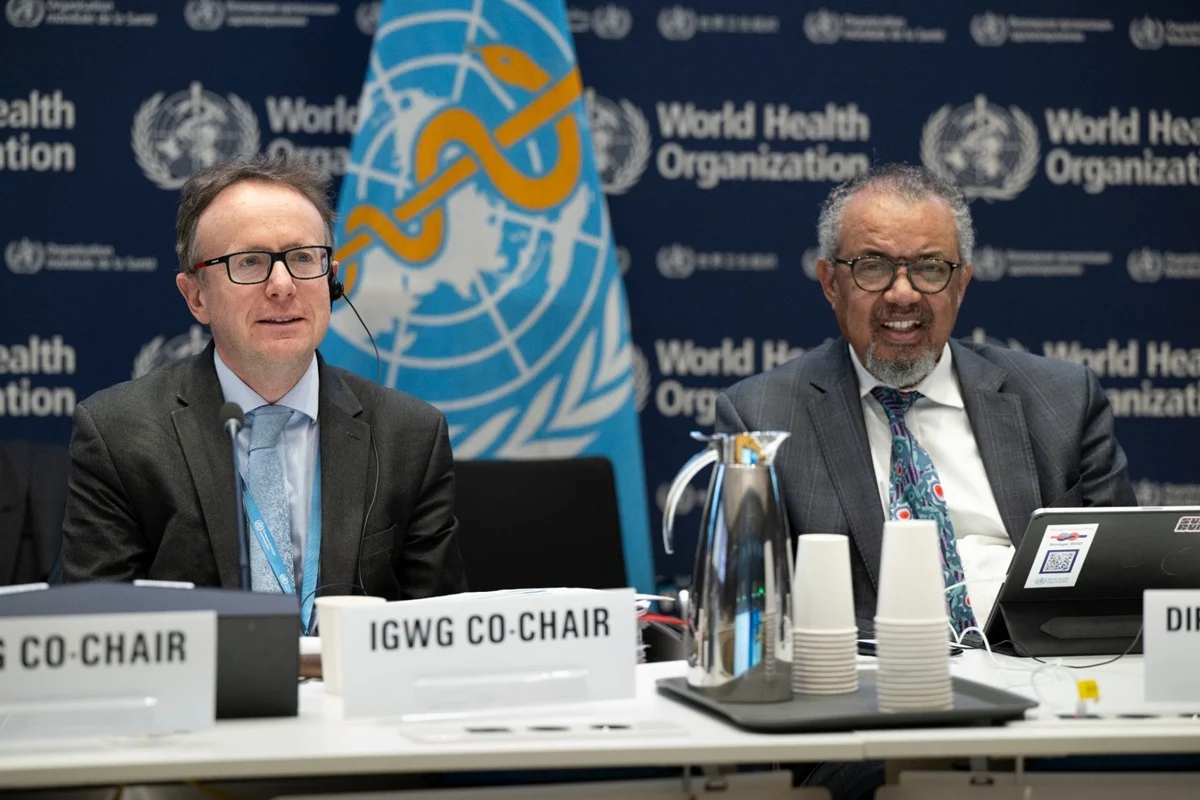
World Health Organization Member States have agreed to extend negotiations on the Pathogen Access and Benefit Sharing (PABS) annex to the WHO Pandemic Agreement, with discussions to resume in late-April ahead of its scheduled consideration by the World Health Assembly (WHA) in May. The decision to continue negotiations from April 27 to May 1, with informal intersessional discussions taking place in advance, reflects the commitment by WHO Member States to negotiate the PABS annex, a core component of the WHO Pandemic Agreement. The World Health Assembly adopted the Pandemic Agreement last year to address weaknesses exposed by the COVID-19 pandemic and to strengthen global cooperation and equity in future pandemic prevention, preparedness, and response.
Deepening Commitments to Global Health Security
The extension of negotiations underscores the critical importance of establishing robust international frameworks for managing future health crises. The PABS annex, in particular, is designed to be a cornerstone of the broader Pandemic Agreement, aiming to create a more equitable and effective system for global health security. This system is intended to ensure, on an equal footing, the rapid sharing of pathogens with pandemic potential and the fair and equitable sharing of benefits arising from their use, including vital medical countermeasures such as vaccines, diagnostics, and therapeutics.
"The Pathogen Access and Benefit Sharing system lies at the heart of the WHO Pandemic Agreement, and I thank WHO Member States for their commitment to work to bring it to life," stated Dr. Tedros Adhanom Ghebreyesus, WHO Director-General. His call for trust among nations – trust in each other, in their institutions, and in their collective ability to overcome differences for the common public good, solidarity, and equity – highlights the diplomatic and ethical dimensions of these ongoing negotiations. The sentiment reflects a broader understanding that the effectiveness of any global health instrument hinges on mutual confidence and a shared commitment to collective well-being.
A Crucial Component of the Pandemic Agreement
The WHO Pandemic Agreement, adopted by the World Health Assembly in the previous year, emerged from the stark lessons learned during the COVID-19 pandemic. The unprecedented global disruption exposed significant shortcomings in international cooperation, particularly concerning equitable access to essential medical supplies and technologies. The agreement seeks to rectify these vulnerabilities by establishing a legally binding instrument that will guide global efforts in preventing, preparing for, and responding to future pandemics.
Within this overarching agreement, the PABS annex holds particular significance. It addresses the complex interplay between pathogen surveillance, access to biological samples, and the subsequent development and distribution of medical countermeasures. The core principle is to ensure that when a pathogen is shared for research and development purposes, the benefits derived from that sharing are equitably distributed among all nations, particularly those that may have limited resources to develop their own countermeasures. This "access and benefit sharing" model is designed to prevent a recurrence of the "vaccine nationalism" and inequitable distribution witnessed during the COVID-19 pandemic, where wealthier nations secured disproportionate access to life-saving vaccines and treatments.
Intensive Negotiations and Striving for Consensus
The recent intensive negotiations, conducted under the auspices of the Intergovernmental Working Group (IGWG) on the WHO Pandemic Agreement, focused on a range of critical and interconnected issues. These included defining and distributing benefits derived from pathogen sharing, establishing the nature of contractual arrangements that would underpin the PABS system, and addressing governance matters to ensure the system’s effective, transparent, and public-interest-driven functioning.
Ambassador Tovar da Silva Nunes of Brazil, Co-Chair of the IGWG Bureau, expressed optimism about the progress made. "Member State negotiators are working intensively towards having an ambitious and equitable Pathogen Access and Benefits Sharing annex ready for adoption at the World Health Assembly in May," he stated. This sentiment was echoed by Mr. Matthew Harpur of the United Kingdom of Great Britain and Northern Ireland, also a Co-Chair of the IGWG Bureau, who welcomed the commitment shown by Member States in finding consensus on outstanding areas.
The acknowledgement by Member States of constructive engagement to date, coupled with the recognition that additional time is needed to bridge remaining differences, points to the complexity and sensitivity of the issues at hand. Finalizing the text of the PABS annex and submitting it for adoption at the World Health Assembly requires careful consideration of diverse national interests and perspectives, while remaining steadfast in the shared goal of global health security.
Background and Chronology of the Pandemic Agreement Negotiations
The journey towards the WHO Pandemic Agreement and its PABS annex began in earnest following the devastating impact of the COVID-19 pandemic. The World Health Assembly, at its seventy-fifth session in May 2022, agreed to establish an intergovernmental negotiating body (INB) to draft and negotiate a new, legally binding international instrument on pandemic prevention, preparedness, and response. This decision marked a pivotal moment in global health governance, signaling a collective will to learn from past failures and build a more resilient global health architecture.
The INB convened its first session in July 2022, initiating a series of meetings that have spanned several years. Throughout these sessions, Member States have grappled with fundamental questions about how to strengthen global cooperation, ensure equitable access to pandemic-related tools and technologies, and establish clear lines of responsibility and accountability. The PABS annex emerged as a particularly contentious but crucial element of these discussions, reflecting differing views on intellectual property rights, benefit-sharing mechanisms, and the balance between national sovereignty and global solidarity.
Key Milestones in the Negotiation Process:
- May 2022: The World Health Assembly adopts a resolution to establish an intergovernmental negotiating body (INB) to draft and negotiate a new pandemic instrument.
- July 2022: The first session of the INB is held, marking the formal commencement of negotiations.
- Throughout 2022-2023: Multiple INB sessions take place, with Member States engaging in in-depth discussions on various aspects of the pandemic instrument, including the PABS annex.
- March 2024: The WHO announces that Member States have agreed to extend negotiations on the PABS annex, with a new deadline for consideration by the World Health Assembly in May 2024. This decision follows intensive negotiations under the IGWG.
- April 27 – May 1, 2024: Resumption of formal negotiations on the PABS annex, preceded by informal intersessional discussions.
- May 2024: Scheduled consideration of the Pandemic Agreement and its PABS annex by the World Health Assembly.
This extended timeline reflects the complexity of forging consensus among 194 Member States, each with its own unique health systems, economic capacities, and national priorities. The process necessitates meticulous diplomacy, a willingness to compromise, and a shared understanding of the existential threat posed by pandemics.
Supporting Data and the Rationale for PABS
The urgency for a robust PABS system is underscored by data revealing the profound inequities witnessed during the COVID-19 pandemic. For instance, in the initial stages of vaccine rollout, high-income countries, representing approximately 16% of the global population, had secured over 60% of available vaccine doses. This disparity not only led to prolonged suffering in lower-income countries but also created fertile ground for the emergence of new variants, ultimately prolonging the global pandemic and its economic fallout.
The World Bank estimates that the COVID-19 pandemic pushed an additional 97 million people into extreme poverty in 2020 alone. The economic cost of the pandemic has been astronomical, with global GDP losses estimated in the trillions of dollars. These figures highlight the economic imperative of ensuring equitable access to pandemic countermeasures, as a global health crisis has direct and severe economic consequences for all nations.
The PABS annex aims to address this by creating a framework that incentivizes the rapid sharing of genetic sequences of novel pathogens and other relevant information. In return, countries and entities contributing this information would be entitled to a fair and equitable share of the benefits derived from the development of vaccines, therapeutics, and diagnostics. This could include preferential access to these countermeasures, financial benefits, or technology transfer. The rationale is that by fostering a more equitable system, all nations will be more willing to share crucial data, leading to faster scientific breakthroughs and a more coordinated and effective global response.
Broader Implications and the Path Forward
The successful negotiation and adoption of the PABS annex, as part of the broader Pandemic Agreement, carries significant implications for global health security.
- Enhanced Preparedness and Response: A well-functioning PABS system could dramatically improve the speed and equity of global responses to future pandemics. By ensuring timely access to pathogens and equitable benefit sharing, it can accelerate the development and distribution of life-saving medical tools.
- Strengthened Global Solidarity: The negotiations themselves, despite their challenges, represent a powerful testament to the ongoing commitment of nations to multilateralism and collective action in the face of shared threats. A successful outcome would reinforce the principles of solidarity and equity in global health.
- Economic Resilience: By mitigating the impact of pandemics and ensuring equitable access to countermeasures, a robust agreement can contribute to greater global economic stability and resilience. Preventing prolonged and unevenly distributed health crises can help avert catastrophic economic downturns.
- Trust and Cooperation: The emphasis placed by Dr. Tedros on trust underscores the diplomatic challenge. Building and maintaining trust between nations is paramount for the effective functioning of any global health instrument. The PABS annex, if designed and implemented effectively, can serve as a catalyst for fostering this trust.
The extension of negotiations signals a pragmatic approach, acknowledging that the complexities of pathogen access and benefit sharing require careful deliberation. The commitment to reconvene in late April, ahead of the WHA in May, demonstrates a sustained dedication to finding common ground. The outcome of these negotiations will not only shape the future of global pandemic preparedness but also serve as a critical indicator of the international community’s ability to collaborate effectively in addressing the most pressing global health challenges of the 21st century. The world watches with anticipation as these crucial discussions continue, with the hope that a strengthened Pandemic Agreement, anchored by a robust PABS annex, will emerge to safeguard global health for generations to come.










Leave a Reply