
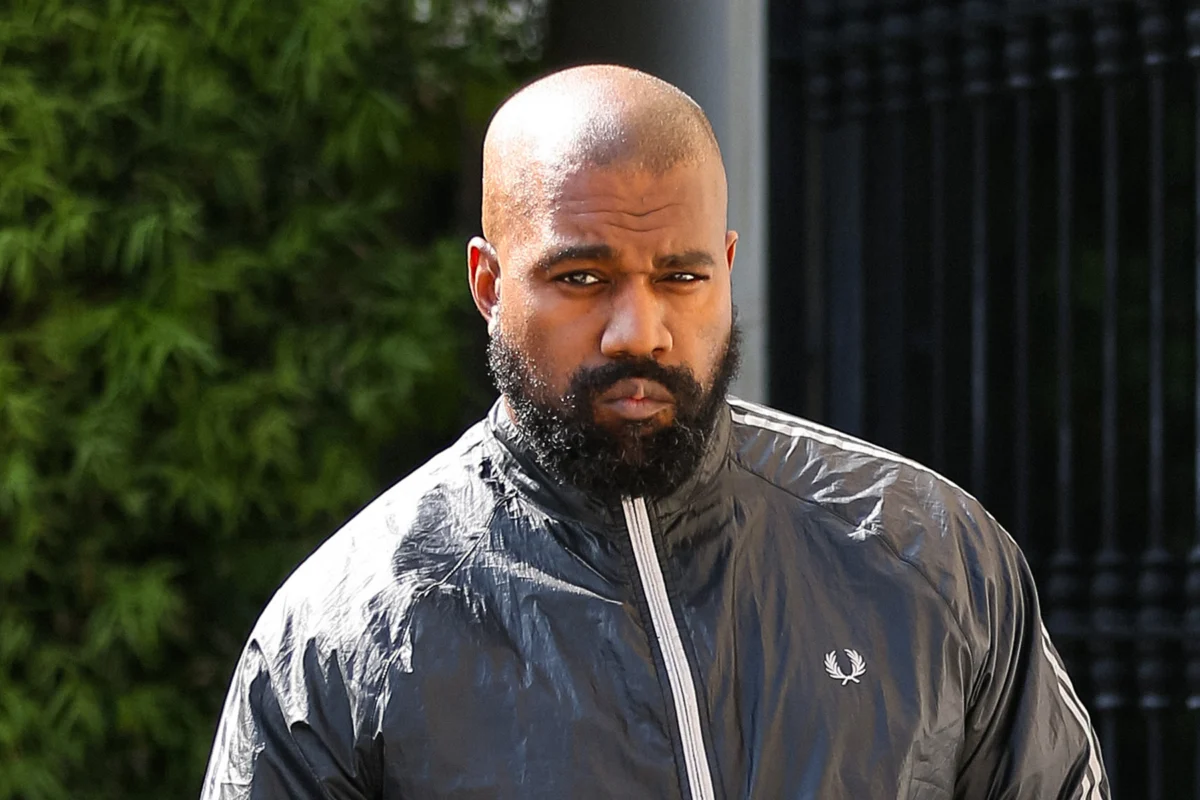
The musician now known as Ye is expected to testify later this week as a copyright infringement lawsuit, one of many to have ensnared the artist formerly known as Kanye West, reaches the jury stage in a federal courtroom in downtown Los Angeles. The case centers on the alleged unauthorized use of a musical sample in an early iteration of his Grammy-winning song "Hurricane," which was prominently featured during a high-profile listening event for his 2021 album Donda.
On Monday, an eight-person jury heard opening statements that laid out starkly contrasting narratives from the plaintiffs and the defense. The legal team representing the four musicians who claim their work was sampled without proper clearance is seeking $564,046 in damages. They contend that Ye, through his performance and broadcast of the song at a July 2021 listening party held at Mercedes-Benz Stadium in Atlanta, infringed upon their intellectual property rights. This event, attended by tens of thousands of fans and streamed globally, served as a crucial promotional platform for Donda.
Conversely, Ye’s lead attorney presented a defense arguing that the sample was utilized in a "test drive" scenario, operating under what he described as "implied consent" from the musicians. The defense posited that the artists were enthusiastic about a major star experimenting with their music, and that any discussions regarding compensation would have been contingent upon the sample being officially incorporated into the final album, which it ultimately was not.
The four musicians at the heart of this legal dispute are Khalil Abdul Rahman, Sam Barsh, Dan Seeff, and Josh Mease. They have brought their suit through Artist Revenue Advocates, a company they established in 2024. Initially, their lawsuit encompassed claims of infringement on both the composition and the sound recording of their one-minute instrumental track, "MSD PT2." However, the case has since been narrowed, focusing primarily on the use of the recorded sample. This streamlining occurred after it was determined that, under their prior agreements, the musicians did not retain control over their writer-side royalties.
Irene Lee, the lead attorney for the plaintiffs, asserted to the jury that Ye’s team incorporated the sample without obtaining necessary permission or providing any form of payment. She conveyed that her clients were initially thrilled by the prospect of Ye’s interest in their music, but that the subsequent offer was "not fair," and they never granted consent for any commercial exploitation of their work.
"They trusted that they would be treated professionally," Lee stated, emphasizing that her clients voluntarily shared the sample with Ye’s team, operating under the expectation of equitable compensation should it be utilized. According to Lee, after the demo gained significant traction, Ye’s team effectively "ghosted" the musicians, leaving them feeling "snubbed and ignored." Despite the sample’s exclusion from the final version of Donda, Lee maintained that its use at the listening event constituted a clear infringement.
The "Hurricane" Sample and Its Significance
The track featuring the disputed sample reportedly served as the lead single during the highly publicized listening event. Lee presented evidence suggesting that this single performance alone generated substantial revenue for Ye. Expert analysis, as presented by the plaintiffs’ counsel, indicated that the event’s success, encompassing ticket sales, merchandise, a reported $1.25 million streaming deal with Apple, and even the later release of a jacket Ye wore onstage through his apparel partnership with Gap, was directly linked to the performance. Lee specifically highlighted a prior sworn statement from Ye, stating, "This is such a remarkable trial. We have a clear admission, under oath from Ye, that he actually used our client’s copyright-protected music." This statement, if accurate and presented in full context, could prove pivotal in the jury’s deliberations.
Eduardo Martorell, Ye’s legal counsel, countered by arguing that the plaintiffs were attempting to "jump industries" by seeking a share of profits derived from apparel sales. Martorell emphasized that Ye’s immense global fame and his extensive list of accolades, including over 60 Grammy nominations, were the primary drivers of the listening party’s success, not the instrumental sample itself. "We don’t think we should be here," Martorell declared to the jury. "This lawsuit should never have been filed. The artists led my client to believe he had permission to use their music every step of the way."
Chronology of Events and Legal Proceedings
The legal battle stems from activities surrounding the release of Donda. The album’s rollout was characterized by multiple listening events and significant anticipation. The specific incident in question occurred during the second listening party for Donda, held on July 22, 2021, at Mercedes-Benz Stadium in Atlanta. Prior to this event, Ye’s team reportedly reached out to the musicians for their track "MSD PT2."
Key Timeline Points:
- Prior to July 2021: Negotiations or discussions, the nature of which is disputed, take place between Ye’s representatives and the musicians regarding the use of "MSD PT2."
- July 22, 2021: A listening event for Donda is held at Mercedes-Benz Stadium in Atlanta. A version of the song "Hurricane," reportedly featuring the sample from "MSD PT2," is played for attendees and broadcast.
- Post-July 2021: The musicians claim they were "ghosted" by Ye’s team after the demo gained traction and before the final album was released. The sample is not included in the official studio version of "Hurricane" on Donda.
- Later Date (Specific Year Unclear from Source): The four musicians form Artist Revenue Advocates.
- Filing of Lawsuit: Artist Revenue Advocates files a copyright infringement lawsuit against Ye.
- Recent Developments: The case proceeds to a federal jury trial in Los Angeles. Opening statements are delivered on Monday. Ye is expected to testify later in the week.
The Sample’s Origin and Legal Nuances
Daniel Seeff, identified as the bassist on the track "MSD PT2," was the first witness called to the stand. He testified, "I’m here today to tell our story. [MSD PT2] is the basis of ‘Hurricane.’ All the music you hear in ‘Hurricane’ comes from that. It’s repeated." This statement underscores the plaintiffs’ assertion that the sample was not merely an incidental element but foundational to the song’s structure as presented at the listening event.
The legal complexities of sampling in music have evolved significantly over the decades. Historically, sampling without clearance could lead to substantial legal repercussions, including significant financial penalties and injunctions. The Digital Millennium Copyright Act (DMCA) and subsequent case law have further refined the legal landscape surrounding intellectual property in the digital age. Copyright protection extends to both the original musical composition and the specific sound recording of that composition. Infringement can occur if either of these elements is used without authorization.
In this particular case, the narrowing of the claim to the sound recording suggests a strategic decision by the plaintiffs’ legal team, likely based on the specifics of their prior agreements and their ability to prove ownership and control over the sound recording versus the underlying composition’s royalties.
Broader Implications and Precedents
This trial arrives amidst a period of intense legal scrutiny for Ye, who has faced numerous copyright infringement claims throughout his career. These cases often highlight the intricate and sometimes contentious relationship between artists, producers, and the rights holders of sampled material. The outcome of this trial could have several implications:
- Financial Damages: If the jury finds in favor of the plaintiffs, Ye could be liable for the damages sought, which are calculated based on the alleged commercial exploitation of the sample. This figure represents a portion of the revenue generated from the listening event.
- Precedent for Future Cases: A verdict in this case could set a precedent for how similar sampling disputes are handled, particularly regarding the concept of "implied consent" and the definition of commercial use versus artistic experimentation.
- Artist’s Testimony: Ye’s expected testimony will be a crucial element. His demeanor and statements on the stand could significantly influence the jury’s perception of his intent and understanding of the licensing process. This comes shortly after his appearance in a separate state trial where he reportedly appeared to doze off, an event that drew media attention.
- Industry Practices: The trial serves as a reminder of the importance of clear licensing agreements and due diligence in music production and performance. It underscores the potential legal ramifications for artists and labels when sampling is not handled with meticulous care.
The trial is anticipated to last for approximately one week, during which both sides will present their evidence and arguments. The jury’s decision will hinge on their interpretation of the evidence presented, the credibility of the witnesses, and their understanding of copyright law as it applies to musical sampling. The case of "Hurricane" and its alleged sample is a microcosm of the ongoing dialogue about artistic integrity, ownership, and fair compensation in the music industry.





Leave a Reply