
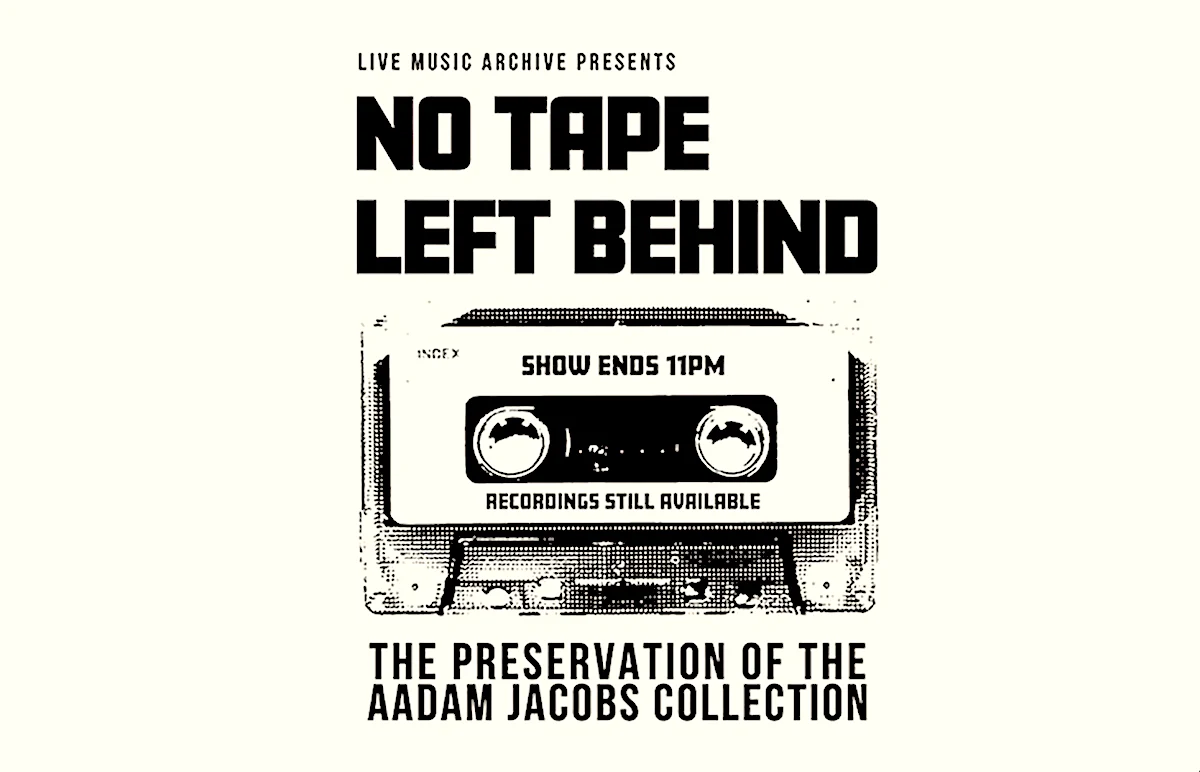
The preservation of cultural ephemera has reached a significant milestone as the Internet Archive begins the massive undertaking of digitizing and hosting the Aadam Jacobs Collection, a staggering compendium of over 10,000 live concert recordings. This archive, primarily captured within the vibrant and diverse music venues of Chicago, spans over three decades of musical history, offering an unprecedented auditory map of the city’s sonic evolution from the 1980s through the 2010s. As of mid-2026, approximately 2,500 of these recordings have been processed and made available to the public, representing over a terabyte of data that includes rare performances by global icons and obscure local acts alike.
The Architect of the Archive: Aadam Jacobs
For decades, Aadam Jacobs was a ubiquitous, if somewhat mysterious, figure in the Chicago music scene. Identifiable by his long hair and a heavy backpack filled with increasingly sophisticated recording equipment, Jacobs dedicated his life to capturing the lightning-in-a-bottle energy of live performance. His methodology was characterized by a relentless work ethic; at the peak of his activity, Jacobs would often record multiple sets at different venues in a single night.
His collection is not merely a hobbyist’s stash but a professional-grade historical record. Unlike many "tapers" who focus exclusively on a single genre or a specific band, Jacobs demonstrated a remarkably democratic ear. His archive includes everything from the grunge of a pre-fame Nirvana to the avant-garde textures of Stereolab, the soulful narratives of Tracy Chapman, and the industrial synth-pop of Depeche Mode. This lack of discrimination regarding a band’s commercial "cool" or industry standing has resulted in a collection that captures the entire ecosystem of the Chicago music scene, including the opening acts and local legends who never achieved national stardom.
The Scope and Scale of the Collection
The sheer volume of the Aadam Jacobs Archive presents a monumental task for the Internet Archive and its team of volunteers. The transition from physical media—ranging from analog cassettes to Digital Audio Tapes (DAT) and later digital formats—to a stable online repository requires meticulous care to ensure audio fidelity and proper metadata tagging.
Among the highlights already available for streaming and download are:
- Nirvana (1989): A raw, high-energy set captured just as the band was beginning to define the sound that would eventually upend the music industry.
- They Might Be Giants (1988): A particularly fertile period for the duo, with Jacobs capturing four separate performances in a single year.
- Sonic Youth (1988): A recording that documents the band during the tour for their seminal album Daydream Nation.
- Modern Icons: Later recordings include performances by Björk in 2013 and the Flaming Lips in 2003, showcasing the archive’s reach into the 21st century.
The archive also serves as a graveyard and a garden for Chicago’s venue history. Many of these recordings took place at legendary spots like the Metro (formerly Cabaret Metro), the Empty Bottle, the Double Door, and Lounge Ax—some of which have since closed their doors, making these tapes the only surviving evidence of specific nights in those rooms.
Chronology of Preservation and Public Recognition
The journey of the Jacobs collection from a private basement to a global digital resource has followed a distinct timeline:
- 1980s–2010s: The Active Recording Phase. Jacobs attends thousands of shows, refining his "stealth" recording rigs and building a massive physical library of tapes.
- 2014–2019: Growing Concern for Legacy. As the physical media aged, musicians and club owners interviewed in the Chicago scene began expressing public concern regarding the future of the tapes. The question of what would happen to this "hidden history" became a recurring theme in local music journalism.
- 2020: The Release of Melomaniac. Director Katlin Schneider released a documentary titled Melomaniac, which profiled Jacobs and his obsessive quest. The film acted as a catalyst, bringing national attention to the archive and highlighting the urgent need for digitization to prevent tape degradation.
- 2024–2025: Partnership with the Internet Archive. A formal agreement was reached to move the collection to the Internet Archive’s headquarters for professional-grade digitization.
- 2026: Public Launch. The Aadam Jacobs Archive officially opens to the public, with a rolling release schedule as new batches of tapes are cleaned and uploaded.
Technical Challenges and the Digitization Process
Digitizing 10,000 recordings is a feat of both engineering and logistics. Analog tapes, particularly those recorded in the 1980s and 90s, are subject to "sticky-shed syndrome," a condition where the binding agents in the tape degrade, making them unplayable without a specialized heat-treatment process known as "baking."
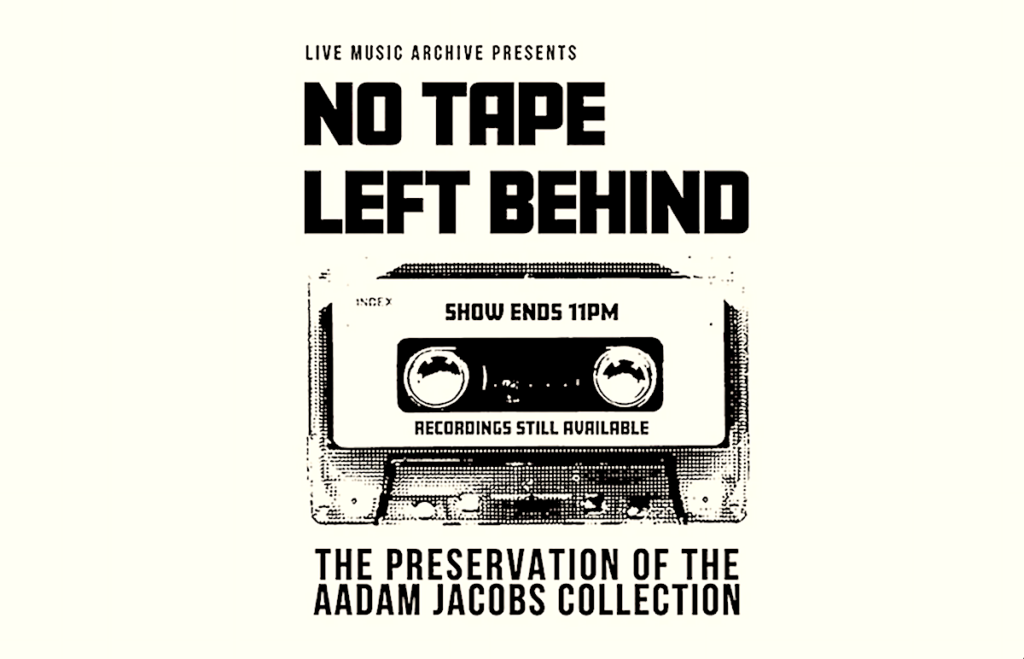
Volunteers and archivists must also navigate the complexities of metadata. For a recording to be useful to researchers or fans, it must be accurately dated and tagged with venue names, setlists, and band lineups. In many cases, Jacobs’ own handwritten notes provide the primary source for this data, requiring a manual cross-referencing with historical concert calendars and fan databases.
The Internet Archive’s commitment to providing these files in multiple formats—including lossless FLAC for audiophiles and smaller MP3 files for easy streaming—ensures that the collection is accessible to a wide range of users, from casual listeners to professional music historians.
The Cultural Significance of "Taper" Culture
The Aadam Jacobs Archive is part of a broader tradition of "taping" that flourished in the late 20th century. While the legalities of concert recording have historically been a grey area, many bands in the indie, punk, and "jam band" scenes—such as Phish and the Grateful Dead—actively encouraged the practice, recognizing that live tapes served as a powerful grassroots marketing tool.
Jacobs’ work, however, goes beyond the typical fan recording. By documenting the "middle class" of the music industry—bands that played to 200 people in a basement—he has preserved a level of cultural history that is often ignored by major labels and mainstream archives. This collection provides a counter-narrative to the "official" history of rock music, showing the raw, unpolished, and experimental sets that rarely made it onto live albums or concert films.
Broader Implications for Music History and Research
The release of the Jacobs Archive has significant implications for several fields:
- Musicology: Scholars can now track the evolution of a band’s sound over a single tour with granular detail. For example, the multiple 1988 recordings of They Might Be Giants allow for a study of how their arrangements and stage banter evolved in real-time.
- Urban History: The archive serves as a record of Chicago’s cultural geography. By mapping where and when these shows happened, historians can visualize the shifts in the city’s nightlife and the gentrification of neighborhoods where famous venues once stood.
- Legal Precedents: The Internet Archive’s hosting of these "bootlegs" under a non-commercial, educational framework continues to test and define the boundaries of Fair Use in the digital age, particularly concerning the preservation of orphan works (recordings where the copyright holder is difficult to identify or contact).
Official Responses and Community Impact
The music community has responded with overwhelming support. Katlin Schneider, the filmmaker behind Melomaniac, noted that the digitization project represents the fulfillment of a long-held dream for Jacobs and those who appeared in her film. Club owners have similarly praised the move, noting that these recordings are often the only high-quality audio records of the legendary nights that built their venues’ reputations.
Fans have already begun "crowdsourcing" the identification of unknown tracks and correcting setlists in the comments section of the Internet Archive, turning the collection into a living, breathing community project. As one Chicago musician noted, seeing Jacobs in the audience was once a sign that a band was "making it"; now, being included in his archive ensures that their music will never truly disappear.
Future Outlook
The Aadam Jacobs Archive is expected to continue growing over the next several years as the remaining 7,500 recordings undergo the digitization process. As the collection nears completion, it will stand as one of the largest single-source live music archives in existence, rivaling the famous Grateful Dead collections in both scope and historical value.
For those who lived through Chicago’s "golden ages" of music, the archive is a nostalgic portal. For new generations of listeners, it is a vast, undiscovered territory of sound. The efforts of Aadam Jacobs, now immortalized through the Internet Archive, ensure that the ephemeral roar of a Chicago night-club in 1988 or 1999 will remain audible for centuries to come. The archive can be accessed directly through the Internet Archive’s website, where the mission of "Universal Access to All Knowledge" now officially includes the distorted guitars and soaring vocals of a thousand Windy City stages.







Leave a Reply