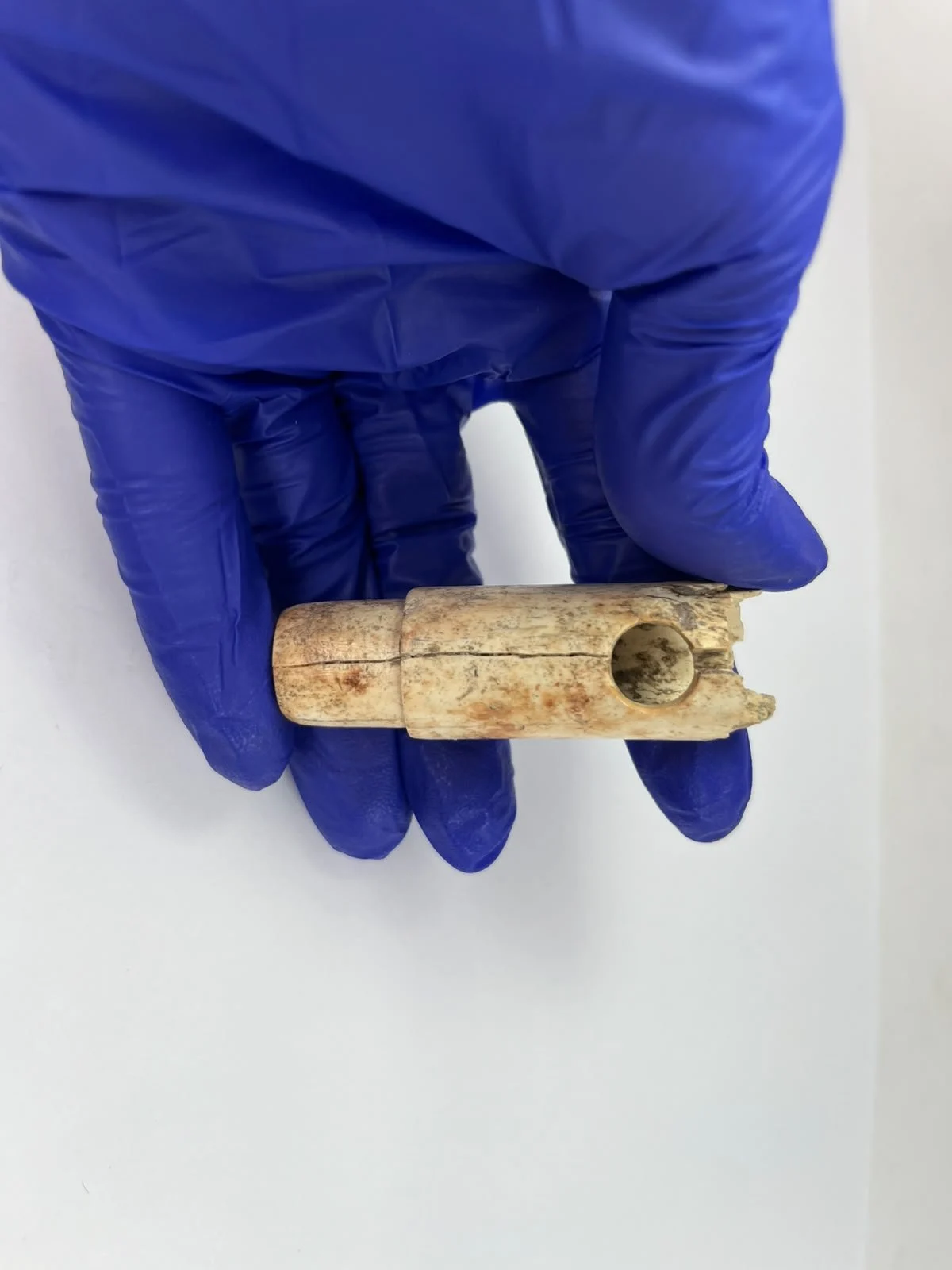
Archaeological excavations at the legendary site of ancient Troy in northwestern Turkey have yielded an extraordinary artifact that bridges the gap between historical reality and epic poetry. Researchers working at the UNESCO World Heritage site have unearthed a fragmentary bone flute dating back approximately 2,800 years. This remarkable discovery places the instrument squarely within the era when the legendary poet Homer is believed to have composed foundational works of Western literature, including The Iliad and The Odyssey.
While the site of Troy has been a focal point of archaeological investigation for over a century and a half, yielding countless weapons, jewelry, and domestic items, this represents the first musical instrument ever recovered from the ruins. The find offers rare acoustic insight into the daily life, culture, and sonic environment of the Late Bronze Age and early Iron Age Aegean world, challenging long-held assumptions that the city was largely abandoned or culturally stagnant during the eighth century BC.
Unearthing the Past: A Century and a Half of Discovery at Troy
The archaeological exploration of Hisarlık—the mound in modern-day Çanakkale province widely accepted as the site of ancient Troy—began in earnest in the 1870s under the controversial direction of Heinrich Schliemann. Since those initial, destructive digs, generations of international archaeologists have meticulously combed the stratified layers of the ancient city, which was rebuilt and occupied numerous times over millennia.
Past excavations have famously brought to light immense treasures, including ornate gold diadems, hundreds of two-handled wine goblets, arrowheads, bronze weapons, and defensive fortifications that correspond to the stratified layers associated with Homeric combat. However, until this recent breakthrough, the material culture of Troy lacked a direct auditory link to its inhabitants. Organic artifacts such as bone, wood, and skin rarely survive the ravages of time, making the preservation of a 2,800-year-old wind instrument an exceptional stroke of archaeological fortune.
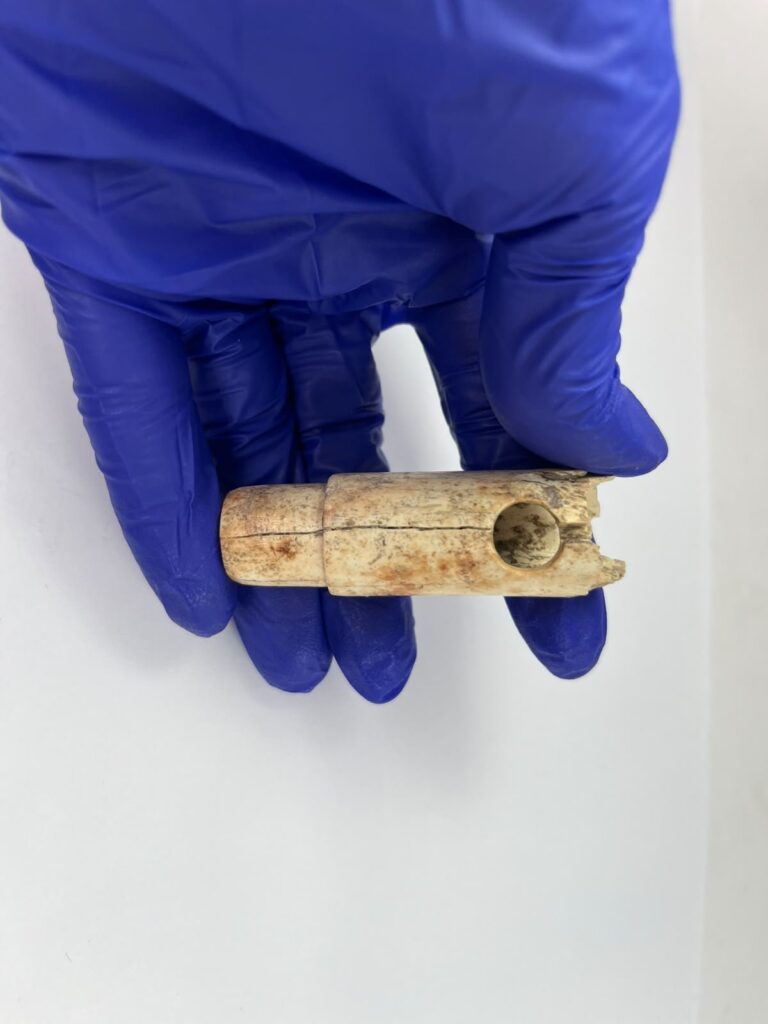
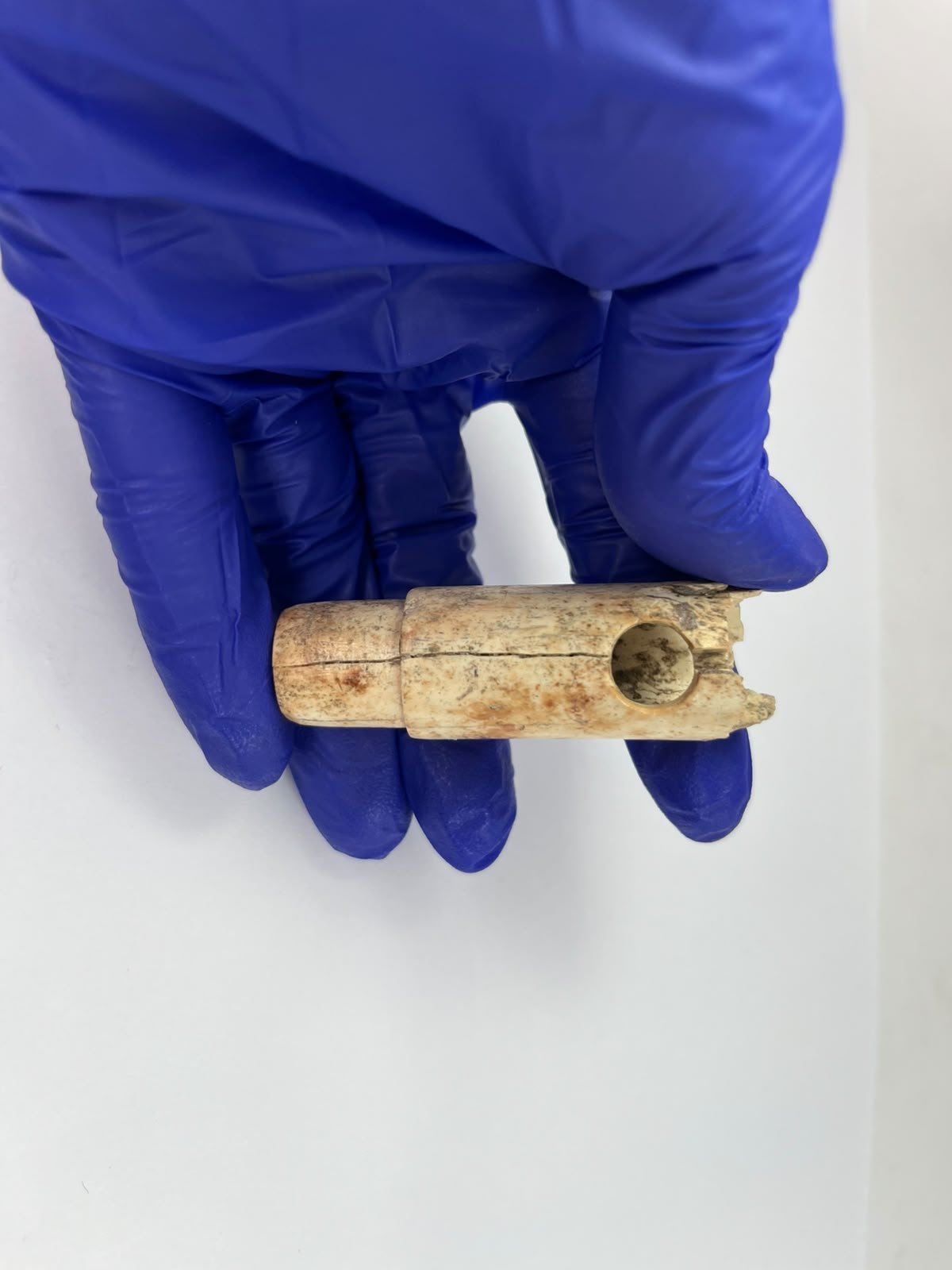
The artifact was revealed to the public through official channels, highlighting a growing intersection between high-profile cultural announcements and digital media. Though the object bears the visible signs of heavy fragmentation typical of ancient organic remains, its identification as a wind instrument has electrified classical scholars and music archaeologists alike.
Contextualizing the Find: Music in the Shadow of Epic Poetry
The timing of the discovery resonates powerfully with recent cultural and cinematic revivals of ancient Greek aesthetics. In contemporary media, directors and composers have increasingly sought to ground period pieces in historically informed soundscapes. A prominent example occurred in recent cinematic scoring, where composer Ludwig Göransson utilized reproductions of the aulos—a traditional double-reeded wind instrument ubiquitous in ancient Greece—to evoke the haunting, siren-like atmosphere of the ancient Mediterranean.
While modern composers must rely on replicas and theoretical reconstructions of ancient instruments, the newly discovered Trojan bone flute provides a tangible connection to the actual auditory experiences of the eighth century BC. Music held a central place in ancient Greek society, accompanying religious rituals, theatrical performances, athletic competitions, and epic recitations. Bards and rhapsodes frequently performed Homeric epics to the accompaniment of stringed instruments like the lyre or kithara, while wind instruments provided the emotive backdrops for civic and Dionysian festivities.
Finding a contemporary wind instrument in Troy suggests that the city’s inhabitants—far from living among the ruins of a forgotten mythological ghost town—were active participants in the vibrant musical culture of the broader Aegean and Anatolian spheres.
Archaeological Caution and Typological Debates
Despite the excitement surrounding the excavation, archaeological protocol demands rigorous scrutiny before definitive classifications are assigned. Scholars specializing in ancient organology—the study of musical instruments—have urged caution regarding the exact functional categorization of the artifact.
Independent analyses note that while the excavators have preliminarily classified the artifact as a flute, the precise sub-type remains open to debate. Without a complete hole count, structural diagrams, or comprehensive technological analyses published in peer-reviewed journals, matching the Trojan find to established typologies—such as the classic Hellenic aulos or a simpler shepherd’s pipe—is considered premature by some experts.
Ancient peoples across the Mediterranean and European continents frequently crafted simple aerophones from the hollow bones of birds and small mammals. Similar bone flutes have been recovered from diverse archaeological contexts, ranging from Paleolithic sites like the famous Geißenklösterle flute in Germany to Bronze Age settlements across Britain and the Near East. However, the unique significance of the Trojan specimen lies not merely in its material construction, but in its specific geographic and historical provenance. Recovering a playable or semi-playable acoustic tool from a site saturated with such deep literary and historical mythology provides a rare anchor for interdisciplinary research.
Broader Implications for Homeric Studies and Aegean Archaeology
The discovery of the bone flute contributes to a broader re-evaluation of eighth-century BC Troy. For decades, traditional historiography treated the strata corresponding to the post-Mycenaean period as a period of relative decline, casting doubt on the historical plausibility of a thriving urban center during the era when Homer presumably lived and worked.
Recent excavations, however, have painted a far more dynamic picture. Archaeologists have uncovered evidence of continuous habitation, active trade networks, and sophisticated craftsmanship that persisted long after the famous conflagrations and destructions depicted in bronze-age legends. The presence of a musical instrument indicates a society with sufficient leisure, cultural refinement, and artistic expression to cultivate instrumental music.
Furthermore, the artifact enriches ongoing academic discussions regarding the oral-formulaic composition of the Homeric epics. As linguists and classicists continue to reconstruct the original sounds, meters, and musical accompaniments of ancient Greek verse, physical artifacts from the Troad offer vital context. They remind modern audiences that The Iliad and The Odyssey were not merely texts to be silently read, but living, breathing auditory performances embedded in a rich sensory landscape of sound, chant, and instrumentation.
As conservationists work to stabilize and analyze the fragile bone fragment, plans are expected to be made for its eventual exhibition within Turkey’s network of world-class archaeological museums. For historians, musicians, and lovers of classical antiquity alike, the 2,800-year-old artifact from Troy sounds a clear, resonant note from a distant past, proving that the ancient world continues to speak—and play—to the present day.