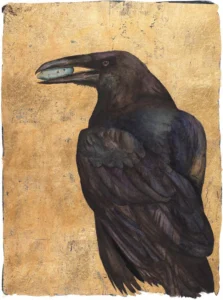
The publication of Song of the Cedars marks a definitive intersection between environmental jurisprudence, literary innovation, and biological advocacy. The book, co-authored by prominent environmental thinkers Robert Macfarlane, Giuliana Furci, César Rodríguez-Garavito, and soundscape artist Cosmo Sheldrake, represents a singular moment in contemporary ecological literature. By formally crediting the Los Cedros Cloud Forest of Ecuador as a co-author, the project elevates the status of a living ecosystem from a passive subject of conservation to an active, legally recognized entity. This development follows a landmark 2021 ruling by the Constitutional Court of Ecuador, which established that natural ecosystems possess inherent rights, effectively challenging the traditional anthropocentric framework of global law.
The Legal Precedent: The Rights of Nature in Ecuador
The journey toward the recognition of the Los Cedros Cloud Forest began long before the 2021 court ruling. In 2008, Ecuador became the first nation in the world to codify the "Rights of Nature" (Pachamama) into its national constitution. Article 71 of the Ecuadorian Constitution states that nature, or Pacha Mama, has the right to exist, persist, maintain, and regenerate its vital cycles, structures, functions, and its processes in evolution.
For years, the Los Cedros Cloud Forest—a biodiversity hotspot covering approximately 6,500 hectares in the Intag Valley—faced existential threats from mining concessions. The legal battle to protect this region culminated in the Constitutional Court’s 2021 decision, which revoked mining permits on the grounds that such industrial activity violated the rights of the forest. The court’s ruling was not merely a local victory; it set a global precedent for the legal standing of non-human entities. By affirming that the forest has the right to flourish, the court provided a roadmap for environmental litigation worldwide, shifting the focus from "sustainable management" to the intrinsic right of ecosystems to remain undisturbed.

Chronology of a Legal and Literary Milestone
- 2008: Ecuador adopts a new constitution, becoming the first country to formally grant legal rights to nature.
- 2017: A legal challenge is filed against the Ecuadorian government to halt mining concessions within the Los Cedros protected forest area.
- 2021: The Constitutional Court of Ecuador issues a historic ruling, protecting the Los Cedros Cloud Forest and reinforcing the legal personhood of ecosystems.
- 2026: The publication of Song of the Cedars is announced, serving as a cultural and artistic extension of the legal victory, featuring the forest itself as a co-author.
Analyzing the Collaborative Authorship
The inclusion of the Los Cedros Cloud Forest as a co-author is a deliberate act of conceptual and legal re-framing. The authors—Robert Macfarlane, an acclaimed nature writer; Giuliana Furci, a mycologist and founder of the Fungi Foundation; César Rodríguez-Garavito, a scholar of human rights and nature; and Cosmo Sheldrake, a musician—each represent different facets of the modern environmental movement.
Giuliana Furci’s contribution is particularly notable for her advocacy regarding the "funga." By ensuring that fungi are recognized as a third pillar of biodiversity alongside flora and fauna, she has altered the taxonomic lens through which researchers view ecosystems. The inclusion of the forest as an author suggests that the "voice" of the ecosystem is composed of the complex, rhizomatic interactions between these three pillars. From a legal standpoint, this collaborative authorship mirrors the efforts of activists who argue that if a corporation can be considered a "legal person," then a functioning, life-sustaining ecosystem should be granted similar, if not superior, legal standing.

Supporting Data: Biodiversity in the Cloud Forest
The Los Cedros Cloud Forest is not merely a symbolic site; it is a critical repository of global biodiversity. The region is home to a staggering number of species, many of which are endemic to the Andean cloud forests. According to environmental data provided by the reserve’s research initiatives, the forest hosts:
- Flora: Thousands of species of orchids, bromeliads, and mosses that provide the essential architecture of the canopy.
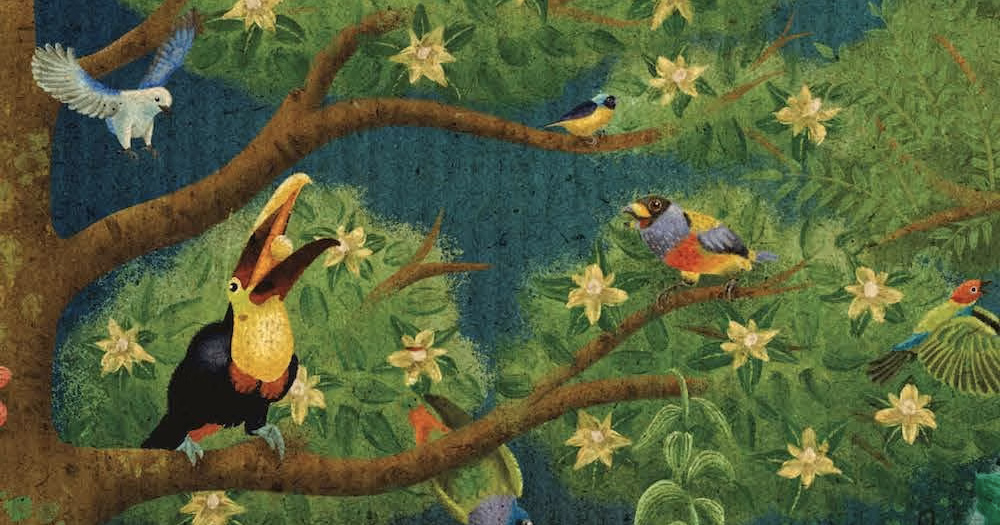
- Fauna: High densities of threatened species, including the spectacled bear (Tremarctos ornatus), the brown-headed spider monkey (Ateles fusciceps), and the long-wattled umbrellabird.
- Funga: A largely under-cataloged kingdom that acts as the primary decomposer and nutrient recycler for the forest floor.
The publication of Song of the Cedars includes a detailed index of 81 specific creatures, ranging from the ocelot to the rosy flannel moth, providing a scientific baseline for the forest’s existence. This serves as a vital record for researchers and policymakers, emphasizing that the "right to exist" granted by the court is a right for thousands of distinct, interdependent biological agents.

Official and Scientific Responses
The legal and scientific community has largely viewed the Ecuadorian decision and subsequent cultural projects like Song of the Cedars as a paradigm shift. Human rights activists and environmental law experts have suggested that this model of "rights-based conservation" is the most effective way to combat the current biodiversity crisis.
"The case of Los Cedros is the most significant development in the history of environmental law in the twenty-first century," stated a lead advocate associated with the litigation. "It moves us away from viewing the environment as a warehouse of resources to viewing it as a partner in survival."

While industry proponents and some government officials initially opposed the ruling, fearing the impact on extractive economies, the international consensus has grown increasingly supportive. Organizations such as the United Nations have pointed to the Ecuadorian example as a model for "Harmony with Nature" initiatives.
Broader Impact and Implications for Global Policy
The implications of this movement are far-reaching. As the climate crisis accelerates, the pressure on global governments to define nature’s legal status is mounting. The strategy employed by the authors of Song of the Cedars—using literature, art, and sound to bridge the gap between abstract law and lived experience—is intended to foster a broader societal shift.

If humanity adopts the view that it is part of a "mesh of mutuality," as the authors suggest, the legal frameworks governing land use, carbon emissions, and resource extraction must necessarily evolve. The project posits that when we recognize the "personhood" of an environment, we are not just protecting a patch of trees; we are securing the ecological foundations of our own future.
Furthermore, the integration of artistic expression into academic and legal discourse serves as a form of cultural translation. By documenting the "song" of the forest—the acoustic, biological, and temporal patterns of the region—the authors invite the public to engage with the environment through empathy rather than purely through the utilitarian lens of climate statistics.

Conclusion
Song of the Cedars stands as a testament to the idea that the preservation of nature is not an act of charity, but an act of essential self-preservation. As the world continues to grapple with the degradation of critical ecosystems, the Los Cedros model—and the artistic collaboration that has immortalized its legal victory—offers a path forward. It suggests that the future of environmental policy may rely as much on our capacity to "listen to the trees" as it does on our ability to write effective, binding, and transformative law. The book effectively functions as a manifesto for a new era, one where the rights of the living world are held as sacred as the rights of the individuals who inhabit it.