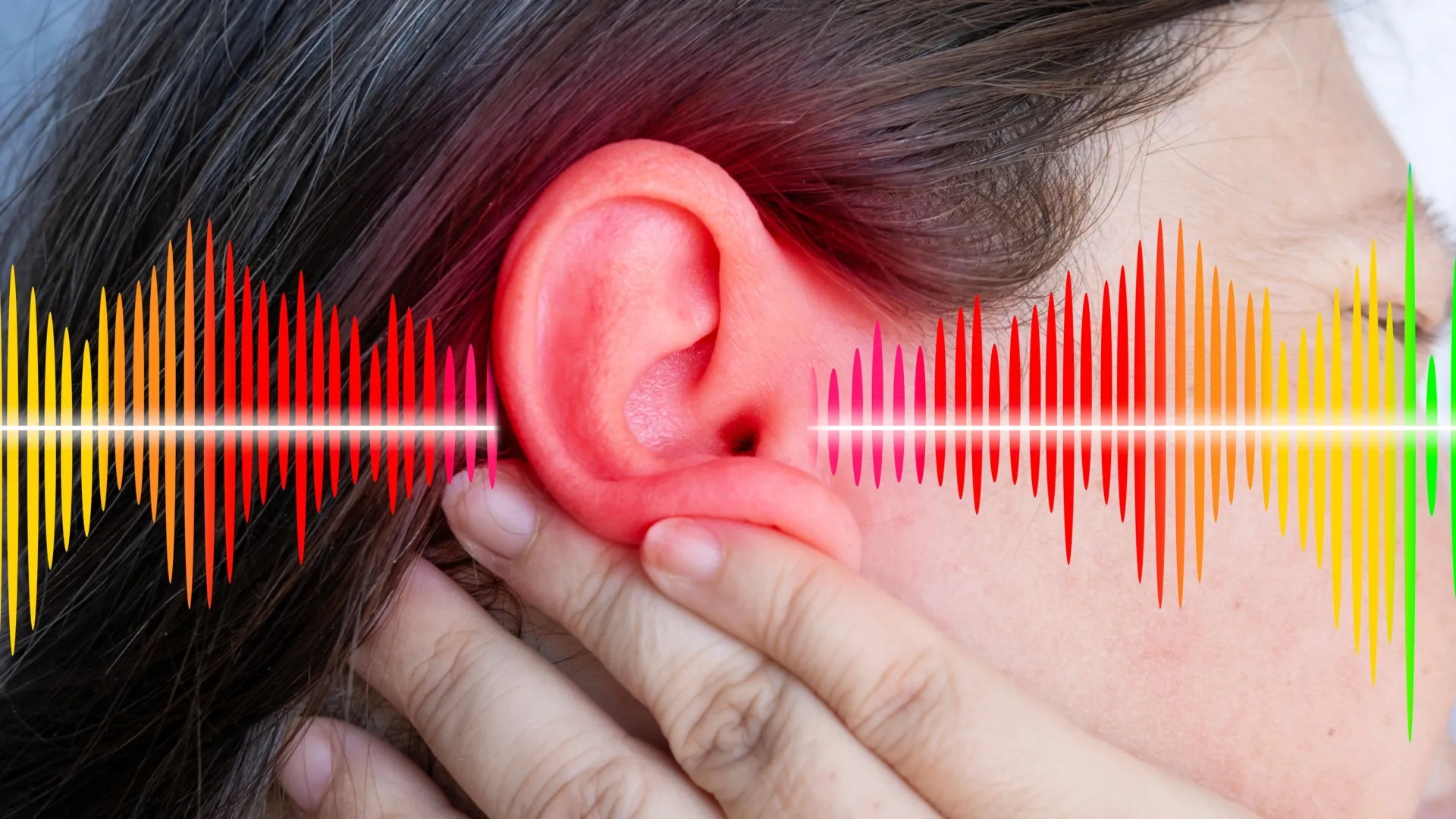
A novel, non-invasive medical device that delivers gentle electrical pulses through the ear is emerging as a promising, albeit early-stage, intervention for patients struggling with persistent high blood pressure. In a clinical trial spearheaded by researchers at Queen Mary University of London, the technology—known as transcutaneous autonomic neuromodulation (tAN)—demonstrated significant safety and high levels of patient adherence, suggesting a future where home-based nerve stimulation could complement traditional pharmaceutical regimens for those whose hypertension remains stubbornly high despite multiple medications.
The findings, published in the American Heart Association’s journal Hypertension, arise from the SCRATCH-HTN trial. While the study did not achieve its primary endpoint of statistically significant blood pressure reduction across the entire cohort of 63 participants, the data revealed a compelling signal: patients entering the study with the most severe hypertension experienced a clinically meaningful drop in blood pressure when treated with active stimulation compared to those using a sham device.
The Mechanism of Transcutaneous Autonomic Neuromodulation
At the core of this experimental treatment is the regulation of the autonomic nervous system, the complex network that governs involuntary physiological processes, including heart rate, vascular resistance, and digestive functions. In many hypertensive patients, this system exists in a state of chronic overactivity, leading to sustained blood vessel constriction and elevated pressure.
The device, developed by Afferent Medical Solutions, is designed to bypass the need for surgical implants—which have been tested in the past but carry significant risks. Instead, it utilizes two small, non-invasive clips attached to the tragus, the cartilaginous flap situated at the entrance of the ear canal. By delivering mild electrical signals directly to the auricular branch of the vagus nerve, the device aims to modulate the autonomic system, shifting it toward a more balanced state and, theoretically, lowering blood pressure. This approach represents a shift in cardiovascular medicine toward bioelectronic therapy, which seeks to treat chronic disease by "hacking" the body’s electrical signaling rather than relying solely on chemical intervention.
Chronology of the SCRATCH-HTN Trial
The journey toward these results began with a structured assessment of 63 individuals, all of whom suffered from uncontrolled hypertension—meaning their blood pressure remained above clinical targets despite adherence to prescribed antihypertensive medications. The study was funded by the National Institute for Health and Care Research (NIHR), reflecting a growing interest in public health sectors to find scalable, low-cost alternatives for cardiovascular management.
The trial protocol was rigorous:
- Randomization: Participants were split into two groups—an active stimulation group and a sham group. The sham device provided the tactile sensation of the clips without delivering active electrical currents, allowing researchers to control for the psychological effects of using a medical device.
- Initial Phase: For the first two weeks, participants utilized their assigned devices for 30 minutes daily. This intensive phase was designed to calibrate the biological response to the nerve stimulation.
- Maintenance Phase: For the subsequent 10 weeks, the regimen was reduced to a once-weekly session.
- Data Collection: Researchers monitored blood pressure fluctuations throughout the 12-week period, looking for deviations from baseline readings in both the active and control groups.
Analyzing the Findings: Success vs. Statistical Significance
The primary challenge identified by the research team was the lack of a universal response across all 63 participants. When the data from the entire group was aggregated, the difference between the active and sham arms did not reach the threshold for statistical significance. In clinical research, this is a common hurdle for early-stage trials, often due to the heterogeneity of patient populations. Hypertension is a multifaceted condition driven by genetics, lifestyle, diet, and age, making it difficult to find a "one-size-fits-all" solution.
However, the "prespecified subgroup analysis" provided a different perspective. By isolating the patients with the most severe, hard-to-control hypertension, the data showed a clear, measurable divergence. The active group displayed lower blood pressure readings than their counterparts in the sham group, providing a scientific basis for the hypothesis that this technology may be most effective in high-risk patients who have exhausted standard treatment options.
Dr. Ajay Gupta, the Chief Investigator and a Consultant Physician at Barts Health NHS Trust, framed these results as a pivotal moment for bioelectronic research. "This is an exciting, highly patient-acceptable technology that could ultimately provide a cheap, scalable solution for millions," Dr. Gupta stated. He emphasized that while the broader cohort did not yield a universal result, the clear reduction in the severe-hypertension subgroup provides a roadmap for future, larger-scale investigations.
The Burden of Resistant Hypertension
Hypertension remains a leading cause of global morbidity, serving as a primary driver for heart attacks, strokes, kidney disease, and vascular dementia. According to the World Health Organization (WHO), an estimated 1.28 billion adults aged 30–79 years have hypertension worldwide, and nearly half are unaware they have the condition. For those who are diagnosed and treated, "resistant hypertension"—where blood pressure remains uncontrolled despite the use of three or more antihypertensive medications—remains a significant clinical challenge.
The implications of the SCRATCH-HTN study are twofold. First, it addresses the "pill fatigue" experienced by many patients who are already burdened by complex medication schedules and their associated side effects. A wearable device that can be managed from home offers a level of autonomy and convenience that could significantly improve long-term treatment adherence. Second, it highlights the potential for non-invasive neuromodulation to serve as an "add-on" therapy, potentially reducing the total dose of medication required by a patient, thereby mitigating the systemic side effects of chronic pharmaceutical use.
Looking Toward Future Clinical Trials
Despite the optimism surrounding these results, the research team is cautious. The SCRATCH-HTN study was relatively small, and the positive findings in the severe-hypertension subgroup are considered "hypothesis-generating" rather than definitive proof of efficacy.
To move toward regulatory approval and clinical implementation, several milestones must be met:
- Larger Sample Sizes: Future trials will need to enroll hundreds or thousands of patients to confirm that the observed benefits in severe cases are consistent and reproducible across diverse populations.
- Long-Term Durability: The current study lasted 12 weeks. Cardiovascular outcomes are measured over years; researchers need to determine if the blood pressure reduction persists with continued, long-term use of the ear stimulation device.
- Mechanism Optimization: Further research is required to determine the optimal frequency, duration, and intensity of the electrical pulses. Identifying the precise "dosage" of nerve stimulation could be key to achieving consistent results.
- Cost-Benefit Analysis: While the technology is theoretically cheap to manufacture, healthcare systems require a clear economic argument—demonstrating that the device reduces the long-term cost of heart-related hospitalizations and chronic care.
The Path Forward
The integration of medical devices into the management of chronic conditions is a growing trend, often referred to as "Digital Therapeutics." By combining electrical engineering with clinical medicine, researchers are opening doors to therapies that do not interact with the liver or kidneys, potentially offering a safer profile for elderly patients or those with multiple comorbidities.
The work at Queen Mary University of London serves as a foundational study in this field. By proving that the device is safe, well-tolerated, and practical for home use, the team has cleared the most significant initial hurdles. The shift from a broad-population approach to a targeted, precision-medicine model—focusing on the most severe cases—appears to be the most viable path for the technology’s future.
As the global medical community continues to grapple with the rising prevalence of chronic lifestyle diseases, innovations that leverage the body’s own regulatory systems will likely play an increasingly important role. While it is premature to suggest that ear clips will replace blood pressure pills in the immediate future, the SCRATCH-HTN trial represents a significant step toward a more versatile and personalized approach to managing one of the world’s most pervasive health threats. The upcoming phase of research will be critical in determining whether this elegant, non-invasive solution can transition from a promising experimental trial to a standard feature of modern cardiovascular care.