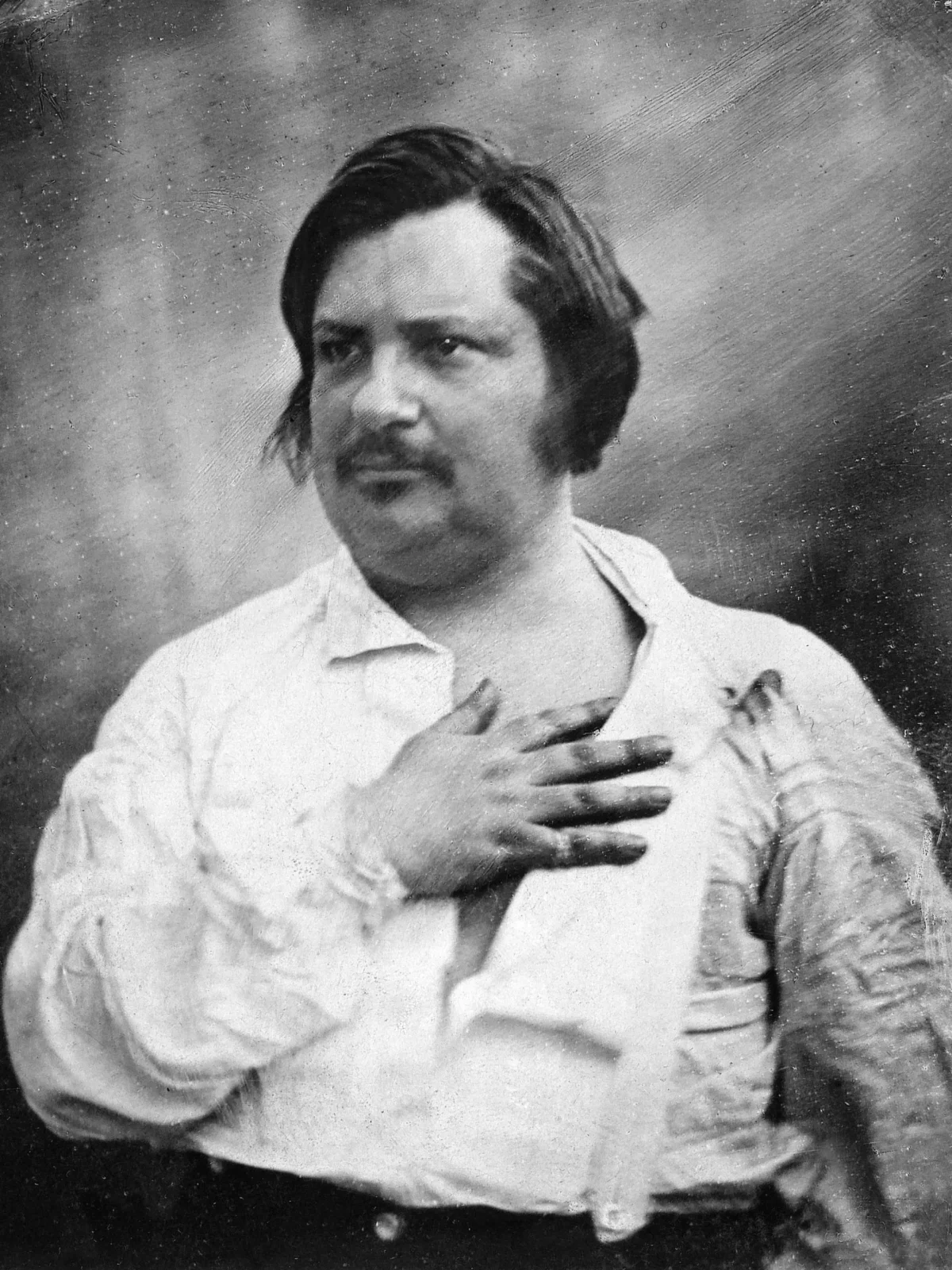
The enduring legacy of French literary giant Honoré de Balzac is built as much upon his astonishing output as it is upon the frantic, caffeine-fueled lifestyle that made it possible. Living from 1799 to 1850, Balzac penned a vast interconnected sequence of novels and stories known collectively as La Comédie humaine (The Human Comedy), which vividly portrays French society in the period of the Bourbon Restoration and the July Monarchy. Yet, the sheer volume of his literary creation—encompassing thousands of distinct characters and dozens of multi-layered novels—remains intimately tied to a legendary and perilous dietary regimen. At the core of this routine was an extreme, almost industrial consumption of coffee, a stimulant he credited with marshaling his intellectual forces for nocturnal battles against deadlines and creative inertia.
Main Facts of the Literary Workaholic
Balzac’s creative output was staggering by any historical metric, but it demanded a punishing physical toll. Working primarily through the dead of night, the author maintained a schedule that defied conventional human biology. His typical day began between midnight and 2:00 a.m., at which point he would sit at his desk to compose manuscripts by candlelight using a quill. He would write continuously at a relentless pace until morning. Following a brief nap, he would resume writing until approximately 4:00 p.m., after which he would partake in an early evening dinner before repeating the cycle.
Central to this grueling routine was his consumption of coffee. While popular biographical lore often cites a figure of up to 50 cups of coffee per day, historians and literary scholars note that this quantity served as the primary engine for his grueling work sessions. To maximize the stimulant’s effects, Balzac concocted a proprietary blend of coffee beans sourced from Martinique, Bourbon (now known as Réunion Island), and Mocha. Rather than enjoying a leisurely brew, he preferred a dense, finely pulverized concoction brewed with as little water as possible, consumed entirely on an empty stomach.
Chronology of an Obsession: From Life to Legacy
The chronology of Balzac’s stimulant-driven routine spans his entire professional career, intensifying as his financial debts and publishing commitments mounted. Faced with the pressure of producing serial novels to satisfy creditors and publishers, Balzac increasingly relied on substances to maintain his superhuman writing tempo.
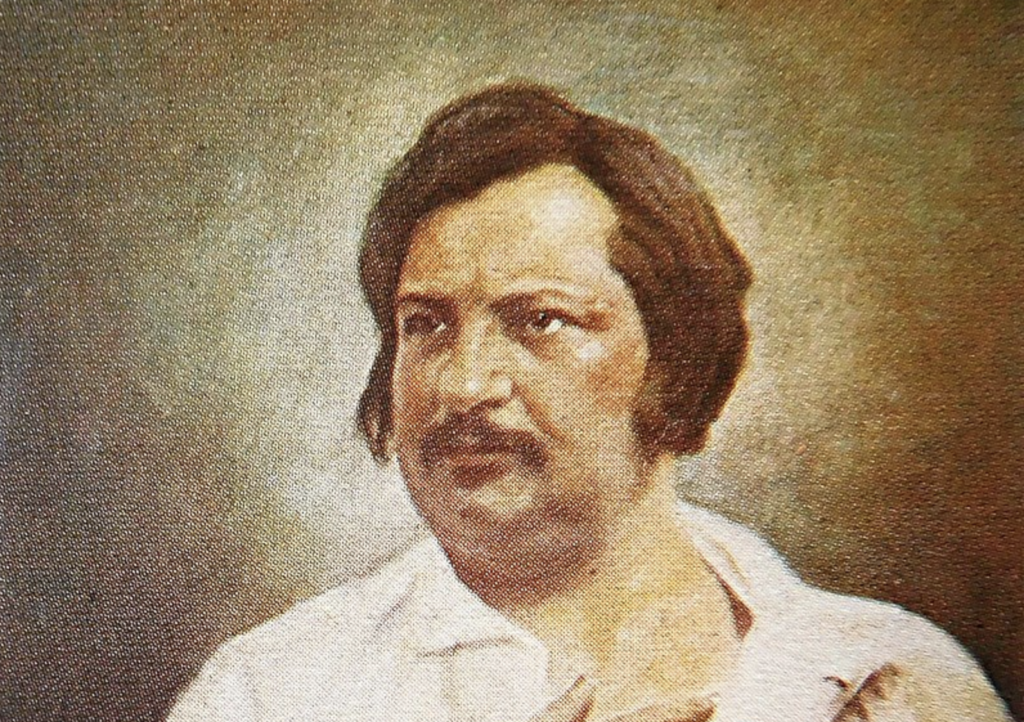
His philosophy on stimulants was eventually formalized in print. In his essay Traité des excitants modernes (Treatise on Modern Stimulants), appended to Jean Anthelme Brillat-Savarin’s celebrated work on gastronomy, Physiologie du goût, Balzac detailed the physiological and psychological effects of coffee, tobacco, and alcohol. He described the impact of his preferred brutal coffee preparation method in vivid military metaphors, writing that under its influence, "ideas quick march into motion like battalions of a grand army to its legendary fighting ground, and the battle rages."
Decades after the author’s death at the remarkably young age of 51 in August 1850—an early demise widely attributed by medical historians to cardiovascular failure brought on by extreme exhaustion and caffeine toxicity—his devotion continued to inspire subsequent generations. Among the most notable adherents to Balzac’s lifestyle was William Hobart Royce, an American bookseller’s assistant who discovered the French author’s work as a teenager. Royce evolved into the foremost American Balzac scholar of the early twentieth century. In a 1933 profile for The New Yorker, journalist Alva Johnston documented how Royce had intentionally adopted Balzac’s habits, including taking snuff, smoking Latakia tobacco, and drinking vast quantities of coffee during late-night and early-morning work sessions, after convincing himself of their efficacy through personal trial.
Supporting Data and Historical Context
The historical record indicates that the nineteenth century was an era of rising caffeine consumption across Europe, driven by the expansion of global trade routes connecting colonial plantations with metropolitan centers. However, Balzac’s consumption stood well outside the social norms of his day.
According to biographical analyses, Balzac’s daily intake of coffee was not merely a culinary preference but an essential economic tool. The author operated under chronic financial distress, driven by failed publishing ventures, expensive tastes, and the acquisition of properties he could ill afford. To service his debts, he was forced to sign contracts requiring simultaneous delivery of multiple manuscripts. In 1836, for example, he was juggling serializations for several Parisian newspapers while drafting major novels. The physical demand of generating tens of thousands of words per month necessitated extreme physiological interventions.
Medical and nutritional data from the era, paired with modern toxicological understanding, underscore the severity of Balzac’s habit. Consuming high concentrations of caffeine on an empty stomach triggers a massive surge of cortisol and adrenaline, elevating heart rate, blood pressure, and metabolic rate. Over years of chronic repetition, this pattern exacts a severe toll on the cardiovascular system. Biographers note that Balzac suffered from frequent gastrointestinal distress, severe headaches, and chronic heart palpitations—ailments he continually attempted to offset with further stimulants or temporary periods of strict vegetarianism and rest, which ultimately proved insufficient to prevent his premature death.
Statements and Cultural Implications
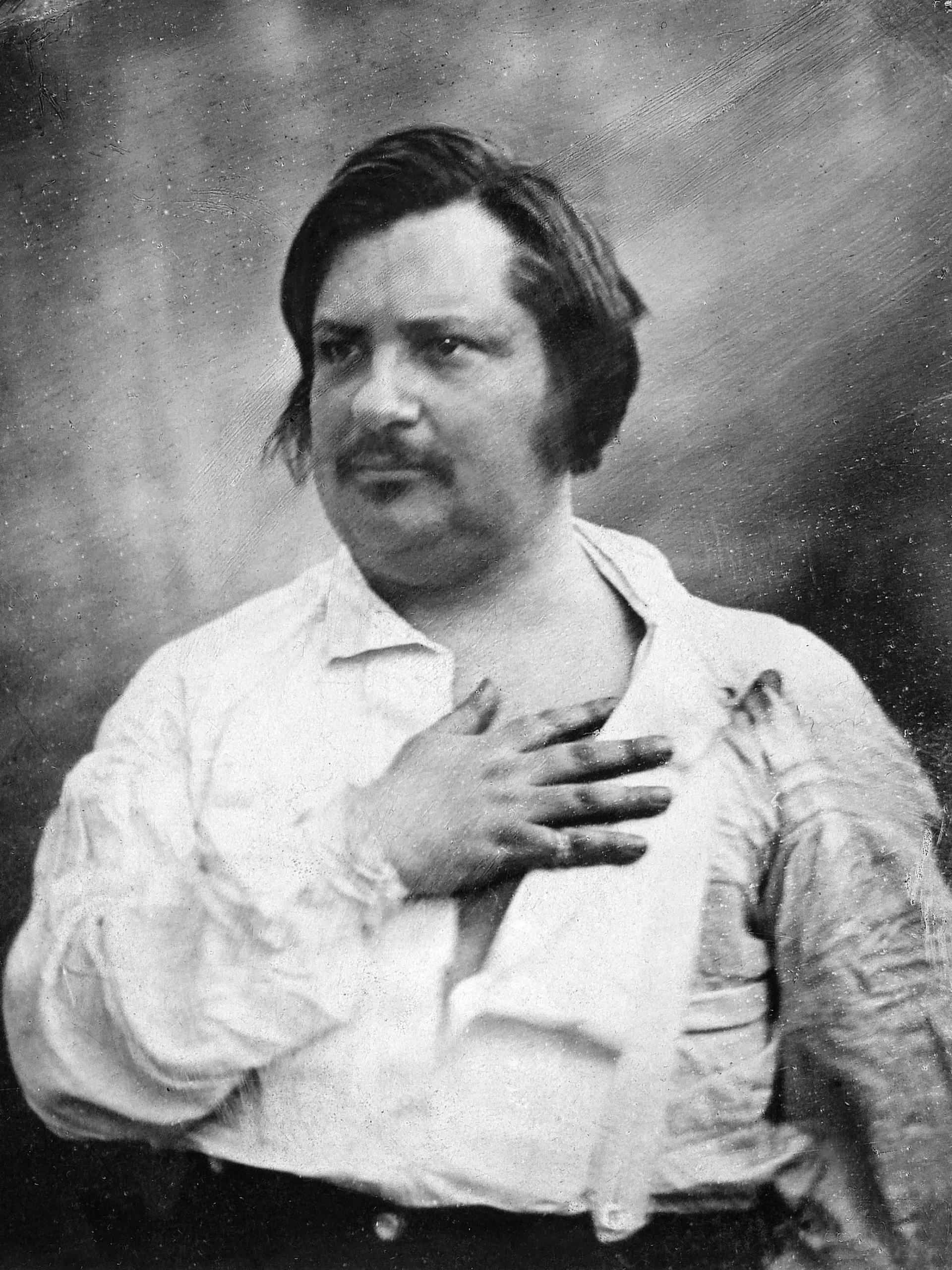
Literary critics and historians examining Balzac’s career generally view his stimulant abuse through a dual lens: as a cautionary tale of artistic self-destruction and as a testament to the lengths to which creative obsession can drive an individual.
In academic circles, La Comédie humaine is analyzed not just as a monument of realism but as an unprecedented psychological map of post-revolutionary French capitalism. Scholars point out that the structural complexity of Balzac’s universe—where characters recur across dozens of independent novels—demanded a level of sustained concentration that few writers have ever attempted to replicate.
Cultural commentators have frequently revisited Balzac’s relationship with coffee to explore the broader theme of the tortured genius. From biographical films, such as those featuring actor Paul Giamatti portraying the author’s frenetic, coffee-dependent state, to modern cultural essays examining the modern knowledge worker’s reliance on caffeine and nootropics, Balzac remains the archetype of the hyper-productive intellectual operating on borrowed time.
Broader Impact and Modern Relevance
The legacy of Honoré de Balzac extends far beyond the academic study of nineteenth-century French literature. His extreme writing routine highlights a perennial tension in artistic and intellectual labor: the friction between creative output and physical well-being.
In contemporary discussions surrounding workplace productivity, burnout, and the normalization of stimulant use—ranging from traditional coffee culture to modern prescription nootropics among tech workers and academics—Balzac’s life serves as both a historical curiosity and a stark warning. While his methods undeniably yielded a body of work that secured his immortality in the literary canon, they also demonstrated the severe biological limits of human endurance.
Ultimately, Balzac’s relationship with coffee remains one of literary history’s most potent symbols. It encapsulates the paradox of creation, where the very substances that liberate the imagination can simultaneously accelerate the physical decline of the creator. As new generations of readers and writers continue to discover The Human Comedy, the specter of Balzac at his midnight desk, surrounded by empty coffee pots and drifting tobacco smoke, endures as an indelible image of artistic dedication pushed to its absolute limit.