The political landscape of Michigan’s 7th Congressional District is being rewritten at diners, community center meetings, and over tables lined with fast food. In a state caught in the crosshairs of a massive infrastructure and technology boom, a profound wave of anti-development sentiment has united unlikely bedfellows. Marjorie Steele, a political independent running an activist group opposing large-scale industrial developments, spent months locking horns with green energy advocates and mainstream politicians alike. Yet, her trajectory shifted when she sat down for a meal of Jimmy John’s with William Lawrence, a 36-year-old Democrat and co-founder of the national Sunrise Movement, who is currently waging a high-stakes campaign for the U.S. House of Representatives.
Steele, founder of the Economic Development Responsibility Alliance, had spent years campaigning against a Chinese electric vehicle battery plant near Big Rapids, solar farms, battery storage units, and high-voltage transmission lines. To many progressive climate hawks, her resistance to renewable projects categorized her as a conservative obstructionist. But Lawrence—himself a veteran of aggressive, top-down climate activism—listened as Steele cataloged the local disruptions of heavy infrastructure: noise pollution, the swallowing of prime agricultural land, and a perceived disregard for local voices.
What followed was an endorsement from an anti-development alliance that rarely backs major-party candidates. As the race in the Lansing area intensifies, it serves as a critical stress test for American politics: Can a progressive climate organizer turn cross-partisan frustration over rapid, heavy industrialization into a viable electoral coalition, and what does that mean for the broader nationwide transition away from fossil fuels?
The Data Center Boom and Infrastructure Fatigue in Michigan
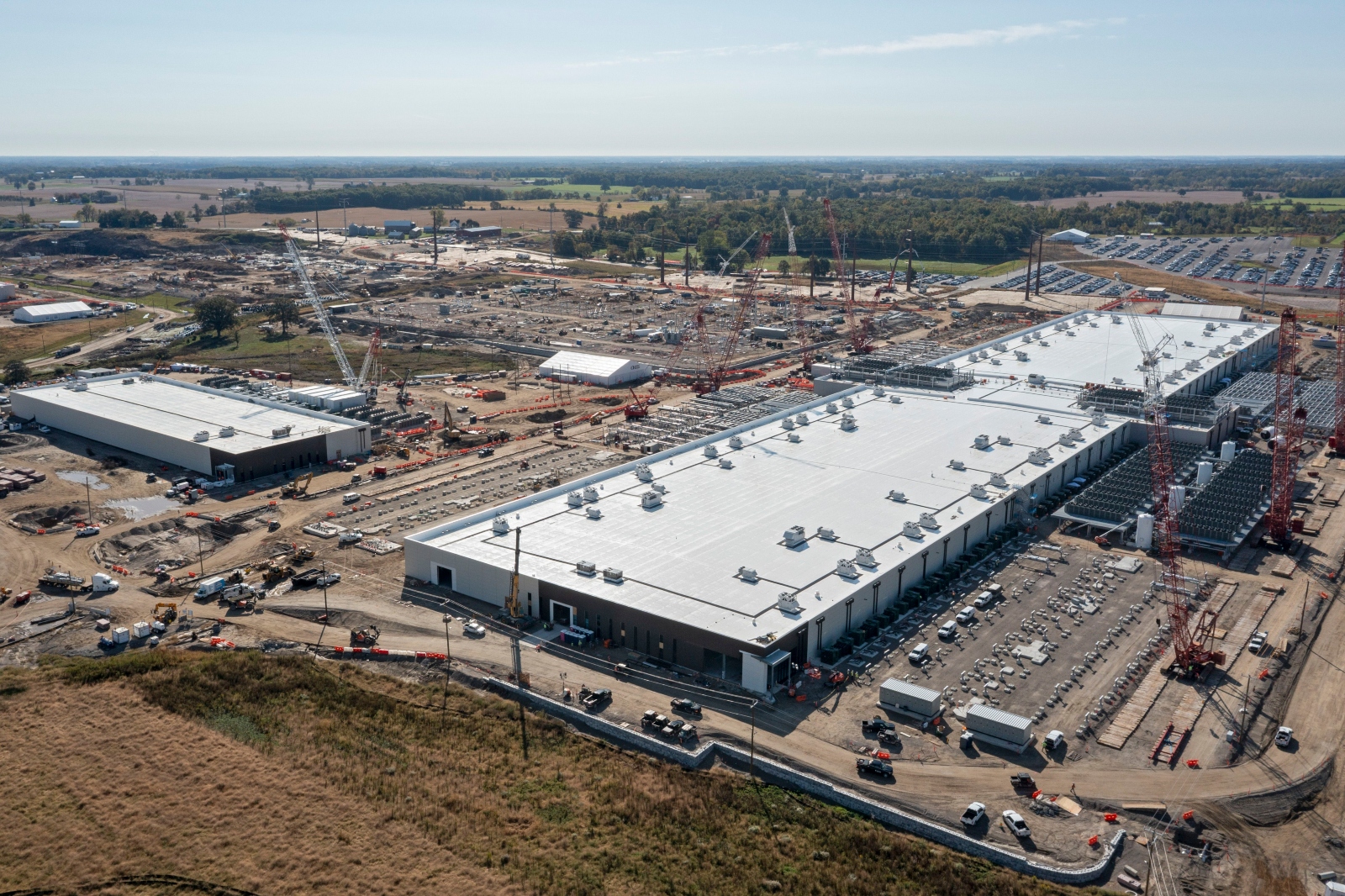
To understand the friction in Michigan’s 7th District, one must examine the unprecedented wave of large-scale infrastructure projects descending upon local communities. Across the state, communities are grappling with an influx of hyperscale data centers—energy-hungry facilities required to power the artificial intelligence boom and cloud computing networks. Among them is a staggering $16 billion Oracle-OpenAI campus under construction in Saline Township, near Ann Arbor, alongside numerous smaller projects.
While proponents market these developments as engines of economic growth that generate short-term construction jobs and local tax revenues, local resistance has been fierce and bipartisan. Activists and residents worry about the immense strain these facilities place on local water supplies and the electrical grid, as well as the accompanying noise and light pollution. The backlash has successfully tanked projects such as the proposed Deep Green data center in downtown Lansing, which was withdrawn earlier this year despite developer promises to recycle waste heat and minimize water usage.
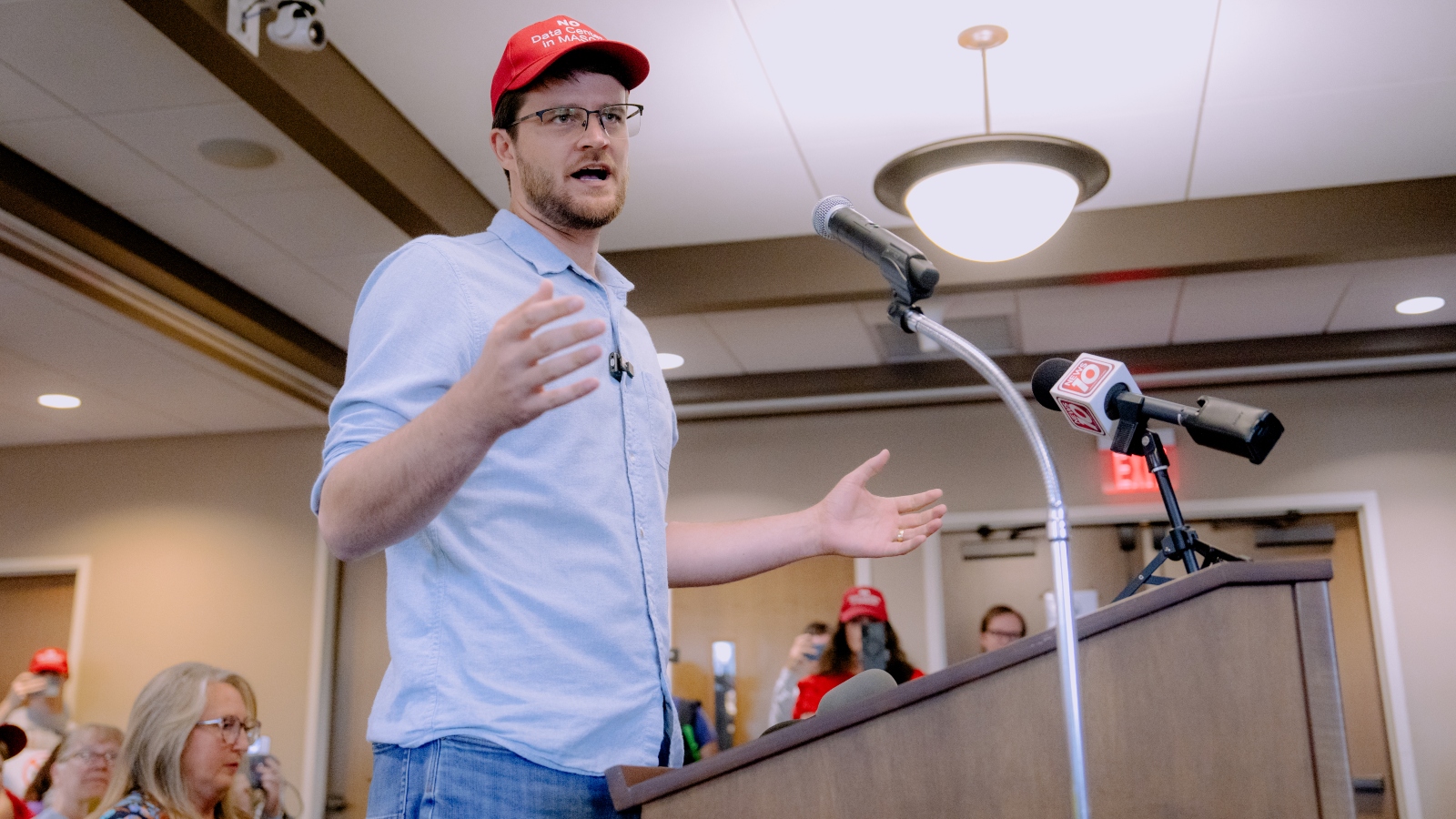
This resistance has not remained isolated to data centers. It has rapidly metastasized into what experts call "infrastructure fatigue," bleeding over into all forms of energy generation and transmission. Solar farms, wind turbines, battery energy storage systems, and high-voltage transmission lines—technologies considered essential for replacing fossil fuels—are increasingly facing local moratoria and zoning bans.
According to Ed Rivet, director of the Michigan Conservative Energy Forum, this bleed-over is unfortunate because renewable energy infrastructure offers long-term consumer benefits in terms of cost, reliability, and emissions reductions. Nevertheless, communities throughout the Midwest and along the Eastern Seaboard are pushing back, arguing that the footprint of these massive industrial projects alters the rural character of their neighborhoods without offering tangible, long-term benefits to the local populace.
A Legislative Flashpoint: The Battle Over State Preemption
The tension between state-level climate goals and local autonomy reached a boiling point in late 2023. With Michigan legally committed to transitioning its electrical grid to 100 percent clean energy by 2040, the state legislature passed a controversial law designed to bypass local roadblocks. Under this statute, if local governments pass zoning ordinances that ban or severely restrict renewable energy facilities, developers can bypass municipal hurdles and apply directly to the state government for siting approval.
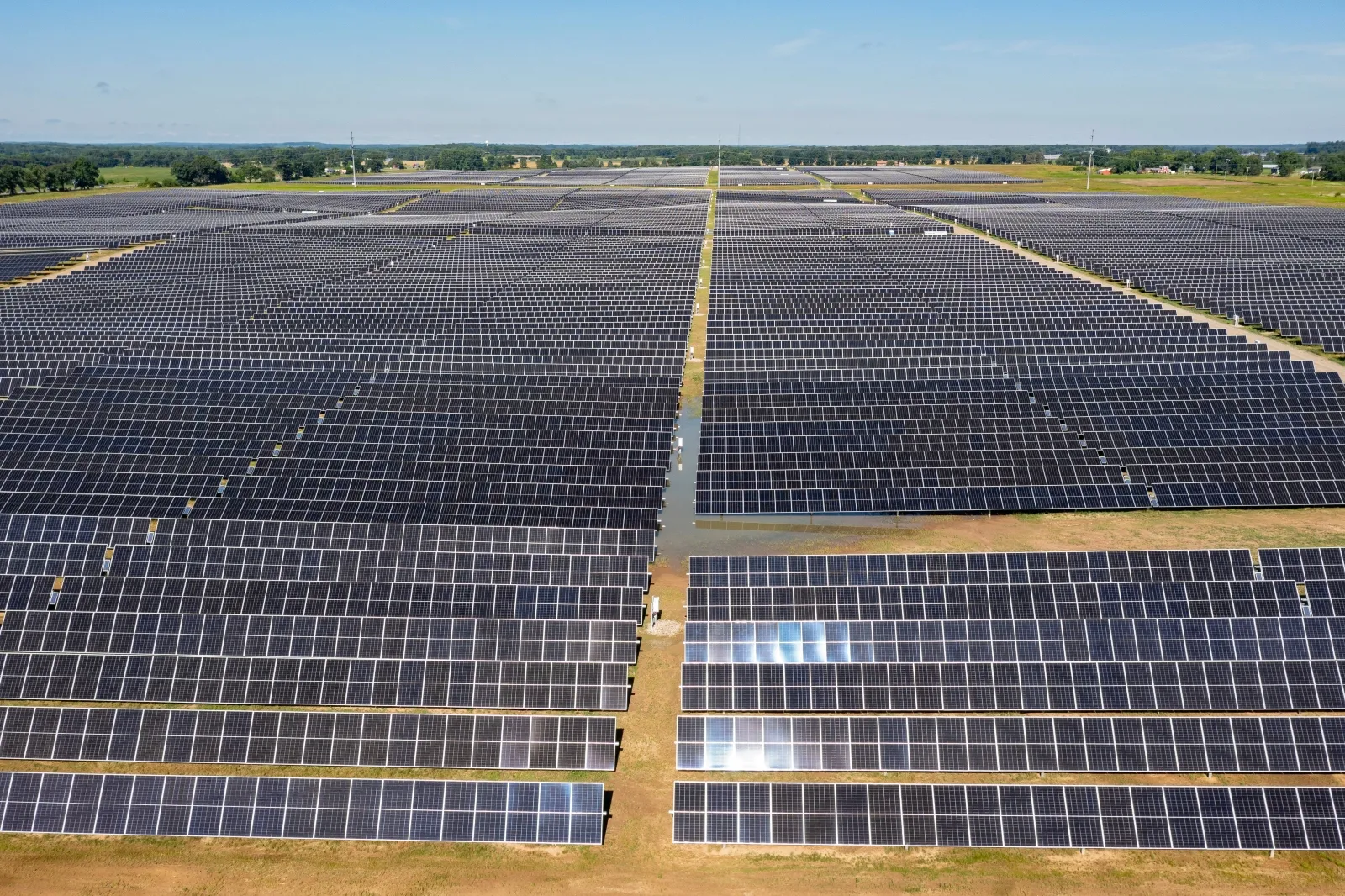
This preemption strategy has sharply exacerbated local grievances. The first project approved under this framework, the Assembly Solar project, recently completed construction on the eastern edge of Lawrence’s congressional district, outraging residents who felt their democratic agency had been stripped away by distant lawmakers in Lansing. Critics argue that the law empowers major utility companies to construct mega-projects without genuine community buy-in.
Lawrence has made opposition to this top-down approach a cornerstone of his campaign. Touring disrupted agrarian landscapes alongside local homeowners, Lawrence has publicly criticized the state solar preemption law, arguing that it alienates the very populations whose cooperation is required for a successful energy transition.
From Sunrise Radical to Community Organizer
Lawrence’s current populist message represents a sharp evolution from his past. In 2015, at the age of 25, he co-founded the Sunrise Movement, a youth-led political organization dedicated to urgent, disruptive climate action and sweeping federal intervention. Operating on the theory that climate change posed an existential threat requiring immediate state-directed mobilization, Lawrence and fellow activists organized a high-profile sit-in at then-House Speaker Nancy Pelosi’s office in November 2018, demanding the adoption of a Green New Deal.
During his early activist years, Lawrence’s vision of climate action was fundamentally top-down: the federal government would mandate and finance massive quantities of new energy infrastructure, reshaping the nation’s economy. However, after leaving the Sunrise Movement in 2020 and spending years working as a grassroots tenant organizer in Michigan, Lawrence underwent a profound ideological pivot.
"I think in that era, you know, we were thinking about the necessity of the outcome, and now I’m thinking more about what is necessary in the process," Lawrence reflected. "And I’m reckoning with just how little trust we all have."
This shift enabled Lawrence to connect with rural voters and political independents who view centralized authority—whether from corporate boardrooms or federal agencies—with deep suspicion. Securing 40 percent of the vote in the August Democratic primary, Lawrence bested centrist rivals, ultimately earning the backing of national Democratic congressional leaders who had initially viewed his candidacy with apprehension. He is now locked in a fiercely competitive, multimillion-dollar race against the Republican incumbent, Tom Barrett, in a district widely regarded as one of the most critical swing seats in the country.
The Economic and Technical Dilemma of Decentralized Energy
While Lawrence and anti-development activists like Steele advocate for a more localized, participatory approach to economic and infrastructure development, energy experts warn of severe practical limitations. Doug Bessette, a professor of energy development at Michigan State University, emphasizes the sheer scale of the engineering challenge required to decarbonize the power grid.
Michigan currently relies on approximately 14,000 megawatts of natural gas generation capacity. By contrast, typical "community solar" installations—smaller solar arrays favored by local preservation groups—generally generate between 1 and 5 megawatts. Furthermore, groups like Steele’s Economic Development Responsibility Alliance advocate for concepts like "agrivoltaics," which integrate farming beneath solar panels, and localized microgrids.
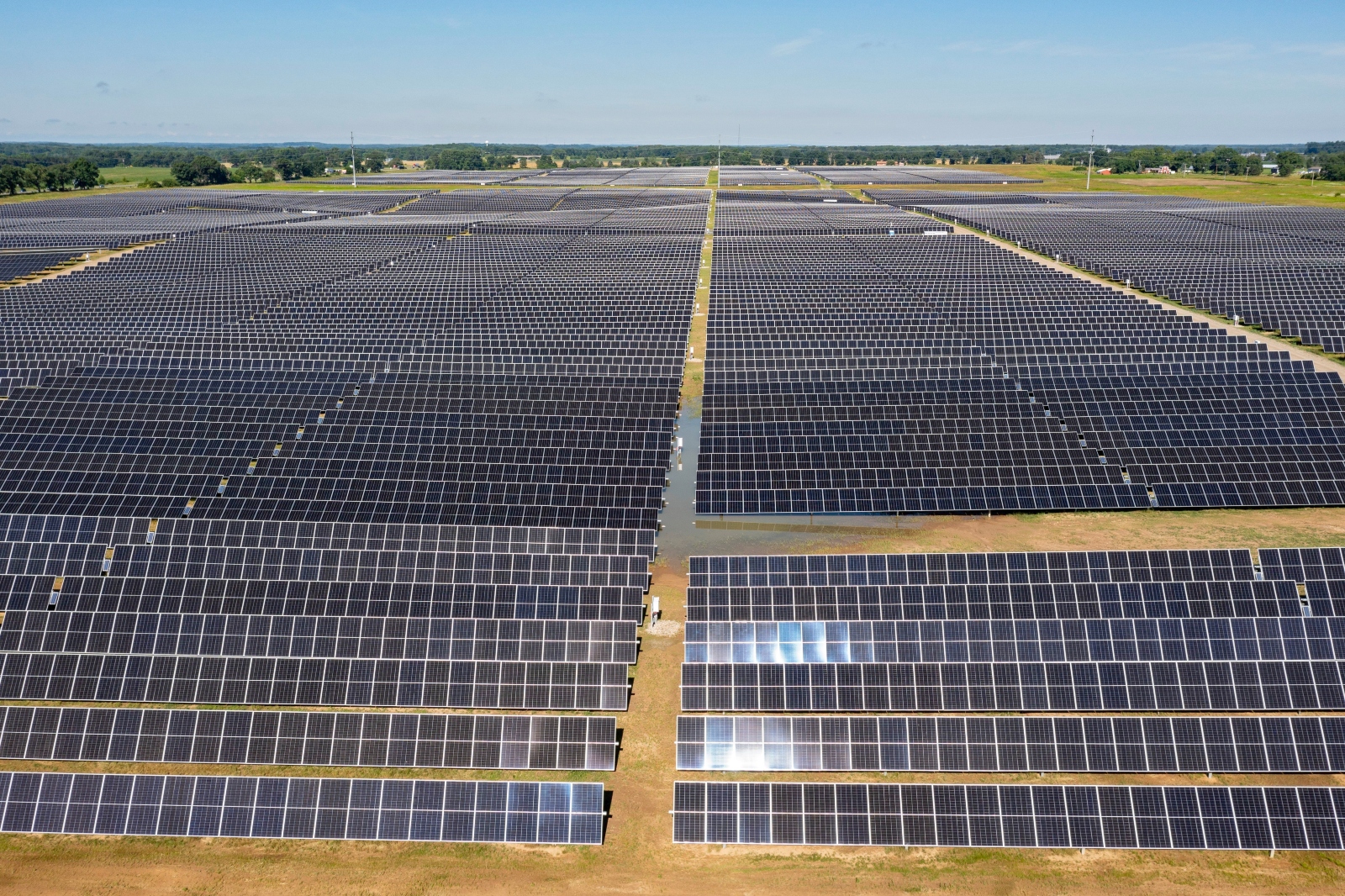
While Bessette acknowledges the value of these community-scale initiatives, he notes they are mathematically insufficient for a rapid industrial transition. "In order to fully transition our economy to clean energy, you have to build huge solar and huge wind and huge batteries and you have to do it fast," Bessette said. "The smaller-is-better approach honestly would be ineffective at actually mitigating emissions at the rate at which we need to do it—and would also be more expensive."
Proponents of large-scale deployment argue that slowing down or regionalizing the siting process could stall emissions reductions, driving up consumer electricity costs and jeopardizing climate targets.
Broader Implications for American Climate Policy
The political dynamics unfolding in Michigan’s 7th District highlight a profound strategic dilemma for the broader American climate movement. For years, mainstream environmental organizations have largely dismissed local resistance to renewable energy projects as either astroturfing funded by fossil fuel interests or mere NIMBYism (Not In My Back Yard).
Lawrence and a small cohort of organizers argue that this dismissive posture is politically fatal and fundamentally misdiagnoses the root problem: a broken model of American economic development. When multi-billion-dollar corporations or state governments impose industrial infrastructure onto rural communities without offering enduring economic dividends or local governance, public trust collapses.
Whether Lawrence’s cross-partisan coalition strategy can alter the outcome of a purple House race remains an open question. Republican incumbent Tom Barrett has similarly attempted to position himself as a skeptic of data center expansion, and political analysts like Michigan State University professor Jean Hardy suggest that anti-development sentiment is already so broadly bipartisan that it may not serve as a traditional partisan wedge issue.
Nevertheless, Lawrence’s campaign has exposed a vital truth for the future of American infrastructure: the physical transition away from fossil fuels cannot succeed without social license. Until policymakers devise new frameworks that share revenue, protect local resources, and genuinely empower communities to shape their own landscapes, every wind turbine, solar array, and transmission line will face an uphill battle. As Lawrence puts it, the defining question for the future of energy policy is how to connect the widespread public "no" to current industrial practices into an affirmative, collective "yes" for what communities actually want to build.