The aviation landscape in Greenland is undergoing a historic and unprecedented transformation, marked by multi-million-dollar infrastructure investments and a fundamental shift in how the world’s largest island connects with the global community. At the heart of this evolution is the government-owned flag carrier, Air Greenland, which has officially moved to double its mainline jet fleet. Following strategic announcements made in early 2025 regarding fleet modernization, the airline is now finalizing preparations for the operational launch of its newly acquired Airbus A320neo. This fleet expansion is not merely an acquisition of aircraft; it is a critical catalyst designed to capitalize on newly expanded runway capabilities, bypass historic geographical bottlenecks, and dramatically enhance air connectivity between Greenland and continental Europe.
Fleet Modernization and the Airbus A320neo Acquisition
For decades, Air Greenland’s fixed-wing passenger operations relied heavily on a modest fleet of turboprops supplemented by a solitary long-haul wide-body aircraft. Currently, the airline’s fixed-wing configuration consists of nine passenger aircraft: one Airbus A330-800neo and eight De Havilland Dash 8-200 turboprops, operating alongside a versatile fleet of utility and transport helicopters.
To bridge the gap between regional turboprop services and long-haul intercontinental routes, Air Greenland signed a definitive leasing agreement with aircraft lessor Carlyle for a single Airbus A320neo. Rather than placing a direct order with the manufacturer—a path that would have subjected the carrier to extensive delivery backlogs driven by global supply chain constraints—Air Greenland opted for a leasing strategy to secure the narrow-body jet on an accelerated timeline.
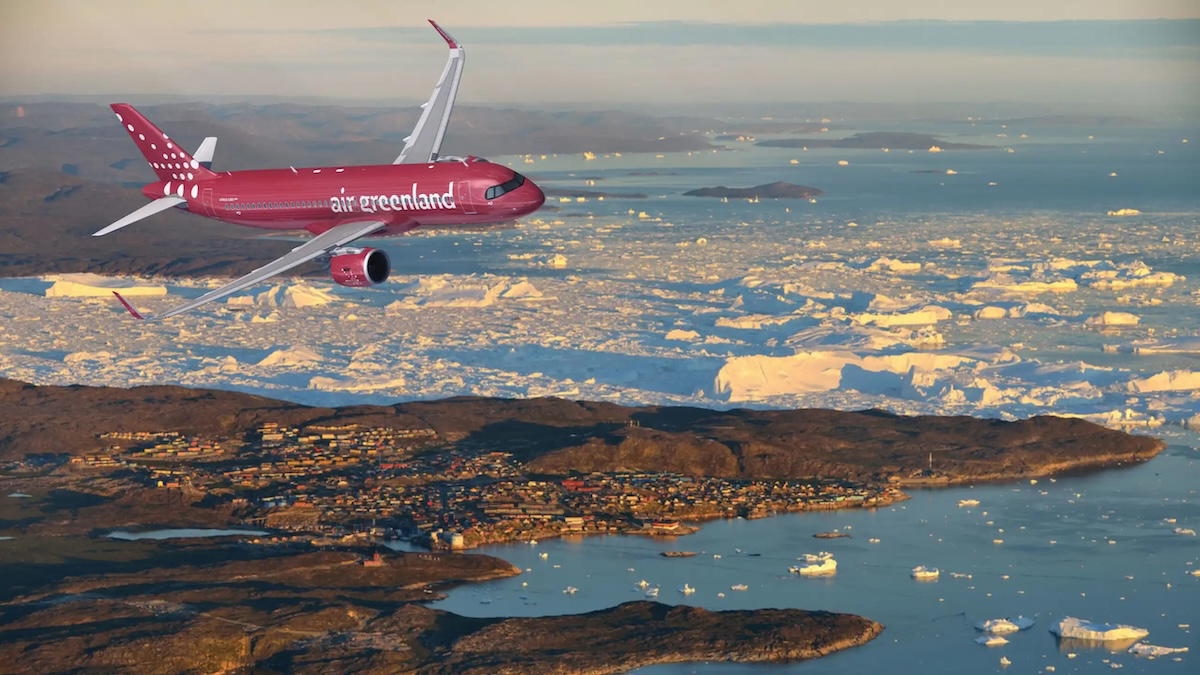
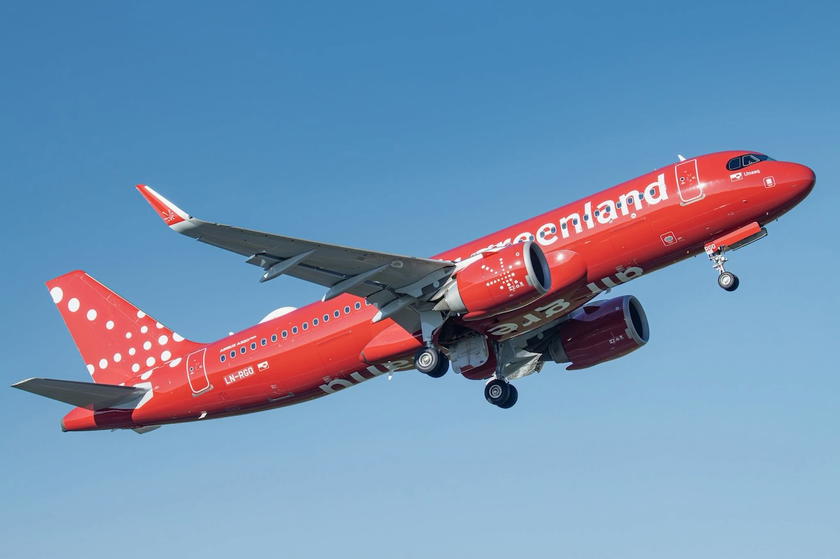
The aircraft in question is a nearly ten-year-old jet that originally entered service with Scandinavian Airlines (SAS) in 2016 under the registration code LN-RGO. Upon completing its transition to the Greenlandic carrier, it will be re-registered as OY-GRL and is scheduled to formally enter commercial service in April 2027 under an initial six-year lease term, which includes an extension option.
Cabin Configuration and Operational Synergies
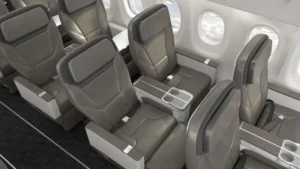
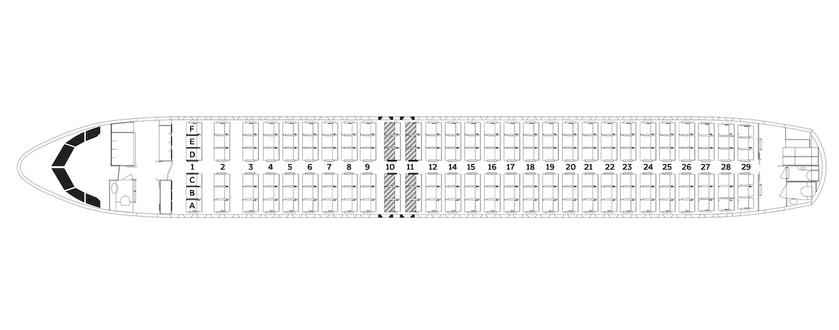
Air Greenland has structured the interior cabin of the incoming A320neo to balance regional business demand with expanding leisure tourism. The aircraft will feature a 168-seat layout distributed across 29 rows in a standard 3-3 configuration. The seating arrangement is divided into two distinct classes: 18 premium class seats and 150 economy class seats.
While the premium class offers passengers enhanced legroom and a more attentive, comprehensive service offering, industry observers have noted that the physical seating configuration remains identical to economy at 3-3, meaning middle seats will not be systematically blocked for premium travelers.
From an operational standpoint, the choice of the A320neo offers significant logistical advantages. Air Greenland has designated Copenhagen as the primary technical maintenance base for the new narrow-body, aligning it with the maintenance infrastructure already established for its flagship Airbus A330-800neo. Furthermore, the airline’s flight deck and cabin crews will be able to cross-qualify, operating both the wide-body A330 and the narrow-body A320 under a unified license framework. This cross-crew capability provides Air Greenland with crucial workforce flexibility, optimizing crew scheduling and reducing operational overhead.
The Transformation of Greenland’s Airport Infrastructure
The introduction of the Airbus A320neo directly coincides with a massive, government-backed infrastructure overhaul designed to eliminate Greenland’s historic aviation bottlenecks. Until recently, the remote Arctic territory faced severe structural limitations regarding air transport.
Historically, Kangerlussuaq Airport served as Greenland’s primary international gateway. Originally established as a U.S. military base during World War II, Kangerlussuaq possessed the only runway in the territory capable of accommodating large commercial jet aircraft. However, its inland location was geographically distant from major population centers and primary tourist attractions. Consequently, international passengers arriving on large jets were forced to disembark in Kangerlussuaq and transfer to smaller De Havilland Dash 8 turboprops to reach destinations such as the capital city of Nuuk or cultural hubs like Ilulissat.
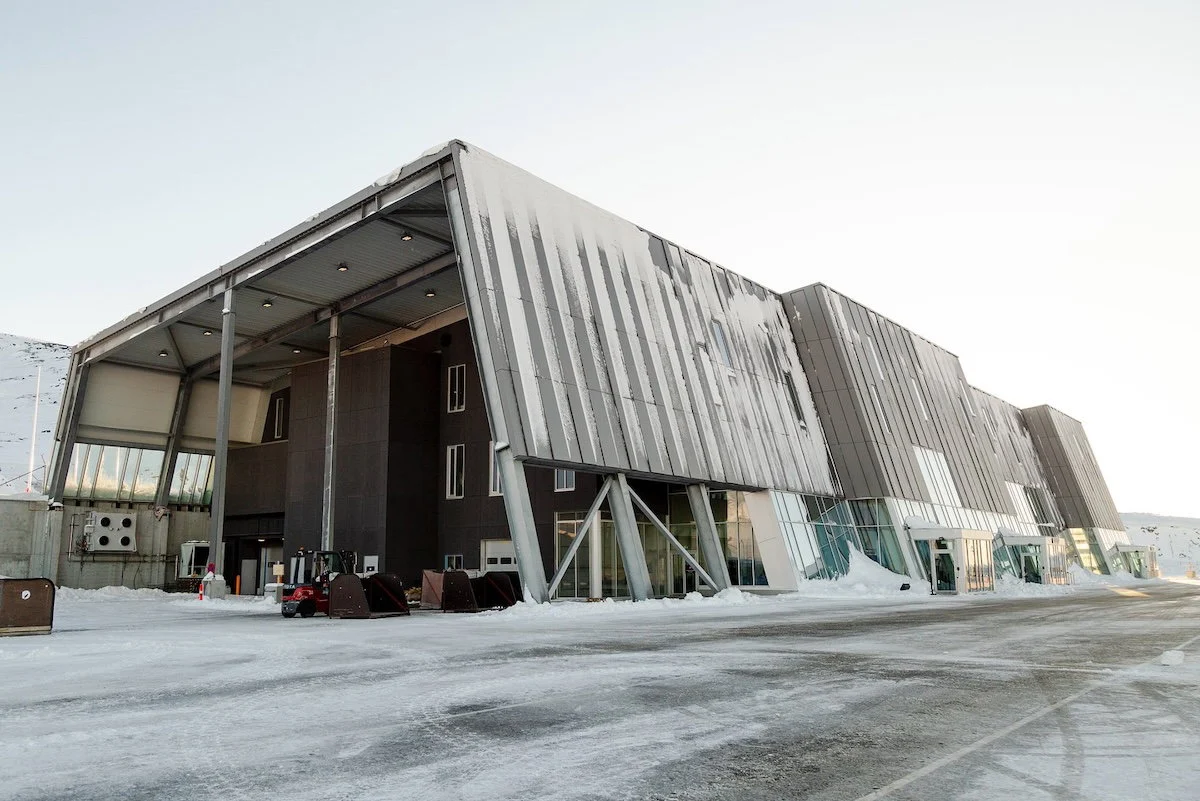
To modernize the national transit network, the government initiated a comprehensive airport development program. In late 2024, a newly expanded airport opened in Nuuk, equipping Greenland’s largest urban center with a modern runway capable of handling direct international jet traffic. This development allowed Air Greenland to establish long-haul jet service directly between Nuuk and Copenhagen using its Airbus A330-800neo.
Building on the success of the Nuuk expansion, attention turned to Ilulissat, located in western Greenland and widely recognized as one of the territory’s premier tourism destinations, famous for its UNESCO World Heritage ice fjord. Historically, Ilulissat’s airport featured a restricted 880-meter runway capable of supporting only small turboprop operations. The completion of a newly constructed 2,200-meter runway completely alters the region’s accessibility, enabling the facility to safely accommodate mainline jet aircraft for the first time.
New Routes and Flight Schedules
Leveraging the extended runway at Ilulissat and the incoming narrow-body fleet, Air Greenland has officially structured its network to establish a second direct link to the Danish capital, complementing its existing Nuuk-Copenhagen route.
Beginning April 19, 2026, Air Greenland will launch direct scheduled service between Ilulissat (JAV) and Copenhagen (CPH). Prior to the formal entry of the Airbus A320neo in 2027, the route will be operated temporarily using leased Jettime Boeing 737-800 aircraft to meet immediate seasonal demand.
The scheduled route profile for the service highlights the efficiency of the new narrow-body deployment:
- Flight GL705 departs Copenhagen (CPH) at 09:45 AM and arrives in Ilulissat (JAV) at 11:45 AM local time.
- Flight GL706 departs Ilulissat (JAV) at 01:15 PM and arrives in Copenhagen (CPH) at 09:00 PM local time.
The approximately 2,125-mile trans-Atlantic and sub-polar journey is officially blocked at five hours for the westbound leg and four hours and forty-five minutes for the eastbound return. Tickets for these services are already available through commercial sales channels.

Economic and Tourism Implications
The simultaneous expansion of runway infrastructure in Nuuk and Ilulissat, coupled with Air Greenland’s aggressive fleet enhancement, marks the dawn of a new era for the territory’s economy. For decades, high travel costs and complex multi-leg itineraries constrained the growth of Greenland’s tourism sector. By removing the mandatory domestic transit stops at Kangerlussuaq, the new direct jet services significantly reduce travel times and logistical friction for international visitors.
Tourism authorities and regional stakeholders anticipate that the enhanced seat capacity and direct access to Ilulissat will drive a sustainable increase in visitor volume, stimulating local hospitality, guiding services, and associated small businesses. At the same time, the local population stands to benefit from improved cargo capacity, more reliable year-round scheduling, and enhanced connectivity to European commercial and medical hubs.
As Air Greenland prepares to integrate the Airbus A320neo into its active roster by April 2027, the airline is positioning itself to meet rising regional demand while maintaining operational self-sufficiency. Through strategic infrastructure investments and targeted fleet modernization, Greenland is successfully bridging its geographic isolation and integrating more deeply into the global aviation network.