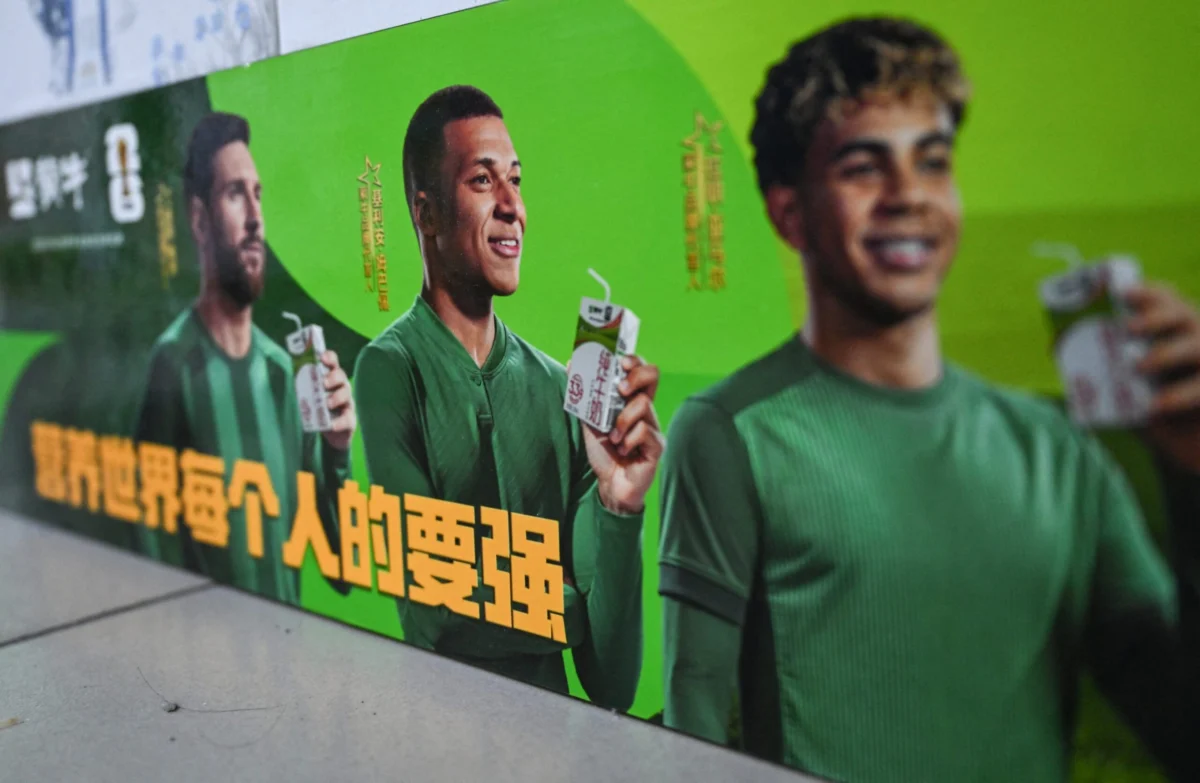
The intersection of modern athletics, global celebrity culture, and geopolitical sensitivity has once again claimed a high-profile victim, underscoring the treacherous landscape international brands and figures must navigate when dealing with the world’s second-largest economy. French soccer superstar Kylian Mbappé has become the latest global icon to experience the severe commercial and diplomatic fallout of running afoul of Chinese public sentiment. His recent remarks on a popular European media broadcast have not only cost him lucrative sponsorship deals in East Asia but have also triggered sweeping broadcast suspensions that threaten the broader commercial interests of European soccer leagues in the region.
This unfolding controversy is far from an isolated incident. Over the past decade, a growing roster of multinational corporations, luxury fashion houses, athletic apparel giants, and international sports leagues have found themselves cut off from the lucrative Chinese consumer base. Whether through spontaneous social media posts, controversial advertising campaigns, intellectual property disputes, or uncalculated remarks made thousands of miles away, these entities have repeatedly discovered that consumer nationalism and strict political boundaries in China can swiftly dismantle years of brand-building and market penetration.
As Mbappé and his representatives scramble to contain the damage through public apologies and diplomatic outreach, industry analysts are once again evaluating the precarious nature of corporate exposure in an increasingly polarized global marketplace. The episode serves as a stark reminder that in the modern digital age, local statements carry global reverberations, and economic integration offers no immunity against rapid consumer retribution.
The Catalyst: An Ill-Fated Remark on French Television
The controversy surrounding the Real Madrid and France forward ignited during his appearance on a widely viewed French online talk show. In a casual segment of the program, Mbappé used a specific meme figure while describing what he termed a “Chinese dictator,” a reference that viewers and cultural commentators instantly perceived as pointing toward Mao Zedong, the founding father of the People’s Republic of China.
While casual political comparisons and satirical meme culture are commonplace in many Western media environments, the invocation of foundational political figures in China carries immense historical weight and sensitivity. Within hours of the broadcast, clips of the interview circulated widely across Chinese social media platforms, sparking intense indignation among netizens. The sentiment quickly shifted from online criticism to organized corporate detachment.
Within days of the broadcast, the commercial architecture supporting Mbappé’s brand in China began to crumble. Three major Chinese sponsors swiftly severed their ties with the player. Dongpeng, a prominent beverage maker; Mengniu, a dairy giant; and Milkground, a specialized cheese maker, all distanced themselves from the soccer star, canceling promotional campaigns and removing his likeness from their marketing portfolios without detailing the explicit mechanics of their termination clauses.
The backlash extended beyond individual endorsements. The China Media Group (CMG), the nation’s state broadcaster, took decisive action by announcing the immediate suspension of broadcasts for LaLiga, Spain’s premier soccer competition, alongside any other matches or programs involving Mbappé. For a league that has invested heavily in capturing the attention of millions of digital and television sports fans across China, the blackout represents a catastrophic loss of viewership and advertising revenue.
Damage Control: Apologies, Diplomacy, and Corporate Reassurance
Recognizing the existential threat that a prolonged Chinese market exclusion poses to both his personal brand and his club, Mbappé issued a formal apology via his official social media channels on X.
“My comment was ill-judged, and I now understand that it hurt many people in China and in Chinese communities around the world,” Mbappé wrote in his statement. “I apologize to everyone my words have upset. This was absolutely not my intention. I have deep respect for the Chinese people and their history, and I am sincerely sorry.”
The damage control efforts were not limited to the player himself. Javier Tebas, president of LaLiga, flew into high-stakes diplomatic mode, holding an emergency meeting with the Chinese ambassador to Spain to negotiate a path forward and “seek solutions that allow us to overcome this episode.”
“Our commitment is to keep working together so that an individual episode does not harm the important advances achieved nor affect the millions of Chinese fans who follow our competitions,” Tebas noted in an official public statement following the diplomatic engagement.
Mbappé’s club side, Real Madrid, also stepped into the fray to insulate its broader organizational interests in the region. In an official communication released by the club, management emphasized its enduring ties to its fanbase in East Asia. “Our club maintains a deep respect for China, its history, its culture, and its citizens, as well as for the millions of Chinese fans who feel affection and admiration for Real Madrid,” the club stated, hoping to stave off any collateral damage to the team’s extensive merchandising and fan engagement operations in the country.
A History of Friction: Precedents in Sports and Commerce
The speed and severity of the reaction against Mbappé are emblematic of a well-established pattern of cultural and political friction between Western celebrities, corporations, and Chinese consumers. Over the past several years, numerous high-profile entities have stumbled into similar minefields, learning costly lessons about the boundaries of free expression and cultural awareness.
One of the most profound precedents occurred in October 2019, when Daryl Morey, then serving as the general manager of the National Basketball Association’s Houston Rockets, posted a seemingly innocuous message on Twitter expressing support for anti-government protests in Hong Kong. The backlash was instantaneous and severe. Chinese state broadcaster CCTV immediately pulled all NBA games off the air, plunging the league into a multi-year financial freeze in its most important international market. The blacklisting of NBA broadcasts by state media lasted until March 2022, costing the league hundreds of millions of dollars in lost broadcast rights, sponsorships, and merchandise sales.
In early 2021, Swedish fast-fashion giant H&M found itself at the center of an intense consumer boycott after historical statements regarding its decision to stop utilizing cotton sourced from the Xinjiang region resurfaced. The company had expressed concerns over alleged human rights abuses against Uyghur Muslim minorities in the territory. The response from Chinese consumers was ferocious, leading to the immediate removal of H&M products from major Chinese e-commerce platforms, the physical closure of numerous retail stores, and a devastating drop in local quarterly sales that took years to recover from.
More recently, missteps in marketing have continued to plague Western brands. In June 2026, activewear powerhouse Lululemon found itself issuing a formal apology after a promotional event held on the Great Wall of China inadvertently featured a Japanese taiko drum instead of a traditional Chinese dagu drum. Chinese netizens quickly identified the cultural misattribution, flooding social media with criticism. Lululemon acted swiftly, purging all images and promotional materials related to the drum event from its global and local channels to prevent a full-scale consumer boycott.
Legal Battles and Local Collateral Damage
Controversies in the Chinese market are not strictly confined to social media posts or cultural gaffes; even standard corporate legal maneuvers can trigger severe public relations crises. In October 2026, French luxury conglomerate LVMH faced significant consumer backlash following a trademark infringement victory achieved by its flagship brand, Louis Vuitton.
A Chinese court ruled in June that the four-petaled logo used by popular domestic milk tea chain Molly Tea infringed upon a registered Louis Vuitton trademark, ordering the local brand to pay 10.3 million yuan, equivalent to roughly $1.5 million, in damages. The legal ruling deeply divided Chinese social media users, with many viewing the judgment as an aggressive attack by a Western luxury titan on a homegrown small business.
The ensuing consumer pushback translated directly into lost revenue. LVMH reported that the controversy weighed heavily on its regional performance, contributing to a 5% organic decline in revenue within its crucial fashion and leather goods division for that fiscal period.
Interestingly, the phenomenon of consumer nationalism is not exclusively directed at foreign entities; even indigenous Chinese brands are vulnerable to public scrutiny regarding cultural signaling. In 2024, Nongfu Spring, China’s largest bottled-water producer, faced a severe public boycott and aggressive online backlash after social media users accused the company of incorporating Japanese architectural imagery and stylistic motifs onto its product packaging. The nationalist campaign grew so intense that several franchise locations of convenience store chains, such as 7-Eleven, temporarily halted the sale of Nongfu Spring products to appease outraged consumers.
Broader Economic and Geopolitical Implications
The recurrent friction between global personalities, multinational corporations, and Chinese public sentiment highlights a fundamental challenge of globalization in the twenty-first century. As digital connectivity bridges geographic distances, it simultaneously amplifies local sensitivities, ensuring that remarks made on a late-night European talk show or minor design choices in a promotional flyer can instantly disrupt multi-billion-dollar commercial ecosystems.
For professional sports leagues, luxury houses, and consumer goods manufacturers, the economic calculus is increasingly clear: the Chinese market remains indispensable for sustained global growth, yet participating in it requires an unprecedented level of vigilance, cultural literacy, and risk mitigation. Navigating this environment demands that public figures exercise extreme caution regarding political and historical discourse, while corporations must institutionalize rigorous cultural auditing frameworks to preemptively identify potential flashpoints.
As Kylian Mbappé and his legal and public relations teams work to repair his standing in East Asia, the episode serves as a cautionary tale for the entire entertainment and sports industry. In the modern interconnected economy, the cost of an ill-considered remark is no longer measured merely in social media criticism, but in immediate commercial disenfranchisement and the abrupt closure of doors to the world’s most fiercely protected consumer markets.