Deep within the emerald canopy of the Surinamese Amazon, thousands of square kilometers of rainforest conceal vast, lucrative deposits of gold and other critical minerals. While legal operations officially extract roughly one million ounces of gold annually according to national economic planning documents, an unquantifiable and exponentially larger volume remains buried beneath indigenous ancestral lands. In the nation’s farthest-flung frontiers—particularly the remote villages flanking the Lawa River along the disputed border with French Guiana—state oversight dissolves entirely. Here, local populations intertwined with opportunistic Brazilian garimpeiros (miners) and transnational Chinese traders have steadily carved away the ancient forest. Moving up and down the winding waterways, these illicit networks establish remote mining camps and unregulated trading posts entirely shielded from the reach of domestic law enforcement, fostering an environment where robberies, extortion, and violent crime operate with impunity.
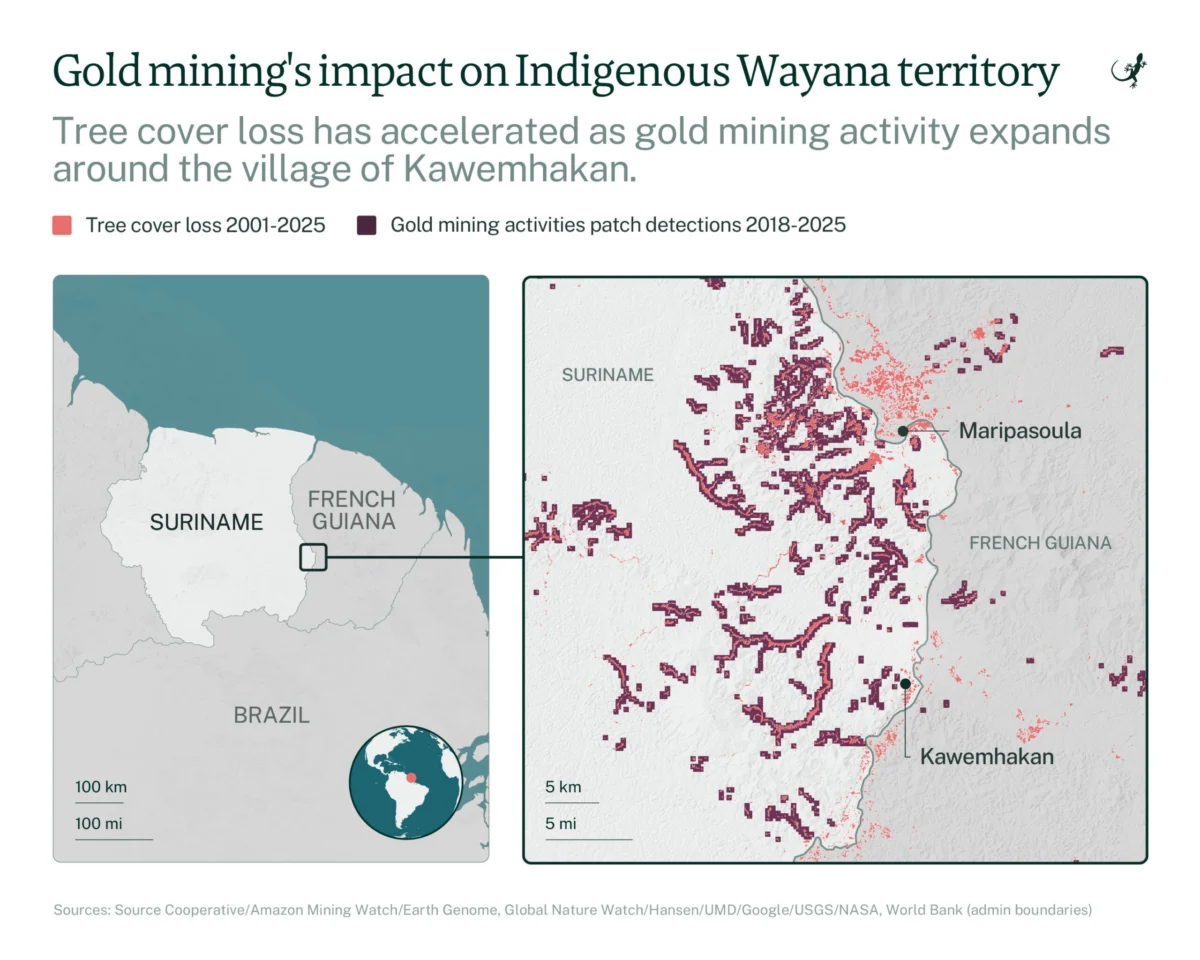
The epicenter of this unfolding human and ecological crisis is Kawemhakan, a traditional settlement of the Indigenous Wayana people. Spanning both sides of the Lawa River, the Wayana community has inhabited this fragile borderland for generations, relying heavily on pristine ecosystems for sustenance and cultural survival. Today, however, they face an escalating existential threat. The proliferation of unregulated mining has unleashed toxic mercury into local waterways, bioaccumulating in fish populations and causing severe health complications among residents. Simultaneously, relentless deforestation has driven away the wildlife long depended upon for food. Despite their deep historical roots, these Indigenous families still lack official land titles from the central government—a critical legal safeguard that could shield their territory from unchecked exploitation.

The Geopolitics of Isolation: The Kawemhakan Airstrip and Fragile Leverage
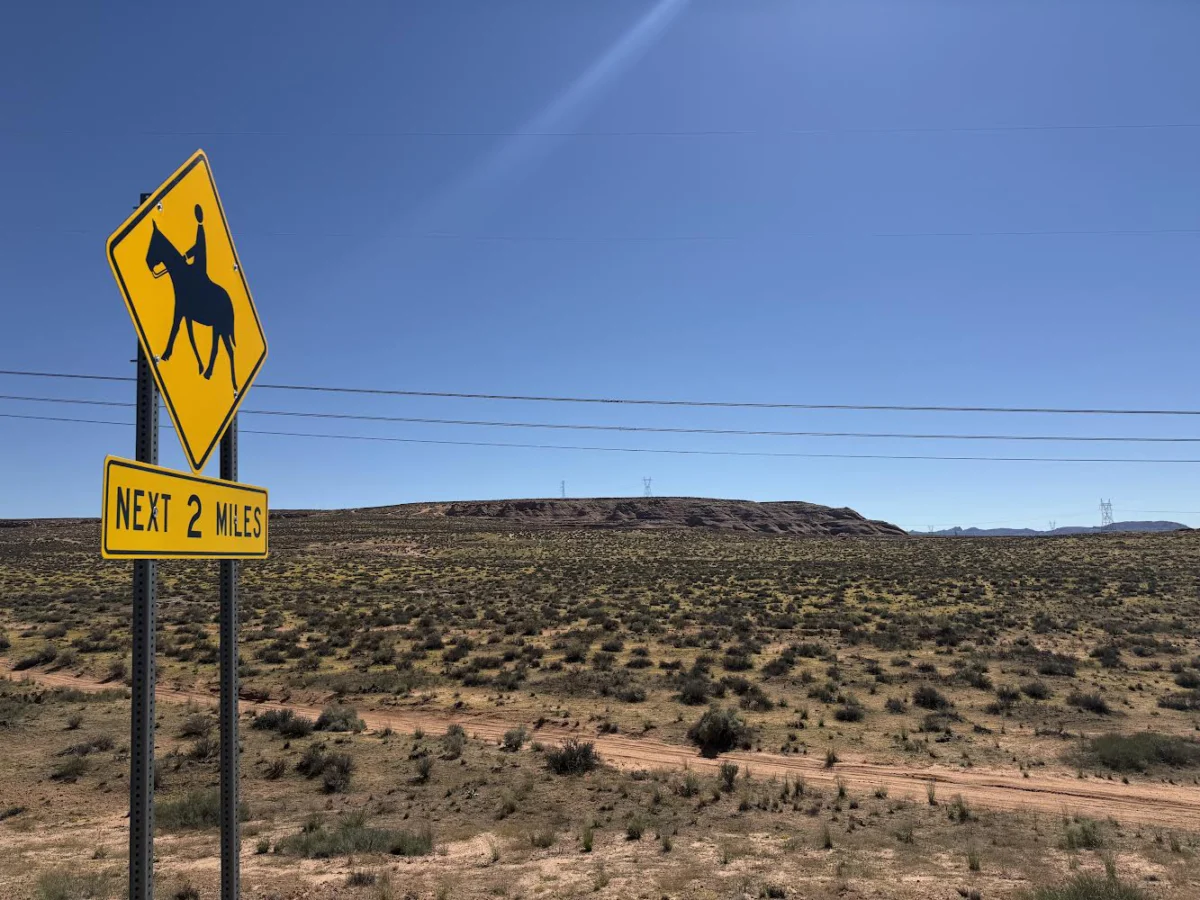
Geographic isolation dictates the daily realities of Kawemhakan. Devoid of roads connecting it to the capital of Paramaribo, the village is reachable only by arduous river travel or via a single-engine aircraft carrying roughly ten passengers. Landing three times a week, the plane touches down on a dirt airstrip positioned directly in the middle of the Indigenous village. This unique infrastructure grants community leadership a rare tactical advantage: the airstrip serves as the primary practical connection to the outside world for miners and traders operating upriver. Unless these outsiders are willing to endure days of hazardous river travel to reach urban supply hubs, maintaining amicable relations with Chief Ipomadi Toko Pelenapën and his people is an absolute necessity.
This tenuous dynamic has turned Kawemhakan into a geopolitical powder keg. Indigenous leaders, independent miners, international traders, and corporate concession holders are locked in a continuous power struggle across the rainforest’s edge. While some factions weaponize influence to maximize gold extraction, others fight desperately to curb environmental degradation or preserve basic law and order in a region abandoned by the state.

Marciano Pelenapën, the chief’s son and presumptive successor, articulated the community’s mounting anxiety during a field visit by environmental journalists documenting the region’s supply chains. “I would like to stop the situation because they destroy our area,” Marciano said through an interpreter. “Maybe in the future, if they don’t stop this mining thing, our territory, our land, won’t be the same anymore.”
A Regional Hotspot and the Failure of State Pledges
The border region separating Suriname from French Guiana has rapidly metastasized into one of South America’s most volatile gold mining hotspots. Data compiled by the Monitoring of the Andean Amazon Project (MAAP), an initiative of the NGO Amazon Conservation, reveals that approximately 25,000 hectares (61,776 acres) of pristine forest were lost to mining activities along this frontier between 2021 and 2024. This destructive trajectory continued unabated last year, with MAAP analyses documenting an additional 2,800 hectares (6,918 acres) of deforestation in the region.

These mounting ecological losses starkly contradict the international commitments made by Paramaribo. In 2025, the Surinamese government formally pledged to aggressively combat illegal mining, curtail the industry’s widespread use of toxic mercury, maintain 90% national forest cover, and preserve the nation’s rare status as a net carbon sink that absorbs more carbon dioxide than it emits. Yet, residents of Kawemhakan report that these high-level diplomatic promises have translated to zero practical action on the ground. The state maintains virtually no permanent presence along the Lawa River, leaving Indigenous leaders to shoulder the burden of governance alone.
The Cross-Border Supply Chain: From Forest Floor to Global Markets
Just 25 kilometers (15 miles) upriver from Kawemhakan lies the French Guianese city of Maripasoula, a booming hub for cross-border commerce that operates largely exempt from stringent customs or immigration oversight. Citizens of both nations frequently cross the river to shop, visit family, and enroll children in schools. Lining the riverbanks are numerous grocery stores, frequently operated by Chinese merchant families, which cater explicitly to the dual demands of everyday life and heavy industrial extraction. Behind shelves stocked with basic foodstuffs sit generators, high-capacity water pumps, heavy-duty fuel canisters, industrial tools, tarps, and specialized safety gear.

Transactions in these remote outposts bypass traditional banking systems entirely. Behind store counters, clerks meticulously weigh raw gold and precious minerals on precision scales, paying out cash settlements in Euros and US dollars based on color, purity, and mineral composition.
Once acquired, the gold is systematically transported downstream to Paramaribo, where private brokers and centralized refineries absorb it into the formal economy. A significant portion of this supply passes through the custody of the Kaloti Suriname Mint House, a processing facility jointly owned by the Surinamese government, domestic gold dealers, and a major conglomerate based in the United Arab Emirates.
For the laborers on the ground, however, the reality of mining is grueling and precarious. An anonymous miner interviewed along the river described working six-day weeks, navigating hours of rugged terrain on all-terrain vehicles (ATVs) to reach isolated extraction sites within French Guiana. Operating in small crews of roughly seven individuals—deliberately kept compact to evade sporadic law enforcement patrols—workers endure grueling manual labor under the direction of foremen who answer to anonymous financial backers based comfortably in urban centers. Equipment loss is calculated as an occupational hazard; when authorities periodically sweep the region and burn down generators and water pumps, smaller outfits suffer catastrophic setbacks, while larger operations simply absorb the overhead cost and replace the machinery.

The Anatomy of an Alliance: The Spence Family Case
The fragile power dynamics of the Lawa River came to a head during a multi-year conflict involving the Spence family, a local faction that tested the absolute limits of Indigenous authority. For years, the Spences had maintained a remarkably close alliance with the Wayana community. According to community elders and historical records, family members had assisted in mapping ancestral lands, helped plan the construction of the Kawemhakan airstrip, and even built a permanent home just minutes away from the chief’s residence. Uniquely positioned by their fluency in Dutch and established connections in Paramaribo, the Spences transitioned from low-level mining operatives into wealthy independent concession holders.
However, the alliance fractured permanently in the wake of the COVID-19 pandemic. According to testimonies from the Mulokot Foundation, local miners, and Wayana leadership, male members of the Spence family began heavily arming themselves, recruiting young Indigenous men, and donning masks and black clothing to terrorize rival camps. Operating out of converted ATV trails, the family allegedly imposed extortionate demands on smaller Brazilian mining crews, at times demanding cuts as high as 50% of extracted yields or single payouts equivalent to a kilogram of gold—valued at approximately $40,000 at the time.

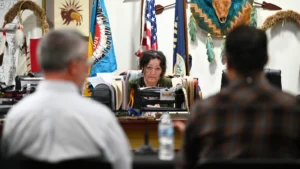
Faced with mounting chaos and armed intimidation, local miners appealed directly to Chief Pelenapën. In 2023, a community tribunal was convened to address the escalating crisis. While the precise nature of their departure remains officially unconfirmed, the Spence family abruptly vanished from the Lawa River sector, leaving their residential compound in Kawemhakan locked, boarded up, and completely abandoned.
Despite their expulsion from the immediate river territory, business filings demonstrate that the Spence family maintained robust corporate machinery within Suriname’s formal economy. Records from the Surinamese Chamber of Commerce and Industry indicate the incorporation of entities such as X1 Eco Mining N.V. and X2 Clean Mining N.V. in October 2025, ostensibly registered to conduct natural resource extraction "in a sustainable and environmentally friendly manner." Concurrently, a related entity, Mine Rehab N.V., secured a sprawling 10,000-hectare (24,710-acre) gold exploitation concession west of the Lawa River near Kawemhakan.
By 2025, Mine Rehab N.V. was acquired by Founders Metals, a publicly traded Canadian mineral exploration firm holding a controlling interest in regional exploration rights. While corporate representatives for Founders Metals have issued statements emphasizing strict compliance with Surinamese law and confirming that the concession remains in preliminary exploration phases with no active mining, local leaders view the transition with deep apprehension.

“Now we have a Canadian company that’s officially active in our territory and reorganizing everything and expanding,” warned Andre Verhoogt, director of the Mulokot Foundation.
Navigating a Post-Gold Future and the Battle for Land Rights
As external corporate actors and independent prospectors continue to reshape the physical and economic landscape of the Lawa River basin, the Wayana community is proactively working to secure an alternative future. Before pandemic-related disruptions forced its suspension, the Mulokot Foundation operated a localized educational initiative in Kawemhakan, teaching standard academic subjects in Dutch to prepare Indigenous youth for professional opportunities outside the extractive economy. While logistical challenges—specifically the difficulty of retaining educators in an isolated region lacking basic municipal infrastructure—have stalled in-person classes, leadership aims to relaunch the curriculum via digital platforms.

Economic diversification remains a central pillar of community resilience. Currently, the vast majority of Wayana residents rely on subsistence fishing, hunting, and temporary logistics labor servicing the mining sector, or travel across the border to Maripasoula for wage labor. Expanding educational access is viewed as the singular pathway to breaking this economic dependency while safeguarding cultural traditions.
Simultaneously, community leaders are leveraging advanced technology to reclaim sovereignty over their homeland. Working in tandem with NGOs, local youth are utilizing satellite imagery and GPS mapping to demarcate ancestral territories. These hyper-localized maps serve as crucial evidentiary tools in their ongoing campaign to pressure the national government into granting formal land titles.
Suriname remains a striking regional anomaly as the sole sovereign nation in South America that has failed to constitutionally or statutorily enshrine collective ancestral land rights for its Indigenous populations. Despite a landmark 2007 ruling by the Inter-American Court of Human Rights mandating the formal recognition of indigenous territories to protect communities from predatory resource extraction, domestic legislative efforts have remained gridlocked for over a decade.

For Marciano Pelenapën, who stands poised to inherit the mantle of tribal leadership, this legal vacuum creates an untenable daily burden. “Being a leader is a big challenge,” he reflected. “If everyone comes to me with a problem and we don’t have land rights, that makes things difficult for us and for me as a leader in the future.” Until Paramaribo bridges the vast chasm between its international climate pledges and its domestic administrative neglect, communities like Kawemhakan will remain the frontline defenders of an increasingly besieged Amazon.