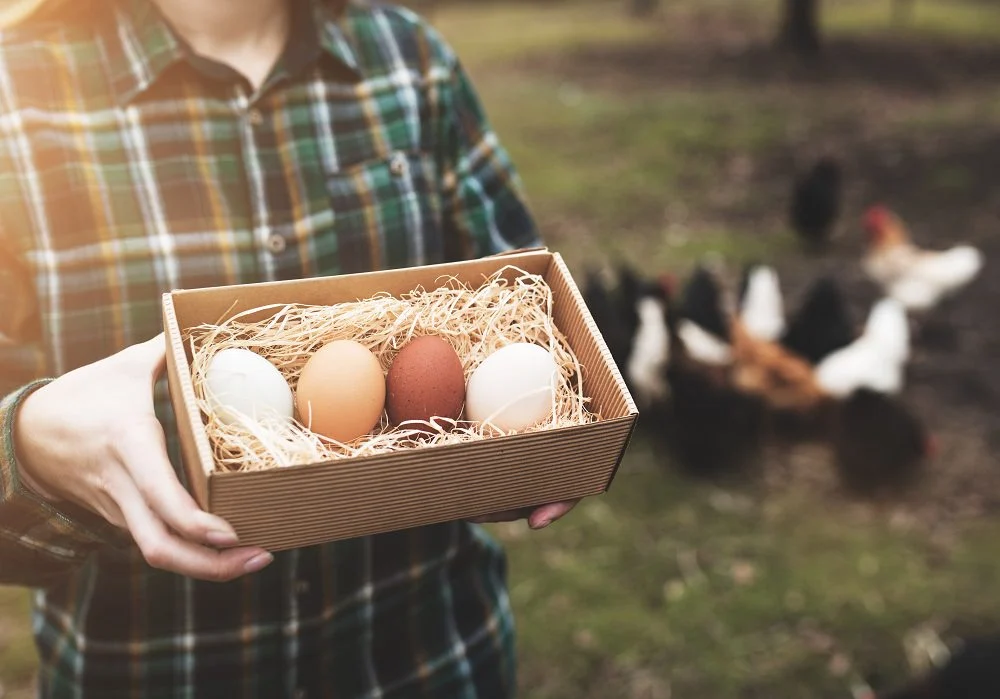
The surge in American backyard chicken ownership, which reached an apex during the inflationary pressures of 2025, has entered a period of cooling and consolidation as of mid-2026. Data from the U.S. Bureau of Labor Statistics and the USDA Economic Research Service indicate that the retail price for a dozen Grade A eggs, which climbed to an eye-watering peak of roughly $6.22 in March 2025, has plummeted to an average of $2.14 by June 2026. This dramatic price correction has fundamentally altered the incentive structure for the estimated 11 million U.S. households that currently maintain backyard flocks. While the movement was largely driven by a desire for food security and cost mitigation during the height of the Highly Pathogenic Avian Influenza (HPAI) crisis, the current landscape suggests that keeping poultry is increasingly becoming a lifestyle choice rather than a viable economic hedge against grocery inflation.
A Chronology of the Poultry Surge
The catalyst for the backyard boom was a perfect storm of supply chain disruption and disease. Beginning in February 2022, the HPAI outbreak—commonly known as bird flu—decimated commercial and backyard flocks alike, affecting more than 166 million birds across the United States. As commercial egg production faltered, prices experienced a staggering upward trajectory: retail egg prices rose by 32.2% in 2022, 1.4% in 2023, 8.5% in 2024, and a substantial 21.9% in 2025.
In response, millions of Americans turned to home-based solutions. Hatcheries reported an unprecedented 80% increase in order volumes, and feed stores across the nation faced shortages during the peak spring "chick days" of 2025. The number of households keeping chickens effectively doubled from 5.8 million in 2018 to 11 million by January 2025. However, as the HPAI virus began to subside in early 2026, and commercial supply chains stabilized, the retail market saw a 35.2% decline in egg prices compared to the previous year. This market normalization has led to a significant thinning of first-time poultry keepers, with the current market dominated by experienced owners replacing their aging flocks.
The Economics of the Backyard Coop
For prospective or current owners, the financial math in 2026 is sobering. When egg prices hit their $6.22 peak in 2025, a small backyard flock could potentially pay for itself within a single season. Today, that economic justification has largely evaporated.
A standard six-hen flock is expected to produce between 90 and 125 dozen eggs per year during the hens’ peak two-year laying cycle. At current average retail prices of $2.14 per dozen, the annual output of a six-hen flock is valued between $190 and $270. When compared against the annual costs of feed, bedding, grit, and veterinary care—which range from $250 to $600—the flock often operates at a net loss, even before accounting for the initial capital expenditure of $500 to $2,000 for a coop, run, and infrastructure. Consequently, the primary value proposition for backyard poultry has shifted from "grocery budget savings" to "food system resilience," providing a hedge against potential supply chain disruptions rather than day-to-day retail inflation.
Public Health Risks and Biosecurity
The focus for many owners has shifted from economic performance to the management of significant health risks. HPAI remains a persistent, albeit lower-profile, threat. Since March 2024, there have been 71 reported human cases of influenza A(H5) in the United States. Of those, three occurred in backyard flock owners, with two resulting in fatalities—one in Louisiana in 2025 and one in Washington in late 2025. The CDC continues to emphasize that while the risk to the general public remains low, the danger for those handling infected birds without proper personal protective equipment (PPE) is significant.
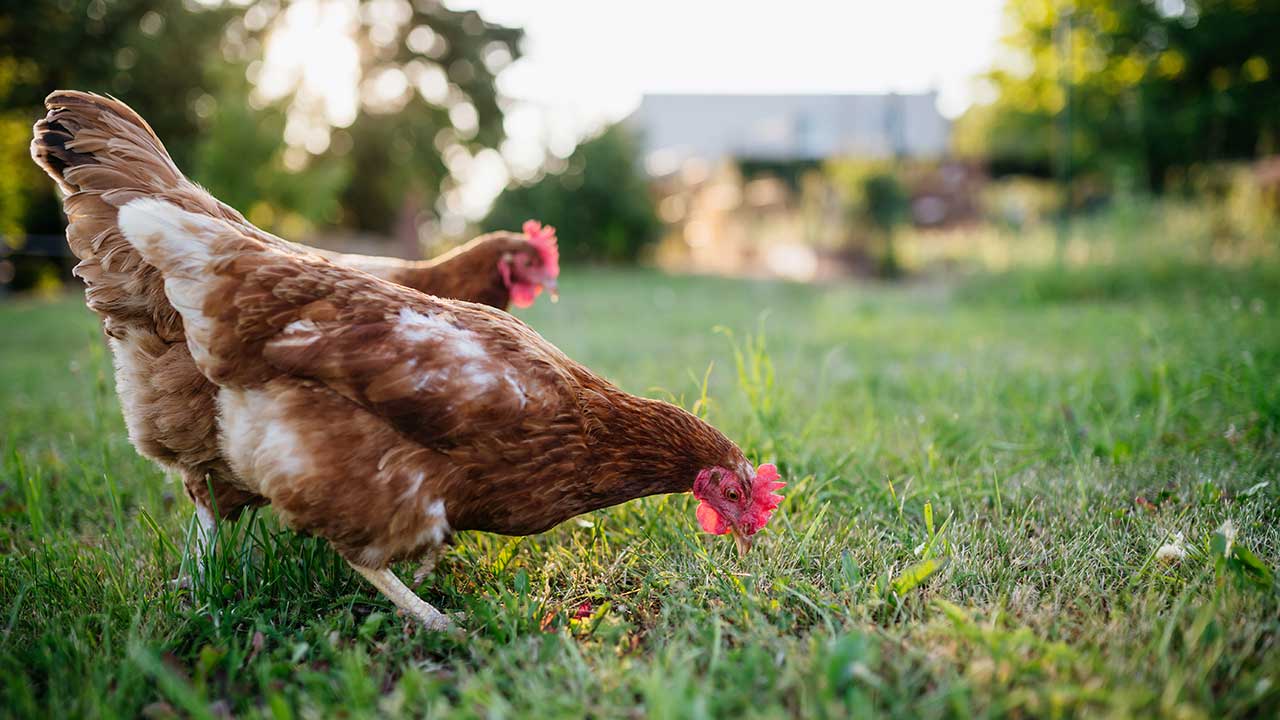
Furthermore, the prevalence of Salmonella outbreaks linked to backyard poultry has escalated into a major public health concern. As of July 27, 2026, the CDC is investigating eight multistate outbreaks that have resulted in 814 illnesses, 201 hospitalizations, and one death. Notably, 84% of affected poultry owners acquired their birds from agricultural retailers after January 1, 2026. Investigators have traced these strains to specific hatcheries, identifying Salmonella bacteria inside shipping containers. Many of these strains exhibit antibiotic resistance, complicating treatment for patients, a significant portion of whom are children under the age of five.
Regulatory and Environmental Considerations
Before investing in a flock, residents must navigate a complex tapestry of municipal ordinances and homeowners association (HOA) covenants. City regulations frequently mandate flock size limits—typically between four and eight hens—and impose strict setbacks, often requiring coops to be positioned 10 to 25 feet from property lines. In many jurisdictions, roosters are explicitly prohibited to mitigate noise complaints, and on-site slaughter is strictly forbidden. Because many states have passed legislation preempting municipal bans on backyard hens, local rules are in constant flux, requiring potential owners to consult the most recent city codes.
From an environmental standpoint, the common narrative that backyard eggs are significantly more sustainable than commercial eggs is being re-evaluated. Lifecycle assessments suggest that the carbon footprint of an egg is dominated by the production of feed. Because backyard flocks typically consume the same commercially formulated feed as large-scale operations, but with lower production efficiency per hen, the emissions per egg can actually be higher in a small-scale setting. While backyard poultry can contribute to local sustainability by repurposing kitchen scraps and reducing the need for food packaging and transportation, they are not inherently carbon-neutral solutions.
Essential Biosecurity Habits
The USDA’s "Defend the Flock" program continues to advocate for four core habits to mitigate disease risk:
- Keep your distance: Restrict access to your property and birds.
- Keep it clean: Wear dedicated boots and clothing for your flock, and wash your hands thoroughly before and after contact.
- Don’t haul disease home: Avoid sharing equipment or supplies with other flock owners and quarantine new birds before integrating them.
- Know the signs: Monitor for sudden death, lethargy, or respiratory distress and report suspicious symptoms immediately to the state veterinarian or the USDA at 1-866-536-7593.
Looking Ahead
The "boom" phase of backyard poultry is clearly behind us. As of mid-2026, the industry is seeing a transition toward a more disciplined, informed class of keepers. The data indicates that those who succeed in this endeavor are those who move past the short-term financial fantasies of the 2025 price spike and focus on the long-term commitment of animal husbandry.
For the average household, the decision to maintain a flock should be viewed as an investment in personal satisfaction and a localized food source rather than a financial instrument. As the market reaches this new equilibrium, the emphasis must remain on rigorous biosecurity and an honest assessment of the costs—both in terms of capital and labor. Ultimately, the backyard chicken movement persists not because it is the cheapest way to acquire breakfast, but because it fulfills a growing desire for individual agency in an increasingly complex and fragile global food system. Prospective owners are encouraged to consult their local agricultural extensions and the CDC’s updated health guidance before making the commitment, ensuring that their backyard coop remains an asset to their household rather than a source of unexpected liability.