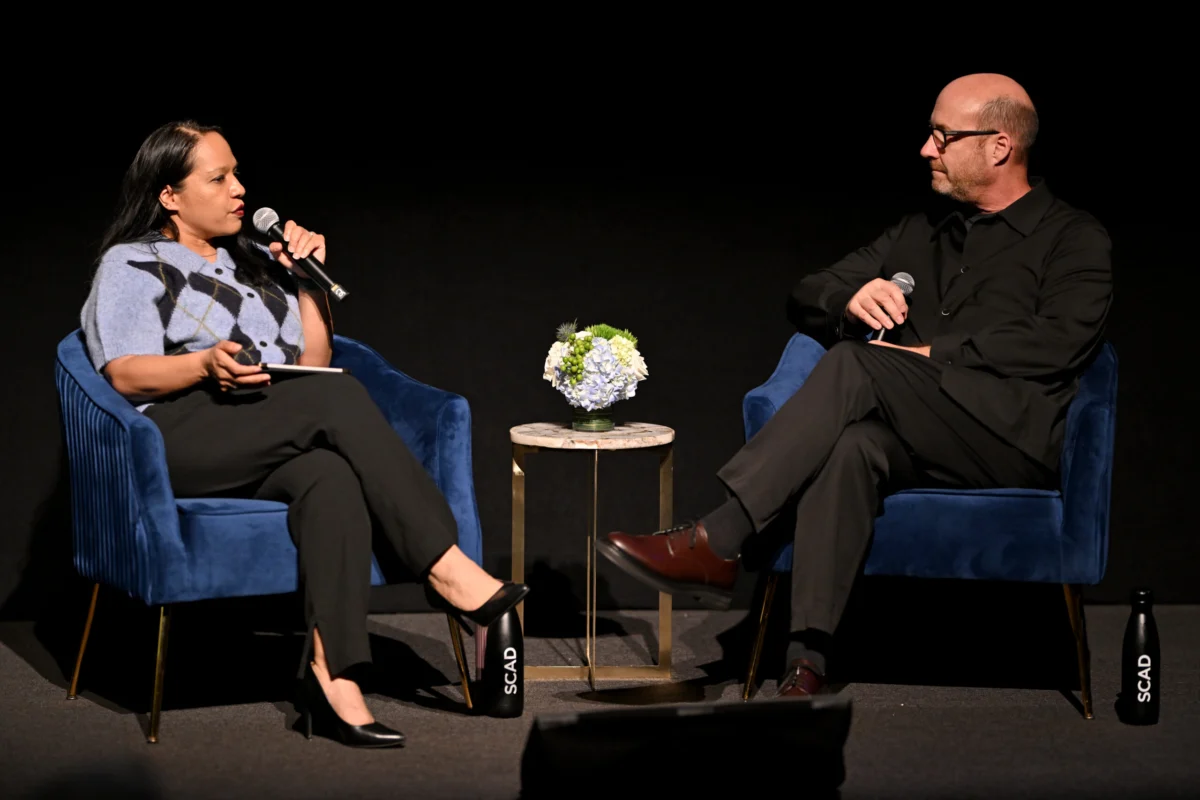
The production design landscape for major motion pictures is undergoing a significant shift, characterized by a renewed focus on practical, immersive world-building. At the center of this movement is Patrice Vermette, the visionary production designer behind the Dune franchise. During his recent appearance at the SCAD Savannah Film Festival, where he was honored with Variety’s Creative Impact Award, Vermette provided a rare glimpse into the logistical and creative architecture defining the highly anticipated third installment, Dune: Part Three. Scheduled for a December 18 release, the film aims to conclude the epic saga of Paul Atreides, played by Timothée Chalamet, as he navigates the complex and perilous responsibilities of his imperial rule.
The Evolution of the Dune Franchise
The cinematic journey of Dune began in earnest when director Denis Villeneuve, who had been storyboarding Frank Herbert’s seminal work since the age of 15, finally secured the resources to bring his vision to the screen. Following the critical and commercial success of the first two chapters, the third film is tasked with adapting the events of Frank Herbert’s Dune Messiah.
Set 17 years after the conclusion of Part Two, the narrative shifts from the initial ascent of the Atreides house to the long-term, often harrowing consequences of Paul’s reign as Emperor. The production design for this final chapter is guided by a singular, rigid directive from Villeneuve: never repeat a set. This commitment to visual innovation ensures that despite the franchise remaining within the same established universe, each frame offers a distinct environment, reflecting the passage of time and the shifting political tides of the galaxy.
Logistical Challenges and Engineering the Spectacle
Vermette described the opening sequence of the upcoming film as a monumental engineering undertaking. To achieve the intended scale, the production team utilized massive practical assets, including a spaceship weighing an estimated 55 tons. The sequence, which features a battle during a rainstorm, required complex hydraulic systems to manage water flow and heavy machinery to manipulate the ship’s position on set.
The construction of these sets, such as the subterranean labs and the expansive Harkonnen world of Giedi Prime—inspired, surprisingly, by industrial septic tanks—demonstrates a departure from the over-reliance on digital backgrounds common in modern science fiction. By grounding the fantasy elements in tangible, physical materials, Vermette and his team ensure that the actors interact with a reality that feels both alien and grounded. This method, while labor-intensive, provides the cinematographer, Greig Fraser, with natural lighting conditions that avoid the "cheating" of light often seen in studio-bound production, thereby enhancing the film’s overall authenticity.
The Collaborative Core of Modern Filmmaking
The SCAD Savannah Film Festival’s 10 Artisans to Watch panel served as a broader forum to discuss the collaborative nature of the film industry. Kathleen Radomski, Chair of Production Design at SCAD, noted that the industry’s massive global footprint is sustained by a village of specialized departments working toward a singular vision. This year’s cohort of honorees included a diverse array of professionals, from sound editors like Anne Jimkes to animation supervisors such as Aulo Licinio, each emphasizing that the most successful projects are the result of constant, cross-departmental dialogue.
The importance of this dialogue was echoed by editor Blair McClendon, who noted that his early involvement in the film Clarissa allowed for a more cohesive editing process. By being present during the scriptwriting phase, editors and sound designers can influence the shooting schedule, ensuring that the captured material aligns perfectly with the film’s pacing. Similarly, composer Raül Refree’s work on La Bola Negra saw him contributing to the musical score while the script was still being drafted, providing the directors with an auditory landscape that informed their creative direction during the filming process.
Navigating Budgetary Constraints and Creative Restrictions
One of the most recurring themes among the artisans was the challenge of reconciling artistic vision with financial limitations. The panel highlighted that budget constraints often act as a catalyst for ingenuity rather than a roadblock. For the film Backrooms, Vermette faced a shortage of necessary materials for a set, leading to the use of a rug with a slightly different tone than the original. Rather than viewing this as a failure, the team incorporated the discrepancy into the film’s narrative, using it as a symbol for the character’s transition through space.
Makeup and hair department head Allie Shehorn, discussing her work on the film Obsession, shared a similar sentiment regarding practical effects. With only two takes permitted due to the cost and complexity of the gore effects, the various departments had to align perfectly. This experience underscores the reality that, in the high-stakes world of professional filmmaking, the ability to communicate across department lines is as vital as the technical skill required to perform the task itself.
The Path Forward for Emerging Filmmakers
The panel concluded with a unified message for the next generation of filmmakers: the importance of "doing." Vermette, reflecting on his own career trajectory—which began in the world of music videos and was significantly bolstered by a life-changing text from Villeneuve—urged attendees to prioritize practice over perfection.
The history of the professional relationship between Villeneuve and Vermette, which finally flourished during the production of 2013’s Enemy, serves as a testament to the value of patience and professional persistence. Their partnership has defined a specific visual aesthetic in contemporary cinema, one that prioritizes grounded realism, narrative-driven design, and an unwavering commitment to challenging the status quo of genre filmmaking.
Impact and Implications
As the industry looks toward the December release of Dune: Part Three, the discourse surrounding its production serves as a masterclass in modern artisanal management. The film represents a high-water mark for practical production design in an era increasingly dominated by virtual production. By refusing to rely on digital shortcuts and instead focusing on the tactile, industrial, and logistical realities of building a world from the ground up, the team is setting a new standard for what audiences can expect from high-budget spectacle.
The implications for the wider industry are clear: the future of filmmaking lies in the strengthening of collaborative networks. Whether it is a small-budget independent film or a massive franchise tentpole, the ability of department heads to speak the "language" of their peers—understanding the nuances of budgets, lighting, sound, and narrative pacing—is what ultimately determines the success of the project. As the panelists at SCAD noted, the goal for any aspiring filmmaker should be to develop a holistic understanding of the craft, ensuring they can navigate the complex political and logistical waters of the entertainment industry while maintaining their creative integrity.
In essence, the upcoming conclusion to the Dune saga is not merely a film release, but the culmination of years of intense interdisciplinary collaboration. For fans and professionals alike, the spectacle promised by Vermette is a testament to the idea that, in the world of cinema, the "crazy ideas" are often the ones that leave the most lasting impression. By focusing on the "why" behind every object and the "how" behind every set, the team has ensured that when the final installment of the franchise arrives, it will stand as a landmark achievement in the history of science fiction.