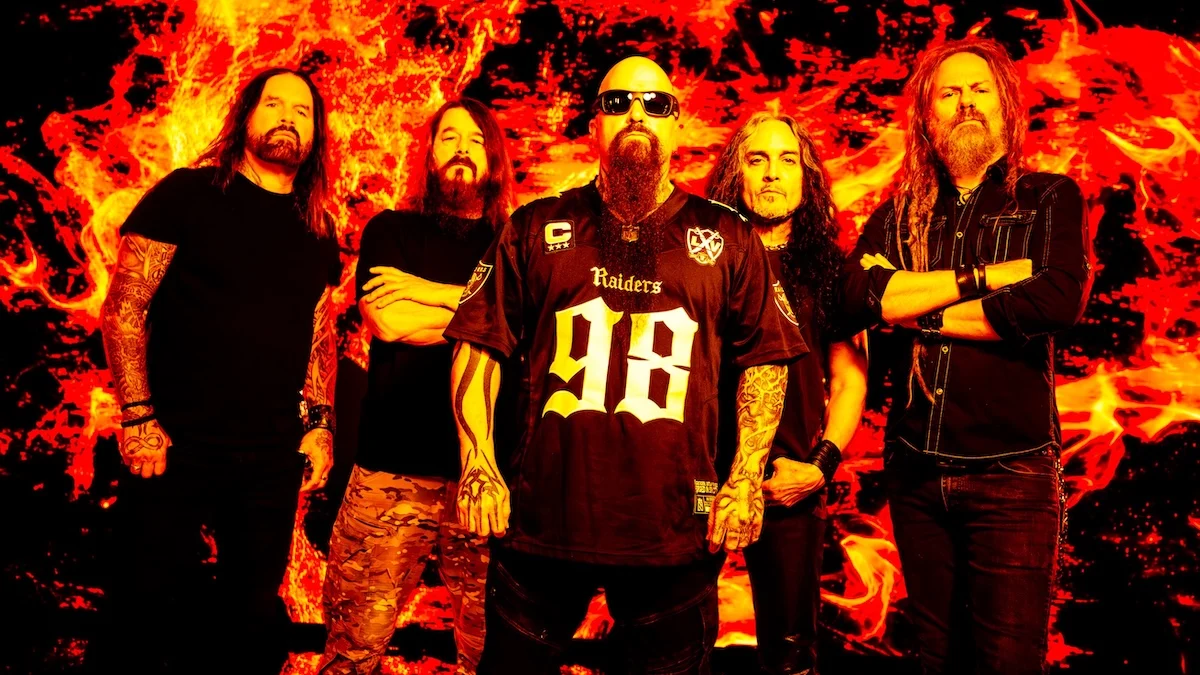
The release of "My War," the lead single from Kerry King’s sophomore solo effort The End of All Gods, signals a definitive new chapter for the architect of modern thrash metal. Following the dissolution of Slayer in 2019, the metal community speculated extensively on the future of its most aggressive figures. While Slayer’s farewell tour was marketed as the final curtain call for the legendary quartet, the inevitable return of Kerry King to the recording studio has proven that his creative engine remains as volatile and uncompromising as ever.
The Evolution of the Kerry King Solo Project
The trajectory leading to this release began in the wake of Slayer’s 2019 retirement. For many observers, the end of the band—largely influenced by vocalist and bassist Tom Araya’s desire to step away from the rigors of global touring—left a void in the extreme metal landscape. King, known for his relentless work ethic and signature rhythmic aggression, did not remain idle for long. Although the global pandemic of 2020 initially disrupted plans for a debut, King utilized the downtime to refine his vision for a solo career that would maintain the sonic DNA of his previous work while exploring new territories of speed and dissonance.
By 2024, King had assembled a formidable ensemble, effectively transitioning from a solo artist in name to a functioning, cohesive unit. The lineup, which includes drummer Paul Bostaph—a long-time collaborator from the Slayer era—alongside guitarist Phil Demmel (ex-Machine Head), vocalist Mark Osegueda (Death Angel), and bassist Kyle Sanders (Hellyeah), provides a level of musical synergy that elevates "My War" beyond standard demo-level compositions. The presence of Osegueda, in particular, has been cited by industry analysts as a pivotal factor in the band’s ability to bridge the gap between classic thrash aesthetics and contemporary production standards.
Musical Analysis of My War
"My War" functions as a masterclass in modern thrash composition. The track is characterized by a breakneck tempo and riff structures that lean into the "evil" melodic sensibilities often associated with bands like Judas Priest, albeit delivered with the nihilistic intensity synonymous with King’s career. From a technical standpoint, the song utilizes complex time signatures that maintain a cohesive, pummeling rhythm, ensuring that the aggressive nature of the track never sacrifices musicality for mere speed.
Mark Osegueda’s vocal performance is a highlight of the release. Having established himself as a premier voice in the thrash genre over several decades with Death Angel, Osegueda provides a nuanced, gravel-throated delivery that complements the chaotic fretwork of King and Demmel. The collaboration feels organic, suggesting that the group has moved past the growing pains often associated with "supergroup" formations and into a period of genuine creative output.
Contextualizing the Industry Impact
The release of The End of All Gods and its lead single comes at a time when the metal genre is experiencing a resurgence in both critical and commercial viability. Data from the music industry suggests a growing appetite for established metal icons who continue to innovate while honoring the traditions of the 1980s and 90s. Kerry King’s ability to remain relevant in a landscape that has shifted toward more experimental sub-genres, such as technical death metal and black-gaze, is a testament to his foundational influence on these styles.
King’s role in developing the "psychedelic atonality" of modern extreme metal cannot be overstated. Throughout his tenure with Slayer, he pioneered a style of soloing and riff-writing that eschewed traditional blues-based scales in favor of dissonant, unsettling intervals. "My War" serves as a reminder that this aesthetic—which paved the way for the development of death metal and black metal—remains a potent force in contemporary heavy music.
Honorable Mentions in the Contemporary Metal Landscape
While King occupies the spotlight this week, the broader heavy music landscape remains active with significant releases that underscore the diversity of the genre.
Bruce Dickinson: Speaking in Tongues
The legendary Iron Maiden frontman, Bruce Dickinson, continues to defy expectations as he approaches his 70th birthday. Following his public battle with tongue cancer, his ability to maintain a touring schedule that would exhaust artists half his age remains one of the most remarkable stories in rock. "Speaking in Tongues," the latest track from his solo project, demonstrates a shift in his vocal approach. Where his earlier work relied on the "mad sergeant" war-cry, his current output is characterized by a "stately general" approach—a more controlled, authoritative, and theatrical vocal performance that highlights his longevity and technical mastery. The song hints at an atmospheric, occult-leaning direction reminiscent of his critically acclaimed The Chemical Wedding era.
Replicant: Anti-Cosmic Spiral
In the technical death metal sphere, Replicant has emerged as a leader in creating "abstract terror." Their latest split release, Indomitable Hostility, features the track "Anti-Cosmic Spiral." The song is a prime example of how modern death metal is moving away from the conventional "brutality-first" approach toward more cerebral, architectural soundscapes. By utilizing dissonant, jagged riffs and complex, geometric song structures, Replicant evokes the feeling of "monumental architecture"—a sonic environment that is as much about atmosphere as it is about physical intensity. For enthusiasts of the genre, this track represents a sophisticated evolution of death metal’s visual and auditory language.
Trivium: The Terror
Trivium continues to occupy a unique space in the metal industry by successfully fusing mainstream appeal with the technical rigor of the underground. "The Terror" is a case study in genre-blending, incorporating elements of traditional heavy metal, progressive structures inspired by artists like Queensryche and Ihsahn, and the massive, radio-ready choruses that have become their trademark. Analysts have noted that Trivium’s refusal to stagnate—opting instead for a process of constant sonic experimentation—has earned them respect even among the most stringent "purist" metal circles. Their ability to remain relevant while scaling their sound for larger audiences highlights a strategic approach to longevity that few bands in the modern era have managed to replicate.
Implications and Future Outlook
The current cycle of releases—led by King, Dickinson, Replicant, and Trivium—reflects a healthy, multi-generational ecosystem in metal. The implication for the industry is clear: fans are increasingly looking for artists who can balance a respect for historical precedent with a willingness to push the boundaries of their respective sub-genres.
Kerry King’s trajectory, in particular, offers a roadmap for legacy artists looking to redefine their output in a post-foundational band era. By focusing on a lean, high-output band model rather than a solo vanity project, King has ensured that the "My War" era of his career is perceived as a continuation of his legacy rather than a departure from it. As The End of All Gods prepares for its full-length release, the industry will be watching closely to see if this momentum can be sustained. For now, "My War" stands as a definitive statement of intent: the thrash icon has not finished with the industry, and he has no intention of slowing down.