The long-standing theater publication Playbill has issued a formal apology after hosting a job advertisement for a project titled George Floyd the Musical, a move that triggered a wave of condemnation across the theatrical community and beyond. The listing, which sought singers for a cast album, was published through the Playbill Jobs platform before being pulled amid mounting pressure from Broadway professionals and social media users who characterized the project as deeply offensive and exploitative.
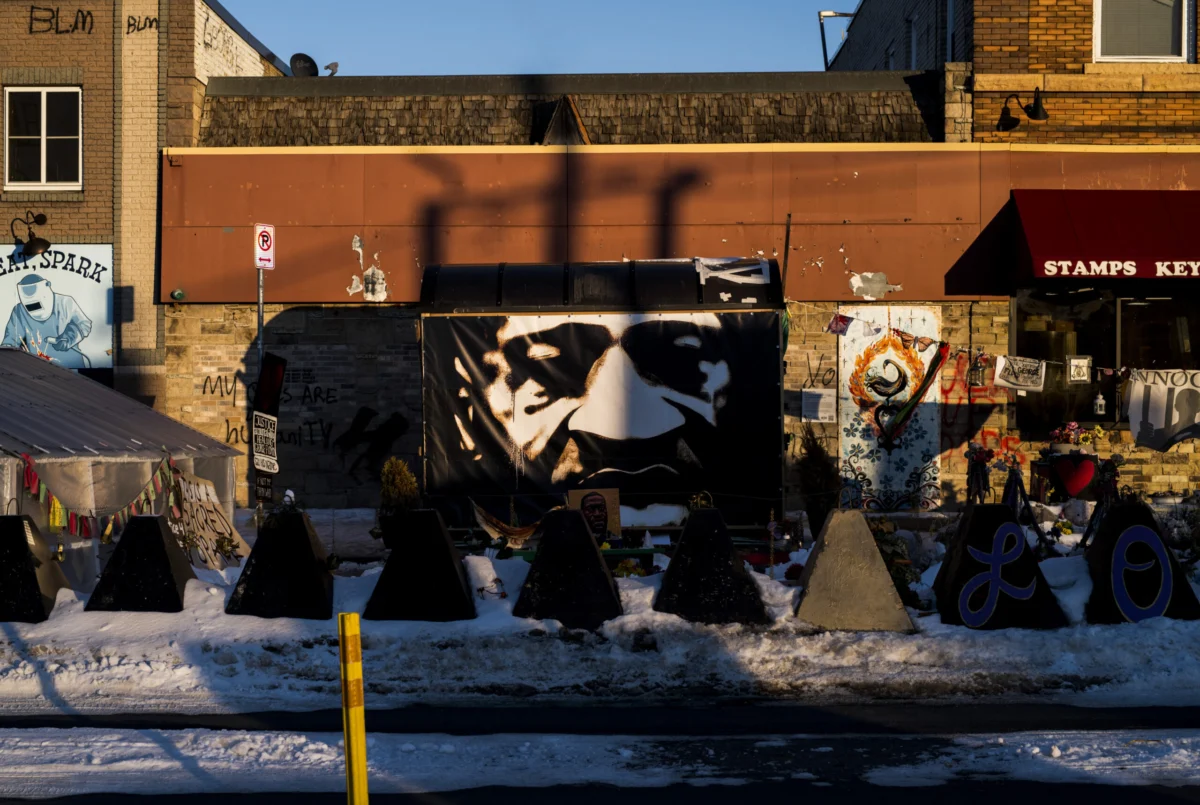
The controversy centers on Busted Broadway, an entity known for producing musical recordings that lean into shock value and absurdist humor. By utilizing the name of George Floyd—a man whose 2020 murder by police in Minneapolis sparked a global reckoning regarding systemic racism and police brutality—the production company has ignited a debate regarding the boundaries of artistic satire and the responsibilities of industry platforms to vet the content they facilitate.
A Chronology of the Controversy
The incident unfolded over the course of several days in mid-November. The advertisement appeared on the Playbill Jobs portal, a primary resource for industry professionals seeking employment, casting calls, and production opportunities. Almost immediately upon the ad’s visibility, members of the theater community identified the title and flagged it as highly inflammatory.
Within hours of the ad’s discovery, a firestorm erupted on social media platforms including X (formerly Twitter) and Instagram. Prominent Broadway performers, directors, and theater-goers voiced their outrage, labeling the project as a trivialization of a national tragedy. The collective response was characterized by a demand for accountability from Playbill, which has historically positioned itself as a steward of theater culture and an advocate for the Broadway community.
By Thursday, the situation had escalated to a point where Busted Broadway felt compelled to issue a defensive statement on its official social media channels. The company insisted that the project was not intended to mock George Floyd as an individual, but rather to serve as a satire on the “culture” surrounding the event. Busted Broadway cautioned critics against judging the work by its title alone, suggesting that the artistic merit—or the nature of the satire—could only be evaluated by those who had access to the full script and score.
Playbill took definitive action shortly thereafter, removing the listing and issuing a public apology. The company stated that the ad had been "incorrectly approved" and that leadership had initiated a comprehensive review of its internal vetting and approval processes to ensure that such content would not reach their platform in the future.
The Business Model of Busted Broadway
To understand the scale of the backlash, it is necessary to examine the operational philosophy of Busted Broadway. The company’s website explicitly markets itself as an outlet for "musical cast recordings that are too ridiculous, too raunchy and too absurd to see the stage." Their portfolio includes projects such as Human Centipede: The Musical and Genghis Khan: The Musical, titles that signal an intent to operate within the realm of extreme provocation.
The company’s branding makes it clear that they do not cater to mainstream sensibilities, explicitly stating that their output is "not for the mollycoddled or politically correct listener." However, the transition from parodying cinematic horror or historical figures to addressing a contemporary civil rights tragedy represents a significant shift in the company’s content strategy. By titling the project George Floyd: The Musical and including the tagline "The $20 bill that changed the world," Busted Broadway signaled an intent to engage directly with the specific, sensitive details of the 2020 incident.
The Ethics of Satire and Artistic Responsibility
The conflict raises fundamental questions about the limits of satire. Satire, by definition, often seeks to hold power to account or expose societal hypocrisies through exaggeration or mockery. Proponents of artistic freedom argue that creators should be allowed to explore any subject matter, regardless of how dark or controversial. However, critics of the Busted Broadway project argue that when satire intersects with recent, high-profile trauma—particularly trauma rooted in racial violence—the threshold for what constitutes "edgy" art versus "hateful" content is crossed.
Industry experts note that while theater has a long history of biting political commentary, there is a distinction between challenging a status quo and exploiting the memory of a victim of violence for commercial or shock-value gain. The intense negative reaction from the theater community suggests that many professionals view the project not as a legitimate creative endeavor, but as an act of bad-faith provocation.
Institutional Consequences for Playbill
For Playbill, the incident represents a significant public relations crisis. As a publication that serves as the "face" of the Broadway industry, the company holds a unique position of trust. By facilitating a platform for a project that many considered inherently hateful, the publication inadvertently associated its brand with the controversial content.
The repercussions for both the company and the platform have been swift. Following the internal investigation into the approval of the ad, Playbill announced a total ban on all Busted Broadway content. According to reports from Deadline and other industry outlets, Playbill has committed to a policy of excluding the company’s projects from any future coverage or advertisements. This move is intended to signal to their audience that the platform is committed to maintaining a standard of "empathy, consideration, and respect."
Broader Implications for Industry Platforms
The incident serves as a case study for digital platforms in the arts and entertainment sector. As these platforms automate job listings and submissions to keep pace with industry demand, the risk of vetting failure increases. The George Floyd: The Musical incident highlights the necessity for human oversight in content moderation, particularly when the subject matter touches upon sensitive social issues.
Industry analysts suggest that this event may lead to more stringent "Terms of Service" agreements for creative platforms. Such policies would likely grant platforms broader discretion to reject content that is deemed discriminatory, inflammatory, or exploitative, even if it does not technically violate standard anti-harassment laws. For companies like Playbill, the goal is to balance the role of a neutral information hub with the responsibility of a cultural gatekeeper.
The Impact on the Theater Community
The theater community’s rapid mobilization against this advertisement underscores the industry’s evolving stance on social justice. In the years following 2020, Broadway and regional theaters have faced significant internal pressure to address systemic inequities and to foster more inclusive environments. This shift has made the industry, and those who report on it, increasingly sensitive to content that appears to dismiss or mock the experiences of marginalized groups.
The rejection of the Busted Broadway project is, in many ways, an extension of these ongoing cultural shifts. It reflects a community that is no longer willing to tolerate content that relies on the exploitation of racial trauma, even under the guise of artistic expression.
As the situation settles, the focus remains on whether Busted Broadway will continue to produce the project independently or if the broad-scale industry pushback will effectively stifle its distribution. Regardless, the incident has left a clear mark on the digital landscape of Broadway, serving as a reminder that the intersection of art, commerce, and social memory is a volatile space that demands a high degree of ethical discernment. Playbill’s promise to "do better" will now be tested as they refine their internal processes to ensure that their platform remains aligned with the values of the community they serve.