
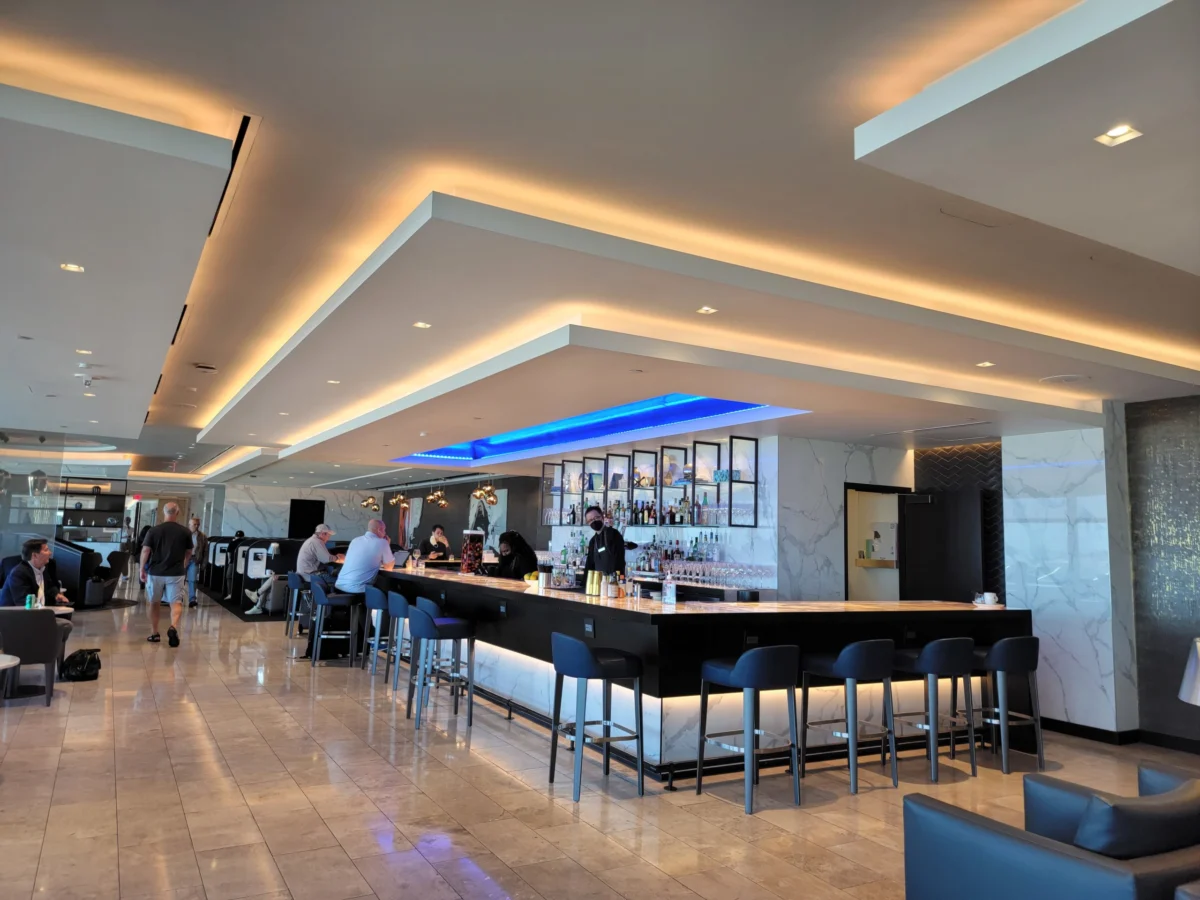
United Airlines has officially updated its access policies for the prestigious Polaris Lounge network, implementing stricter criteria that prioritize its own premium passengers and those flying with select joint venture partners. This strategic pivot marks a significant departure from the broader Star Alliance reciprocity that previously defined the carrier’s lounge entry rules. Under the new guidelines, business class passengers traveling on Star Alliance partner airlines that do not participate in United’s core revenue-sharing agreements will no longer be eligible to enter Polaris Lounges, regardless of their ticket class or frequent flyer status. These passengers will instead be redirected to standard United Club locations.
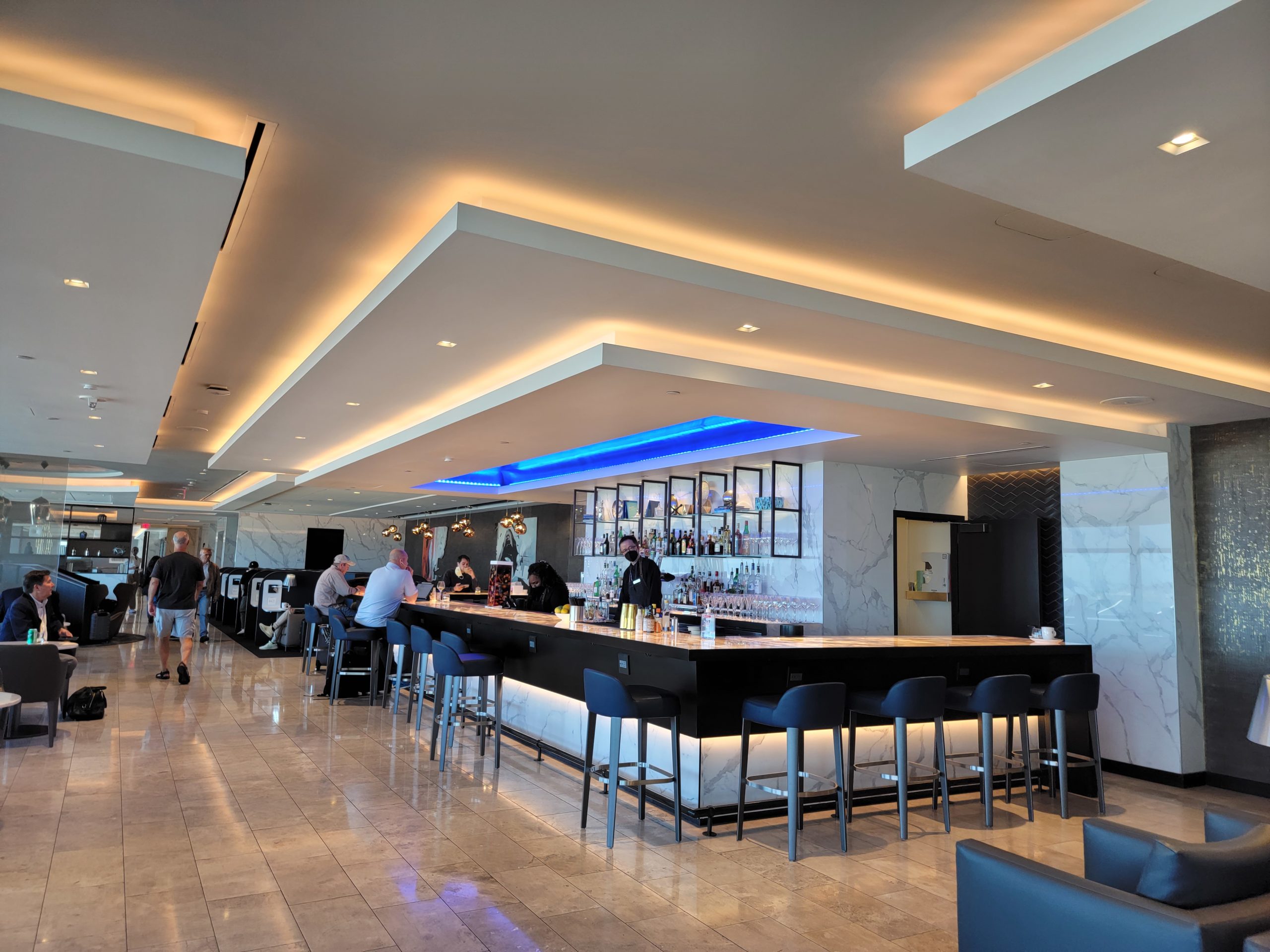
The decision reflects a broader trend within the aviation industry to segment premium ground experiences as lounges face unprecedented levels of overcrowding. As United Airlines continues to execute its "United Next" growth strategy—which involves the acquisition of hundreds of wide-body aircraft and a substantial increase in premium cabin seat counts—the carrier is prioritizing the exclusivity and comfort of its highest-value customers. By narrowing the gate, United aims to preserve the "sanctuary" atmosphere of the Polaris brand, which has struggled to maintain its high service standards during peak travel windows at major hubs like Newark Liberty International and San Francisco International.
The New Access Hierarchy and Partner Exclusions
The updated policy creates a clear hierarchy for lounge eligibility. At the top of the tier are United Polaris passengers, who retain the most flexible access rights. These travelers can access Polaris Lounges at their departure, connecting, and arrival airports, provided they are traveling on a same-day international itinerary. Notably, United has maintained its strict no-guest policy for its own business class passengers to manage capacity.
For partner airlines, the rules have become significantly more granular. Access is now largely restricted to "joint venture" (JV) partners—airlines with which United shares revenue and coordinates schedules under antitrust immunity. This group includes Lufthansa, Swiss International Air Lines, All Nippon Airways (ANA), Austrian Airlines, Brussels Airlines, and Air New Zealand. Passengers traveling in First Class on Lufthansa, Swiss, or ANA are permitted one guest, provided the guest is also traveling on an international long-haul flight. Business class passengers on these specific partners, however, are granted access only at their departure airport and are not permitted to bring guests.
A conspicuous exclusion from this list is Air Canada. Despite being a founding member of the Star Alliance and a close North American partner, Air Canada passengers do not currently gain access to Polaris Lounges for their transborder flights. This is largely due to the "international long-haul" requirement; because Air Canada does not operate long-haul international flights departing from U.S. gateways (instead routing passengers through its Canadian hubs in Toronto, Montreal, or Vancouver), its passengers do not meet the technical criteria for Polaris entry. Furthermore, passengers on non-JV Star Alliance carriers, such as Singapore Airlines, Turkish Airlines, or EVA Air, are now excluded from Polaris Lounges even when flying in business class from United hubs, a move that significantly diminishes the perceived value of the Star Alliance network for premium travelers.
The Paradox of "Basic Business" Fares
One of the most complex aspects of the new policy involves the introduction of "Basic Business" fares. As the industry moves toward unbundled pricing models, United has begun experimenting with lower-cost business class tickets that strip away traditional perks such as advanced seat selection, flexibility, and lounge access.
Under the revised rules, United’s own passengers traveling on these "Basic Business" fares are explicitly barred from entering Polaris Lounges. However, a discrepancy exists for joint venture partners. Passengers flying on "Basic" or "Light" business class fares on Lufthansa, Swiss, Austrian, or Brussels Airlines currently retain their Polaris Lounge access. This creates a scenario where a passenger on a discounted Lufthansa business class ticket may enjoy the full amenities of the Polaris Lounge, while a United passenger on a similar "Basic" fare is denied entry. Industry analysts suggest this disparity is likely a result of existing contractual obligations between JV partners that have yet to be synchronized with United’s internal fare structures.
Chronology of the Polaris Brand and Capacity Pressure
To understand the necessity of these restrictions, one must look at the timeline of the Polaris rollout. Launched in December 2016, the Polaris brand was designed to replace United’s aging "Global First" and "BusinessFirst" products. The first lounge opened at Chicago O’Hare (ORD) to critical acclaim, featuring sit-down dining, daybeds, and high-end shower suites.
- December 2016: Opening of the first Polaris Lounge at Chicago O’Hare.
- 2018: Rapid expansion with openings at San Francisco (SFO), Newark (EWR), and Houston (IAH).
- 2019: Opening at Los Angeles (LAX).
- 2021: Following a pandemic-induced hiatus, the Washington Dulles (IAD) lounge opened.
- 2022–2023: United reports record-breaking premium cabin demand, leading to frequent "at capacity" signage at EWR and SFO locations.
- 2024: Implementation of the current restrictive access policy to mitigate overcrowding.
The capacity issue is exacerbated by United’s fleet renewal program. The airline is currently taking delivery of new Boeing 787 Dreamliners and retrofitting existing aircraft with larger Polaris cabins. As the total number of Polaris seats in the sky increases, the ground infrastructure has struggled to keep pace. By removing Star Alliance partner passengers who are not part of the core revenue-sharing JVs, United is effectively reclaiming thousands of square feet of lounge space for its own customers.
Competitive Pressures and the Transcontinental Shift
The decision to restrict access is also a defensive move against domestic competitors. American Airlines and Delta Air Lines have both invested heavily in their own exclusive lounge products. American’s "Flagship Lounges" and Delta’s upcoming "Delta One Lounges" are designed to cater specifically to international business class and premium transcontinental travelers.
In a bid to remain competitive on high-yield domestic routes, United has recently expanded Polaris access to passengers on premium transcontinental flights between Newark and Los Angeles or San Francisco. Previously, these passengers were limited to United Clubs. By allowing these high-value domestic travelers into Polaris Lounges, United is aligning its product offering with American’s Flagship service, but this adds even more pressure to lounge capacity—necessitating the removal of Star Alliance partner passengers to make room.
Implications for the Star Alliance and the Future of Alliances
The move by United signals a potential shift in the importance of global alliances versus bilateral joint ventures. Historically, the Star Alliance was built on the promise of a seamless experience: a business class ticket on any member airline should, in theory, provide access to any member’s lounge. By creating a "lounge within a lounge" hierarchy, United is prioritizing "metal neutrality"—the idea that United, Lufthansa, and ANA operate as a single entity on certain routes—over the broader alliance framework.
For airlines like EgyptAir, Ethiopian Airlines, or Avianca, this change is a significant blow. Their premium passengers, who may have chosen those carriers specifically for the ground experience at U.S. hubs, will now find themselves in the often-crowded standard United Clubs. This could lead to a shift in booking patterns, as savvy travelers may opt for United or its JV partners to ensure they receive the full premium experience.
Analysis of the Ground Experience Impact
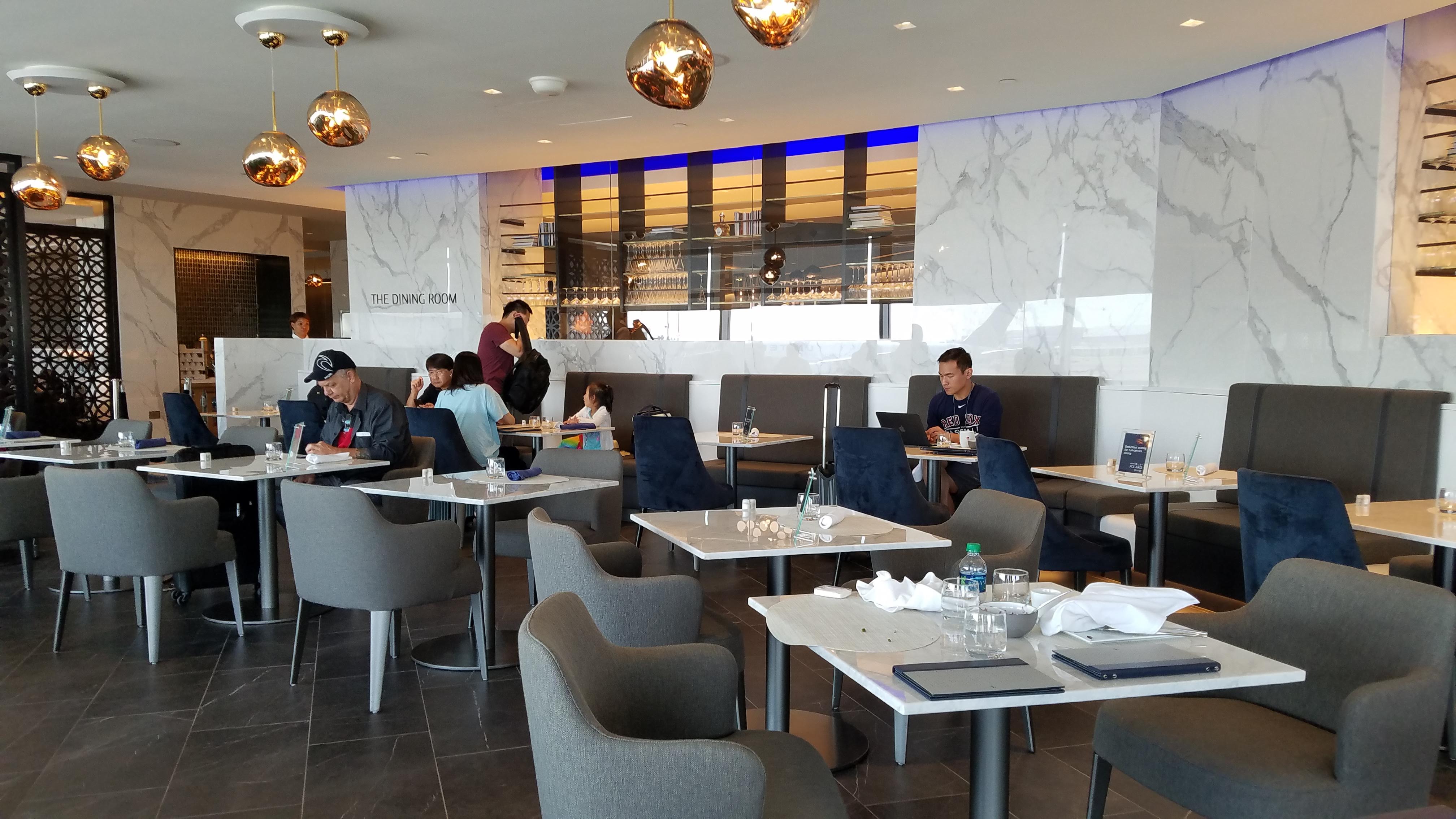
The Polaris Lounge is widely considered the best business class lounge product offered by any U.S. carrier. The inclusion of "The Dining Room," a full-service restaurant with a multi-course menu, is a significant cost center for the airline. Each guest who enters represents a substantial investment in food, beverage, and labor. From a financial perspective, United has little incentive to provide a $100+ dining experience to a passenger whose ticket revenue went entirely to a non-partner airline.
By restricting access, United can ensure that the "The Dining Room" wait times are reduced and that the quiet suites remain available for their own long-haul travelers. However, the move risks alienating loyal Star Alliance flyers who have spent years building status within the network. As alliances continue to evolve, the industry may see more "boutique" exclusions where the highest-end amenities are reserved strictly for the host carrier’s most profitable relationships.
In conclusion, United Airlines’ decision to tighten Polaris Lounge access is a pragmatic response to the challenges of success. As premium travel demand continues to surge and the "United Next" strategy brings more premium seats to the market, the airline must balance the promise of a luxury experience with the physical realities of lounge capacity. While the move weakens the "all-access" spirit of the Star Alliance, it reinforces the value of United’s core joint ventures and ensures that its own Polaris passengers receive the exclusive environment they paid for.










Leave a Reply