
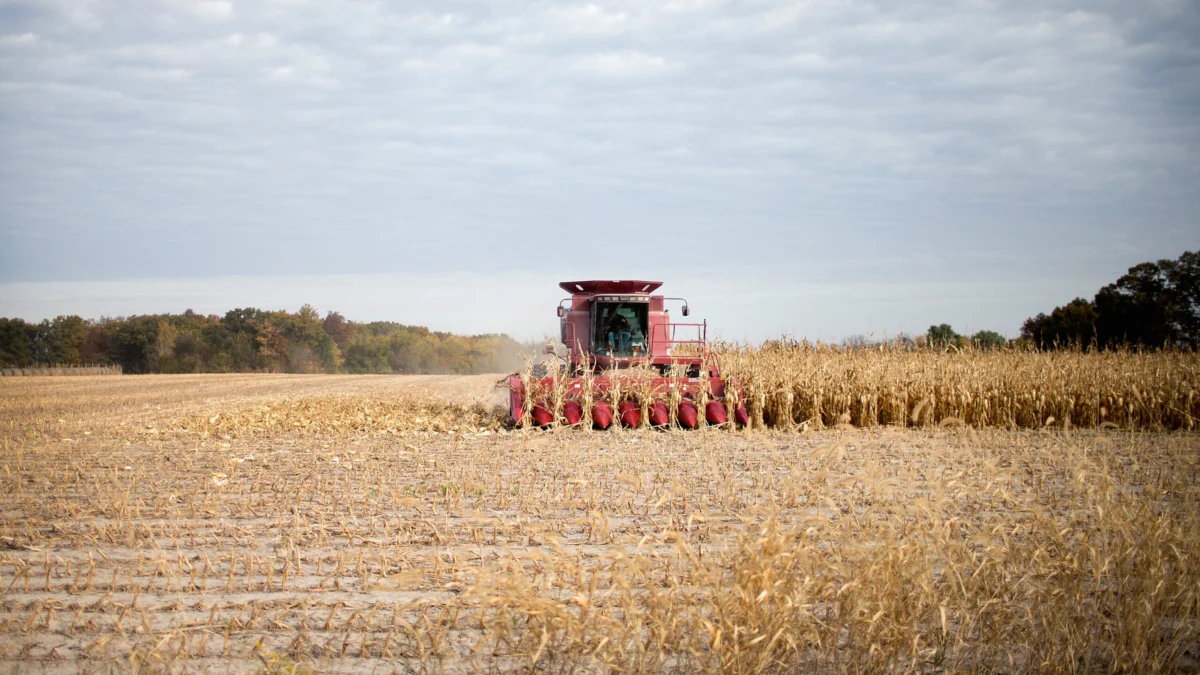
The Iowa state legislature has successfully advanced a controversial measure designed to provide a legal fortress for the state’s massive agricultural industry, shielding operations from civil liability related to greenhouse gas emissions and their perceived role in global climate change. The bill, which now sits on the desk of Governor Kim Reynolds for final approval, represents a significant victory for industrial agricultural interests but has sparked intense debate among family farm advocates and environmental watchdogs who argue the protections are both unnecessary for individual farmers and overly beneficial to large-scale industrial processors.
While proponents of the legislation, such as State Representative Derek Wulf, argue that the bill is a proactive strike against "frivolous lawsuits" targeting the backbone of Iowa’s economy, critics suggest the legal shield is actually designed to protect the state’s sprawling ethanol and meat-processing sectors. The tension underscores a deepening divide in Iowa over how the state should navigate its dual identity as a global agricultural powerhouse and a significant contributor to carbon emissions.
A Solution in Search of a Problem: The Legislative Impetus
The push for the legislation began in earnest during the early months of the 2024 legislative session. Representative Wulf, a farmer from Hudson, Iowa, introduced the bill to insulate ranchers and farmers from legal challenges based on "perceived greenhouse gases." During House debates in February, Wulf characterized the bill as a necessary safeguard against activist-driven litigation that could bankrupt multi-generational family farms.
However, the necessity of such a shield has been called into question by agricultural leaders themselves. Aaron Lehman, president of the Iowa Farmers Union, has been a vocal critic of the bill, noting that climate-related lawsuits against individual farmers are virtually non-existent. "We are not aware of any farmer or rancher who has been threatened by the types of legal challenges this law claims to protect them from," Lehman stated. He characterized the legislative push as a product of "cynical and short-sighted political forces" that distract from the real work of engaging farmers in climate-resiliency efforts.
The lack of existing litigation supports Lehman’s assessment. While there have been high-profile cases against multinational corporations—such as the New York Attorney General’s lawsuit against JBS USA and the Environmental Working Group’s action against Tyson Foods—these cases focused on "greenwashing" and deceptive marketing regarding net-zero claims, rather than direct liability for climate-induced damages. In Iowa, the closest precedent was a 2018 threat by residents to sue the Department of Natural Resources over hog confinement emissions, a challenge that would have targeted a state regulatory agency rather than an individual producer.
Chronology of the Legislative Movement
The passage of this bill is part of a broader, multi-year trend in Iowa and across the United States to expand "Right to Farm" laws and other liability shields.
- 2021: Florida amends its "Right to Farm Act" to include protections against nuisance lawsuits related to odors and emissions, setting a precedent for other agricultural states.
- 2023: South Dakota Governor Kristi Noem signs legislation making it significantly more difficult to file nuisance complaints against agricultural operations regarding pollution or odors.
- February 2024: The Iowa House debates and passes the initial version of the climate lawsuit shield, with proponents citing the need to protect the state’s $30 billion agricultural economy.
- March 2024: Utah Governor Spencer Cox signs HB 222, a law even broader than Iowa’s, which limits liability for greenhouse gas emissions for all individual emitters, not just those in the agricultural sector.
- April 2024: The Iowa Senate passes the final version of the bill, sending it to Governor Reynolds.
- Present: The bill awaits the Governor’s signature, expected to be granted given her history of supporting agricultural deregulation.
Supporting Data: The Ethanol Industry’s Stake
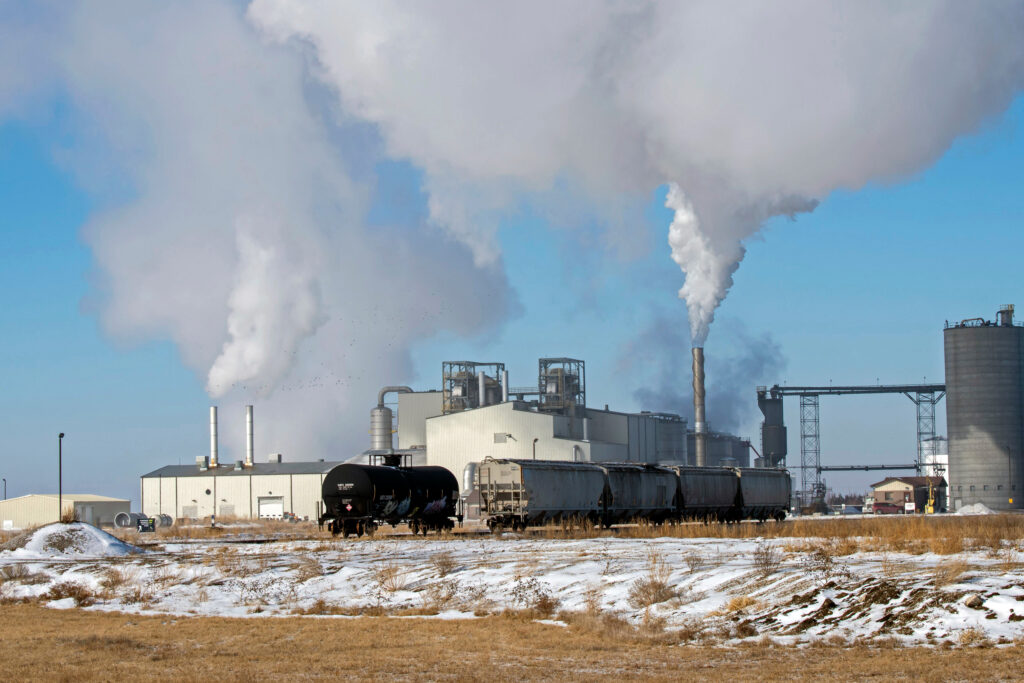
The most significant beneficiaries of the bill may not be the farmers harvesting corn, but the industrial facilities that process it. Iowa is the undisputed leader in U.S. ethanol production, housing 42 plants—nearly a quarter of the nation’s total ethanol infrastructure. Approximately 40 percent of all corn grown in Iowa is diverted to these plants, where it is converted into fuel through a fermentation process that inherently releases massive quantities of carbon dioxide.
Data from the Iowa Renewable Fuels Association indicates that the state produces roughly 4.5 billion gallons of ethanol and biodiesel annually. While ethanol is often marketed as a "green" alternative to petroleum, the industrial footprint of these 42 plants is substantial. According to EPA Greenhouse Gas Reporting Program data, industrial fermentation and the energy-intensive nature of ethanol refining make these facilities primary targets for emissions-related scrutiny.
The vulnerability of these plants to legal and regulatory action is already evident:

- Quad County Corn Processors: In 2023, the Iowa Attorney General sued this Galva-based plant for $6 million in fines following 600 days of Clean Air Act violations. The plant eventually settled for $100,000.
- POET Bioprocessing: This facility in north-central Iowa was hit with a $10,000 penalty by the DNR for failing to update emissions-reducing equipment, leading to excess CO2 releases.
By defining "agricultural sources" to include any location where a commodity is "processed or distributed," the new bill effectively extends a legal umbrella over these industrial ethanol plants and massive slaughterhouses, potentially insulating them from future tort litigation related to their climate impact.
Official Responses and Political Friction
The debate on the Senate floor highlighted the stark ideological divide between the state’s Republican majority and Democratic minority. Senator Art Staed (D-Cedar Rapids) argued that the bill’s exception for "clear and convincing evidence" of permit violations is a "red herring."
"Permits are a floor, not a guarantee of safety," Staed remarked during the debate. He expressed concern that as federal regulations shift—particularly with the potential reversal of the EPA’s "Endangerment Finding" under future administrations—state-level permits may no longer provide meaningful limits on greenhouse gas emissions. "This bill will only contribute to the ongoing race to the bottom as far as climate protections are concerned," Staed added.
In contrast, industry groups like the Iowa Renewable Fuels Association and FUELIowa have registered their support for the bill. Though they declined to comment publicly on the specific nuances of the litigation shield, their lobbying efforts suggest that the industry views the bill as a critical component of "regulatory certainty." For these groups, the threat of climate litigation represents an existential risk to the massive capital investments required for ethanol production and carbon capture pipelines.
Broader Impact and Environmental Implications
The implications of the bill extend far beyond the borders of Iowa. Legal experts, including Dani Replogle of Food & Water Watch, suggest that such laws create a "justice gap" for communities affected by the climate crisis. If agricultural operations are granted immunity from civil liability for emissions, individuals and municipalities suffering from the effects of extreme weather, flooding, or agricultural runoff may find themselves without legal recourse.

Furthermore, the bill complicates the transition to sustainable agriculture. By providing a legal shield for current high-emission practices, the state may be inadvertently disincentivizing the adoption of carbon-sequestration techniques and more efficient processing technologies. Aaron Lehman of the Farmers Union noted that the bill "undermines long-standing efforts to engage farmers in the fight against climate change," suggesting that resources would be better spent on direct investment in local, farmer-based solutions rather than legal protections for industrial emitters.
As Iowa moves toward final enactment of this law, it joins a growing coalition of states that are effectively "pre-empting" climate litigation. This legal trend reflects a strategic shift by the fossil fuel and industrial agricultural sectors to move the battlefield from the courts—where science and evidence are weighed—to state legislatures, where political influence and economic arguments hold more sway.
Fact-Based Analysis: The Legal Threshold
The bill does not offer absolute immunity. It preserves a narrow path for litigation if a plaintiff can prove that an operation violated existing laws or permits. However, the "clear and convincing evidence" standard is a high bar in civil law, significantly more difficult to meet than the standard "preponderance of the evidence."
This heightened burden of proof, combined with the potential erosion of federal emissions standards, creates a formidable barrier to any future climate-related litigation in Iowa. For the state’s 80,000+ farmers, the bill may offer peace of mind against a threat that wasn’t there; for the state’s industrial processing giants, it offers a robust defense against the rising tide of global climate accountability. As Governor Reynolds prepares to sign the measure, the "Iowa model" of agricultural protectionism continues to solidify, setting a template for other farm-heavy states to follow.








Leave a Reply