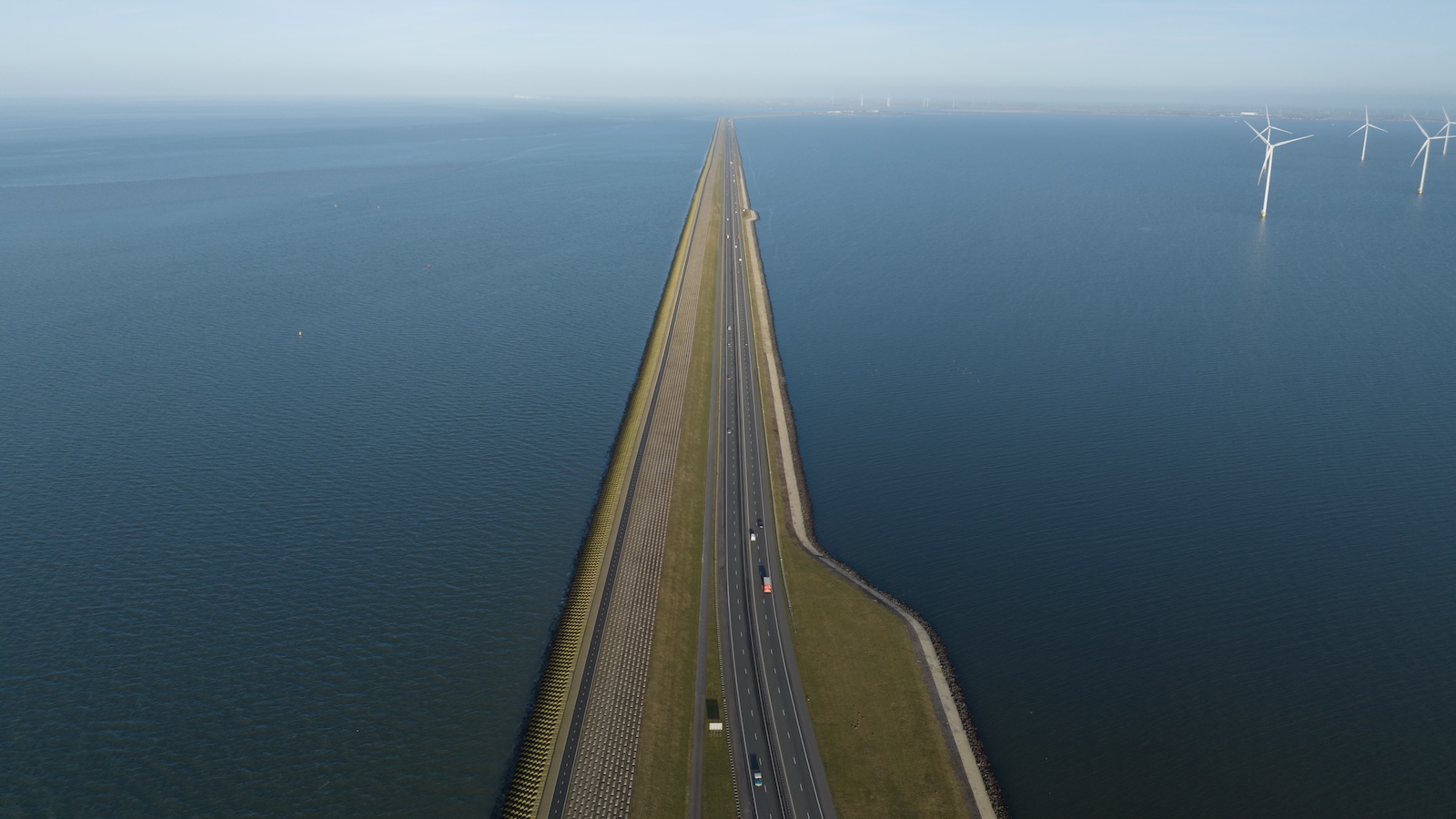
For nearly a century, the Afsluitdijk, a 32-kilometer causeway in the Netherlands, has stood as a monumental feat of engineering and a primary defense against the encroaching North Sea. Since its completion in 1932, the dam has protected the Dutch heartland from catastrophic flooding, effectively turning the salt-water Zuiderzee into the freshwater IJsselmeer. However, as the 21st century brought rising sea levels and more intense storm surges, the aging bulwark required a massive technological overhaul. The cost of such an endeavor was staggering, reaching into the hundreds of millions of dollars. Rather than draining the public treasury in a single, massive upfront payment, the Dutch government opted for a sophisticated financial maneuver: a 25-year Public-Private Partnership (PPP).
By signing a long-term contract with the Levvel consortium—a group of private contractors including Bam, Van Oord, and Rebel—the government secured the necessary upgrades while spreading the financial burden over decades. This model of private financing for public infrastructure has now become a cornerstone of a new argument being championed by global climate leaders. As cities worldwide grapple with the escalating costs of climate change, the traditional reliance on tax revenue and federal grants is proving insufficient. A new report from C40, a global network of nearly 100 mayors representing one-twelfth of the world’s population, argues that the survival of the world’s coastal and heat-vulnerable cities depends on their ability to court private investors.
The Financial Reality of a Warming World
The C40 report, released during the World Bank’s spring meetings, highlights a widening chasm between the funding required for urban adaptation and the capital currently deployed. While global attention has historically focused on "mitigation"—reducing carbon emissions through renewable energy and electric vehicles—"adaptation" has remained the underfunded sibling of climate policy. Adaptation involves the physical hardening of cities: sea walls, permeable pavements, sophisticated drainage systems, and heat-mitigating green canopies.
According to research cited in the report, low- and middle-income countries alone face an adaptation price tag of between $256 billion and $821 billion by the year 2050. Despite this existential need, less than 1 percent of all climate-related funding is currently directed toward urban adaptation projects. The result is a dangerous "adaptation gap" that leaves millions of people in vulnerable metropolitan areas exposed to predictable disasters.
The primary hurdle is "bankability." In the world of finance, mitigation projects are relatively easy to sell. A solar farm generates electricity that can be sold; a building retrofit reduces energy bills, creating a clear stream of savings to pay back a loan. Adaptation, however, often focuses on "avoided losses." A sea wall does not generate a monthly invoice for the citizens it protects, making it difficult for private banks to see a traditional return on investment.
"Avoiding future damages is not a financing stream you can take to the bank in the way that you can energy efficiency and decarbonization," explained Dan Zarrilli, the former Chief Resilience Officer for New York City and current Chief Climate and Sustainability Officer at Columbia University. "Projects need to be bankable to attract the scale of capital required."
A Decade of Innovation: Case Studies in Adaptation Finance
To overcome the hurdle of bankability, the C40 report provides ten distinct case studies that demonstrate how creative financial structuring can turn public safety projects into attractive investment opportunities. These examples span the globe, from the industrial hubs of the United States to the burgeoning megacities of Southeast Asia and Africa.
One of the most notable examples highlighted by Zarrilli is the SMART Tunnel in Kuala Lumpur, Malaysia. Officially known as the Stormwater Management and Road Tunnel, the project addresses two of the city’s most pressing issues: flash flooding and traffic congestion. By integrating a revenue-generating toll road within a massive stormwater diversion channel, the city created a self-sustaining financial model. During normal weather, the lower levels of the tunnel carry vehicles, generating toll revenue for private investors. During extreme rain events, the traffic is diverted, and the entire structure acts as a conduit for floodwaters. This dual-purpose design provides the "revenue stream" that traditional sea walls lack.
In the Western Hemisphere, other innovative models are emerging:
- Mexico’s Coral Reef Insurance: In the state of Quintana Roo, a trust fund was established to purchase a parametric insurance policy for the Mesoamerican Barrier Reef. If a hurricane of a certain wind speed hits the coast, the insurance pays out immediately to fund reef restoration. This recognizes the reef as a piece of natural infrastructure that protects the multi-billion-dollar tourism industry from storm surges.
- Washington D.C.’s Environmental Impact Bonds: The District of Columbia Water and Sewer Authority (DC Water) issued a first-of-its-kind bond where the interest rate paid to investors is contingent on the performance of the project. If the "green infrastructure" (such as permeable pavement) manages stormwater more effectively than predicted, investors receive a higher payout. If it underperforms, the investors take a lower return, effectively sharing the risk with the public sector.
- São Paulo’s Wastewater Recovery: In Brazil, projects have focused on turning wastewater treatment into a circular economy model, where recovered water and nutrients are sold back to industrial users, creating the cash flow necessary to fund the expansion of the system.
The Shifting Geopolitical Landscape and the US Retreat
The push for private investment comes at a time of significant geopolitical volatility. In the United States, the landscape of climate finance is undergoing a dramatic transformation. Historically, the federal government has been the primary backer of large-scale infrastructure through agencies like FEMA and the Army Corps of Engineers. However, under the administration of President Donald Trump, there has been a notable shift in federal priorities, with a scaling back of direct climate adaptation support and a withdrawal from international climate agreements.
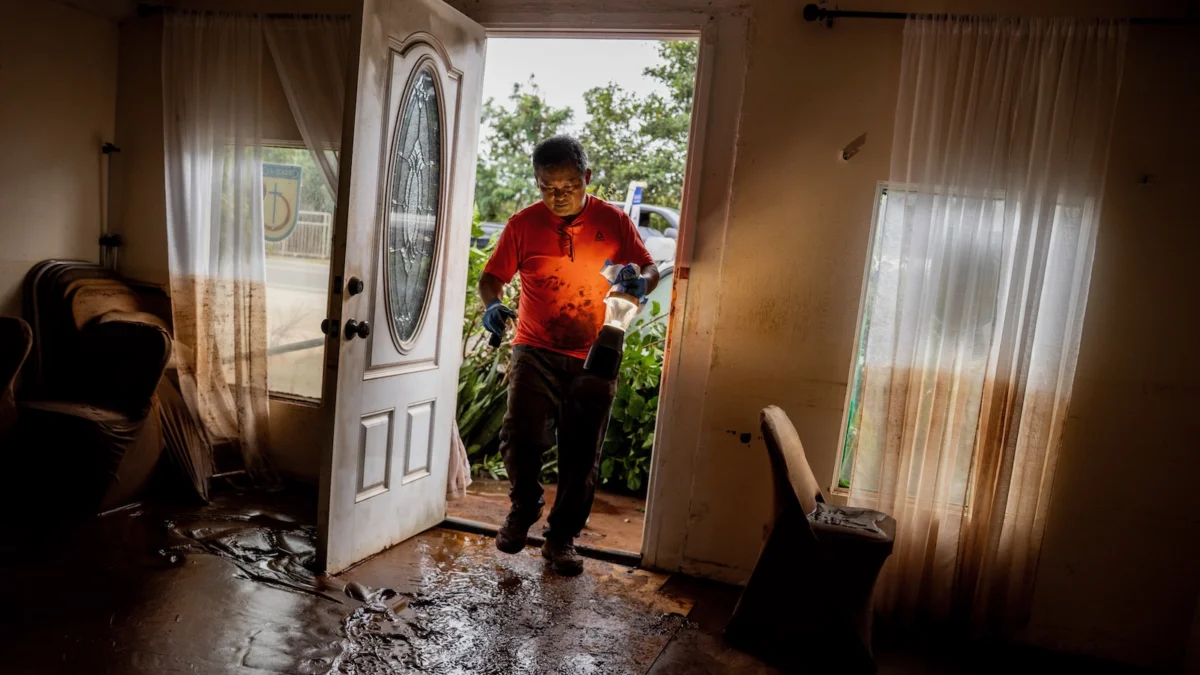
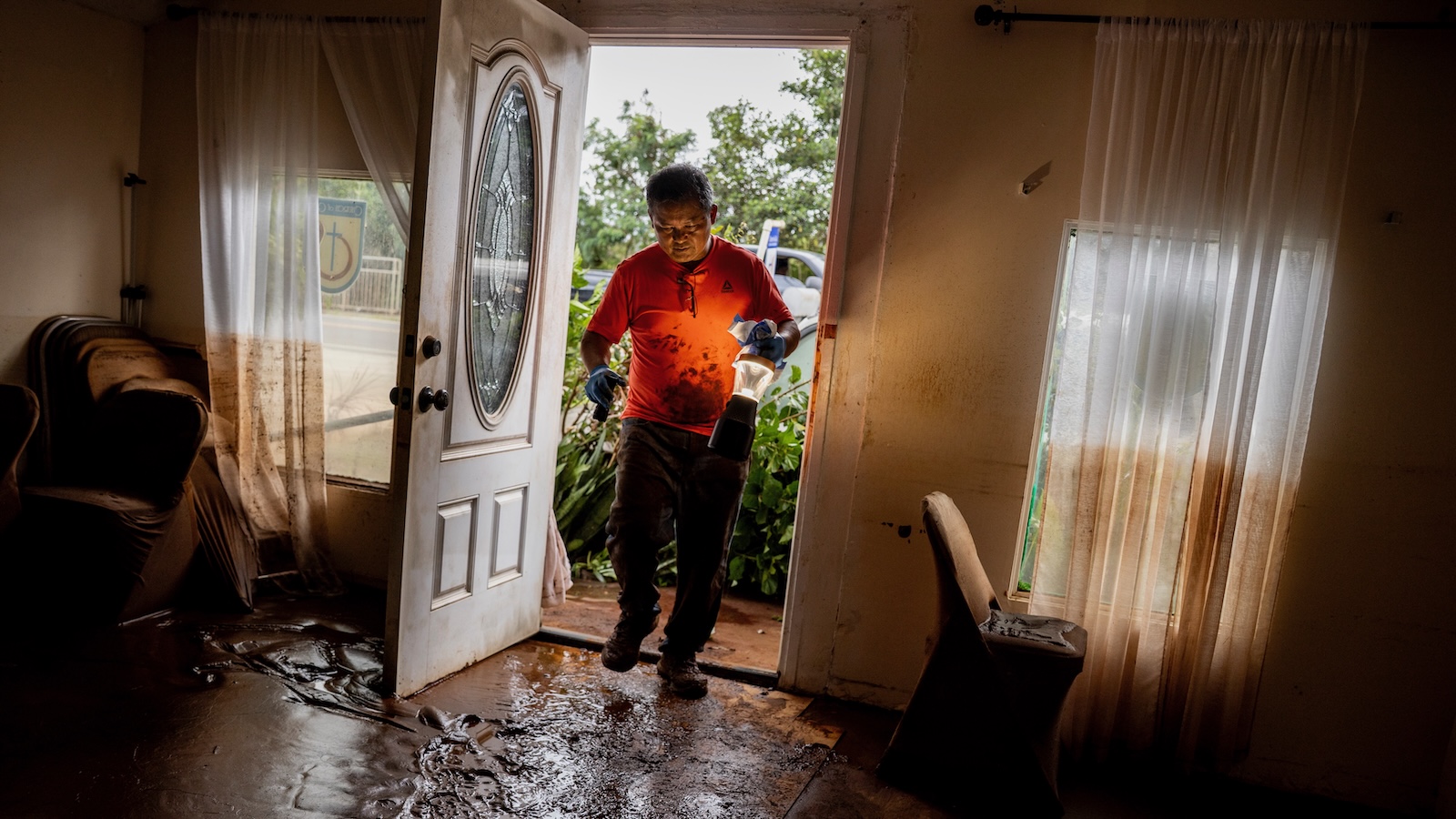
This federal retreat has placed an unprecedented burden on smaller municipalities and coastal cities. Dakota Fischer, an adaptation specialist with the Natural Resources Defense Council (NRDC), notes that many local governments simply do not have the tax base to fund the billion-dollar projects required to survive the next half-century of sea-level rise. "We all collectively are thinking more about how do you get more dollars for climate adaptation," Fischer said, emphasizing that the "retreat" of federal leadership has forced a surge in local creativity and a newfound openness to private partnerships.
However, the transition to private financing is not without its critics and risks. The Zurich Climate Resilience Alliance has cautioned that an over-reliance on the private sector could lead to a "protection gap" for the poor. Private investors are naturally drawn to high-value real estate—such as financial districts in London or New York—where the assets being protected justify the investment. There is a significant risk that low-income neighborhoods, which lack high-value assets but house the most vulnerable populations, will be bypassed by private capital.
Navigating the Risks of Privatized Protection
The C40 report acknowledges these ethical and operational risks. Debbie Hillier, head of the Zurich Climate Resilience Alliance, warns that while private investment is a necessary tool, it is not a panacea. "There is definitely scope there. But what we don’t want is to assume the private sector can do everything," she said. "They cannot and they will not."
One of the primary concerns is the potential for "short-termism." Private equity and institutional investors often look for returns within a five-to-ten-year window, whereas climate adaptation infrastructure is designed to last for a century. There is also the risk of "favoritism" or the perception that public funds are being funneled into private pockets through opaque procurement processes.
To mitigate these risks, the report stresses the importance of early engagement and transparent governance. Governments must establish clear rules around procurement, revenue sharing, and social safeguards before entering into agreements. "Successful experiences depend on how projects are structured—particularly in terms of cost and risk sharing, as well as strong social and environmental safeguards," said Barbara Barros, global head of adaptation finance for C40.
Furthermore, the report suggests "bundling" projects to attract large-scale institutional investors. Individual adaptation projects, such as a single neighborhood’s bioswales, are often too small for the World Bank or major pension funds to consider. By grouping multiple projects into a "green bond" or an adaptation fund, cities can create an investment vehicle of a scale that matches the requirements of global capital markets.
Conclusion: A New Vocabulary for Urban Survival
The evolution of the Afsluitdijk from a purely state-funded project to a privately-financed modern bulwark serves as a microcosm for a global shift. As the World Bank and other multilateral development banks look to reform their lending practices, the "C40 narrative" suggests that the future of city planning will be as much about financial engineering as it is about civil engineering.
The goal, according to Barros and other climate advocates, is to move beyond the "capitalist" optics of private investment and focus on the pragmatic reality of protection. For many cities, the choice is no longer between public or private funding; the choice is between private funding or no project at all. Without a massive influx of outside capital, many of the world’s most vibrant urban centers will remain defenseless against the accelerating impacts of a warming planet.
"It will take some years for cities to think differently," Barros concluded. But as the floodwaters rise and federal budgets shrink, that shift in thinking is no longer an option—it is a necessity. By building a "shared vocabulary" between mayors and markets, the architects of urban resilience hope to ensure that the cities of the future are not only built to last but are also funded to survive.