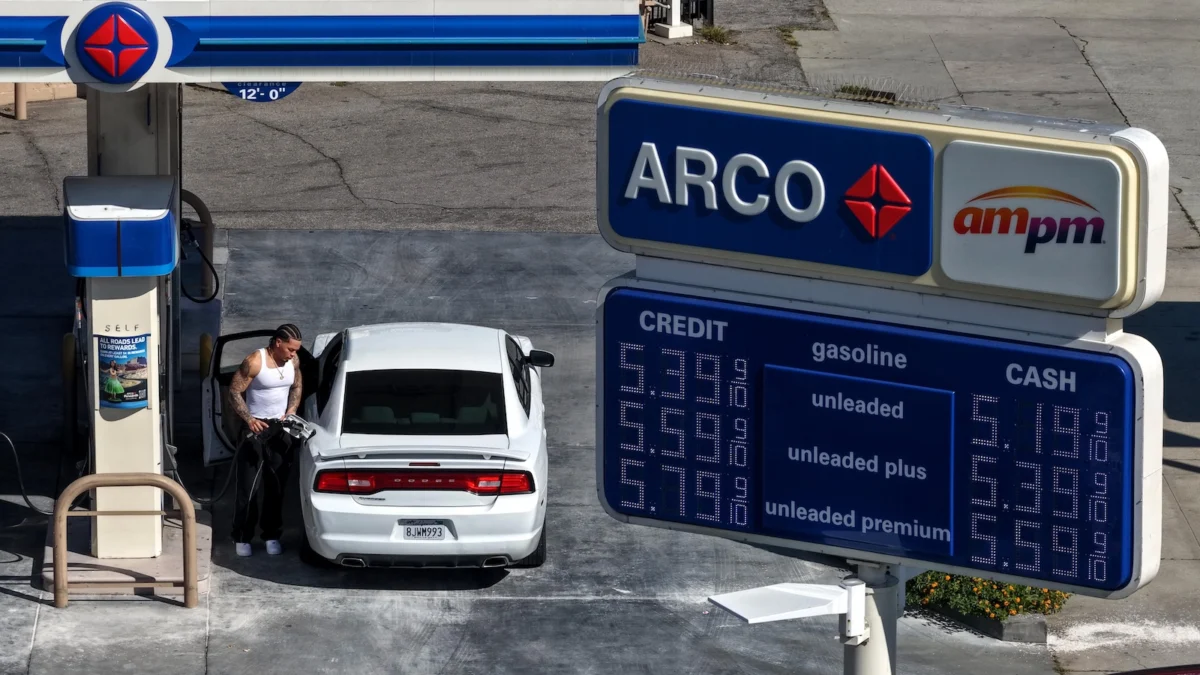
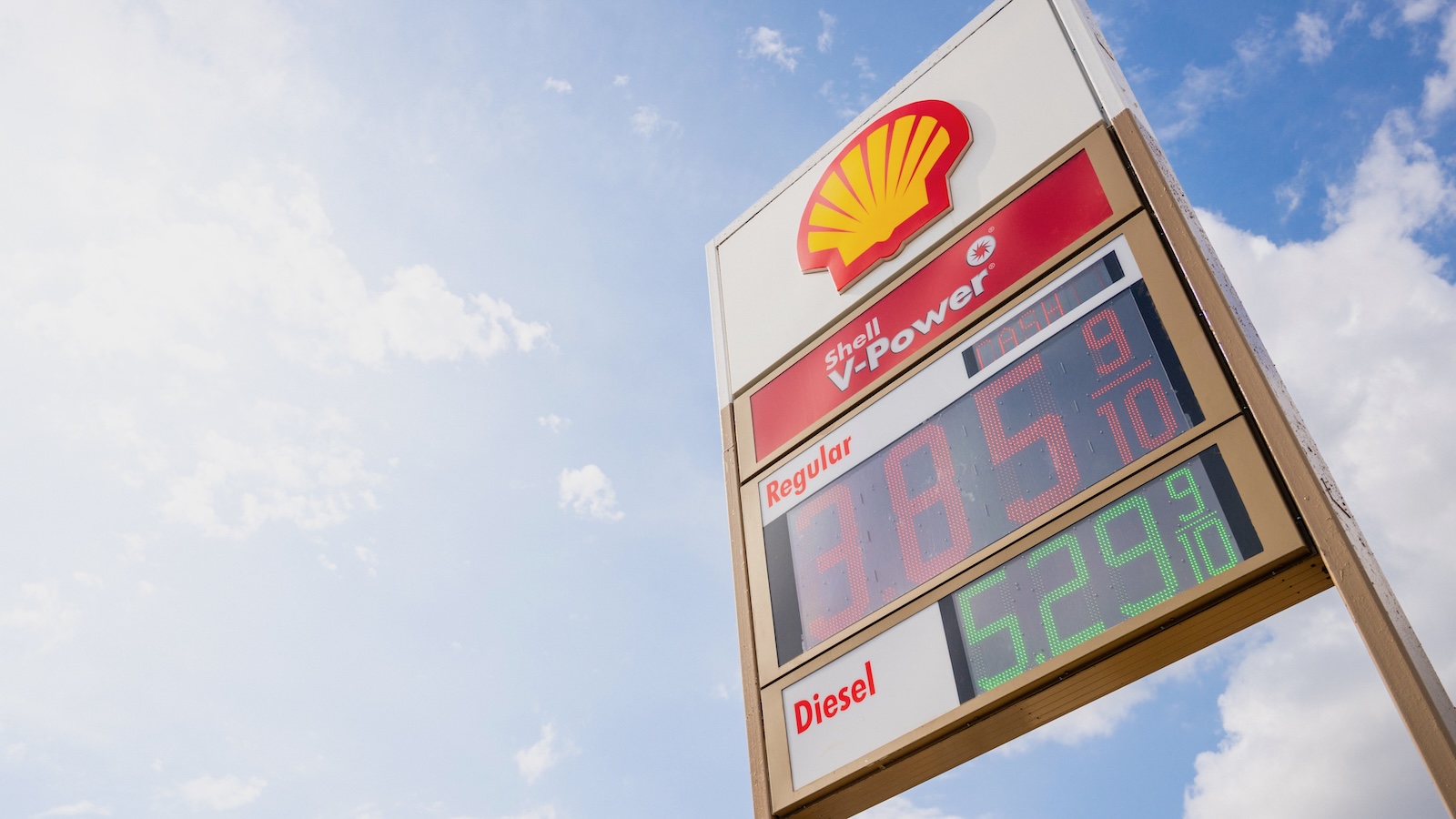
While American drivers frequently monitor the fluctuating digits on gasoline price signs as they pass local service stations, a more significant and potentially more damaging economic crisis is unfolding in the shadow of the consumer market. Since the outbreak of hostilities in the Middle East on February 28, 2026, the price of diesel—the lifeblood of the global industrial economy—has surged at a rate that significantly outpaces gasoline. New data suggests that this "diesel shock" is creating a massive drain on the American economy, totaling billions of dollars in added costs that are being felt in grocery stores, construction sites, and shipping manifests across the nation.
The catalyst for this economic upheaval was the rapid escalation of conflict involving the United States, Israel, and Iran. Following the initial exchange of strikes, Tehran moved decisively to close the Strait of Hormuz, a narrow waterway that serves as the transit point for approximately 21 million barrels of oil per day, or roughly 21 percent of global petroleum liquid consumption. The resulting supply squeeze has sent energy markets into a tailspin, and despite a weekend of high-stakes diplomacy, the failure of the United States and Iran to reach a peace settlement has triggered a secondary surge in crude prices.
A Staggering Economic Burden: The $19 Billion Toll
According to the latest figures released on April 13 by researchers at Brown University’s Watson Institute, the ongoing war has saddled American consumers with an estimated $19 billion in additional fuel costs in just six weeks. To provide transparency for the public and policymakers, the university recently launched a real-time online dashboard that tracks the mounting financial impact of the conflict.
While the national media narrative has largely centered on the rising cost of filling up passenger cars with gasoline, the Brown University data reveals a more nuanced and troubling reality. Diesel fuel accounts for $9.4 billion—nearly half—of the total increase in fuel expenditures. This translates to an average burden of approximately $71 per U.S. household. Critically, this cost is being borne by every American, regardless of whether they own a diesel-powered vehicle.
Jeff Colgan, a political scientist at Brown University who spearheaded the creation of the tracking tool, emphasizes that the impact of diesel prices is often invisible to the average consumer but omnipresent in their daily lives. Unlike gasoline, which is primarily a consumer product used for personal mobility, diesel is an industrial necessity. It powers the semi-trucks that stock supermarket shelves, the locomotives that move raw materials, the tractors that harvest crops, and the heavy machinery used in infrastructure projects.
The Mechanics of the Diesel Price Surge
The disproportionate rise in diesel prices compared to gasoline is rooted in both the chemistry of refining and the fundamental laws of economics. Patrick De Haan, head of petroleum analysis at GasBuddy, notes that a single barrel of crude oil does not produce equal parts of every fuel. Refineries generally yield more gasoline per barrel than diesel. When the global supply of crude is constricted, the scarcity of diesel is amplified.
According to the Brown University tracker, diesel prices have skyrocketed by 54 percent since the commencement of the war on February 28. In contrast, gasoline prices have seen a 38 percent increase over the same period. While both figures represent significant shocks to the system, the 16-percentage-point gap highlights a tightening in the middle-distillate market that shows no signs of abating.
Furthermore, the economic concept of "elasticity" plays a vital role in how these prices affect the country. Gasoline demand is relatively elastic; as prices rise, some commuters may choose to carpool, use public transit, or cancel non-essential trips, thereby lowering overall consumption. Diesel demand, however, is largely inelastic. A shipping company cannot simply stop delivering food because fuel is expensive, and a farmer cannot wait for prices to drop before planting a seasonal crop. Because the industries relying on diesel have few alternatives, they are forced to absorb the higher costs, which are eventually passed down to the consumer in the form of higher prices for goods and services.
Chronology of a Crisis: From Winter Chill to Blockade
The timing of the conflict has further exacerbated the strain on diesel supplies. The United States and Israel initiated military operations against Iranian targets following a particularly harsh winter in the Northeast. This is significant because heating oil, which is the primary source of warmth for millions of homes in New England, is molecularly almost identical to diesel fuel.
As the war began on February 28, the market was already dealing with depleted inventories of middle distillates due to high seasonal demand for heating oil. The sudden geopolitical shock hit a market that was already structurally tight. "Coming out of winter, heating oil consumption is elevated," De Haan explained. "That usually impacts diesel as well, as refineries struggle to keep up with both demands."
The situation reached a new low point over the past weekend. After a two-week "humanitarian ceasefire" failed to result in a lasting peace or the reopening of the Strait of Hormuz, diplomatic efforts collapsed. In response, President Donald Trump announced a comprehensive blockade on all Iranian ports, aimed at cutting off the Islamic Republic’s remaining oil exports entirely. The blockade, which officially commenced Monday morning, has injected a new wave of volatility into the energy markets.
Market Divergence: Spot Prices vs. Brent Crude
The uncertainty surrounding the blockade has created a notable divergence in how oil is being priced. Brent crude, the international benchmark, reflects the price of oil for delivery in the coming months. However, the "spot price"—the cost to purchase a barrel of oil for immediate delivery—has been trending significantly higher.
This "backwardation" in the market suggests that the current physical shortage of oil is even more severe than future-looking traders are predicting. Mike Wirth, the Chief Executive Officer of Chevron, recently addressed this discrepancy at an industry conference, noting that physical supplies are reflecting a much tighter market than the forward curve suggests. For businesses that need fuel today, the crisis is immediate and acute, regardless of what the price might be in June or July.
While the crisis has been devastating for consumers, it has created a windfall for oil producers located outside the conflict zone. With Iranian oil off the market and Middle Eastern supplies throttled by the closure of the Strait, producers in Russia and the United States have emerged as the primary beneficiaries. These entities are selling their output at wartime premiums, further shifting the global balance of wealth.
Broader Implications for the Global Supply Chain
The ripple effects of the $9.4 billion diesel spike are only beginning to be understood. In the agricultural sector, the increased cost of diesel is raising the "farm-to-table" expense of every calorie produced in the U.S. Farmers are facing higher costs for tilling, planting, and harvesting, which correlates directly with rising food inflation.
In the logistics and shipping sector, many trucking firms have implemented "fuel surcharges" to remain solvent. These surcharges are added to the cost of transporting everything from electronics to medical supplies. For the construction industry, which relies on diesel for excavators, cranes, and generators, the price surge is threatening to stall infrastructure projects and increase the cost of new housing.
There is also the looming threat of additional costs if the conflict persists. Reports have surfaced that if the Strait of Hormuz does reopen, Iran may attempt to impose "tanker fees" or "security transit taxes" amounting to millions of dollars per vessel. Such a move would essentially institutionalize higher shipping costs, ensuring that even if the shooting stops, the economic pain will continue.
The Road Ahead: Transitioning to the Summer Market
As the calendar moves toward the summer months, the dynamics of the fuel market are expected to shift once again. Traditionally, the summer is the "driving season" in the United States, a period when gasoline demand peaks and prices typically rise.
Patrick De Haan suggests that this seasonal shift might offer a small measure of relative relief for diesel users. "From here on out, you may see a little bit less of an increase in diesel as markets move up," he noted. As refineries shift their production focus to maximize gasoline output for summer travelers, the extreme upward pressure on diesel may decouple slightly from the broader market rise.
However, any relief will be contingent on the geopolitical situation. If the blockade of Iranian ports continues and the Strait of Hormuz remains a graveyard for commercial shipping, the structural deficit in global oil supplies will remain. For now, the "diesel hole" in the American economy continues to widen, serving as a stark reminder that the true cost of war is rarely confined to the battlefield; it is felt in every delivery truck, every grocery aisle, and every American household budget.
The Brown University tracker remains active, updating its figures as the spot price of crude fluctuates. As of this morning, the $19 billion figure is expected to climb further, as the first full day of the port blockade begins to register in global trading hubs. For an economy still recovering from the inflationary pressures of the mid-2020s, this latest energy shock represents a formidable challenge to long-term stability and growth.