
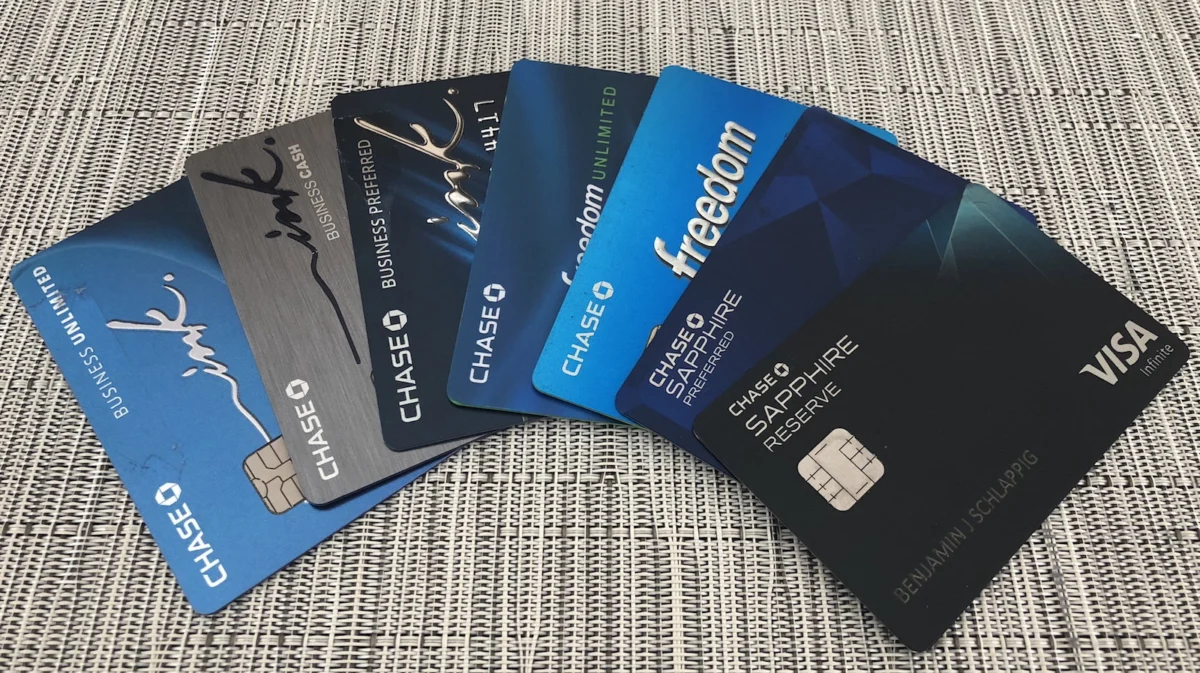
The Ink Business Preferred® Credit Card has emerged as a cornerstone of the Chase commercial lending portfolio, representing a strategic intersection of high-value rewards and accessible fee structures for small-to-medium enterprises (SMEs). In an era where the small business credit card market has become increasingly saturated with competitive offers from American Express and Capital One, the Chase Ink series has maintained its relevance through a combination of aggressive welcome incentives and a robust transferable points ecosystem. Financial analysts note that the card’s current welcome offer—100,000 Ultimate Rewards points after a spend of $8,000 within the first three months of account opening—represents one of the most significant entry-level values currently available in the commercial credit sector.

Strategic Overview of the Ink Business Preferred Framework
The Chase Ink Business Preferred is positioned as a "mid-tier" premium card, bridging the gap between no-annual-fee entry cards and high-cost "luxury" business cards. With a $95 annual fee, the card targets businesses that require substantial travel and operational spending power without the overhead of the $500+ fees associated with cards like the Business Platinum Card® from American Express.
The primary mechanism of the card’s value proposition is the Chase Ultimate Rewards program. Unlike fixed-value cashback systems, Ultimate Rewards points are transferable to a variety of airline and hotel partners. Market data suggests that when these points are transferred to high-value partners such as World of Hyatt or Singapore Airlines, the realized value can exceed 2.0 cents per point, effectively turning a 100,000-point bonus into a $2,000 travel credit. Alternatively, Chase offers a 25% "pay yourself back" or travel portal bonus, providing a guaranteed floor value of 1.25 cents per point for those seeking simplicity over maximum yield.

Detailed Revenue Generation: The 3x Multiplier Structure
The Ink Business Preferred is engineered to reward the specific spending habits of modern digital businesses. It offers 3 points per $1 spent on the first $150,000 in combined purchases each account anniversary year across four key categories:
- Travel: This includes broad definitions of travel, encompassing airfare, hotels, rail, and cruise lines, but also extending to transit, taxis, and rideshare services.
- Shipping Purchases: Essential for e-commerce entities and retail businesses that manage logistics and physical product distribution.
- Internet, Cable, and Phone Services: A utility-based category that provides a consistent return on monthly overhead.
- Advertising Purchases: Specifically targeting social media and search engine platforms, such as Google Ads and Meta (Facebook/Instagram) advertising.
Outside of these categories, the card earns a standard 1 point per $1 spent. The $150,000 cap is significant; for businesses that hit this limit, the annual point yield is 450,000 Ultimate Rewards points. In a competitive landscape, this specific focus on digital advertising and shipping makes the card particularly attractive to "SaaS" (Software as a Service) companies and online retailers.

Ancillary Benefits and Risk Mitigation Features
Beyond the points-earning potential, the Ink Business Preferred includes a suite of protections that serve as a form of secondary insurance for business owners. These benefits are often overlooked but contribute significantly to the card’s "effective" annual cost.
Comprehensive Cell Phone Protection
In a digital-first economy, mobile devices are critical business assets. The card offers up to $1,000 per claim in cell phone protection against covered theft or damage. This applies to the cardholder and any employees listed on the monthly bill, provided the bill is paid with the Ink Business Preferred. With a $100 deductible and a limit of three claims per 12-month period, this benefit can save a business thousands of dollars in hardware replacement costs and insurance premiums.

Primary Rental Car Coverage
One of the most valuable travel perks is the Primary Auto Rental Collision Damage Waiver (CDW). Most consumer credit cards offer secondary coverage, which only kicks in after a personal insurance claim is filed. The Ink Business Preferred offers primary coverage when renting for business purposes. This allows the business to decline the rental agency’s insurance, saving roughly $15 to $30 per day while protecting the business’s primary insurance rates from rising in the event of an accident.
Travel and Purchase Protections
The card includes Trip Cancellation and Interruption Insurance, which covers up to $5,000 per person and $10,000 per trip for non-refundable travel expenses. Additionally, the Purchase Protection benefit covers new purchases for 120 days against damage or theft, up to $10,000 per claim, while the Extended Warranty Protection adds an additional year to U.S. manufacturer’s warranties of three years or less.

The Role of the "Hub" Card in the Chase Ecosystem
Financial planners often refer to the Ink Business Preferred as a "hub" card. This is due to its ability to unlock the full potential of Chase’s no-annual-fee cards, such as the Ink Business Cash® and the Ink Business Unlimited®.
On their own, the no-fee cards earn "cash back" points that are worth exactly 1 cent each. However, if a business owner also holds an Ink Business Preferred, they can move points from the no-fee cards to the Preferred account. Once moved, those points gain the ability to be transferred to airline and hotel partners or redeemed for a 25% bonus through the Chase Travel portal. This synergy allows businesses to earn 5% back on office supplies (via the Ink Cash) or 1.5% back on all purchases (via the Ink Unlimited) and then "upgrade" those rewards into high-value travel points.

Eligibility and the 5/24 Regulatory Environment
Approval for the Ink Business Preferred is subject to Chase’s internal "5/24" rule. This unofficial but widely documented policy states that an applicant will generally be denied for a new Chase card if they have opened five or more personal credit cards from any issuer within the last 24 months.
Interestingly, while one must be under the 5/24 limit to be approved for the Ink Business Preferred, the card itself usually does not add to an individual’s 5/24 count once opened. This is because most business cards do not appear on personal credit reports. This makes the card a strategic choice for individuals looking to preserve their eligibility for future personal card applications while still expanding their business credit lines.

Applicants can apply as a Sole Proprietorship using their Social Security Number, provided they have a legitimate business activity (such as freelancing, consulting, or selling goods online). This low barrier to entry has democratized access to high-level business credit, allowing "solopreneurs" to access the same financial tools as larger corporations.
Competitive Comparison and Market Context
When compared to its closest rival, the American Express® Business Gold Card, the Ink Business Preferred offers a lower annual fee ($95 vs. $375). While the Amex Business Gold offers higher multipliers (4x) in select categories, the Ink Business Preferred’s lower barrier to entry and the inclusion of primary rental coverage and cell phone protection make it a more versatile tool for many small businesses.

Furthermore, the lack of foreign transaction fees makes the Ink Business Preferred a superior choice for businesses with international supply chains or employees who travel abroad. In contrast, many entry-level business cards still charge a 3% fee on international transactions, which can quickly negate any rewards earned.
Broader Economic Impact and Implications
The continued competitiveness of the Chase Ink Business Preferred signals a broader trend in the financial services industry: the shift toward "relationship banking" through high-engagement rewards programs. By offering a massive 100,000-point bonus, Chase is essentially investing in the long-term loyalty of the business owner.
For the small business owner, these cards provide more than just points; they provide a method of managing cash flow and separating personal and business expenses—a critical step for tax compliance and legal protection. As the "gig economy" and independent consulting continue to grow, the demand for sophisticated yet affordable business credit tools is expected to rise.
In conclusion, the Ink Business Preferred® Credit Card remains a top-tier recommendation for business owners who value flexibility. While it may not offer the lounge access or luxury perks of "ultra-premium" cards, its combination of a powerful welcome bonus, essential insurance protections, and a low annual fee creates a value proposition that is difficult to replicate in the current market. As businesses navigate an inflationary environment, the ability to earn a 3% to 5% effective return on essential overhead expenses remains a vital component of a sound financial strategy.










Leave a Reply