
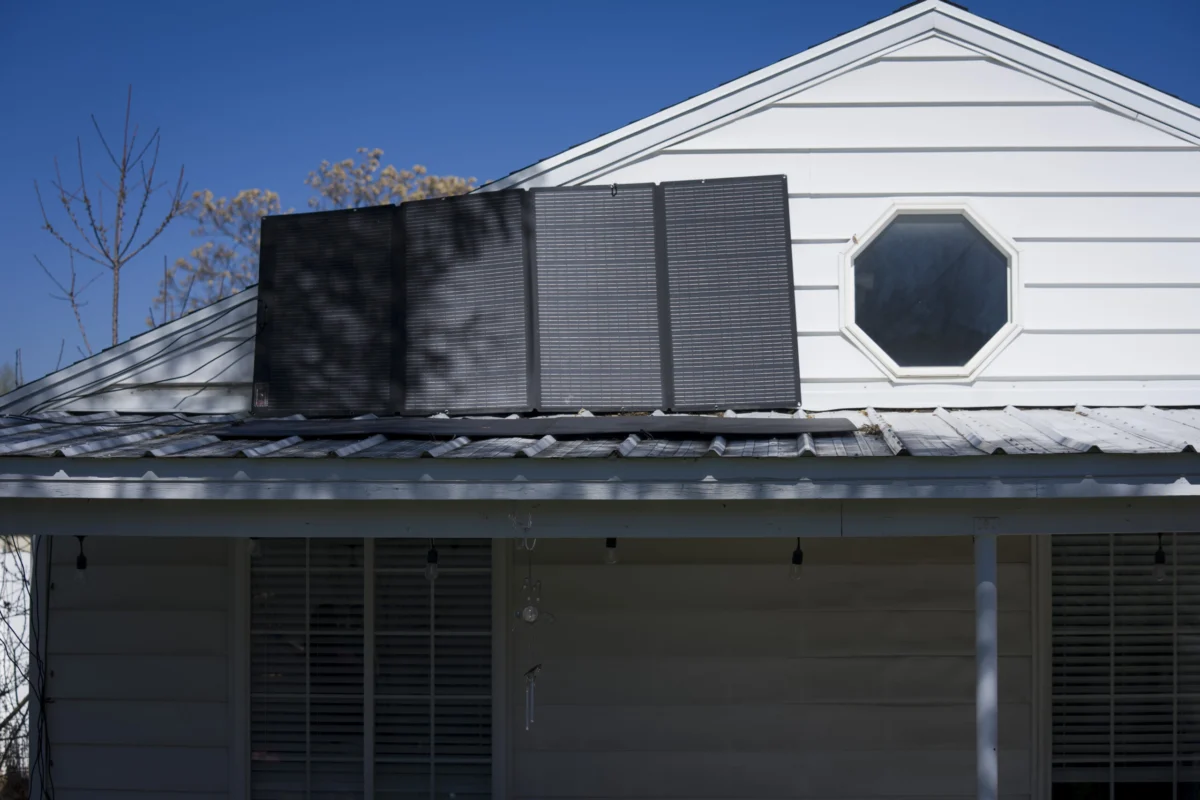
The landscape of American energy production is undergoing a profound transformation, and nowhere is this shift more visible than in the state of Texas. Long synonymous with fossil fuel extraction, the Lone Star State is now the primary stage for a historic reversal in power generation dynamics. According to the latest data and projections from the U.S. Energy Information Administration (EIA), solar power is poised to surpass coal-fired generation within the Electric Reliability Council of Texas (ERCOT) market, marking a definitive end to the era of coal dominance in one of the world’s most significant energy hubs.
This transition is not merely a localized anomaly but a bellwether for the broader global energy transition. For the first time in history, the total annual electricity generated from solar panels is expected to exceed the output of coal-fired power plants across the ERCOT grid, which serves approximately 90% of the state’s electric load. The federal government’s outlook suggests that by 2026, ERCOT will receive approximately 78 billion kilowatt-hours (kWh) from solar sources, while coal’s contribution is expected to dwindle to just 60 billion kWh. By 2027, the gap is projected to widen further, with solar reaching 99 billion kWh—a 27% increase over the previous year—effectively leaving coal in the shadow of the renewable energy surge.
The Statistical Surge: Data Behind the Solar Ascent
The decline of coal in Texas is as much an economic story as it is an environmental one. The EIA’s Short-Term Energy Outlook (STEO) reveals that the trajectory of solar growth in Texas is steeper than in any other state in the nation. While coal plants face aging infrastructure, rising maintenance costs, and the inability to compete with the low marginal costs of renewable energy, solar developers are capitalizing on the state’s vast geography and high solar irradiance.
In 2023, solar output in Texas had already begun to challenge coal on a month-to-month basis, outperforming the legacy fuel from March through August. In 2024, that trend has solidified, with projections indicating solar will beat coal in monthly generation from March through December. Nationally, the combined generation of wind and solar surpassed coal in 2024, according to analyses by the energy think tank Ember. However, the specific milestone of solar alone overtaking coal in a market as large as ERCOT underscores Texas’s unique position as a leader in renewable deployment, despite a political climate that often favors traditional fuels.
The rapid scaling of capacity is the primary driver. Texas has consistently led the U.S. in new solar installations over the last three years. This influx of capacity means that even during periods of lower sun intensity, the sheer volume of panels connected to the grid allows for record-breaking generation totals.
A History of Deregulation: Why Texas Led the Charge
To understand why Texas is outpacing other states in the solar transition, one must look back to the legislative reforms of the late 1990s and early 2000s. Under the leadership of then-Governor George W. Bush, Texas moved to deregulate its electricity market, passing Senate Bill 7 in 1999. This legislation dismantled the traditional monopoly utility model and replaced it with an "energy-only" market designed to foster fierce competition.
In this market structure, power providers are paid only for the electricity they actually produce and provide to the grid, rather than receiving guaranteed returns on infrastructure investments. This environment created a "survival of the fittest" scenario where the most cost-effective forms of generation win. Because solar and wind have no fuel costs, they can offer electricity at prices that coal and gas plants—which must pay for the extraction and transport of fuel—simply cannot match.
Furthermore, Texas invested heavily in the Competitive Renewable Energy Zones (CREZ) initiative. This multi-billion-dollar project involved building thousands of miles of high-voltage transmission lines to connect the windy and sunny plains of West Texas to the high-demand urban centers of Dallas, Houston, and San Antonio. This proactive infrastructure development removed the "bottleneck" that plagues renewable projects in other states, allowing developers to plug in new solar farms with relative ease.
Grid Reliability and the Role of Battery Storage
One of the most persistent criticisms of the solar surge, often echoed by proponents of the coal industry, is the issue of intermittency. Critics argue that because the sun does not shine 24 hours a day, solar cannot provide the "baseload" reliability that coal plants traditionally offered. However, the ERCOT market is currently disproving this narrative through the rapid integration of Battery Energy Storage Systems (BESS).
Texas has become the fastest-growing market for grid-scale batteries in the United States. These systems act as a vital bridge, capturing excess solar energy produced during the peak daylight hours and discharging it during the evening ramp—the period when solar production drops off but residential demand for air conditioning and lighting remains high.
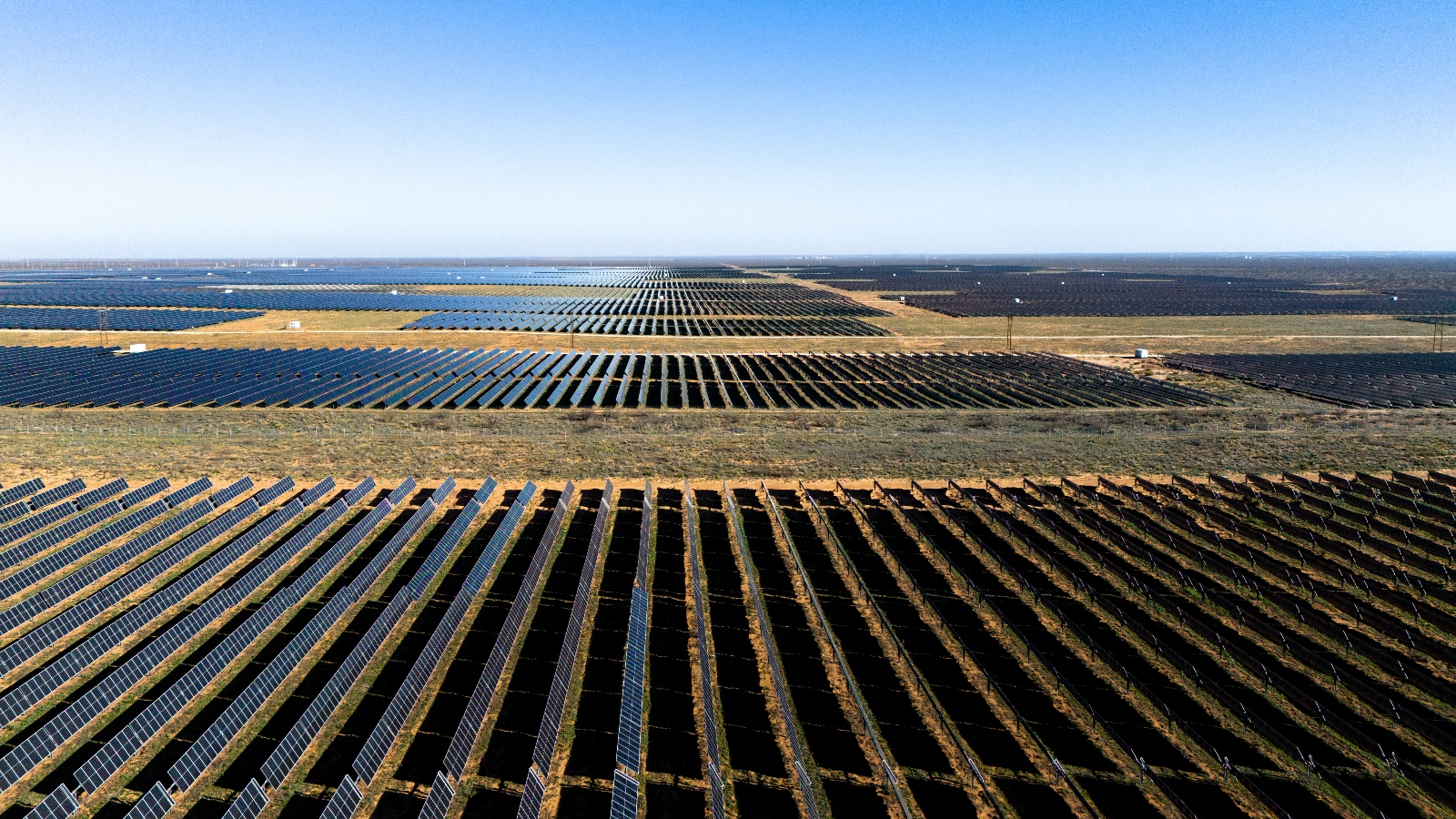
ERCOT’s diverse portfolio, which includes a mix of wind, nuclear, and natural gas, works in tandem with these batteries to maintain grid frequency and stability. During recent record-breaking heatwaves, it was the massive influx of solar power that prevented grid emergencies, as solar production aligns almost perfectly with the peak demand driven by air conditioning during the hottest parts of the day. As coal plants become increasingly prone to mechanical failures during extreme heat, the modular and distributed nature of solar and batteries has provided a new layer of resilience to the Texas grid.
Political Friction and the "Energy Dominance" Narrative
The transition in Texas occurs against a backdrop of significant federal and state political tension. At the federal level, various administrations have sought to influence the energy mix through subsidies and regulatory mandates. The Trump administration, in particular, emphasized a policy of "energy dominance," which focused heavily on revitalizing the coal industry and expanding offshore drilling.
Efforts to keep struggling coal plants operational through taxpayer-funded interventions or by easing environmental regulations have struggled to overcome the raw economic reality of the marketplace. In Texas, where the market is largely insulated from federal oversight due to the state’s independent grid, these federal efforts have had little impact on the ground. The Department of Energy’s attempts to subsidize "around-the-clock" fuel sources have been outmatched by the private sector’s preference for the high returns and low operating costs of solar energy.
Interestingly, even within Texas, state leadership has occasionally expressed skepticism toward renewables, particularly following the catastrophic grid failure during Winter Storm Uri in 2021. While some lawmakers initially blamed wind and solar for the blackouts, subsequent investigations confirmed that failures in the natural gas supply chain and at coal and nuclear plants were the primary culprits. Despite legislative attempts to introduce additional fees for renewable developers, the momentum of solar investment remains undeterred, driven by the sheer profitability of the sun.
Lessons for Other States and the Global Market
The Texas experience offers a blueprint—and a challenge—to other states. Liberal-leaning states with ambitious climate goals, such as New York and California, often struggle with protracted permitting processes, high land costs, and "NIMBY" (Not In My Backyard) opposition to large-scale infrastructure projects. Texas has demonstrated that by prioritizing market access, streamlining grid connection (interconnection) processes, and investing in transmission, a state can achieve rapid decarbonization without the need for heavy-handed mandates.
The "Texas Model" suggests that the most effective way to displace coal is not necessarily through a ban, but through the creation of a market where coal is simply too expensive to survive. By allowing new entrants to compete fairly with entrenched legacy utilities, Texas has accelerated its energy transition at a pace that was once thought impossible for a "red" state.
The Road to 2027 and Beyond
As we look toward 2027, the implications of solar’s victory over coal are far-reaching. The displacement of coal significantly reduces the carbon intensity of the Texas grid, contributing to a decline in sulfur dioxide, nitrogen oxides, and mercury emissions. This has tangible benefits for public health, particularly in communities located near aging coal facilities.
Furthermore, the solar boom is creating a new economic pillar for the state. Rural counties that once relied solely on agriculture or oil royalties are now seeing a massive influx of property tax revenue from solar farms. These funds are being used to build schools, improve roads, and lower local tax burdens, creating a new political constituency for renewable energy in conservative heartlands.
The upcoming decade will likely see the continued retirement of the remaining coal fleet in Texas. Companies like Luminant and NRG have already shuttered several large units, citing the inability to compete with renewables and gas. As solar capacity continues its exponential climb, the question is no longer whether solar will dominate the grid, but how quickly the infrastructure can evolve to accommodate a system where the sun provides the lion’s share of the state’s power.
In conclusion, the rise of solar in Texas is a testament to the power of market forces and strategic infrastructure planning. By 2026, the data will confirm what is already becoming evident: the Texas sun is the state’s most valuable emerging resource, and the era of coal is fading into the history books. This transition marks a pivotal moment for ERCOT, proving that a reliable, modern grid can be built on a foundation of clean, renewable energy.










Leave a Reply