
The U.S. Environmental Protection Agency has fundamentally altered Hawaiʻi’s roadmap for air quality improvement by rejecting a key component of the state’s 2024 Regional Haze State Implementation Plan. The decision, announced on May 15, marks a significant shift in federal environmental policy, prioritizing energy grid stability and private property protections over the state’s aggressive timeline to decommission aging, oil-fired power generation units. By partially denying the plan, the EPA has effectively blocked Hawaiʻi’s strategy to shutter "dinosaur" power plants that have been identified as primary contributors to visibility impairment in the state’s most iconic natural landscapes.
The rejection centers on the state’s proposal to reduce haze in two federally protected areas: Hawaiʻi Volcanoes National Park on the Big Island and Haleakalā National Park on Maui. Under the federal Clean Air Act, these sites are designated as Class I areas, a status that mandates the highest level of air quality protection to ensure pristine visibility for the millions of tourists and residents who visit them annually. However, the EPA’s recent move signals a pivot toward "energy dominance," an executive priority aimed at ensuring that environmental regulations do not compromise the operational integrity of the nation’s power grids.
The Core of the EPA Disapproval
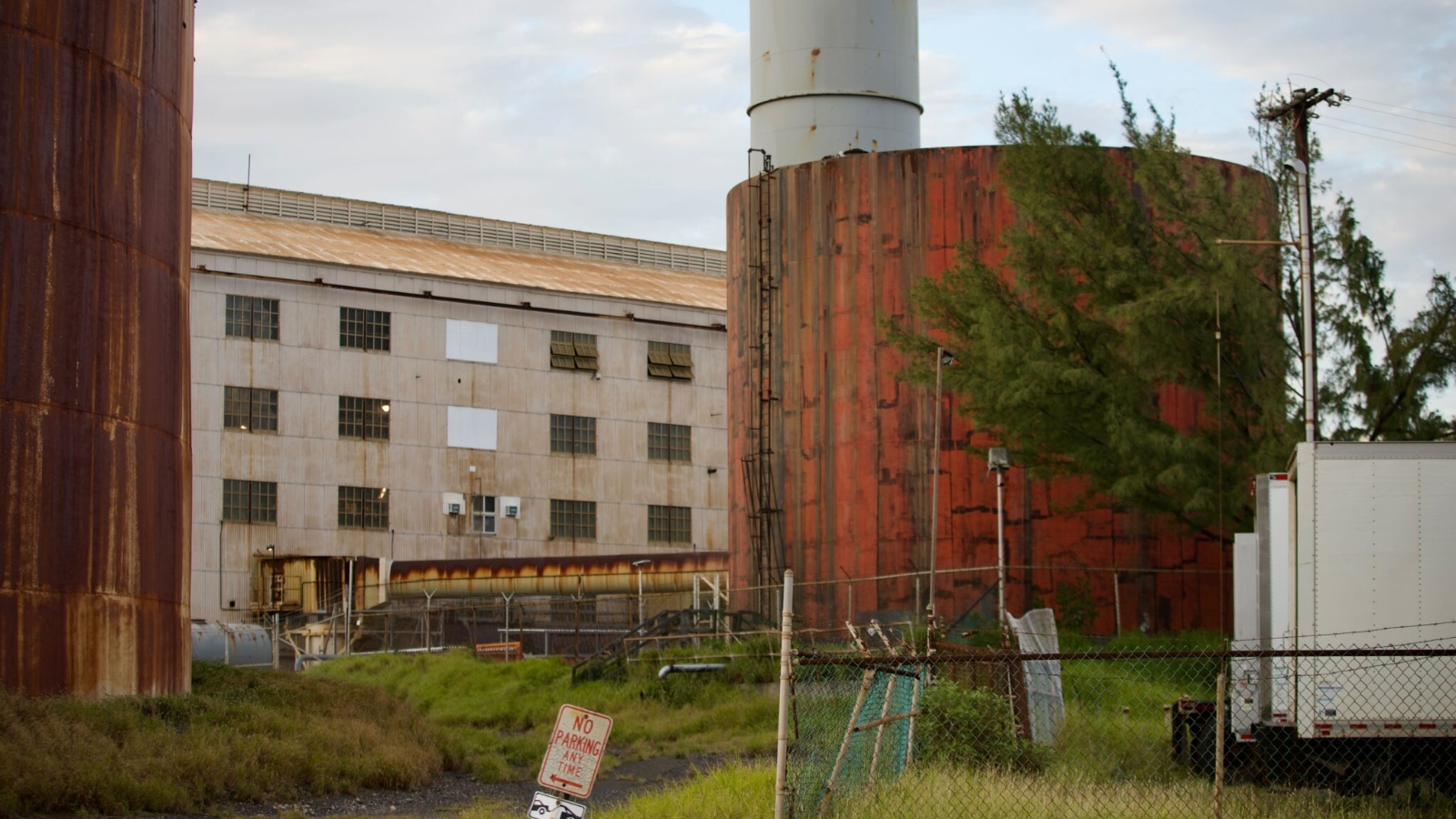
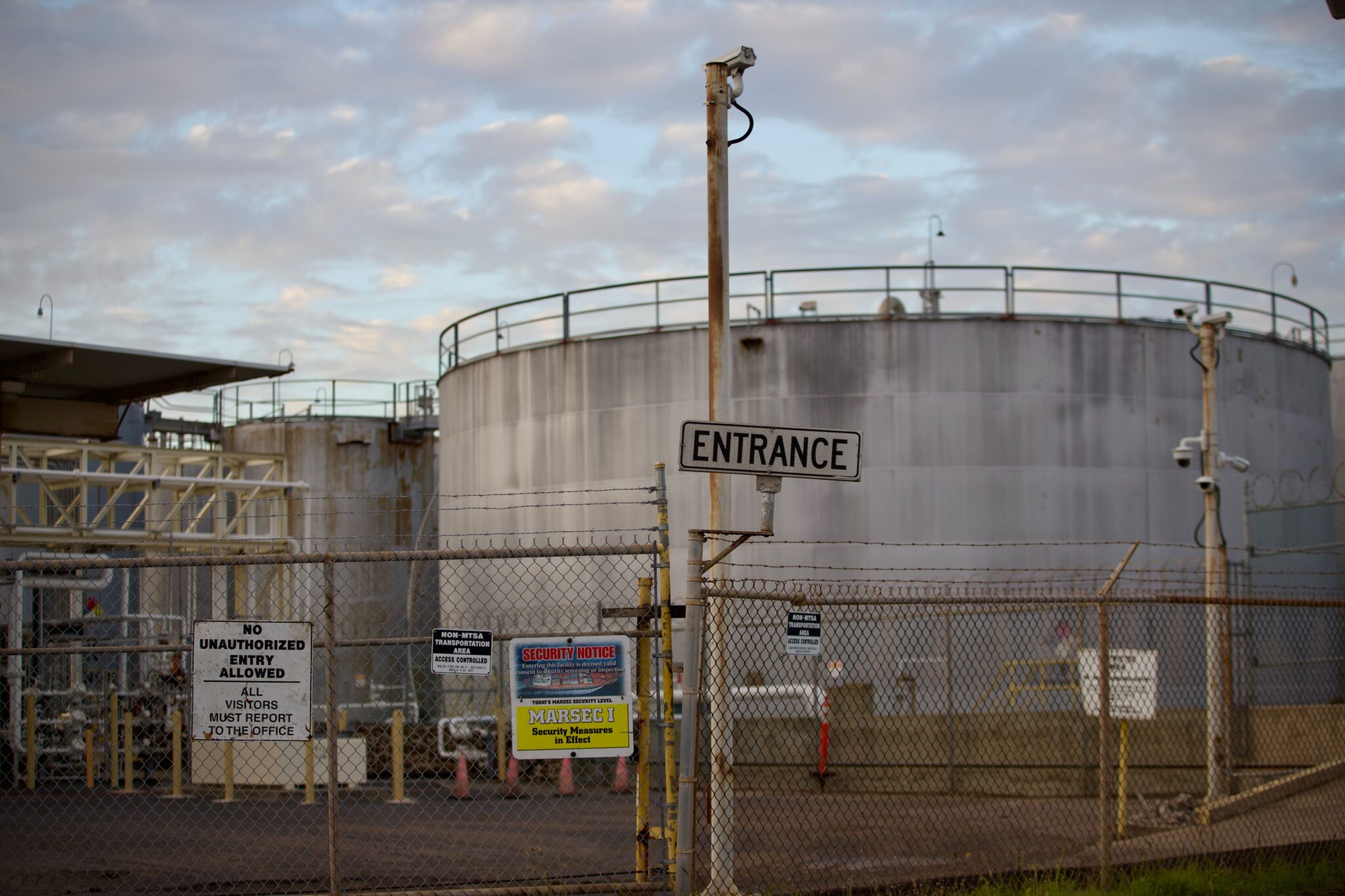
At the heart of the dispute is Hawaiʻi’s long-term strategy to retire several units within the Hawaiian Electric Co. (HECO) fleet. Specifically, the state intended to shut down at least two oil-fired units at the Kanoelehua-Hill and Kahului power plants by 2028. These facilities are among the oldest in the United States; the Kahului unit, for instance, began operations in 1948, making it a relic in an era of rapidly advancing renewable technology.
In its official notification, the EPA characterized these proposed closures as "unconsented." The agency argued that forcing the retirement of these assets could leave Hawaiʻi’s isolated island grids vulnerable to blackouts, particularly as the transition to renewable energy sources faces logistical and economic headwinds. Furthermore, the EPA introduced a potent legal argument, suggesting that the state-mandated closures might violate the Takings Clause of the U.S. Constitution. This clause prohibits the government from taking private property for public use without "just compensation." By framing the forced retirement of power plants as a "total regulatory taking," the EPA has established a high legal bar that may prevent other states from using similar phase-out strategies in their environmental planning.
A Chronology of the Haze Dispute
The path to the EPA’s partial denial was paved over several years of negotiations between state health officials, utility executives, and federal regulators. The timeline illustrates a shifting dynamic between environmental goals and industrial realities:
- 1977: The Clean Air Act is amended to include Section 169A, which sets a national goal of preventing and remedying man-made visibility impairment in Class I areas.
- 2021–2023: The Hawaiʻi Department of Health (DOH) develops the 2024 Regional Haze State Implementation Plan (SIP). During this period, HECO initially signaled a willingness to retire the aging units at Hill, Kahului, and Māʻalaea as a cost-effective alternative to installing expensive new pollution-control scrubbers.
- August 2023: A significant shift occurs when Karin Kimura, HECO’s director of environmental division, sends a letter to the EPA. The letter expresses concerns that the 2028 retirement deadlines are no longer viable due to delays in renewable energy projects, supply chain disruptions, and changes in federal tax incentives.
- February 2024: The EPA formally proposes the partial disapproval of Hawaiʻi’s plan, echoing HECO’s concerns regarding grid reliability and property rights.
- May 15, 2024: The EPA issues its final decision, stripping the retirement mandates from the state’s clean air strategy while leaving other, less stringent aspects of the plan intact.
Technical Conflict: Vog vs. Man-Made Pollution
A primary point of contention in the EPA’s decision is the difficulty of distinguishing between "vog"—volcanic smog—and anthropogenic (man-made) pollution. Hawaiʻi’s air quality is uniquely impacted by the Kīlauea volcano, which releases massive quantities of sulfur dioxide (SO2) and fine particulate matter. This natural emissions source can create a thick haze that mimics industrial pollution.
The EPA asserted in its February proposal that no current methodology is capable of "fully screening out" volcanic impacts to isolate the specific impairment caused by human activity. Without this clear distinction, the agency argued, it is impossible to accurately measure the effectiveness of shutting down power plants.
However, environmental advocacy groups, including Earthjustice and the National Parks Conservation Association, have challenged this assertion. They point to existing mathematical models and tools used by previous administrations to calculate "natural visibility conditions." These groups argue that the EPA’s current stance is "arbitrary and capricious," serving as a convenient justification to avoid enforcing stricter emissions standards on fossil fuel infrastructure.
Grid Reliability and the "Small Island" Dilemma
The EPA’s decision was heavily influenced by the unique physics of Hawaiʻi’s energy landscape. Unlike the mainland United States, where state grids are interconnected, each Hawaiian island operates as an "energy island." This lack of interconnection means that if a major generation unit goes offline without a ready replacement, the entire grid can become unstable.
Mike DeCaprio, HECO’s vice president of power supply, emphasized that while the company still intends to retire the aging plants, it cannot commit to a hard deadline of 2028. "Reliability on an island grid is a really tough issue," DeCaprio stated. "With size comes stability, and they don’t have size. Making sure the lights stay on is the most important part."
The utility argues that several contingency factors must be met before the "dinosaur" plants can be safely decommissioned. These include the successful commissioning of new biofuel plants, expanded solar farms, and massive battery storage systems. Many of these projects have been stalled by permitting delays and the imposition of new federal tariffs on imported components, creating a "perfect storm" that has slowed the state’s transition to 100% renewable energy.
Economic and Legal Implications
The fallout from the EPA’s decision extends into the pocketbooks of Hawaiʻi’s residents. Currently, HECO has a pending request before the Public Utilities Commission (PUC) to increase customer rates by approximately $45 million annually. A portion of this increase is intended to cover the costs associated with the transition away from the very plants the EPA is now protecting.
Legal experts suggest that the EPA’s invocation of the Takings Clause represents a broader strategy by the current administration to overhaul environmental regulation. Isaac Moriwake, managing attorney for Earthjustice’s mid-Pacific office, warned that this move creates a "massive loophole" in the Clean Air Act. By allowing private companies to claim a "regulatory taking" when faced with phase-out requirements, the federal government may be signaling a wider retreat from programs like the National Ambient Air Quality Standards.
"They are signaling that they want to overhaul this entire regulatory scheme," Moriwake said. "This is one of the biggest bombs to drop in Hawaiʻi so far from the EPA."
Official Responses and State Friction
The EPA’s decision has created a notable rift between federal regulators and Hawaiʻi’s state government. The Hawaiʻi Department of Health, which spent years crafting the haze plan, expressed deep disappointment. Dr. Kenneth Fink, the state’s director of health, noted that the EPA’s reversal directly conflicts with previous federal guidance and fails to uphold the primary purpose of the Clean Air Act: protecting the visibility of national wilderness areas.
In a letter to the EPA, Fink highlighted that the federal agency appeared to be responding directly to HECO’s private requests while bypassing the state’s established regulatory process. This perceived lack of coordination has raised concerns about the future of state-federal cooperation on environmental issues.
Conversely, the EPA press office maintains that it is "committed to working with the state of Hawaiʻi to revise the SIP" in a manner that follows the law while ensuring clean air. The agency insists that its primary duty is to ensure that environmental mandates do not inadvertently cause economic collapse or energy insecurity.

The Path Forward for Hawaiʻi’s Energy Transition
Despite the setback, proponents of renewable energy remain optimistic about the long-term outlook. Jeff Mikulina, executive director of Climate Hawaiʻi, noted that while the current federal climate is challenging, the technological trend toward renewables is irreversible. He pointed to the island of Kauaʻi as a model for success; the local utility there recently approved new solar-and-storage projects that are expected to push the island to 90% renewable energy by 2030.
"It’s important to look at the long-term signal as opposed to the near-term noise," Mikulina said. "That long-term signal tells us that this technology is getting cheaper by the day, particularly energy storage, which is the secret sauce for our 100% renewable future."
For now, the "dinosaur" plants of Kanoelehua-Hill and Kahului will continue to smoke on the horizon. The EPA’s partial disapproval means that the state must now go back to the drawing board to create a new plan that satisfies federal requirements for grid reliability and property rights. As the legal battle looms and the climate continues to shift, the balance between preserving the pristine views of Hawaiʻi’s national parks and ensuring the stability of its power grid remains one of the state’s most pressing challenges.








Leave a Reply