The global aviation and hospitality sectors experienced a transformative week characterized by significant route expansions, regulatory milestones for aircraft manufacturing, and a continued evolution of the premium travel experience. Leading the headlines, Delta Air Lines announced a strategic expansion into the Southeast Asian market with new service to Manila, while Boeing moved closer to operational normalcy as federal regulators restored certain self-certification privileges. Concurrently, Aer Lingus initiated a strategic pivot to bolster its financial performance, and the competitive landscape of airport lounges and hotel loyalty programs saw significant updates with the opening of a new Chase Sapphire Lounge and a landmark partnership between Hilton and YOTEL.
Delta Air Lines Strengthens Transpacific Network with Manila Service
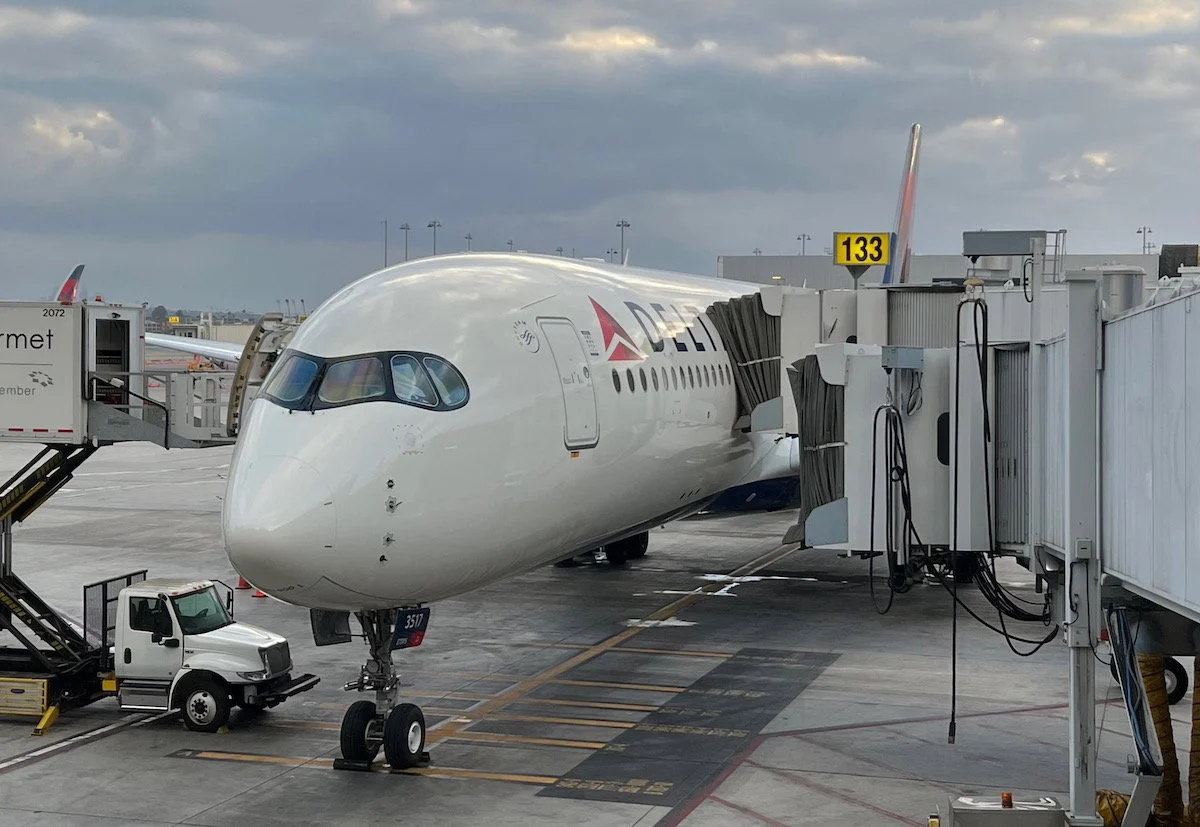
Delta Air Lines has officially announced plans to launch a new non-stop service between Seattle-Tacoma International Airport (SEA) and Ninoy Aquino International Airport (MNL) in Manila. This move marks a significant shift in Delta’s transpacific strategy, as it seeks to capture a larger share of the growing demand for travel between the United States and the Philippines. Historically, Delta served Manila primarily through its hub at Tokyo’s Narita Airport, and later through Seoul-Incheon via its partnership with Korean Air. The introduction of a direct flight from the U.S. mainland reflects the airline’s confidence in the long-haul capabilities of its modern fleet and the robust economic ties between the two nations.
The new route is scheduled to utilize the Airbus A350-900, Delta’s flagship aircraft, featuring the Delta One Suite, Delta Premium Select, Delta Comfort+, and Main Cabin service. This expansion puts Delta in direct competition with Philippine Airlines and United Airlines, the latter of which recently launched its own non-stop service from San Francisco to Manila. Industry analysts suggest that Delta’s choice of Seattle as the gateway is strategic, leveraging its position as a primary West Coast hub and providing efficient connections for passengers originating from across North America.
Boeing Regains Full Self-Certification Authority Amid Production Stabilization
In a pivotal development for the American aerospace industry, the Federal Aviation Administration (FAA) has restored Boeing’s ability to self-certify its aircraft for delivery. This authority, known as the Organization Designation Authorization (ODA), was significantly curtailed following the dual tragedies involving the 737 MAX and subsequent production quality issues with the 787 Dreamliner. For several years, the FAA had maintained direct oversight, with agency inspectors individually signing off on every new aircraft rolling off the assembly line.
The restoration of this authority signals a degree of regained trust between the regulator and the manufacturer. However, the FAA has emphasized that this is not a return to the status quo of the past. The agency will continue to maintain enhanced surveillance of Boeing’s production lines and quality management systems. For Boeing, the ability to self-certify is expected to streamline the delivery process, reducing bottlenecks that have plagued the company’s post-pandemic recovery.
According to Boeing’s recent quarterly data, the company has a backlog of over 5,000 commercial aircraft. The ability to expedite the "ticketing" process—the final regulatory step before a plane is handed over to a customer—is critical for Boeing to meet its delivery targets and improve its cash flow. Investors responded positively to the news, viewing it as a necessary step toward stabilizing the company’s commercial airplanes division.
Aer Lingus Unveils Strategic Restructuring to Drive Profitability
Aer Lingus, the Irish flag carrier and a subsidiary of International Airlines Group (IAG), has announced a series of operational changes aimed at improving its long-term profitability. This move comes as the airline faces increasing competition in the transatlantic market and rising operational costs at its Dublin hub. The strategy involves a dual focus: optimizing its short-haul European network to feed its lucrative transatlantic routes and expanding its "hub-and-spoke" model via Manchester, England.
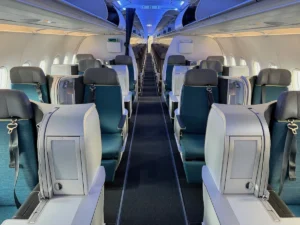
A key component of the profitability plan includes the integration of more fuel-efficient aircraft. Aer Lingus is slated to be among the first airlines to operate the Airbus A321XLR, a long-range, narrow-body aircraft that allows for the economical operation of thinner transatlantic routes that might not support a larger wide-body plane. By deploying these aircraft, Aer Lingus aims to increase its frequency to secondary U.S. markets while maintaining a lower cost-per-seat mile.
Furthermore, the airline is addressing labor costs and operational efficiencies. In statements released by IAG leadership, the emphasis has been placed on "sustainable growth," which includes a rigorous review of underperforming routes. While Aer Lingus remains a key player in the IAG portfolio alongside British Airways and Iberia, the parent company is pushing for the Irish carrier to achieve higher margins to support group-wide investment goals.
The Expansion of Premium Ground Services: Chase Sapphire Lounge at DFW
The landscape of domestic premium travel in the United States continues to evolve with the opening of the Chase Sapphire Lounge by The Club at Dallas/Fort Worth International Airport (DFW). Located in Terminal D, this new facility represents a significant expansion of Chase’s physical footprint in the airport lounge sector, which has become a primary battleground for credit card issuers seeking to retain high-spending cardholders.
The DFW lounge spans approximately 10,000 square feet and offers a range of high-end amenities, including locally inspired dining, dedicated wellness rooms, and a curated selection of beverages. The opening is part of a broader trend where financial institutions like American Express, Capital One, and Chase are investing heavily in proprietary lounges to bypass the often-crowded airline-operated clubs.
Data from the travel industry suggests that lounge access remains the most highly valued perk for premium credit card users. By situating a flagship lounge at DFW—one of the world’s busiest airports and a primary hub for American Airlines—Chase is positioning itself to capture the attention of frequent travelers in the southern United States. The lounge is managed in partnership with Airport Dimensions, a global leader in airport lounges and travel experiences.
Strategic Partnership: YOTEL Joins Hilton Honors
In a move that signals further consolidation and partnership within the hospitality industry, YOTEL has officially joined the Hilton Honors program. This partnership allows members of Hilton’s loyalty program to earn and redeem points at YOTEL properties worldwide. YOTEL, known for its "cabin" style rooms and tech-forward approach to hospitality, operates hotels in major urban centers and airport terminals, including London, New York, Singapore, and Paris.
For Hilton, the partnership adds a unique, lifestyle-oriented brand to its portfolio without the capital expenditure of a full acquisition. It allows Hilton to offer its 180 million Honors members more options in the "micro-hotel" segment, which appeals to younger, budget-conscious travelers who prioritize location and efficiency over traditional luxury.
For YOTEL, the benefit is immediate access to Hilton’s massive global distribution system and a loyal customer base that actively seeks out properties where they can accrue points. This move follows a broader industry trend where major hotel groups are forming "soft brand" partnerships or strategic alliances with independent boutique chains to expand their reach.
Chronology of the Week’s Major Events
The week began with the announcement from Delta Air Lines regarding the Manila route, setting a tone of optimism for international travel recovery. By mid-week, the focus shifted to the regulatory environment as the FAA’s decision on Boeing was finalized, providing a much-needed boost to the aerospace sector’s outlook. On Thursday, Chase held the ribbon-cutting ceremony for its DFW lounge, attended by travel industry influencers and Chase executives. The week concluded with the formal integration of YOTEL into the Hilton Honors ecosystem and the release of Aer Lingus’s strategic roadmap during an IAG investor briefing.
Supporting Data and Market Analysis
The implications of these developments are far-reaching. Delta’s expansion into Manila is supported by data showing that the Philippines has one of the fastest-growing economies in Southeast Asia, with a high volume of VFR (Visiting Friends and Relatives) traffic from the United States. According to the U.S. Department of Commerce, the Filipino-American community is one of the largest Asian American subgroups, ensuring a steady baseline of demand for non-stop services.
In the aerospace sector, Boeing’s return to self-certification is expected to assist in clearing the "delivery desert" that many airlines have complained about. Carriers such as United and Southwest have recently had to adjust their growth projections downward due to delays in aircraft deliveries. If Boeing can effectively use its restored authority to speed up output while maintaining safety standards, it could lead to a stabilization of global airline capacity by 2025.
The hotel loyalty shift reflects a changing consumer preference. Data from hospitality analytics firms suggests that "lifestyle" brands—those that offer unique designs and localized experiences—are outperforming traditional mid-scale hotels in terms of occupancy growth. By bringing YOTEL into the fold, Hilton is hedging against the rise of independent boutique hotels and short-term rentals.
Official Responses and Industry Impact
Spokespersons for Delta Air Lines emphasized that the Manila route is a "testament to the strength of our Seattle hub." Meanwhile, FAA officials clarified that while Boeing has regained ODA authority, the agency’s "oversight will remain rigorous and data-driven to ensure the highest safety standards."
Aer Lingus CEO Lynne Embleton noted in a briefing that the airline’s focus is on "ensuring we have the right fleet and the right network to compete in a transformed post-pandemic environment." Industry observers believe that the success of Aer Lingus’s strategy will depend largely on the timely delivery of the A321XLR aircraft, which have also faced production delays at Airbus.
The convergence of these events highlights a travel industry that is moving past the "recovery" phase and into a phase of strategic realignment. Airlines are seeking new, untapped markets; manufacturers are working to restore their reputations and production cadences; and hospitality brands are leveraging loyalty programs to create "ecosystems" that capture every segment of a traveler’s journey. As these initiatives unfold, the primary beneficiary will likely be the consumer, who will see increased connectivity, more sophisticated ground services, and more versatile ways to utilize loyalty currency.