The classification of prostitution as "the oldest profession in the world" is a staple of cultural vernacular, yet its historical and legal reality is far more nuanced than the idiom suggests. While the phrase was popularized in the late 19th century—most notably appearing in Rudyard Kipling’s 1888 short story "On the City Wall"—historical records and archaeological findings confirm that the exchange of sexual services for compensation has existed across nearly every civilization for millennia. Beyond the human experience, biological observations have even identified transactional sexual behavior in non-human species, including certain primates and birds, suggesting that the concept of "sex for resources" is a complex biological and social phenomenon. In the modern era, however, prostitution is no longer viewed through a singular moral lens but through a fragmented global framework of legality, public health policy, and human rights.
As international travel becomes more accessible, the intersection of tourism and local sex work laws has become a point of significant interest for legal scholars, human rights advocates, and travelers alike. The legal status of prostitution is rarely uniform; it exists on a spectrum ranging from full decriminalization to strict prohibition. Understanding these distinctions is essential for a factual analysis of how different societies manage the sex trade, protect individuals from exploitation, and regulate public health.

The Global Legal Landscape: Defining the Frameworks
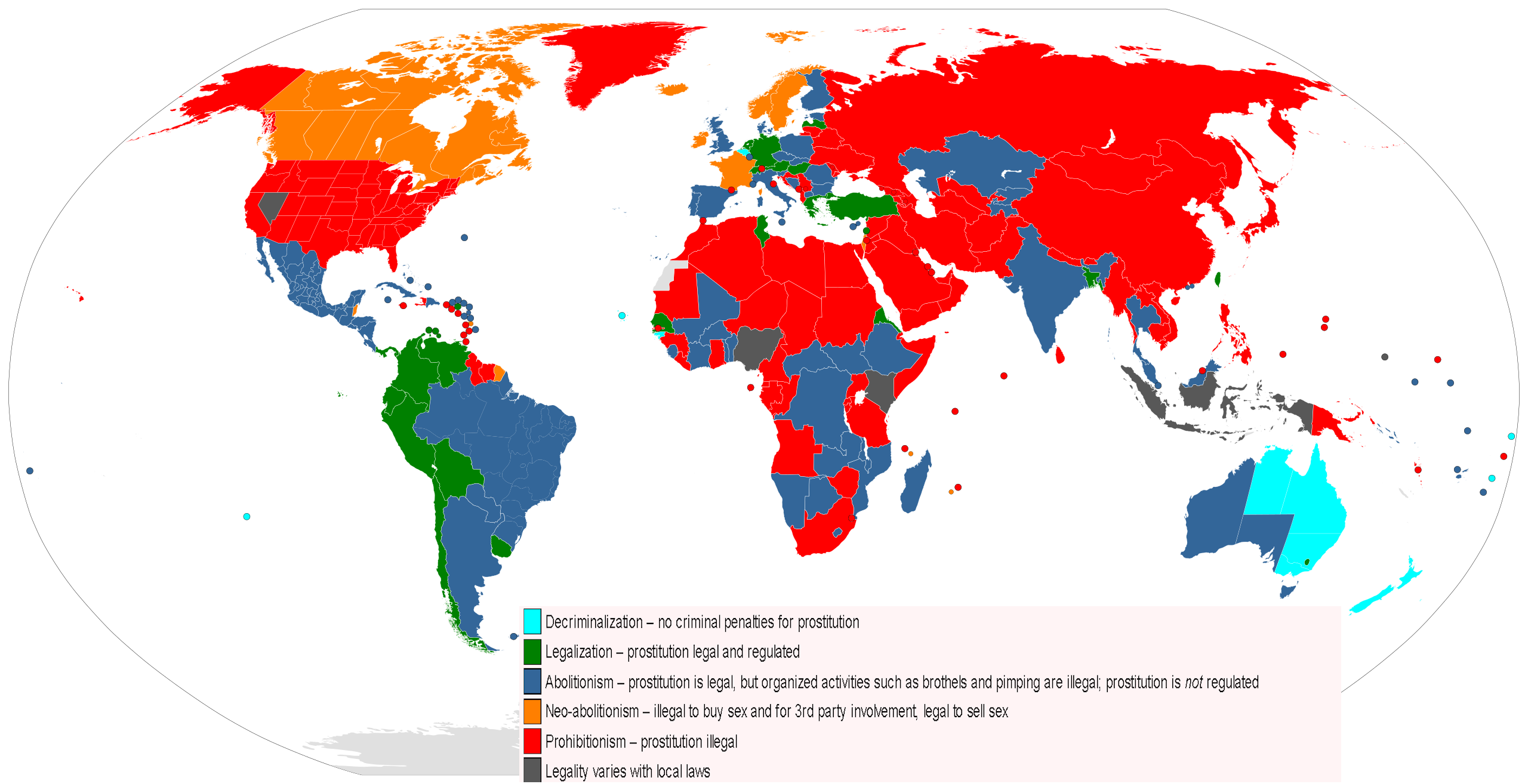
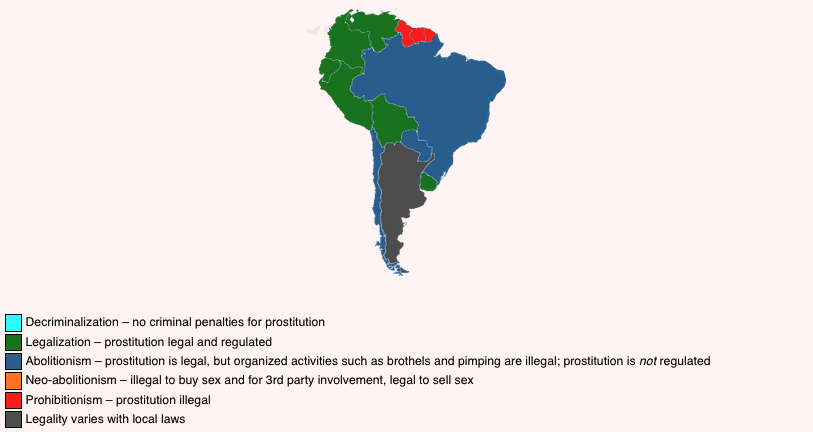
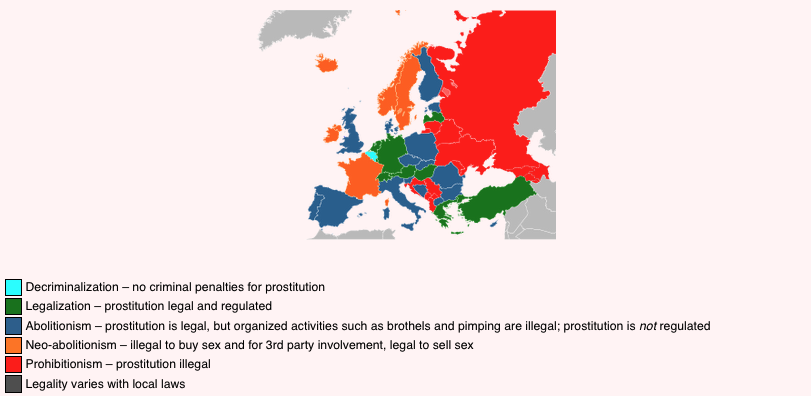
The legal status of prostitution is generally divided into five primary categories. Each reflects a different philosophical approach to bodily autonomy, gender-based violence, and the role of the state in private adult transactions.
Decriminalization: The New Zealand Model
In a decriminalized system, the selling, buying, and organizing of sex work are removed from the criminal code. Under this framework, sex work is treated similarly to other labor sectors, subject to standard employment laws rather than specific penal sanctions. This approach is designed to minimize the marginalization of sex workers, allowing them access to police protection and labor rights without fear of arrest. New Zealand is the most prominent example of this model, having passed the Prostitution Reform Act in 2003.
Legalization and Regulation: The Bureaucratic Approach
Often confused with decriminalization, legalization involves the state actively regulating the industry. In countries like Germany, the Netherlands, and Switzerland, sex work is legal but restricted to specific districts or licensed brothels. Workers may be required to register with the government, undergo mandatory health screenings, and pay income taxes. While this provides a structured environment, critics argue that mandatory registration can lead to a "two-tier" system where undocumented or marginalized individuals remain in an unregulated, more dangerous underground market.
Abolitionism: The Prevailing Global Standard
Abolitionism is the most common legal stance worldwide. Under this model, the act of selling or buying sex is technically legal between consenting adults. However, the "organization" of the trade—including pimping, procuring, and the operation of brothels—is strictly prohibited. The intent is to allow individuals to engage in sex work without being criminalized while simultaneously preventing the institutionalization of the industry. This model is prevalent throughout much of Western Europe and parts of Latin America.
Neo-Abolitionism: The Nordic Model
Emerging from Sweden in 1999, the "Nordic Model" or neo-abolitionism shifts the criminal burden from the seller to the buyer. In this system, selling sex is legal, but paying for it is a criminal offense. The philosophy behind this law is that prostitution is an inherent form of violence against women and that the best way to eliminate it is to suppress the demand. Since its inception, several countries, including France, Canada, and Ireland, have adopted similar legislation.
Prohibition: Full Criminalization
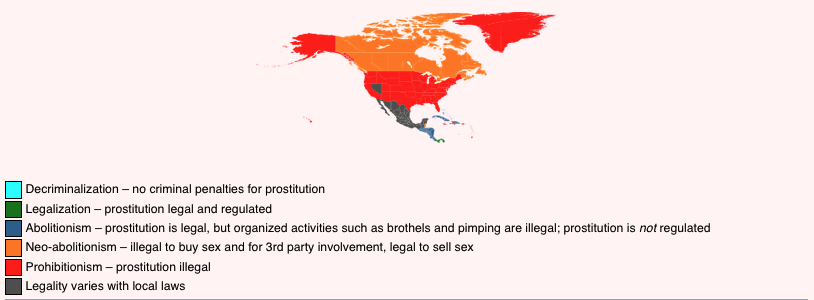
In a prohibited system, all aspects of the sex trade are illegal. This includes the seller, the buyer, and any intermediaries. This approach is most common in countries with strong religious foundations or conservative social policies, such as many nations in the Middle East, Africa, and parts of East Asia. In the United States, with the notable exception of specific counties in Nevada, prohibition remains the federal and state standard.
Regional Case Studies and Recent Legal Shifts
The global map of prostitution laws is constantly evolving as nations grapple with the efficacy of their current statutes. Recent years have seen significant shifts in North America and Europe, driven by data regarding human trafficking and worker safety.
The United States: A Patchwork of Regulations
The United States maintains a largely prohibitionist stance, yet internal variations exist. Nevada is the only state where prostitution is legal, though it is strictly regulated and restricted to licensed brothels in ten specific rural counties. It remains illegal in the state’s most populous areas, including Las Vegas (Clark County) and Reno (Washoe County).
In 2023, Maine became a focal point for legal reform when it enacted LD 1435. This legislation made Maine the first state to adopt a version of the Nordic Model, effectively decriminalizing the act of selling sex while maintaining penalties for those who purchase it. Supporters of the bill argued that criminalizing sellers often traps victims of trafficking in the legal system, preventing them from seeking help or transitioning to other forms of employment.
Europe: The Great Divide
Europe serves as a laboratory for competing ideologies. The Netherlands and Germany have long stood as the faces of legalized regulation. However, both nations have faced internal pressure to tighten restrictions due to concerns that legalized brothels can inadvertently provide a "legal front" for human trafficking. Conversely, countries like France have moved toward the Nordic Model, reporting a decrease in street prostitution but facing criticism from sex worker unions who claim the law has forced the trade underground, making it more dangerous.
Chronology of Modern Sex Work Legislation
The evolution of these laws reflects changing social attitudes toward human rights and gender.
- 1888: Rudyard Kipling coins the phrase "the oldest profession," reflecting a Victorian-era fascination with the social "underworld."
- 1949: The United Nations General Assembly adopts the Convention for the Suppression of the Traffic in Persons and of the Exploitation of the Prostitution of Others, marking a global shift toward abolitionism.
- 1999: Sweden implements the Kvinnofrid law, criminalizing the purchase of sex and birthing the Nordic Model.
- 2000: The Netherlands officially lifts the ban on brothels, opting for a regulated, tax-paying industry model.
- 2003: New Zealand passes the Prostitution Reform Act, becoming the first nation to fully decriminalize the industry.
- 2014: The European Parliament passes a non-binding resolution encouraging member states to adopt the Nordic Model to combat trafficking.
- 2023: Maine (USA) partially decriminalizes sex work, signaling a potential shift in American legislative trends.
Data and Socio-Economic Implications
The global sex industry is estimated to generate over $100 billion in annual revenue, though accurate data is notoriously difficult to collect due to the illicit nature of the trade in many regions. In countries where the industry is regulated, such as Germany, the government collects millions in tax revenue, which is often reinvested into social services and health clinics.
From a public health perspective, data from the World Health Organization (WHO) and UNAIDS suggests that decriminalization or regulation leads to lower rates of HIV and other sexually transmitted infections (STIs). When sex workers can access healthcare without fear of legal repercussions, they are more likely to utilize preventative measures and seek treatment. Conversely, in prohibitionist regimes, the fear of arrest often leads to "rapid transactions" where workers may be unable to negotiate the use of protection or vet clients for safety.
Official Responses and Human Rights Perspectives
The debate over prostitution laws often pits major international organizations against one another. Amnesty International and the World Health Organization have advocated for the full decriminalization of sex work, arguing that it is the most effective way to protect human rights and public health. They contend that criminalization increases the vulnerability of workers to violence and extortion by both criminals and corrupt law enforcement.
On the other side of the debate, organizations such as the Coalition Against Trafficking in Women (CATW) argue that any form of legal sex work fuels the demand for human trafficking. They maintain that the industry is inherently exploitative and that the state should focus on providing "exit strategies" for workers rather than legitimizing the trade.
Broader Impact and Future Outlook
As the world becomes more digitized, the landscape of prostitution is shifting from the streets to the internet. Online platforms have created a "grey market" that bypasses traditional geographical legalities. This digital shift has prompted new legislation, such as the FOSTA-SESTA acts in the United States, which aim to hold websites liable for sex trafficking. However, critics argue these laws have made sex work more dangerous by removing the digital safety nets that allowed workers to screen clients.
The future of global prostitution laws appears to be heading toward further polarization. While some regions move toward the Nordic Model’s focus on demand-side punishment, others are looking toward New Zealand’s decriminalization as a blueprint for harm reduction. What remains clear is that the "oldest profession" continues to be one of the most complex challenges for modern governance, requiring a delicate balance between individual liberty, public safety, and the protection of the vulnerable. For travelers and global citizens, understanding these laws is not merely a matter of curiosity but a necessary component of navigating a world where the definition of "legal" varies as much as the cultures themselves.