The global aviation industry operates on razor-thin profit margins, where the fluctuations in the price of jet fuel can determine the difference between a profitable quarter and a multi-million dollar loss. In this high-stakes environment, airlines have turned to extreme measures of weight management to optimize fuel efficiency. While traditional methods include the use of lightweight composite materials in aircraft construction, a growing body of research and industry practice suggests that the most significant marginal gains now come from digital transitions and even the physiological habits of passengers. From replacing heavy paper manuals with tablets to the theoretical fuel savings achieved by passengers using the restroom before boarding, the quest for a lighter aircraft has become a cornerstone of modern aeronautical strategy.
The Physics of Fuel: Why Every Gram Matters
To understand the industry’s obsession with weight, one must look at the fundamental physics of flight. For every kilogram of weight carried on an aircraft, a specific amount of fuel must be burned to provide the necessary lift and thrust. This relationship is known as the "fuel burn penalty." While the exact ratio varies depending on the aircraft type, altitude, and flight duration, industry standards suggest that for long-haul flights, reducing the aircraft’s weight by 100 kilograms can save several thousand dollars in fuel costs over the course of a year.
Historically, airlines focused on hardware. The transition from the heavy, metal-intensive designs of the mid-20th century to the carbon-fiber-reinforced polymers used in the Boeing 787 Dreamliner and the Airbus A350 represented a generational leap in efficiency. However, as airframe technology plateaus, carriers are increasingly looking inside the cabin and the cockpit for further reductions.
The Digital Transformation: From Paper to Pixels
One of the most successful weight-reduction initiatives in recent decades has been the digitalization of flight operations. For nearly a century, pilots were required to carry "flight bags"—heavy leather cases filled with paper navigational charts, approach plates, weather reports, and aircraft manuals. These bags often weighed upwards of 40 pounds (18 kilograms) each.
The transition to Electronic Flight Bags (EFBs), primarily in the form of tablets like the iPad, revolutionized the cockpit. In 2011, United Airlines became one of the first major carriers to replace paper manuals with iPads. The airline estimated that this single move saved approximately 16 million sheets of paper and 326,000 gallons of fuel annually. When extrapolated across a global fleet, the impact is staggering. Major carriers now report that giving pilots tablets instead of paper charts saves over $1 million per year in fuel costs per airline, while also reducing the risk of pilot back injuries and improving the speed of data updates.
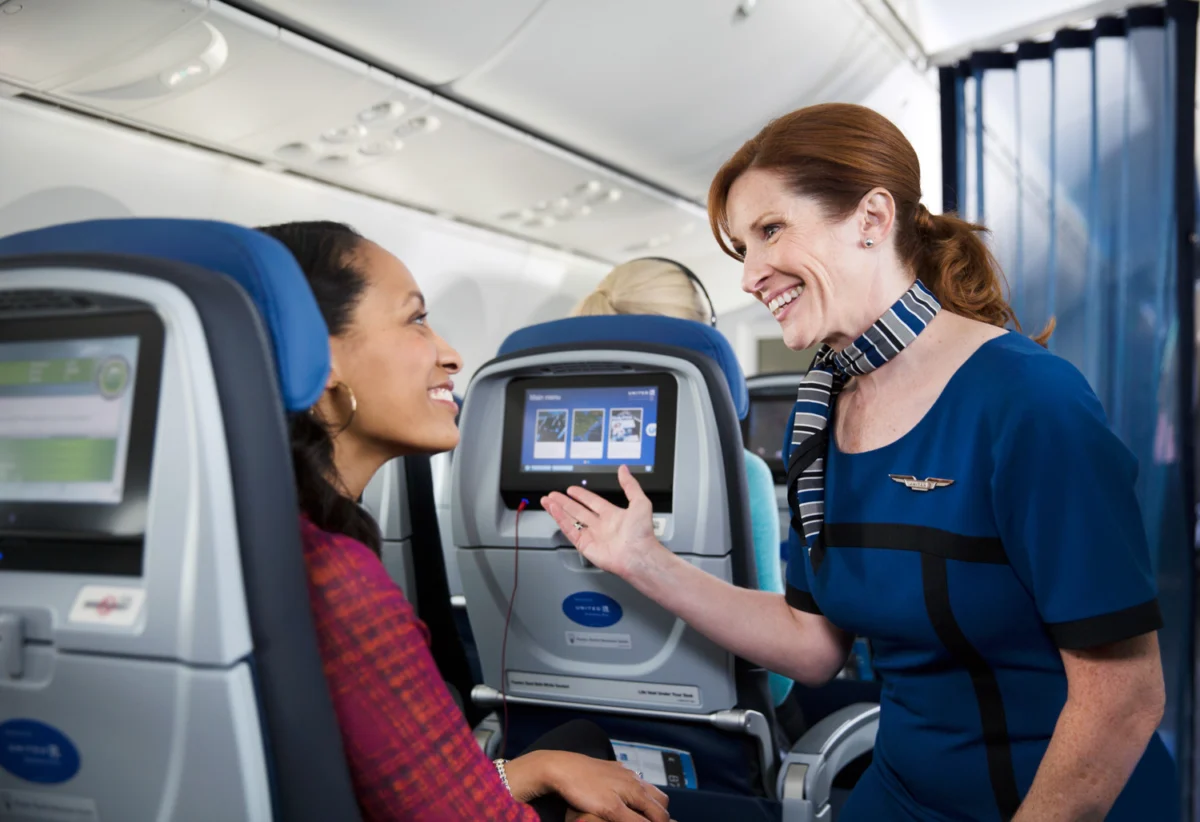
A similar trend is occurring in the passenger cabin. For decades, seat-back In-Flight Entertainment (IFE) systems were a staple of the premium flying experience. However, these systems are remarkably heavy, requiring extensive wiring, individual monitors, and bulky under-seat electronic boxes. Airlines such as American Airlines have made the strategic decision to remove or omit these screens on many domestic narrow-body aircraft. By encouraging passengers to stream content to their own personal devices via onboard Wi-Fi, the airline saves on the initial installation cost, maintenance, and, most importantly, the perpetual weight of the hardware.
The Human Factor: The Mathematical Impact of Passenger Weight
Perhaps the most provocative area of weight-saving research involves the passengers themselves. While weight-based ticketing remains a controversial and largely avoided topic due to privacy and discrimination concerns, the impact of passenger-related weight on fuel consumption is a matter of scientific record.
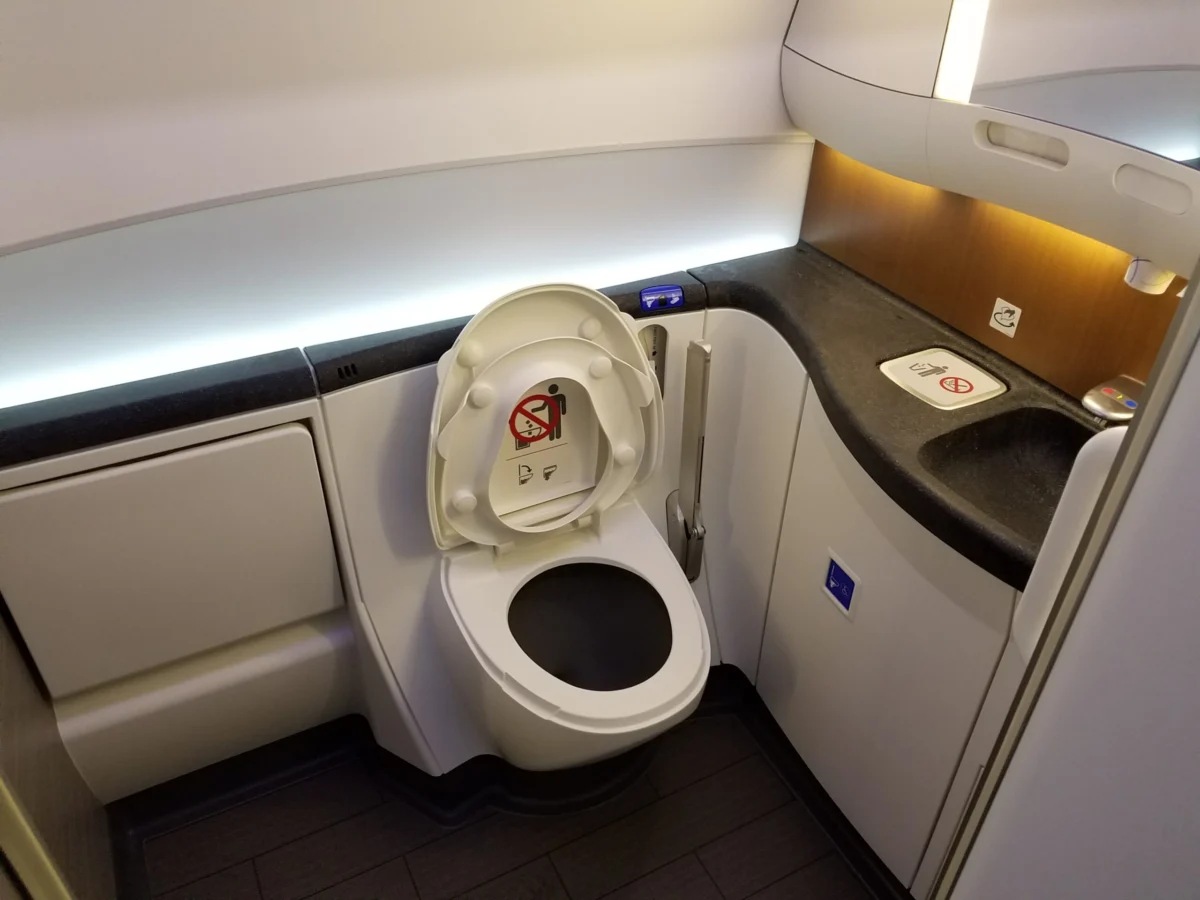
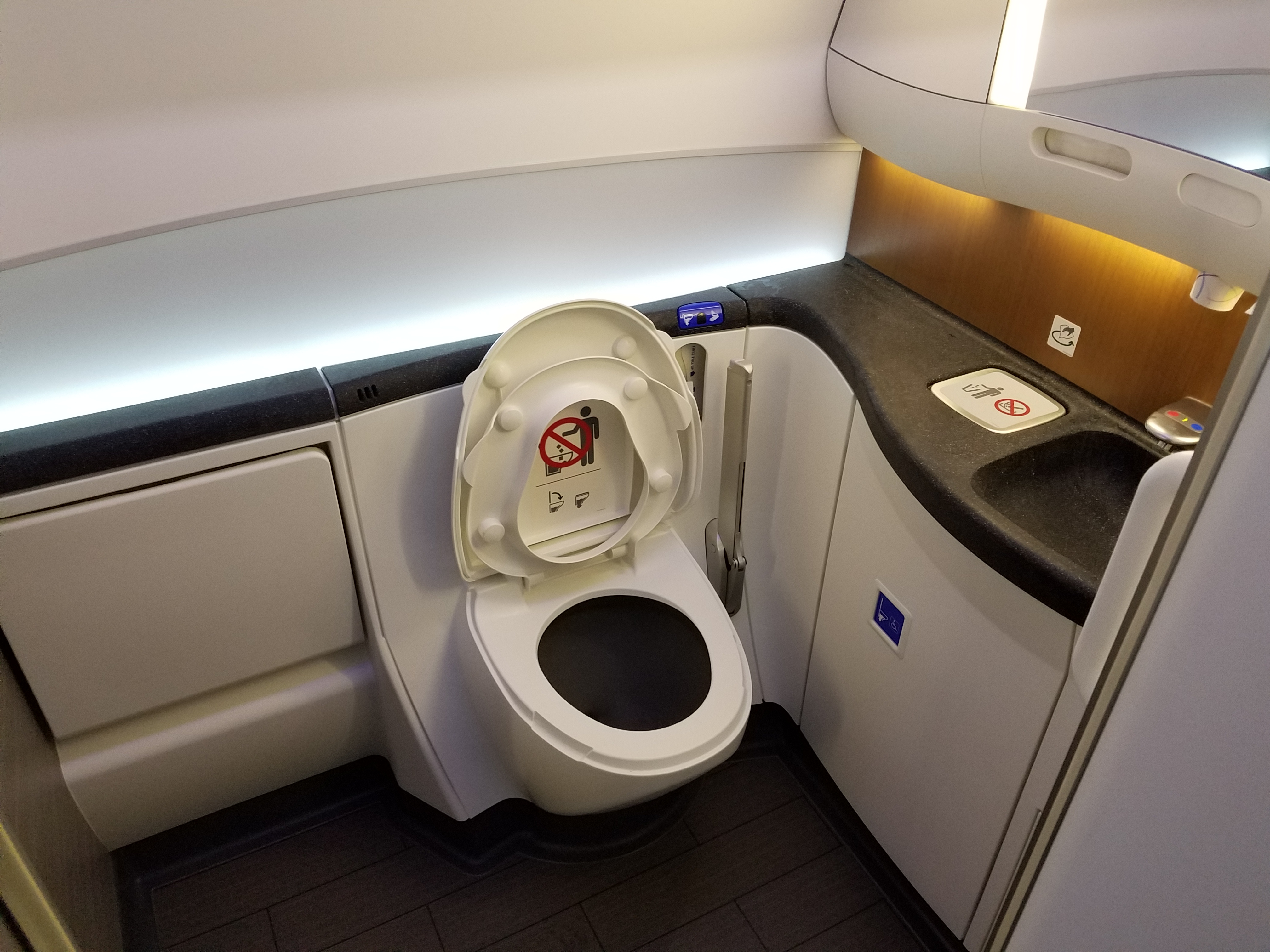
Researchers Luke Jensen and Brian Yutko conducted an analysis, popularized by the data-journalism site FiveThirtyEight, regarding the marginal weight of biological waste. Their calculations revealed a surprising metric: if every passenger on a commercial flight were to use the restroom before boarding—thereby shedding an average of 0.2 liters of urine—the airline would save approximately $2.66 in fuel per flight.
While $2.66 seems negligible in the context of an industry that measures revenue in the billions, the cumulative effect is significant. With approximately 40 million commercial flights occurring globally each year, this "pre-boarding" habit represents a theoretical $100 million fuel saving for the global industry. This data underscores a fundamental truth in aviation: in a high-volume environment, tiny efficiencies scale into massive financial outcomes.
Chronology of Weight-Saving Innovations
The pursuit of weight reduction is not a new phenomenon. It has evolved through several distinct phases:
- The 1980s: The "Olive" Era: Robert Crandall, the former CEO of American Airlines, famously discovered that by removing a single olive from each salad served in first class, the airline could save $40,000 a year. This became the industry’s first major lesson in the power of marginal gains.
- The 1990s: Material Science: Airlines began replacing heavy glass bottles for wine and spirits with plastic or lightweight glass, and transitioned from heavy metal meal carts to composite versions.
- The 2000s: The Slimline Revolution: The introduction of "slimline" seats allowed airlines to reduce the weight of the cabin interior while simultaneously fitting more rows of seats, effectively lowering the fuel cost per passenger.
- The 2010s: The Digital Pivot: The widespread adoption of iPads for pilots and the removal of printed in-flight magazines (like the 2020 retirement of the "SkyMall" catalog) removed tons of dead weight from global fleets.
- The 2020s: Sustainability and ESG: Weight reduction is no longer just about profit; it is now a core component of Environmental, Social, and Governance (ESG) goals. Lower fuel burn directly correlates to lower CO2 emissions, which is essential for airlines aiming for "Net Zero" by 2050.
Supporting Data: The Cost of Excess
To put these savings into perspective, consider the following data points regarding aircraft weight and fuel consumption:
- Paint Weight: A standard coat of paint on a Boeing 747 weighs approximately 1,100 pounds (500 kg). Some airlines have experimented with "polished metal" liveries or thinner, specialized coatings to save hundreds of pounds.
- Magazine Removal: When United Airlines stopped carrying its "Hemispheres" magazine in some seatback pockets, the weight reduction was estimated to save $290,000 in fuel annually.
- Water Management: Many modern aircraft, such as the Boeing 787, use smart sensors to ensure they only carry the amount of potable water needed for a specific flight’s duration and passenger load, rather than flying with a full, heavy tank on every leg.
- Fuel Ferrying: This is the practice of carrying extra fuel from a "cheap" airport to an "expensive" airport. However, the weight of that extra fuel itself causes the plane to burn more fuel. Modern software now calculates the "break-even" point to determine if the cost of the extra fuel burn outweighs the savings from the price difference.
Official Responses and Industry Sentiment
The aviation industry remains divided on how far weight-saving measures should go, particularly when they intersect with passenger comfort.
A spokesperson for a major North American carrier, speaking on the condition of anonymity, noted: "We are in a constant tug-of-war between the weight-saving requirements of our engineering teams and the comfort demands of our marketing teams. While removing seat-back screens saves weight, we risk losing premium customers to competitors who still offer them. Efficiency cannot come at the cost of the brand."
However, low-cost carriers (LCCs) have been more aggressive. Michael O’Leary, the CEO of Ryanair, famously proposed charging passengers to use the onboard lavatory in 2009. While the proposal was widely panned as a PR stunt, O’Leary argued it would incentivize passengers to use the airport facilities, potentially allowing the airline to remove two of the three onboard toilets to make room for more seats and reduce weight. Though the plan never came to fruition due to regulatory hurdles and public backlash, it highlighted the industry’s willingness to rethink every aspect of the cabin to save money.
Analysis of Implications: The Future of the "Light" Flight
The trend toward weight reduction is unlikely to reverse. As the industry shifts toward Sustainable Aviation Fuel (SAF), which currently costs three to five times more than conventional jet fuel, the incentive to reduce weight will only intensify.
There are several implications for the future of travel:
1. The Rise of "BYOD" (Bring Your Own Device): Wired IFE systems are likely to become a relic of the past on all but the longest international flights. Passengers should expect more high-speed Wi-Fi and tablet holders rather than built-in screens.
2. Personalized Weight Metrics: While controversial, there is a possibility that future "Green" initiatives may encourage passengers to voluntarily report their weight or luggage weight more accurately to help flight computers optimize fuel loads more precisely.
3. Engineering the Interior: We will likely see the continued evolution of cabin materials, including 3D-printed components that are "hollow" yet structurally sound, and the use of ultra-lightweight fabrics for seat covers and carpets.
4. Environmental Accountability: Weight reduction will be framed increasingly as an environmental necessity. Airlines will use data regarding fuel savings to bolster their "green" credentials, potentially even gamifying passenger behavior (e.g., offering loyalty points for passengers who travel with "light" carry-on bags).
In conclusion, the aviation industry’s obsession with weight is a logical response to the physics of flight and the volatility of energy markets. Whether it is the removal of a single olive, the transition to digital cockpits, or the theoretical savings from a passenger’s pre-flight bathroom visit, the cumulative impact of these marginal gains is what keeps the modern airline industry aloft. As technology advances, the line between operational efficiency and the passenger experience will continue to blur, driven by the relentless economic necessity of a lighter aircraft.