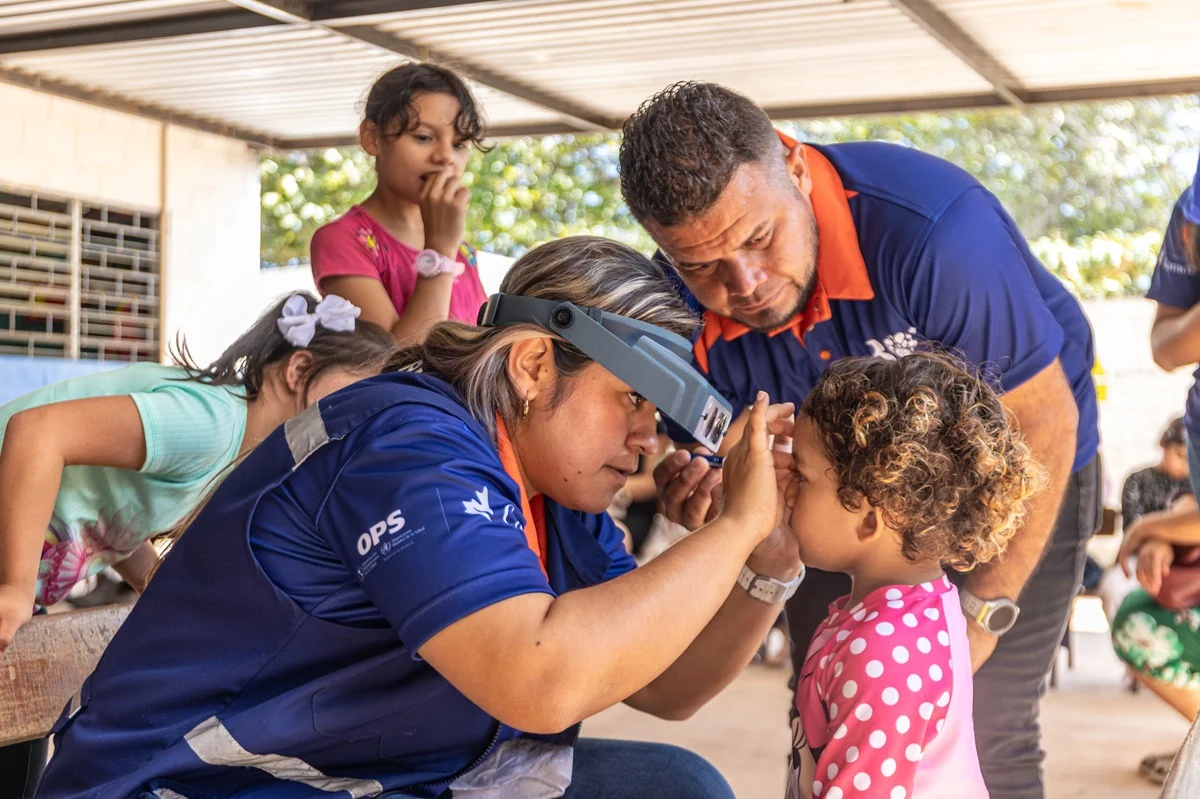
El Salvador has achieved a significant public health victory, with the World Health Organization (WHO) officially validating the nation’s elimination of trachoma as a public health problem. This landmark achievement marks a crucial step in the global fight against the world’s leading infectious cause of preventable blindness, a disease that disproportionately affects impoverished and marginalized communities. The validation signifies that trachoma is no longer a widespread threat to the visual health of the Salvadoran population, a testament to years of dedicated effort and strategic interventions.
A Triumph of Global Health Commitment
The announcement was met with widespread praise from leading global health authorities. Dr. Tedros Adhanom Ghebreyesus, WHO Director-General, extended his congratulations, stating, "I congratulate El Salvador on this remarkable achievement. It is a testament to the power of political commitment, strategic investment, and community engagement." He further emphasized the broader implications, adding, "El Salvador’s success is a vital step towards our global target of eliminating trachoma worldwide by 2030 and a clear signal that a healthier, more equitable future is within reach." This sentiment underscores the WHO’s ambitious roadmap for neglected tropical diseases (NTDs), which aims to eliminate or control numerous devastating conditions by the end of the decade.
The validation process itself was a rigorous and multi-year undertaking. It involved comprehensive assessments designed to ascertain the presence of trachoma as a public health concern within the country and to evaluate the robustness of El Salvador’s health system in detecting, investigating, and responding to any potential future outbreaks. This meticulous approach ensures that such validations are based on solid epidemiological evidence and a sustained capacity to maintain the achieved status.
The Path to Elimination: A Chronology of Effort
El Salvador’s journey towards trachoma elimination was characterized by targeted interventions and strategic planning. Between 2023 and 2026, the nation conducted extensive assessments, prioritizing communities identified as having higher environmental and social risk factors for trachoma. These assessments were crucial in gathering definitive data on the disease’s prevalence. The findings from these assessments were overwhelmingly positive, revealing no evidence of active trachoma transmission. Critically, no signs of the disease were detected in children, who are particularly vulnerable to early-stage infections, and no advanced cases capable of leading to blindness were identified in adults. This absence of disease transmission and advanced stages confirmed that trachoma no longer constitutes a public health problem in El Salvador.
Dr. Jarbas Barbosa, Director of the Pan American Health Organization (PAHO), highlighted the significance of these findings and the underlying commitment of El Salvador. "This validation reflects El Salvador’s commitment to reaching populations in the most vulnerable conditions and generating solid evidence to demonstrate that trachoma is not endemic in the country," Dr. Barbosa stated. He further commended the sustained efforts, noting, "It is the result of sustained efforts to reach communities, identify potential cases, and ensure no one was left behind." This inclusive approach is central to addressing NTDs, which often thrive in the shadows of poverty and limited access to basic services.
A Multisectoral Approach: Pillars of Success
El Salvador’s success was not a singular effort but rather the product of a comprehensive, multisectoral strategy. This approach involved several key components:
- Strengthened Primary Health Care Services: Enhancing the capacity of frontline health workers to identify, diagnose, and manage eye conditions, including early signs of trachoma.
- Improvements in Water, Sanitation, and Hygiene (WASH): Addressing the environmental factors that contribute to the spread of trachoma. Improved access to clean water and adequate sanitation facilities are critical for reducing the transmission of infectious diseases.
- Integrated Eye Health Services: Ensuring that eye care, including visual acuity screening, is readily accessible to all segments of the population, particularly adults who may have developed advanced stages of the disease.
- Intersectoral Collaboration: Fostering strong partnerships among various government ministries, local communities, and international organizations. This collaboration ensured a coordinated and holistic response to the challenge.
Furthermore, El Salvador has proactively established robust systems to sustain this achievement. This includes the training of dedicated health personnel, the implementation of integrated surveillance mechanisms to monitor for any resurgence of the disease, and the development of a clear pathway for the detection and management of trachiasis cases—the advanced stage of trachoma where inward-growing eyelashes can lead to irreversible blindness.
National Pride and Regional Impact
The Minister of Health of El Salvador, Francisco Alabi, expressed immense pride in the nation’s accomplishment. "El Salvador has reached a major health milestone by achieving certification as a country free of trachoma, the result of sustained national efforts, with the support of the Pan American Health Organization and the Embassy of Canada," Minister Alabi declared. He highlighted the speed of the progress, noting, "We are proud to have reached this achievement in just three years, positioning the country in the region and improving the visual health of our population." This rapid turnaround underscores the effectiveness of focused national programs when coupled with strong international backing.
The Pan American Health Organization (PAHO) played a pivotal role in supporting El Salvador’s efforts through the Initiative for the Elimination of Trachoma in the Americas. This initiative, a collaboration with the Government of Canada, provided technical expertise, financial assistance, and strategic guidance. The process of elimination also yielded additional benefits, creating opportunities to deliver integrated health services to the communities that were reached during the extensive assessments. This holistic approach ensured that the fight against trachoma also served to bolster broader public health initiatives.
Understanding Trachoma: The Global Context
Trachoma is a bacterial infection caused by Chlamydia trachomatis. It is primarily spread through direct contact with eye and nasal discharge from infected individuals, as well as indirectly through contaminated flies. Repeated infections, particularly in early life, can lead to scarring of the inner eyelid. This scarring causes the eyelashes to turn inward, a condition known as trachomatous trichiasis (TT). As the eyelashes rub against the cornea, they cause intense pain, inflammation, and eventual irreversible blindness.
The disease is intrinsically linked to poverty and inequities in access to essential services. Factors such as limited access to clean water, inadequate sanitation facilities, and insufficient healthcare services create fertile ground for trachoma to thrive. It remains endemic in some of the world’s most vulnerable communities, perpetuating a cycle of disability and poverty.
The Americas: Progress and Ongoing Challenges
In the Americas, trachoma continues to be a public health concern in specific rural and remote areas of Brazil, Colombia, Guatemala, and Peru. Regional efforts are actively underway to investigate and better define the epidemiological status of trachoma in countries where its presence is suspected, including Bolivia, Ecuador, Guyana, Panama, Paraguay, and Venezuela. El Salvador’s validation signifies that it has successfully moved out of this category, providing a crucial example of what can be achieved with concerted effort.
The WHO has issued clear recommendations for countries that have successfully eliminated trachoma. These include the maintenance of robust surveillance systems to detect any potential resurgence of the disease and the assurance of continued access to high-quality eye care services. Proactive monitoring and accessible treatment are essential to prevent the re-emergence of trachoma as a public health threat.
Trachoma is one of more than 30 communicable diseases and related conditions targeted under PAHO’s Disease Elimination Initiative, which has set an ambitious goal of eliminating them in the Americas by 2030. This initiative aligns with the global "road map for neglected tropical diseases 2021–2030," which outlines strategies for the control, elimination, and eradication of these often-overlooked diseases. Neglected tropical diseases, such as trachoma, carry devastating health, social, and economic consequences, disproportionately burdening impoverished communities in tropical regions.
A Global Movement Towards Elimination
The global effort to combat trachoma has a long history. In 1996, the WHO launched the WHO Alliance for the Global Elimination of Trachoma by 2020 (GET2020). This alliance fostered a network of governments, non-governmental organizations, and academic institutions dedicated to the fight against trachoma. While the initial target year was 2020, the WHO continues its unwavering support for endemic countries, accelerating progress toward the ultimate global goal of eliminating trachoma as a public health problem by 2030.
The definition of elimination of trachoma as a public health problem, as established by the WHO, involves specific epidemiological benchmarks. These include a prevalence of trachomatous trichiasis (TT) unknown to the health system of less than 0.2% in individuals aged 15 years and older, and a prevalence of trachomatous inflammation—follicular (TF) in children aged 1-9 years of less than 5%, in each formerly endemic district. Crucially, the existence of a system to identify and manage incident cases of TT is also a prerequisite.
El Salvador now joins an esteemed group of nations that have achieved this significant health milestone. Globally, 64 countries have been recognized by WHO for eliminating at least one neglected tropical disease, with seven of these being in the Americas. El Salvador’s achievement is particularly noteworthy as it is the first country in Central America and the second in the entire Americas to be validated for trachoma elimination. This success story offers hope and a tangible model for other nations striving to eradicate this debilitating disease and improve the visual health and overall well-being of their populations.