
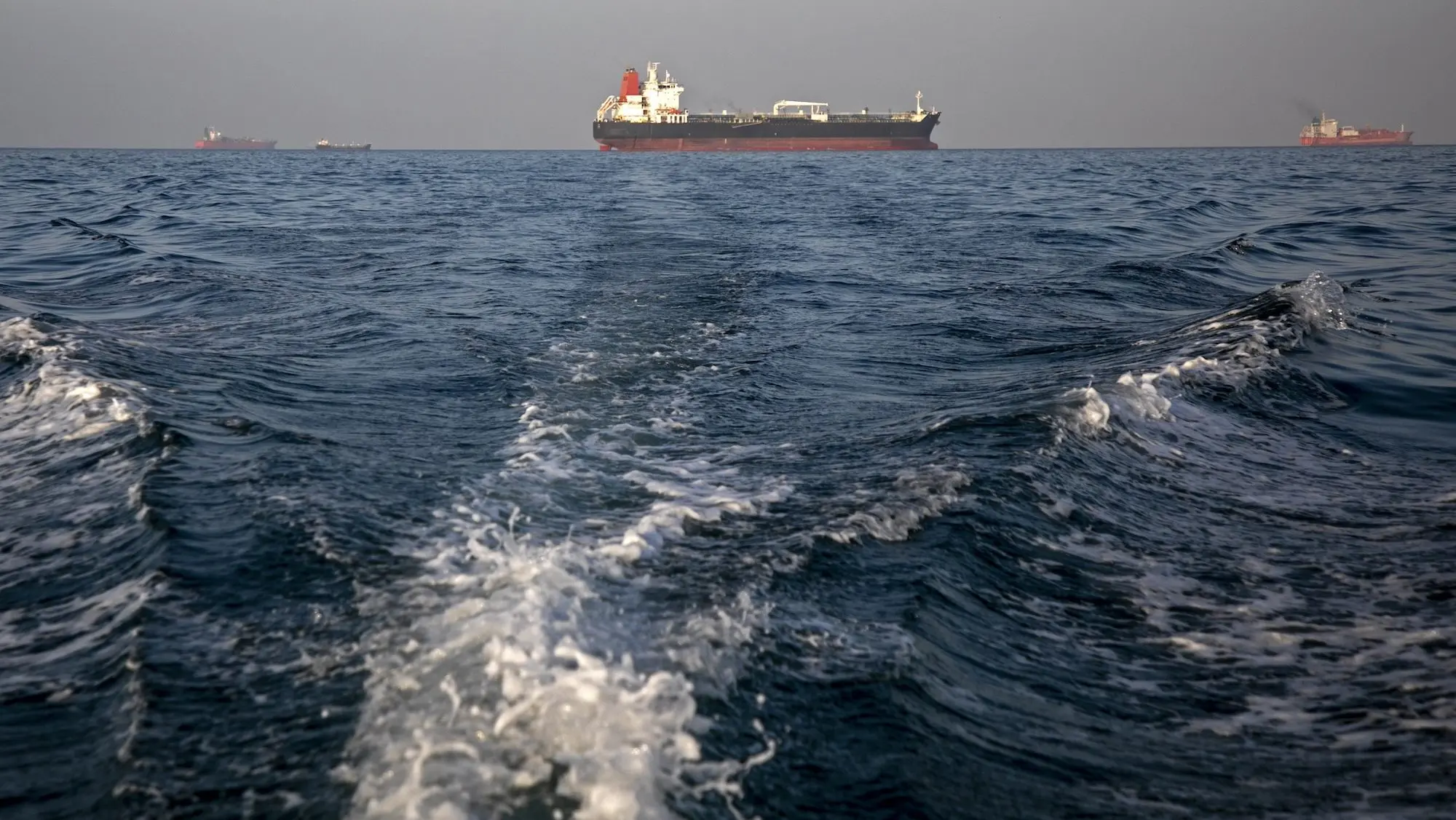
When the Strait of Hormuz first closed at the onset of the 2026 Iran war, global markets and geopolitical analysts braced for what many described as the largest energy crisis in human history. The narrow waterway, a 21-mile-wide passage separating the Persian Gulf from the Gulf of Oman, serves as the world’s most vital oil artery. Before the conflict erupted, approximately 20 percent of the world’s traded oil—roughly 15 to 17 million barrels per day—passed through this choke point. Iran’s military blockade effectively erased that volume from global circulation overnight, threatening to destabilize the foundations of the modern industrial economy.
In the initial weeks of the conflict, the consensus among financial institutions and international monitors was one of impending catastrophe. Australia prepared for national fuel rationing, the European aviation sector warned of a total cessation of non-essential flights, and Goldman Sachs issued alerts regarding widespread, systemic oil shortages. The International Monetary Fund (IMF) cautioned that a prolonged closure could trigger a global recession comparable to the Great Depression, while commodity traders speculated that Brent crude could surge past $200 a barrel. However, four months into the hostilities, the predicted collapse has largely been avoided through a combination of unprecedented strategic cooperation, aggressive demand management, and a rapid shift in global energy logistics.
The Chronology of the 2026 Energy Crisis
The current crisis unfolded in distinct phases, beginning with the sudden escalation of military hostilities and evolving into a complex game of global supply-chain maneuvering.
March 2026: The Outbreak of Hostilities
The crisis began when a joint military operation by the United States and Israel targeted Iranian nuclear and military infrastructure. In immediate retaliation, Tehran announced the total closure of the Strait of Hormuz to all commercial traffic. Benchmark oil prices instantly breached the $100-a-barrel threshold. Within 72 hours, the International Energy Agency (IEA) coordinated a historic release of 400 million barrels from the strategic reserves of more than 30 member nations, including the United States, Japan, and several European states.
April – May 2026: The Global Adjustment
As the blockade persisted, the United States, Venezuela, and Norway significantly ramped up domestic crude production. Simultaneously, major Asian importers—led by South Korea, India, and Japan—began implementing emergency energy-saving mandates. These included remote work requirements, restrictions on private vehicle usage, and the idling of non-essential industrial facilities.
June 2026: The Brief Respite and Ceasefire Collapse
On June 17, a tentative ceasefire agreement was signed between Washington and Tehran, allowing for a temporary resumption of commercial shipping. Oil prices retreated to approximately $70 per barrel as the market anticipated a return to normalcy. However, the agreement collapsed within weeks. By late June, the U.S. announced a renewed blockade of Iranian oil exports, and Iran countered by imposing stringent new "transit requirements" that effectively reinstated the closure of the Strait. Prices subsequently stabilized at a higher baseline of $85 per barrel, marking the beginning of what analysts call "Hormuz 2.0."
Strategic Supply Interventions: Filling the 15-Million-Barrel Void
The primary reason the global economy did not suffer an immediate heart attack was the rapid mobilization of alternative oil sources. The IEA’s release of 400 million barrels provided a critical 20-day buffer, allowing refineries time to reconfigure their supply lines.
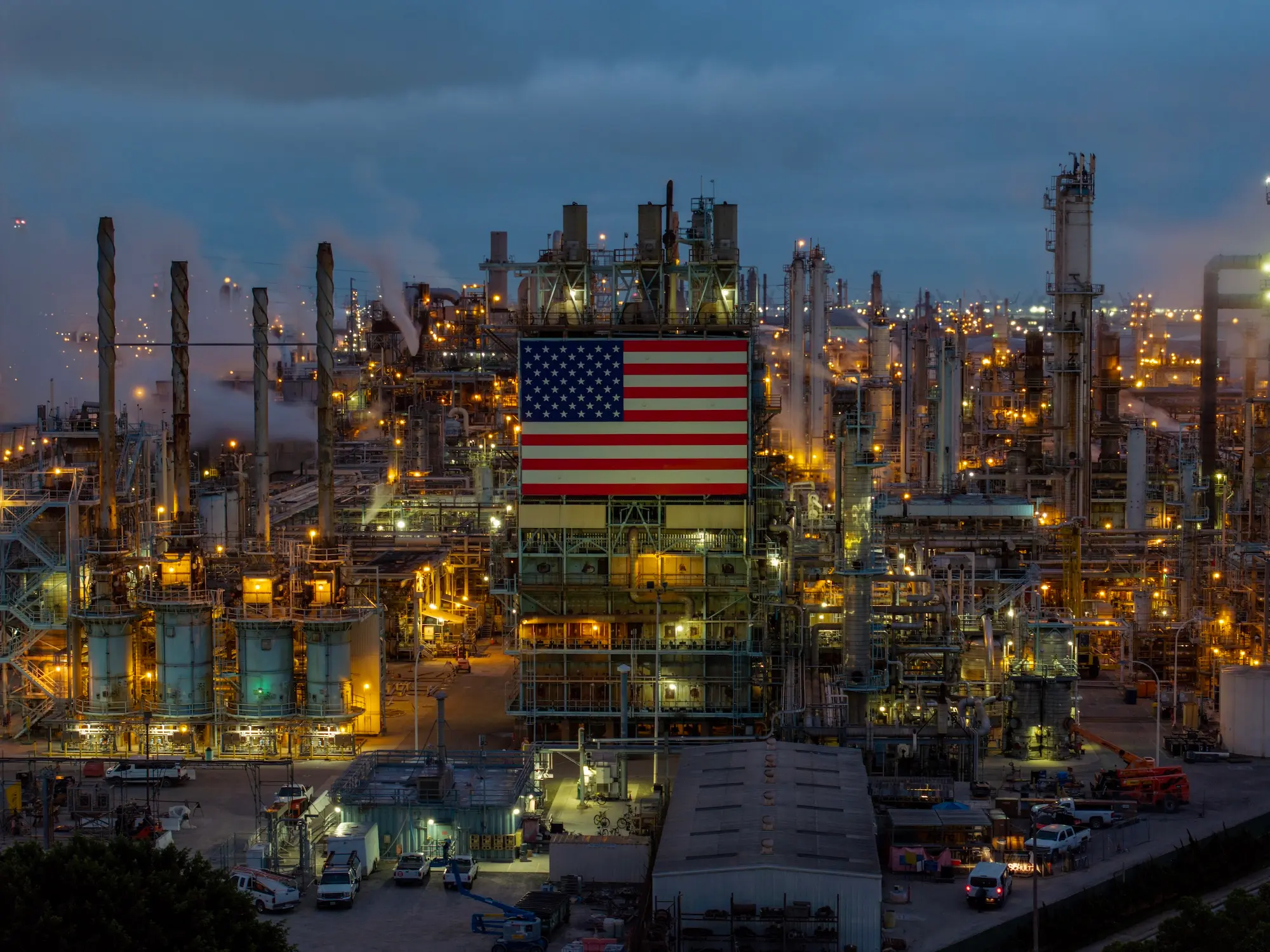
Beyond the release of reserves, several non-OPEC+ nations surged production to capture the "scarcity premium" created by the war. The United States transitioned into a total export footing, with South Korea alone doubling its imports of American crude between February and April. Venezuela and Norway also reached record production levels, diverting shipments originally destined for traditional partners to fill the gap left by the absence of Saudi and Kuwaiti oil.
Crucially, the geography of oil transport shifted. While the Strait of Hormuz was closed, Iraq and Saudi Arabia successfully rerouted approximately 6 million barrels per day through overland pipelines to the Red Sea and the Mediterranean. While these pipelines were previously operating below capacity or were in various states of disrepair, emergency engineering teams brought them to maximum throughput within weeks of the war’s commencement.
The China Factor: A "Crash Diet" for Energy
China, the world’s largest oil importer, played an unexpected role in stabilizing global markets. Rather than competing for limited sea-borne crude and driving prices to the feared $200 level, Beijing initiated what energy analysts at Rapidan Energy Group described as a "crash diet."
The Chinese government halted all purchases for its own strategic petroleum reserves and temporarily shuttered several domestic refineries. To maintain its power grid, China pivoted aggressively to coal-fired generation and its massive domestic solar infrastructure. This internal shift effectively removed 5 million barrels per day of demand from the global market, acting as a secondary "buffer" that prevented a total supply-demand mismatch.
Aggressive Demand Destruction: Conservation Measures in Asia and Europe
While supply-side measures were vital, the crisis was equally managed through "demand destruction"—the forced or voluntary reduction of consumption. More than 100 countries enacted emergency conservation policies to weather the shock.
In Southeast Asia, where the reliance on Middle Eastern oil is highest, the response was particularly stringent. The Philippines, Pakistan, and Sri Lanka transitioned to four-day work weeks to reduce commuting fuel consumption. Myanmar implemented an "odd-even" license plate system, restricting gas-powered vehicles to driving every other day. Bangladesh took the step of closing public university buildings and limiting air conditioning temperatures to 77 degrees Fahrenheit to preserve the liquefied natural gas (LNG) and oil used for power generation.
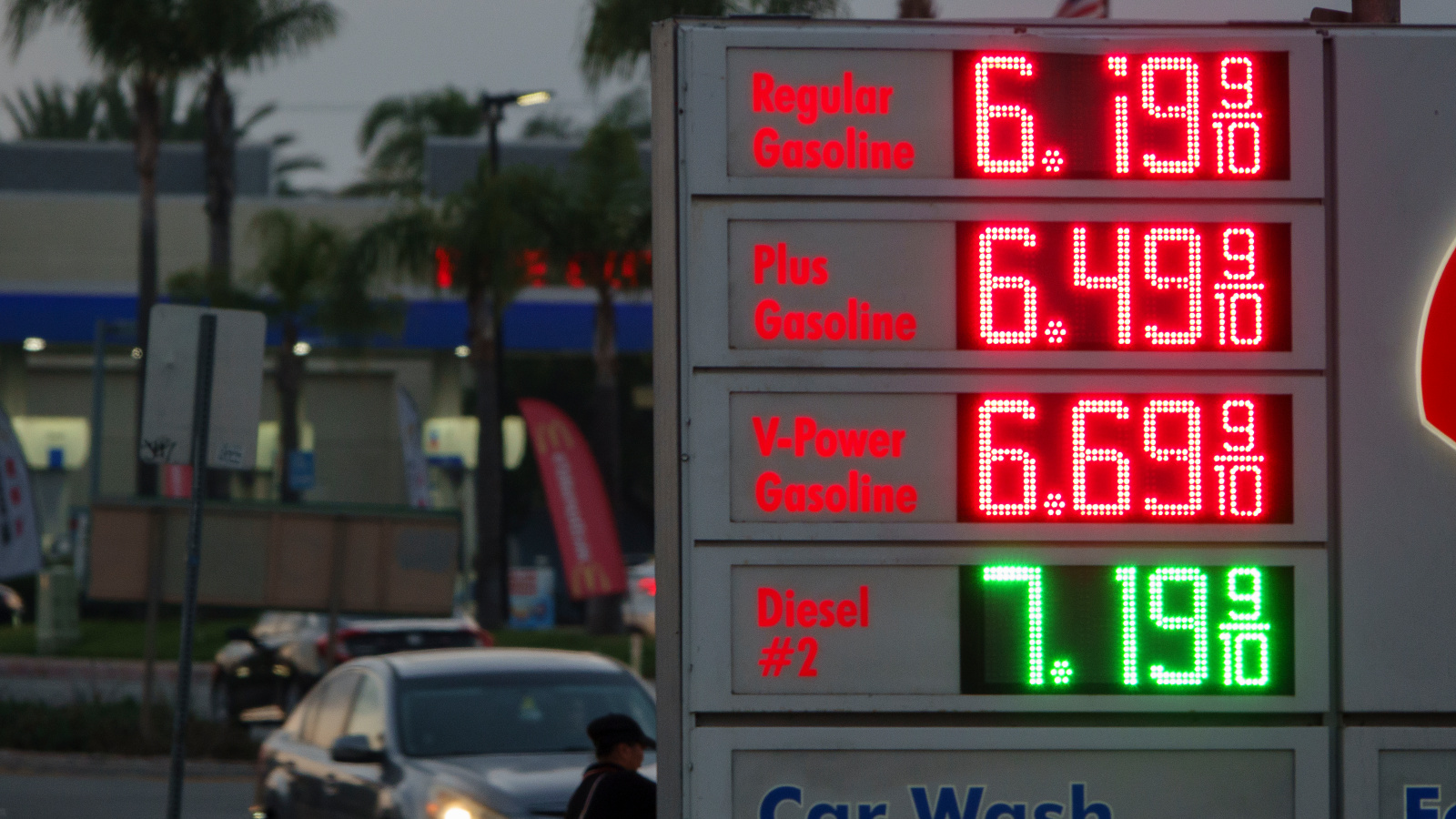
European nations, while less directly reliant on Hormuz for crude, faced soaring prices. The Netherlands responded by offering subsidies for citizens to trade internal combustion engine vehicles for electric ones, while Sweden halved the cost of all public transit to discourage driving. These measures, while disruptive to daily life, prevented the "price spiral" that many feared would lead to hyperinflation and social unrest.
The Socio-Economic Cost of the Blockade
Despite the successful avoidance of a total global recession, the war has exacted a heavy toll on vulnerable populations. The crisis has extended far beyond the gas pump, impacting food security and industrial manufacturing.
- Agriculture and Hunger: The production of synthetic fertilizers relies heavily on natural gas and petroleum products. The disruption of these inputs during the peak rice-planting season in Asia is expected to result in significantly lower crop yields. Organizations like the International Food Policy Research Institute (IFPRI) have warned that this could lead to a secondary "hunger crisis" in late 2026.
- Industrial Inflation: The Strait of Hormuz is not only a conduit for oil but also for critical industrial minerals and gases. Shortages of helium, sulfur, and nickel have slowed the production of semiconductors and batteries, contributing to a broader inflationary trend in the technology and automotive sectors.
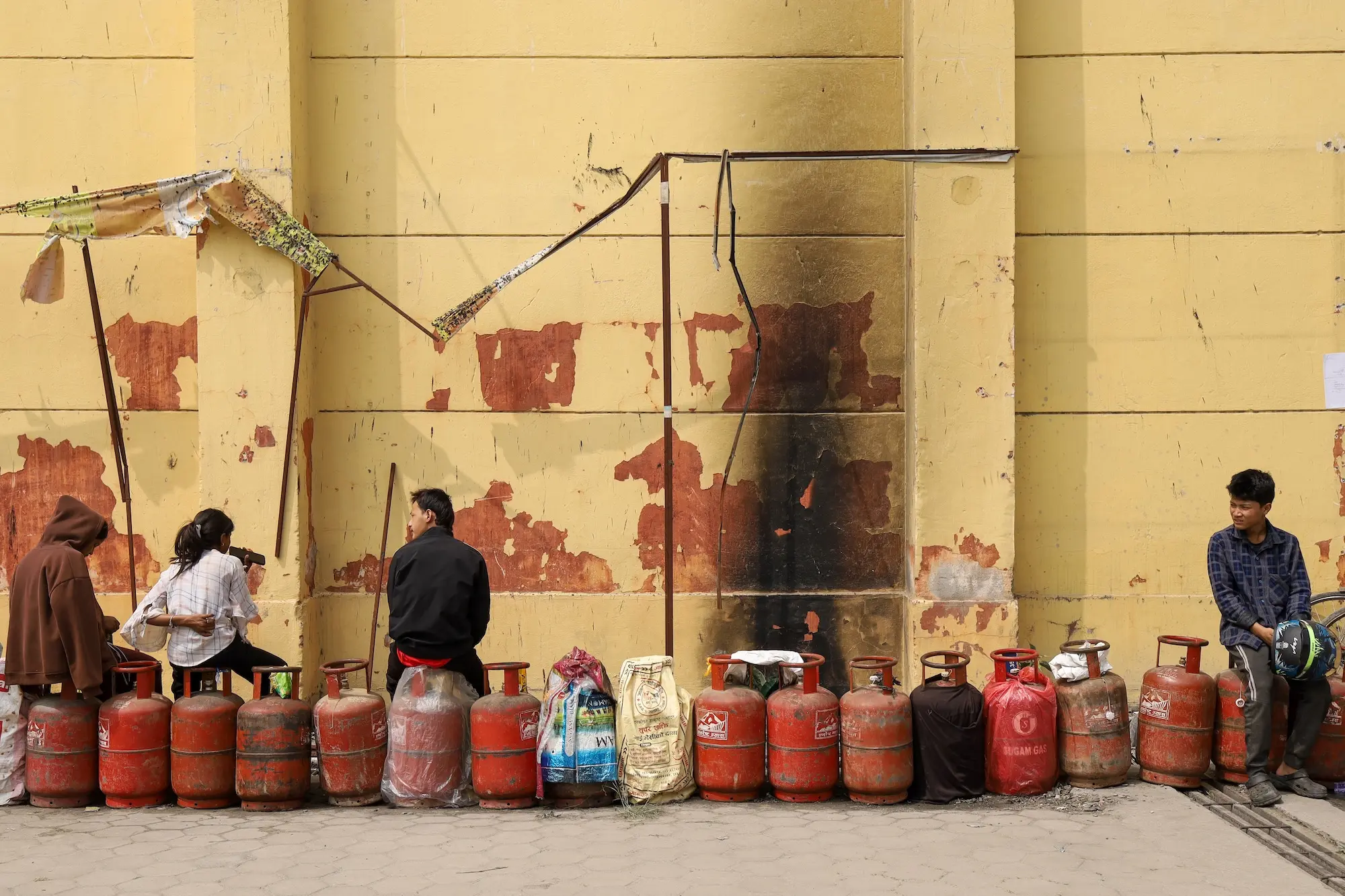
- Livelihoods: In nations like Myanmar and Thailand, the soaring cost of fuel has devastated the transport sector. Taxi drivers and independent logistics workers have seen their margins evaporate, leading to a rise in urban poverty.
The Looming Threat of "Hormuz 2.0"
As the world enters the fifth month of the conflict, the "tricks" used to stabilize the market are beginning to fail. Analysts warn that the period of relative stability may be coming to an end.
The most pressing concern is the depletion of strategic reserves. The U.S. Strategic Petroleum Reserve (SPR) has been drawn down to levels not seen since the early 1980s. Reports from the Department of Energy suggest that the constant, high-volume draws have placed mechanical strain on the underground salt caverns used to store the oil, threatening the structural integrity of the system.
Furthermore, China’s "crash diet" appears to be ending. As Beijing seeks to restart its industrial engine, its return to the global oil market will coincide with a period of low global inventories. Bob McNally, founder of Rapidan Energy Group and former advisor to the George W. Bush administration, notes that the next phase of the crisis will be far more volatile. "In Hormuz 1.0, we used inventory to solve the problem," McNally stated. "In Hormuz 2.0, prices will have to do the work. Demand for fuel is inelastic—people still have to eat and move—which means prices may have to reach painful heights to force the necessary level of conservation."
Conclusion: A Precarious Balance
The 2026 Iran war has demonstrated the remarkable resilience of the global energy system, but it has also exposed its profound vulnerabilities. Through a combination of IEA coordination, American production surges, and drastic conservation measures in Asia, the world has—for now—averted the $200-a-barrel "doomsday scenario."

However, with the ceasefire in tatters and strategic reserves nearing exhaustion, the global economy remains in a state of high alert. The success of the past four months was built on buffers that no longer exist. If the blockade of the Strait of Hormuz continues into the autumn and winter, the international community may find that its ability to "manage" the crisis has reached its absolute limit, leaving the global economy at the mercy of the frontlines of the conflict.