In a move that has reignited a fierce national debate over land stewardship and executive authority, President Donald Trump has signed executive orders to shrink two of Utah’s most prominent national monuments by approximately 90 percent. The decision to drastically reduce the size of Bears Ears and Grand Staircase-Escalante National Monuments was framed by the administration and Utah’s top Republican leadership as a victory for "fairness" and local control. However, a growing body of empirical evidence, including multiple independent polls conducted over the last several years, suggests that a significant majority of Utah residents—and voters across the Mountain West—oppose these reductions. This disconnect between public sentiment and policy implementation highlights a deepening rift in the American West over the future of federal lands.
The executive orders effectively dismantle the protections originally established for 3.3 million combined acres of rugged, culturally significant terrain. Bears Ears National Monument, which spanned roughly 1.35 million acres, has been reduced to approximately 121,000 acres. Similarly, Grand Staircase-Escalante, which once covered nearly 1.9 million acres, has been pared down to just over 181,500 acres. The administration’s stated justification for the cuts centers on "better aligning the use of these public lands with the public interest," specifically citing the presence of critical mineral deposits, including copper, nickel, and uranium, which are vital for domestic industry and energy independence.
The Data Gap: Public Sentiment versus Political Rhetoric
While Utah’s political delegation, including Governor Spencer Cox and Representative Celeste Maloy, stood alongside the President during the signing ceremony, their assertions that the cuts reflect the will of the "locals" are challenged by recent data. Research conducted by Utah State University (USU) in 2024 and 2025 provides a detailed look at the internal attitudes of Utahns. According to Michaelann Nelson, a professor of environmental rhetoric at USU, the findings are "very contradictive" of the narrative pushed by elected officials.
The USU survey found that 61 percent of Utahns supported or strongly supported the preservation of Bears Ears as a national monument. Conversely, only 19 percent expressed opposition. When specifically asked about reducing the monument’s size, 53 percent of respondents were against the idea, while only 26 percent supported it. The remaining 21 percent held a neutral position. Jessica Schad, a professor of sociology and director of the Community and Natural Resources Institute at USU, noted that the survey utilized rigorous methodology to ensure rural voices were represented alongside the more urbanized Wasatch Front. "Our politicians aren’t taking into account what residents are preferring," Schad observed, noting that the issue has become increasingly polarized at the legislative level despite broad public consensus.
This sentiment is not confined to Utah. The 2026 Conservation in the West Poll, conducted by Colorado College, interviewed voters across eight Mountain West states: Arizona, Colorado, Idaho, Montana, Nevada, New Mexico, Utah, and Wyoming. The results showed that 91 percent of voters in these states favor keeping existing national monuments in place. This represents a steady increase in support from 80 percent in 2017. Perhaps most surprisingly, the support for monuments transcends traditional party lines. The poll found that 87 percent of Republicans, 92 percent of independents, and 96 percent of Democrats want to maintain current protections. Among supporters of the "MAGA" movement, support for existing monuments grew from 81 percent in 2025 to 87 percent in the most recent data.
Historical Context: A Century of Conservation and Conflict
The legal mechanism at the heart of this controversy is the Antiquities Act of 1906. This landmark legislation grants the President the authority to designate federal lands as national monuments to protect "objects of historic or scientific interest." However, the Act also specifies that the protected area should be "the smallest area compatible with the proper care and management of the objects to be protected." This clause has become the primary legal and rhetorical weapon for those seeking to shrink monument boundaries.
The history of these two monuments is a timeline of political "ping-pong." Grand Staircase-Escalante was designated by President Bill Clinton in 1996, a move that was initially met with intense local protest but has since become an integral part of the region’s tourism economy. Bears Ears was designated by President Barack Obama in 2016 following years of advocacy by a coalition of five Native American tribes.
In 2017, during his first term, President Trump reduced both monuments for the first time, a decision that was later reversed by President Joe Biden in 2021. This latest executive action marks the second time the Trump administration has sought to roll back these protections, creating an era of unprecedented uncertainty for land managers, tribal leaders, and the outdoor recreation industry. Governor Spencer Cox argued that multimillion-acre monuments are an abuse of the Antiquities Act, stating, "These monuments that are bigger than the state of Delaware certainly do not fit that designation."
The Role of Tribal Sovereignty and Cultural Preservation
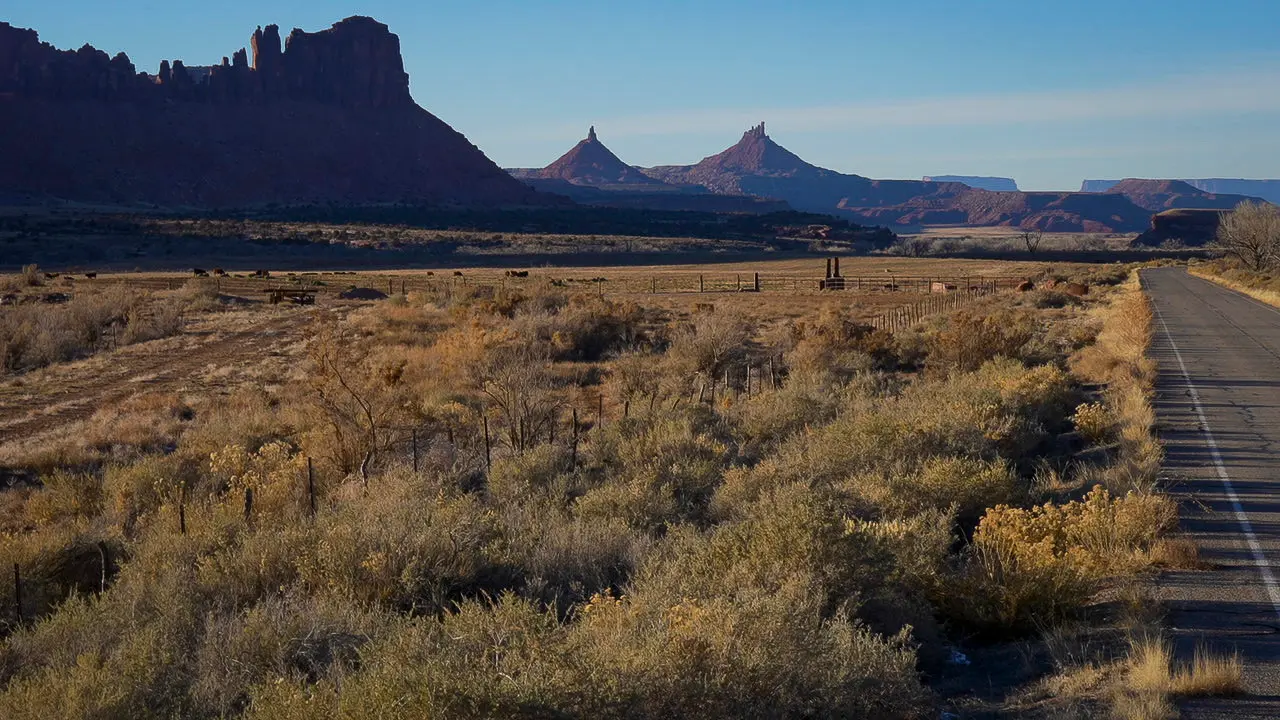
One of the most contentious aspects of the reduction is its impact on Native American tribes. Bears Ears, named for a pair of twin buttes, is considered sacred ancestral land by the Hopi Tribe, Navajo Nation, Ute Mountain Ute Tribe, Pueblo of Zuni, and Ute Indian Tribe. The original designation included an intertribal commission, a historic arrangement that gave these nations a formal role in the management of federal lands.
President Trump’s latest order has disbanded this commission, a move that critics say erases years of progress in tribal-federal relations. Polling data suggests that this, too, is out of step with public opinion. A December 2024 survey by New Bridge Strategies found that nearly 90 percent of Utahns support Native American tribes having a strong role in managing their ancestral lands. Furthermore, 81 percent of respondents believed the administration should honor existing agreements with tribes regarding Bears Ears. The loss of tribal oversight raises concerns about the protection of thousands of archaeological sites, petroglyphs, and ancient dwellings that are now excluded from the monument’s boundaries.
Economic Justifications: Mining, Minerals, and Multiple Use
The administration’s rationale for the cuts heavily emphasizes the economic potential of "multiple use" on public lands. By shrinking the monuments, the land is opened to various forms of industrial development that are generally prohibited under monument status. The primary focus is on critical minerals. The region is known to contain significant deposits of uranium—a mineral that has a long and complicated history in Utah. During the Cold War, the town of Moab was known as the "Uranium Capital of the World," and the current administration views these domestic supplies as vital for national security and the transition to various energy technologies.
However, environmental groups like the Southern Utah Wilderness Alliance (SUWA) argue that the economic benefits of mining are outweighed by the "degradation" of the landscape and the loss of the recreation economy. Records from 2017 revealed that mining companies had actively lobbied the administration to reduce the boundaries of Bears Ears specifically to facilitate access to mineral-rich areas.
During the signing ceremony, President Trump also claimed that the monuments restricted recreation, stating, "You can’t go hunting. You can’t go fishing. You can’t do anything." This claim, however, is largely refuted by current land management policies. Under the previous monument designations, hunting, fishing, and off-road vehicle use on designated trails were permitted. The primary activities prohibited were new mining claims and large-scale industrial development.
Broader Impact and Legal Implications
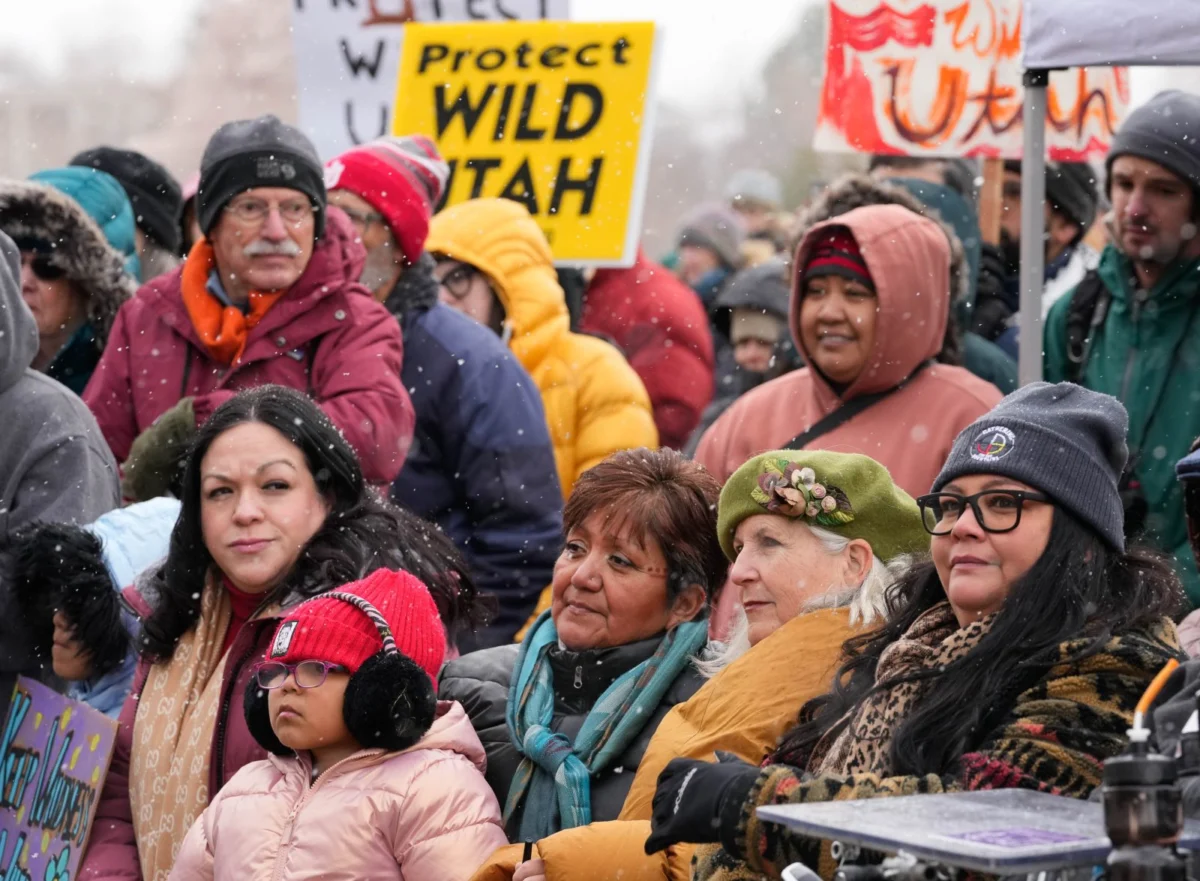
The immediate aftermath of the executive orders has been marked by widespread protest. In Salt Lake City, hundreds gathered outside the Governor’s Mansion to voice their opposition. These grassroots efforts are likely to be mirrored in the courtroom. Legal experts expect a flurry of lawsuits from environmental organizations, tribal nations, and outdoor industry groups.
The central legal question remains whether the Antiquities Act allows a president to reduce a monument, as the text of the law explicitly mentions the power to create them but is silent on the power to diminish or abolish them. Previous court cases have not definitively settled this issue, and many legal scholars believe the matter may eventually reach the Supreme Court.
The implications of this decision extend far beyond the borders of Utah. It sets a precedent that could affect national monuments across the country, from the Atlantic canyons to the Mojave Desert. As the "ping-pong" of federal land policy continues, the stability of conservation efforts and the predictability of local economies remain at risk. For now, the vast landscapes of southern Utah remain a battlefield where the competing interests of resource extraction, cultural preservation, and public will continue to clash. The data suggests that while the political ink has dried on the executive orders, the public’s desire for protection remains as steadfast as the red rock canyons themselves.