
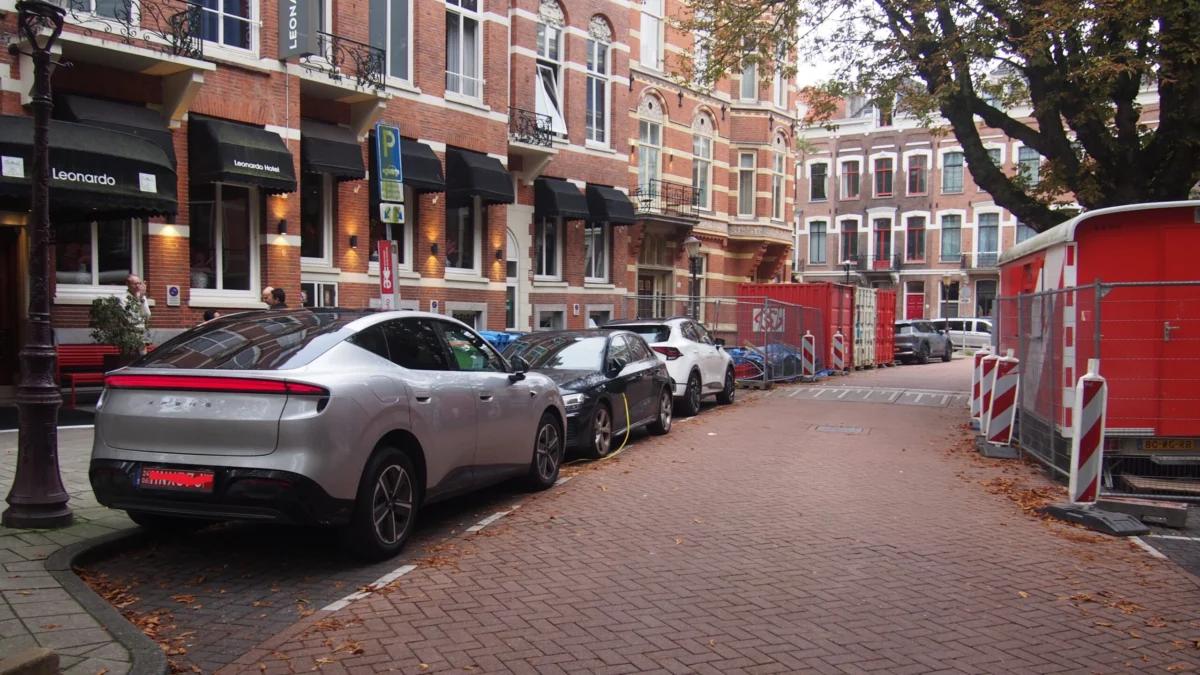
The evolution of intelligent driving systems has shifted from a race for pure feature sets to a complex battle for hardware integration, local market adaptability, and ride refinement. In a recent side-by-side evaluation conducted in Amsterdam, the XPENG L03—equipped with the VLA 2.0 system—and the Tesla Model 3, running Full Self-Driving (FSD), were tested against the demanding backdrop of dense European urban traffic. While both vehicles represent the current frontier of advanced driver-assistance systems (ADAS), the test revealed that the vehicle’s mechanical platform, cabin ergonomics, and decision-making logic significantly influence the user experience.
Technical Foundations and Processing Power
The core of the XPENG L03’s performance lies in its architecture. The Ultra trim utilizes three dedicated Turing chips—two for driving and one for voice control—delivering a combined 2,250 TOPS (trillion operations per second). This architecture stands in contrast to the Tesla Hardware 4.0 platform, which operates at approximately 500 TOPS. This disparity in raw processing power allows the XPENG L03 to handle a greater volume of data locally, reducing reliance on cloud-based computation.
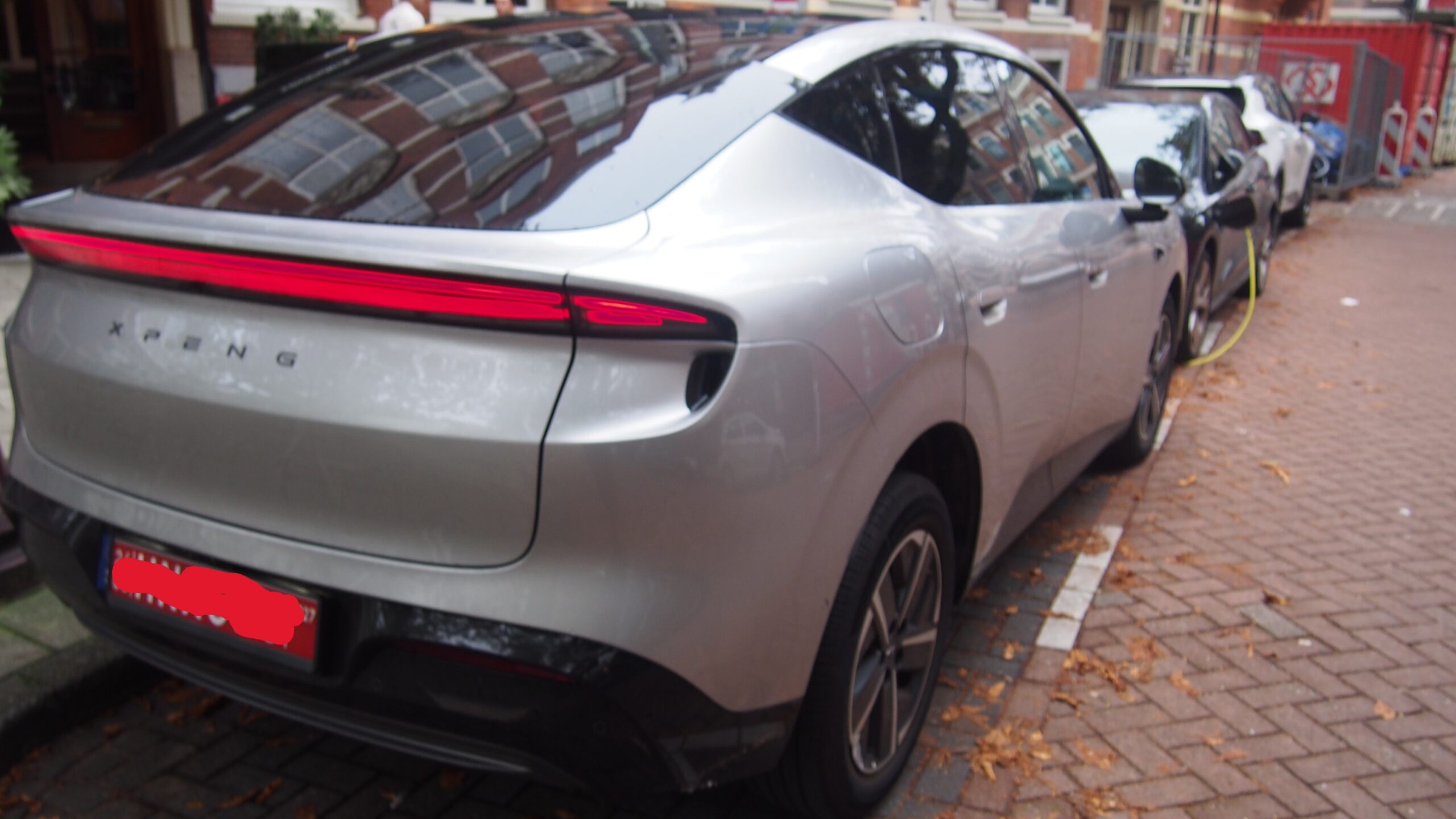
The implications for real-time navigation are significant. In dense urban environments where signal interference from high-rise buildings and narrow streets can create latency, the L03 demonstrated a more fluid response to navigation waypoints. Conversely, the Tesla Model 3 frequently required cloud-based recalculations, which resulted in perceptible lag. In instances where waypoints were missed due to traffic or construction, the Tesla system occasionally struggled to reorient, leading to repetitive routing loops that required manual intervention. The XPENG system, leveraging its onboard processing, navigated the same waypoints with a more consistent, linear trajectory.
Comparative Ride Dynamics and Interior Engineering
Beyond the software, the two vehicles offered starkly different sensory experiences. The L03, tuned specifically for European road conditions, prioritized a balance between road feedback and impact absorption. The suspension system effectively dampened the jolts of Amsterdam’s historic brick-paved streets, whereas the Tesla Model 3 suspension, while offering a more detached and sporty feel, occasionally struggled with harshness, with the suspension bottoming out on significant road irregularities.
Noise, vibration, and harshness (NVH) levels were notably lower in the XPENG. Despite the absence of laminated side windows, the L03 managed road noise more effectively than the Model 3. Furthermore, the operational sounds of the vehicle—wipers, air conditioning, and steering motors—were almost entirely suppressed in the XPENG, contributing to a more premium atmosphere.

Interior ergonomics further differentiated the two. The L03 features specialized massage seats capable of targeting multiple pressure points, a feature notably absent in the higher-priced Tesla model. Additionally, the L03 employs a multi-display layout, including a dedicated driver display and a head-up display (HUD), which reduces the driver’s need to divert focus to the center console. The Tesla’s reliance on a single, centralized touchscreen for nearly all vehicle controls, including gear selection, proved more cumbersome during complex traffic maneuvers where constant monitoring of the environment is essential.
Decision-Making Logic: Anticipation vs. Reaction
A key observation during the testing period involved how each system managed the unpredictability of heavy urban traffic, including delivery vehicles, construction zones, and dense bicycle traffic.
The XPENG VLA 2.0 system demonstrated a more "assertive" profile. It prioritized maintaining traffic flow, often closing gaps with leading vehicles in a manner that mirrored the driving style of a seasoned local motorist. This assertiveness did not manifest as a safety concern but rather as a more confident execution of traffic navigation.
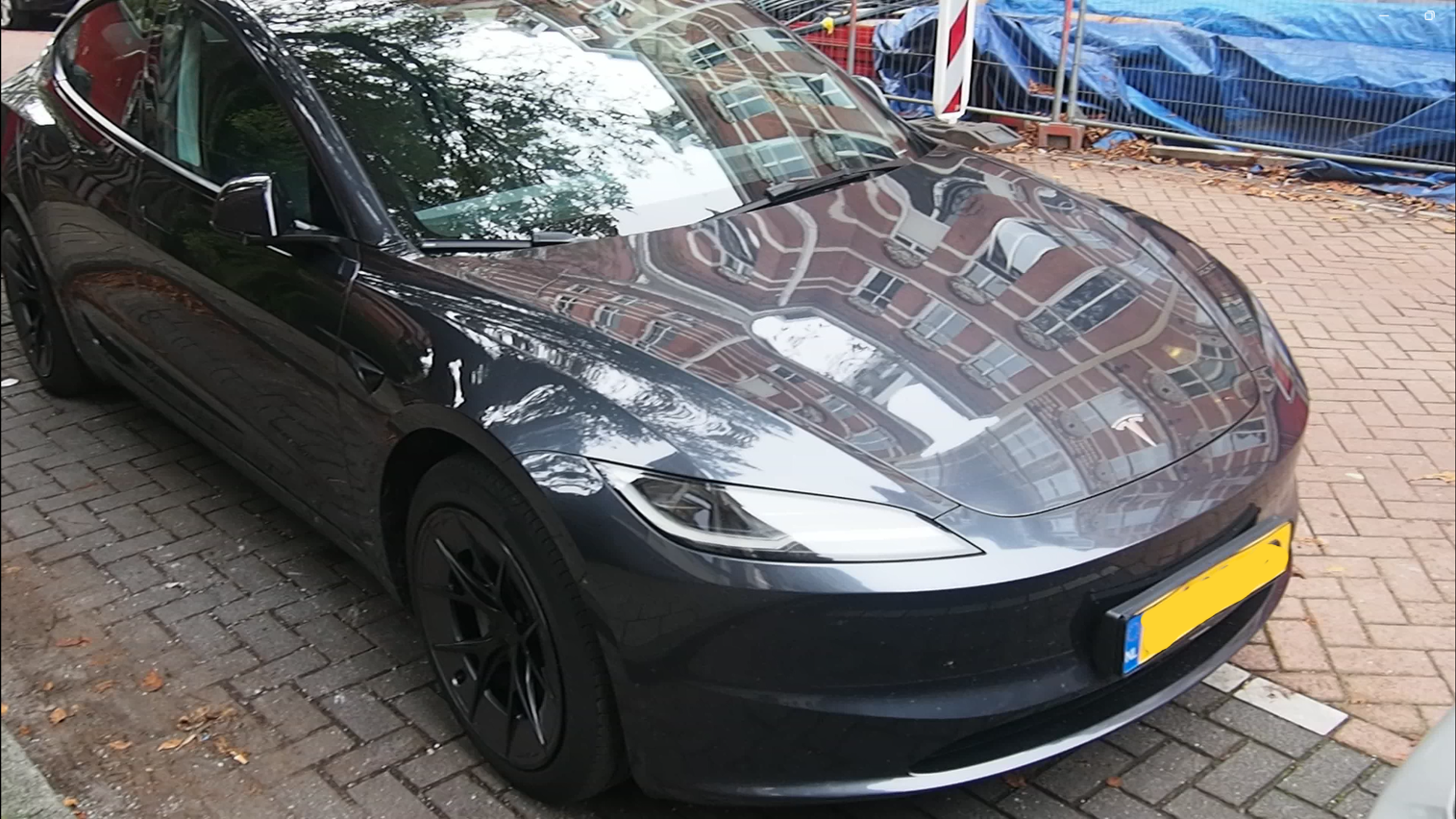
Tesla’s FSD, in contrast, displayed a more cautious and reactive profile. While safety remains the primary goal, the system’s tendency to be overly conservative occasionally led to gridlock. In multiple instances, the Tesla stopped or hesitated in ways that forced other motorists to honk or attempt dangerous overtakes. The system’s failure to correctly interpret road markings—such as turning arrows—in a timely fashion necessitated frequent driver interventions.
The "Co-Driving" capability of the XPENG platform also proved distinct. It allowed for driver input—such as accelerating to close a gap or steering slightly to provide more clearance for cyclists—without the immediate system disengagement that characterizes Tesla’s FSD. In the Tesla, driver input often results in an "on/off" binary, where the system disengages, requiring the driver to manually navigate the obstacle before re-engaging the FSD.
Regulatory Context and Data Privacy
The divergence in design philosophy extends to regulatory compliance and data handling. XPENG has aligned its VLA 2.0 development with the United Nations Economic Commission for Europe (UNECE) DCAS (Driver Control Assistance Systems) regulations. These standards are designed to harmonize autonomous vehicle requirements across global markets, ensuring that the technology is compliant with upcoming European mandates.
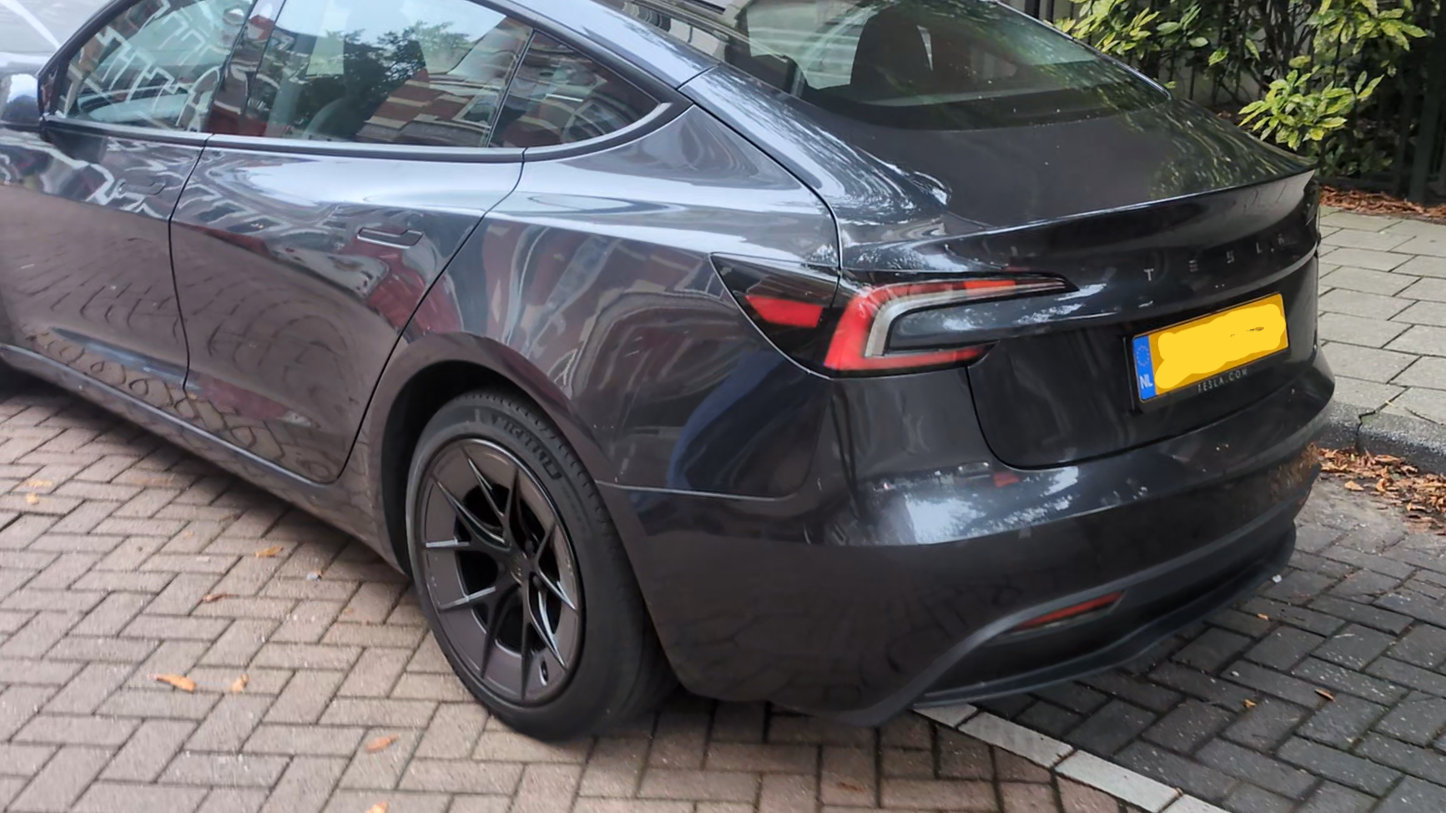
From a data privacy perspective, the XPENG model’s reliance on onboard processing offers a distinct advantage. Because the L03 requires less constant communication with centralized data centers for decision-making, the amount of data transmitted is minimized. In the European market, where data protection laws are among the strictest in the world, XPENG’s approach of anonymizing data before it leaves the vehicle serves as a strategic move to preempt regulatory friction.
Tesla, having pioneered the deployment of FSD in European markets, has historically operated with a more centralized, data-hungry model. As new regulations concerning hands-off driving and speed limitations take effect in the EU next year, Tesla will face the challenge of modifying its existing software to align with these mandates. Industry analysts suggest that while Tesla may leverage its significant political and market influence to negotiate exemptions, the technical shift toward local processing and regulatory-first development, as demonstrated by manufacturers like XPENG, represents a new trend in the global automotive sector.
Implications for Market Adoption
The comparison between the XPENG L03 and the Tesla Model 3 in Amsterdam underscores a broader trend: as autonomous driving technology matures, the "software-only" advantage is being eroded by superior hardware integration.

For the average consumer, the choice between these systems may come down to personal preference regarding vehicle interface and driving style. Those accustomed to the minimalist, screen-centric environment of Tesla may find the L03’s inclusion of physical stalks and multiple displays either refreshing or cluttered. However, in terms of sheer capability on complex, non-US road networks, the XPENG L03’s ability to adapt to local customs through non-rules-based machine learning suggests a faster path to meaningful autonomy.
As the industry moves toward 2027, the success of these systems will likely be determined by their ability to handle the "edge cases"—the chaotic, non-standard driving scenarios found in places like Southeast Asia or the dense, narrow corridors of European cities. The current trajectory suggests that while Tesla maintains a strong brand presence and a massive fleet of data-gathering vehicles, competitors like XPENG are successfully bridging the gap by prioritizing vehicle refinement and regional adaptability.
Ultimately, the Amsterdam test indicates that the next phase of the intelligent driving race will not be won simply by the most data or the most aggressive software, but by the system that best understands the nuance of the road it is traversing, and the comfort of the passenger it is carrying. As global regulations tighten, the ability to build a system that is both compliant and capable will define the leaders of the next generation of automotive technology.









Leave a Reply