The United States currently faces a significant environmental challenge regarding the disposal and recovery of automotive fluids and their associated packaging. Each year, American consumers and industrial entities dispose of approximately 1.3 billion gallons of used motor oil. While roughly 800 million gallons of this volume are collected for recycling, a staggering 500 million gallons remain unaccounted for, often ending up in landfills or being illegally dumped, where a single gallon of oil can contaminate up to one million gallons of fresh water. Furthermore, even the oil that is recovered is frequently "downcycled" or burned as a low-grade fuel rather than being re-refined into high-quality base oil for new lubricants.
Compounding this issue is the plastic packaging that houses these lubricants. Most curbside recycling programs across the country explicitly reject motor oil bottles because the residual oil acts as a severe contaminant, ruining entire batches of otherwise recyclable plastics. In response to this systemic failure, the state of Colorado has emerged as a regulatory testing ground for a specialized approach to Extended Producer Responsibility (EPR). By mandating that the companies producing these products take financial and physical responsibility for their end-of-life management, Colorado is attempting to bridge the gap between industrial production and environmental stewardship.
The Emergence of the Lubricants Packaging Management Association
In September 2024, a consortium of the world’s largest petroleum and lubricant entities—BP Lubricants, Chevron, ExxonMobil, Shell, and Valvoline—announced the formation of the Lubricants Packaging Management Association (LPMA). This organization serves as an independent Producer Responsibility Organization (PRO), specifically designed to manage the unique lifecycle of lubricant containers and used oil. The formation of the LPMA marks a pivotal shift in how the petrochemical industry engages with domestic recycling policy, moving from a reactive stance to a proactive, self-governing model within the framework of state law.
The catalyst for this movement was Colorado’s landmark House Bill 22-1355, also known as the Producer Responsibility Program for Statewide Recycling Act. The law required all companies selling products in plastic packaging to join a PRO to fund and manage a statewide recycling system. While the Circular Action Alliance (CAA) was appointed to manage the general categories of packaging and printed paper, the law provided a provision for specific industries to create their own programs if they could demonstrate that a specialized approach would yield superior environmental outcomes.
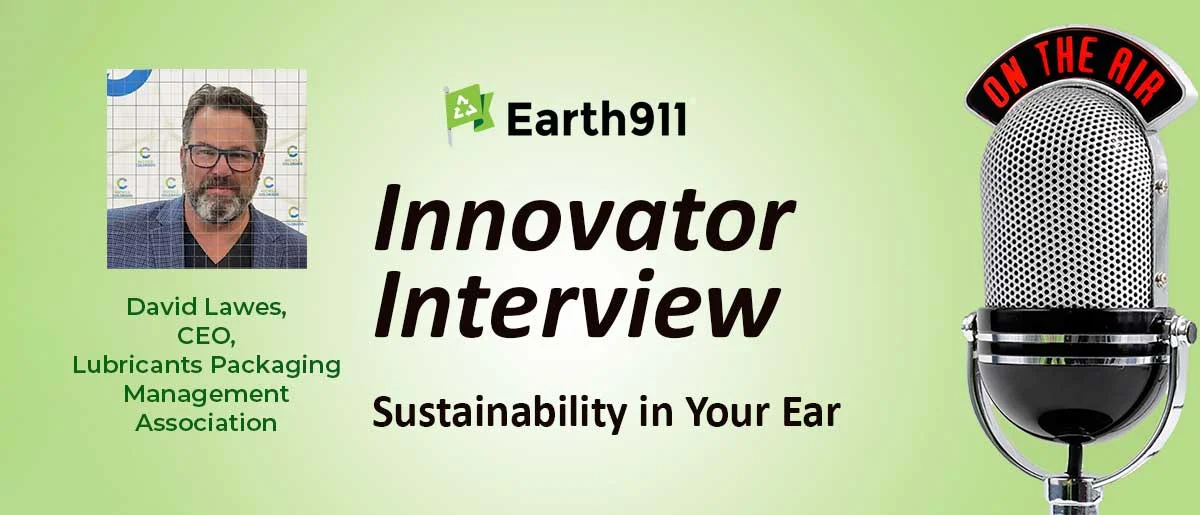
The LPMA argued that the hazardous nature of residual oil required a dedicated collection and processing infrastructure that general-purpose curbside programs could not provide. David Lawes, a veteran of EPR policy with over two decades of experience in the field, was appointed as the CEO of LPMA. Lawes previously spent a decade regulating and managing EPR programs in Canada, where he oversaw some of the most successful recovery rates in North America.
A Comparative Analysis: The Canadian Blueprint vs. American Challenges
The urgency of the LPMA’s mission is underscored by the stark disparity in recycling performance between the United States and Canada. In British Columbia, where Lawes helped implement a robust EPR system for lubricants, the recovery rate for oil containers has reached an impressive 96%. In contrast, the recovery rate for similar packaging in most U.S. states is estimated to be less than 1%.

The Canadian model succeeds by creating a dense network of "return-to-retail" and specialized collection depots. By making it as easy for a consumer to drop off a used oil jug as it is to buy a new one, the program captures the material before it enters the municipal waste stream. Furthermore, the Canadian system utilizes "eco-fees" included in the product price, which are then used to subsidize the logistics of transporting oil and plastic from remote areas to specialized re-refining facilities.
In the U.S., the lack of a federal standard has led to a fragmented landscape. Most American consumers are forced to take used oil to a limited number of auto parts stores, many of which do not accept the plastic containers the oil came in. This leaves the consumer with a messy, oil-slicked bottle that inevitably goes into the trash. The LPMA’s goal in Colorado is to replicate the Canadian success by establishing a dedicated infrastructure that treats these bottles not as waste, but as a feedstock for new plastic products.
The Technical Barriers of Lubricant Packaging
The primary obstacle to recycling motor oil bottles is the chemical nature of the product itself. Most motor oil containers are made from High-Density Polyethylene (HDPE), a highly recyclable and valuable plastic. However, the film of oil left on the interior of the bottle is problematic for standard Materials Recovery Facilities (MRFs). When these bottles are crushed in a standard recycling truck, the residual oil leaks out, coating paper, cardboard, and other plastics, rendering them unmarketable.
Furthermore, the mechanical recycling process involves grinding plastic into flakes and washing them. Standard wash cycles are often insufficient to remove the complex additives found in modern synthetic oils. The LPMA’s specialized program aims to implement "closed-loop" processing, where the bottles are collected separately from other recyclables. This allows for specialized industrial cleaning processes that can strip the oil from the plastic, allowing the HDPE to be pelletized and returned to the manufacturing chain, potentially even back into new oil bottles.
Chronology of Colorado’s EPR Implementation
The transition to a producer-led recycling model in Colorado followed a deliberate multi-year timeline:
- June 2022: Governor Jared Polis signs HB22-1355 into law, making Colorado the first state to adopt a full-scale packaging EPR program.
- 2023: The Colorado Department of Public Health and Environment (CDPHE) begins the rulemaking process, defining the roles of PROs and setting initial recovery targets.
- September 2024: The LPMA is officially founded by five major oil companies as a specialized PRO for the lubricant sector.
- Late 2024 – Early 2025: The LPMA begins a comprehensive needs assessment to identify gaps in Colorado’s current oil and packaging collection infrastructure.
- 2025 and Beyond: The program moves into the operational phase, with the rollout of new collection sites and the implementation of producer-funded logistics to move material to re-refining and plastic recycling centers.
This timeline reflects a shift in the "polluter pays" principle, moving the financial burden of waste management from local taxpayers to the companies that profit from the production of the material.
Official Perspectives and Industry Reactions
The formation of the LPMA has drawn reactions from various stakeholders, ranging from environmental advocates to industry analysts. David Lawes has emphasized that the organization is not seeking to circumvent environmental regulations but rather to optimize them. "This is not about skirting the law or finding an easier pathway," Lawes stated during the program’s launch. "It is about meeting the same results in an industry-friendly way that acknowledges the unique handling requirements of our products."

Environmental groups have expressed cautious optimism. While some activists remain wary of industry-led organizations managing their own waste, many recognize that the technical expertise of the "Big Five" oil companies is necessary to handle the hazardous aspects of petroleum waste. The consensus among policy experts is that if the LPMA can achieve even half of the recovery rates seen in British Columbia, it would represent a massive leap forward for U.S. environmental policy.
From a corporate perspective, the move is seen as a strategic hedge against a patchwork of conflicting state laws. By establishing a successful model in Colorado, the oil industry hopes to provide a blueprint that other states—such as California, Oregon, and Maine, which have passed their own EPR laws—might adopt. This harmonization would allow for greater economies of scale in the recycling supply chain.
Broader Implications and the Future of Circularity
The success of Colorado’s motor oil EPR program could have profound implications for the broader "circular economy" in the United States. If the LPMA proves that a sector-specific PRO can outperform a general-purpose municipal program, it may lead to the creation of similar organizations for other "hard-to-recycle" items, such as paints, batteries, and electronics.
Furthermore, the program highlights the need for a shift in how "recycling" is defined for oil. Currently, much of the recovered oil in the U.S. is used as "Recovered Fuel Oil" (RFO), which is burned in industrial furnaces. While this provides a secondary use, it is not truly circular. The LPMA and its member companies are increasingly looking toward re-refining—a process that removes impurities and additives from used oil to return it to its original base oil state. Re-refining used oil requires up to 85% less energy than refining oil from crude, representing a significant reduction in carbon emissions.
As Colorado’s program matures, the data collected will provide a vital roadmap for national standards. With 1.3 billion gallons of oil at stake annually, the move toward specialized EPR represents one of the most significant shifts in American waste management policy in decades. The eyes of the nation are now on Colorado to see if this industry-led initiative can truly turn a hazardous waste stream into a sustainable resource.