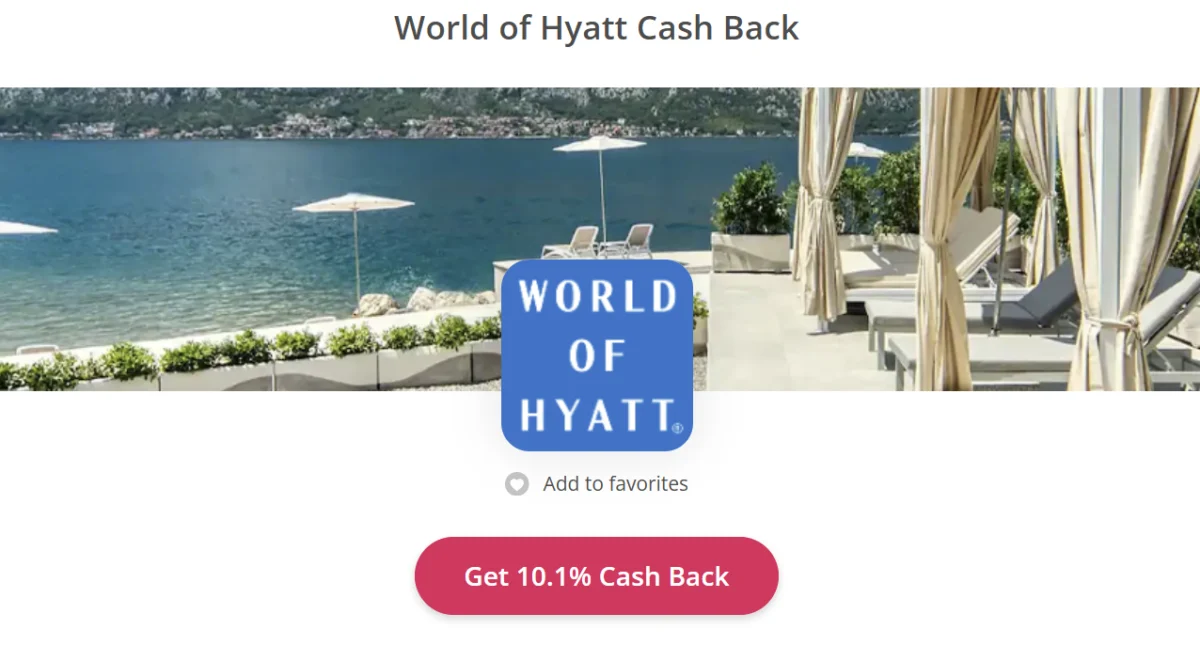
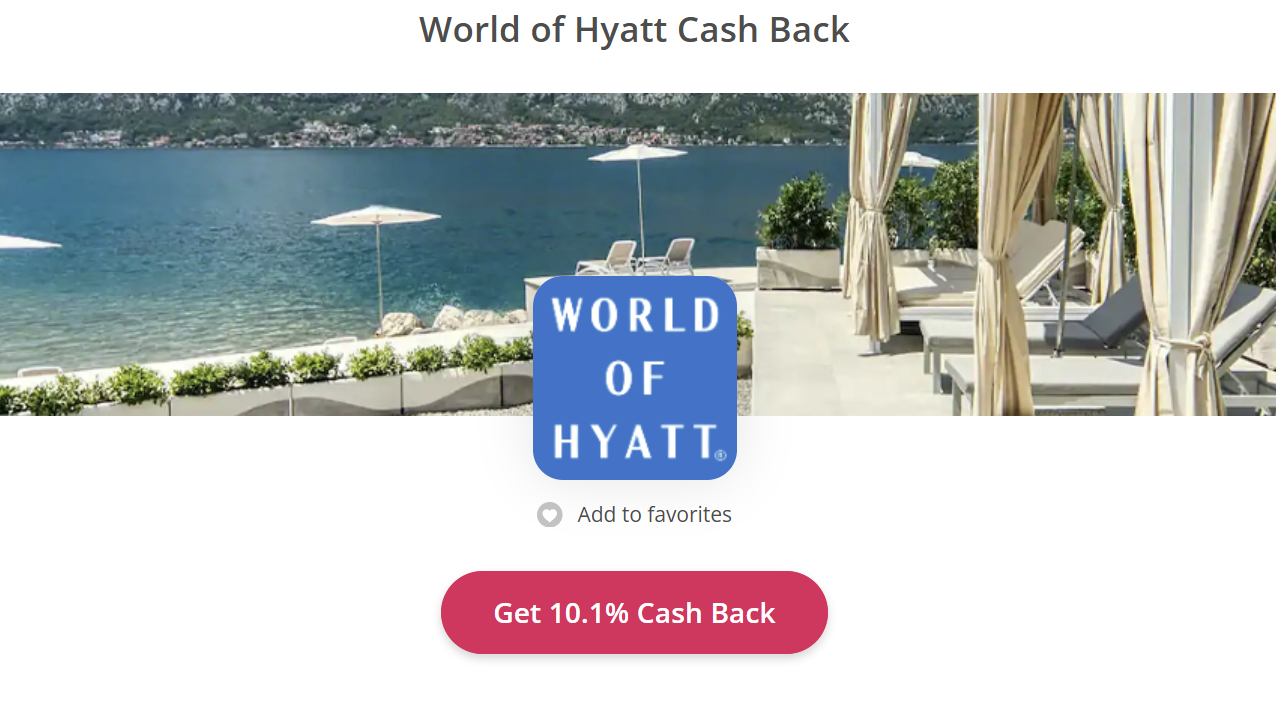
Hyatt Hotels Corporation has officially re-entered the digital shopping portal ecosystem, signaling a potential shift in its distribution and customer acquisition strategy. In a move that has caught the attention of the travel rewards community and industry analysts alike, Hyatt has reappeared on major platforms such as TopCashback and Capital One Shopping. The most notable development is a limited-time offer on TopCashback providing a 10.1% rebate on stays booked at Hyatt properties within the Americas. This development marks a significant departure from Hyatt’s historical stance, as the brand has traditionally been less accessible through third-party reward aggregators compared to its primary competitors, Marriott International, Hilton Worldwide, and IHG Hotels & Resorts.
The current promotional landscape for Hyatt is multi-faceted. While the headline-grabbing 10.1% rate on TopCashback is a weekend-only flash promotion, the brand has also established a more consistent presence on the Capital One Shopping platform with a baseline offer of 2% cashback. Furthermore, some users of the Capital One Shopping app and browser extension have reported receiving targeted "boosted" offers that significantly exceed the baseline, mirroring the aggressive marketing tactics often seen by larger hotel conglomerates. This multi-portal re-emergence suggests that Hyatt is testing the waters for a broader digital marketing push aimed at capturing high-value travelers who utilize rebate tools to offset rising travel costs.
Historical Context and the Competitive Landscape
To understand the significance of Hyatt’s return to shopping portals, one must examine the broader history of hotel loyalty programs and affiliate marketing. For the better part of a decade, shopping portals have served as a vital "stacking" tool for savvy travelers. By clicking through a portal like Rakuten, TopCashback, or a dedicated airline mall before booking directly on a hotel’s website, consumers can earn a percentage of their room rate back in cash or transferable points. This rebate is earned in addition to the standard loyalty points and elite status credits provided by the hotel’s own program.
Historically, Marriott, Hilton, and IHG have been mainstays on these platforms. It is not uncommon to see Marriott or IHG offering between 5% and 10% cashback during standard periods, with promotional spikes reaching as high as 15% to 20% during holiday sales or special events. In contrast, Hyatt has been the notable holdout. Outside of very specific geographic niches—such as Hyatt India—or promotions involving the sale of World of Hyatt points, the brand has largely avoided the affiliate portal space.
Industry analysts suggest that Hyatt’s previous reluctance to participate in these portals stemmed from its relatively smaller footprint and its highly loyal customer base. With fewer properties than Marriott or Hilton, Hyatt has historically focused on direct-to-consumer relationships and the perceived "premium" nature of its brand, which often reduces the need for aggressive discount-style marketing. However, as the hospitality industry faces evolving economic pressures and increased competition for the "bleisure" (business and leisure) traveler, Hyatt appears to be diversifying its customer acquisition channels.
Detailed Breakdown of Current Offers and Geographic Restrictions
The current 10.1% offer on TopCashback is specifically structured to target the Western Hemisphere. According to the terms and conditions of the promotion, the cashback is valid for bookings made at Hyatt properties located in the Americas. This includes the United States, Canada, Mexico, and various markets throughout Central and South America.
Conversely, the promotion explicitly excludes properties located in the Europe, Africa, and Middle East (EMEA) region, as well as the Asia-Pacific (ASPAC) region. This geographic bifurcation is common in the hospitality industry, where regional marketing budgets and franchise agreements often dictate different promotional strategies. For travelers planning domestic trips or vacations within the Caribbean and Latin America, the 10.1% rebate represents one of the highest cashback values seen for a major hotel brand in recent months.
On the Capital One Shopping front, the rewards structure is more dynamic. While the public-facing offer is currently 2%, the platform is known for its sophisticated targeting algorithms. Users who have recently searched for Hyatt properties or have a history of booking luxury accommodations may find targeted "Lifeboat" or "Email" offers that can reach upwards of 10% to 15%. This individualized approach allows Hyatt to offer deeper discounts to specific consumer segments without devaluing the brand through a universal public sale.
The Strategic Importance of "Stacking" Rewards
For the consumer, the return of Hyatt to these portals enables the "triple dip" or "quadruple dip" strategy that is a cornerstone of modern travel hacking. A typical high-value booking under these conditions would look as follows:
- Direct Loyalty Points: By booking through the portal link (which redirects to Hyatt.com), the traveler still earns World of Hyatt base points (typically 5 points per dollar) plus any elite status bonuses (up to 30% for Globalist members).
- Elite Night Credits: Because the booking is made directly with the hotel (via the affiliate link), the stay counts toward earning or maintaining elite status.
- Credit Card Rewards: The traveler earns points by paying with a travel-focused credit card, such as the World of Hyatt Credit Card or a general travel card like the Chase Sapphire Reserve.
- Portal Cashback: The traveler receives 10.1% of the base room rate back as a cash deposit into their TopCashback account.
When these factors are combined, the effective discount on a hotel stay can exceed 25% to 30% of the total cost. In an era of high Average Daily Rates (ADR) across the hospitality sector, these savings are substantial for both corporate travelers and families.
Operational Implications and Technical Considerations
The re-integration of Hyatt into the affiliate marketing pipeline requires significant technical coordination. Shopping portals track transactions through "cookies" and "pixels" that notify the portal when a user has completed a purchase. Historically, hotel brands have struggled with "clawbacks," where cashback is rescinded if a reservation is modified or if a "Member Rate" is used that is deemed ineligible by the portal’s terms.
However, the current Hyatt terms appear relatively inclusive for the Americas properties. The primary requirement is that the user must click through the portal immediately before booking and must not use any unauthorized promotional codes. Standard "Member Rates," which are available to any World of Hyatt member, are generally eligible for cashback, making this a highly accessible offer for the general public.
Industry Reaction and Market Impact
While Hyatt has not issued an official press release regarding its expanded portal presence, the move is being interpreted by market observers as a response to shifting occupancy trends. After the post-pandemic "revenge travel" surge, some segments of the luxury and mid-scale hotel markets have seen a normalization of demand. By re-engaging with shopping portals, Hyatt can drive incremental bookings during shoulder seasons and weekends without resorting to permanent price cuts on its own website.
Competitors are likely to monitor the success of this Hyatt promotion closely. If Hyatt manages to capture significant market share in the Americas through these portal incentives, it may trigger a "cashback war" among the big four hotel chains. Marriott and Hilton have already shown a willingness to increase their portal rates during peak shopping holidays like Black Friday and Cyber Monday. Hyatt’s aggressive 10.1% entry into the space suggests that the brand is willing to compete on value as much as it does on loyalty and service.
Chronology of Hyatt’s Digital Marketing Evolution
The path to this weekend’s 10.1% offer has been one of gradual experimentation:
- Pre-2022: Hyatt remains largely absent from major US-based cashback portals, focusing on direct email marketing and World of Hyatt program enhancements.
- Late 2023: Small-scale experiments begin on international portals, particularly in the Indian and Southeast Asian markets, testing the impact of affiliate rebates on regional occupancy.
- Early 2024: Hyatt begins appearing sporadically on Capital One Shopping with low-single-digit offers, primarily aimed at testing the technical integration between the portal and Hyatt’s booking engine.
- Mid-2024: Targeted "boosted" offers begin to appear for select users, signaling a more sophisticated use of data-driven marketing.
- July 2024: Hyatt launches a high-profile, 10.1% weekend flash sale on TopCashback for the Americas, marking its most aggressive affiliate marketing push to date.
Conclusion and Future Outlook
The return of Hyatt to the shopping portal landscape is a win for consumers and a strategic pivot for the brand. By offering a 10.1% rebate for stays in the Americas, Hyatt is positioning itself as a high-value alternative to its larger competitors who have long dominated the affiliate space.
Whether this remains a temporary weekend phenomenon or evolves into a permanent fixture of Hyatt’s marketing strategy remains to be seen. However, the precedent has now been set. Travelers who have previously overlooked Hyatt due to the lack of "stackable" rewards now have a compelling financial reason to reconsider the brand. As the hospitality industry continues to navigate a complex economic environment, the integration of high-percentage cashback offers into the loyalty ecosystem represents a significant trend in how hotels attract and retain the modern, value-conscious traveler. For this weekend, at least, the "Hyatt Gap" in the shopping portal world has been closed with a record-breaking incentive.