The interconnectedness of food safety and nutrition, long a cornerstone of public health policy, is being starkly illuminated by a surge in cyclosporiasis outbreaks, prompting a critical re-evaluation of consumer confidence in essential dietary components. This crisis underscores the profound challenges faced by regulatory bodies and the public alike in balancing the promotion of healthy eating with the imperative of ensuring food is safe from microbial contamination.
A Surge in Cyclosporiasis and Its Ramifications
Recent weeks have witnessed an alarming escalation in reported cases of cyclosporiasis, a diarrheal illness caused by the parasite Cyclospora cayetanensis. This widespread emergence of the illness has brought the delicate equilibrium between food safety and nutrition into sharp focus, extending its impact directly to consumers and their dietary choices. The U.S. Food and Drug Administration (FDA) is actively investigating multiple Cyclospora outbreaks, a testament to the pervasive nature of this public health concern. As of recent reports, the agency was monitoring six distinct outbreaks, with one notably linked to shredded iceberg lettuce, highlighting the potential for widespread contamination across various food supply chains.
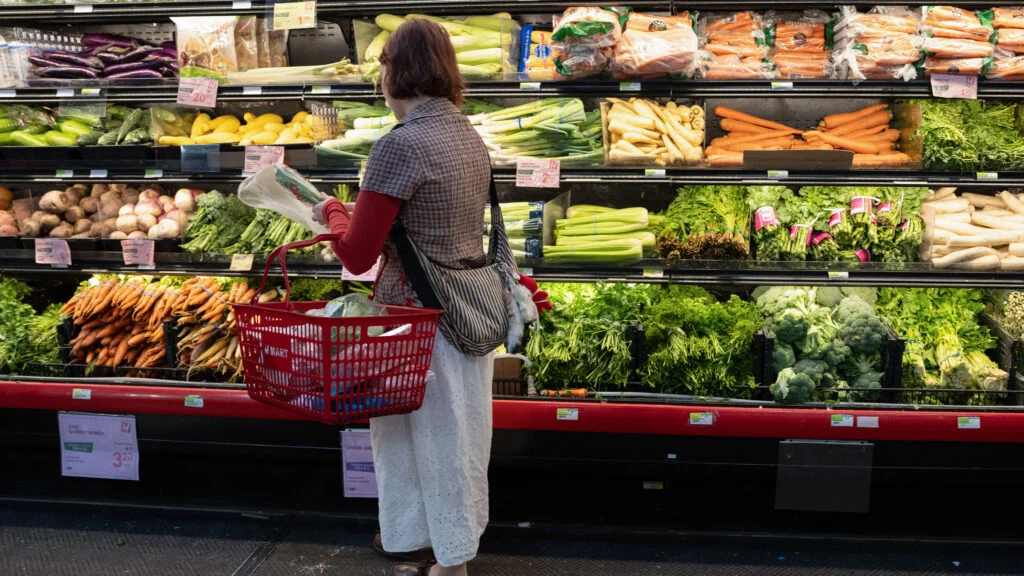
The vulnerability of fresh produce, a category consistently championed by nutritionists for its health benefits, to Cyclospora contamination has become a central issue. In the wake of these outbreaks, public health advisories have urged caution regarding the consumption of fresh fruits and vegetables. This has, predictably, triggered a visceral reaction on social media platforms, with sentiments such as "more pizza!" and "Oreos never gave me explosive diarrhea!" reflecting a growing distrust in produce. This sentiment is not entirely new; similar reactions have been observed during previous outbreaks involving pathogens like E. coli and romaine lettuce, where consumers expressed a preference for processed snacks over salads, indicating a pre-existing fragility in public confidence regarding the safety of fresh produce.
Identifying High-Risk Foods: The Food Traceability List
The FDA, in its ongoing efforts to safeguard the nation’s food supply, has long undertaken systematic evaluations to identify foods posing the highest risk for microbial contamination. This critical work, undertaken as part of the implementation of the congressionally mandated Food Safety Modernization Act (FSMA), has resulted in the compilation of a "Food Traceability List." This list designates specific commodities that are subject to enhanced traceability requirements, a measure designed to expedite and improve the effectiveness of foodborne outbreak investigations.
The foods appearing on this list are not arbitrary. They include items frequently recommended as integral components of a healthy dietary pattern, often referred to as "real foods." Among these high-risk categories are:
- Cucumbers: Known for their nutritional value and widespread use in salads and other dishes.
- Herbs: Fresh herbs, often consumed raw, present a risk if contaminated.
- Leafy Greens: A cornerstone of healthy diets, including lettuce, spinach, and kale, these are particularly susceptible to contamination.
- Melons: Including varieties like cantaloupe and honeydew, which can be difficult to wash thoroughly.
- Peppers: A versatile vegetable used in numerous cuisines.
- Sprouts: Consumed raw, sprouts are a high-risk food due to their growth conditions.
- Tomatoes: A staple in many diets, tomatoes can be a vector for pathogens.
- Other Vegetables: A broad category encompassing a wide array of produce.
- Fresh-Cut Fruits: Pre-prepared fruits, while convenient, can increase the risk of contamination if not handled properly.
The list also includes other commodities, such as certain types of cheeses. It is important to note that while meat and poultry are recognized as high-risk for pathogens like E. coli and Salmonella, they fall under the regulatory purview of the U.S. Department of Agriculture (USDA) and are therefore not included on the FDA’s list.
The Paradox of "Real Foods"
The common thread linking the foods on the Food Traceability List is their undeniable nutritional significance. These are precisely the "real foods" that the current administration has been actively promoting as part of a national strategy to enhance nutrition and mitigate chronic disease risks. The irony is palpable: the very foods being encouraged for their health-promoting properties are also the ones most vulnerable to microbial contamination, creating a precarious situation for public health initiatives.
The current administration, while championing these nutritious foods, appears to be learning a harsh lesson about the criticality of microbial food safety. The ongoing outbreak response is poised to have significant repercussions on consumer perception and, consequently, their consumption of highly nutritious but vulnerable foods. This crisis emerges at a time when, over the preceding 18 months, the administration’s focus had largely been on chemical contaminants in food, with numerous policy actions inadvertently undermining microbial food safety.
Undermining Microbial Food Safety: A Pattern of Neglect?
While specific actions and their precise impact on food safety can be complex and cumulative, observations from former FDA officials suggest a concerning trend. For instance, a notable shift in regulatory priorities might have occurred, with a diminished emphasis on traditional microbial food safety protocols in favor of addressing other perceived risks. The intricate web of regulations and enforcement mechanisms that form the bedrock of a robust food safety system is susceptible to erosion when resources are reallocated or when the strategic importance of certain risk categories is de-emphasized. The cumulative effect of seemingly disparate policy changes can, over time, lead to a weakened food safety infrastructure, leaving the population more vulnerable to outbreaks.
Climate Change: An Accelerant for Food Safety Risks
Adding another layer of complexity to an already challenging landscape is the administration’s stance on climate change. The characterization of climate change as a "hoax" and the support for policies that may accelerate it carry significant implications for food safety. Scientific consensus indicates that a warming environment and an increase in extreme weather events, such as heavy rainfall and flooding, will inevitably exacerbate food safety risks. These climatic shifts can create more favorable conditions for the proliferation of pathogens and contaminate food sources.
Furthermore, the destruction of food crops due to adverse weather events leads to substantial food waste. This food waste, in turn, is a recognized contributor to global warming, creating a self-perpetuating cycle of environmental degradation and heightened food safety concerns. The anticipated destruction of vast quantities of produce, such as lettuce from Mexico, exemplifies this interconnectedness. The energy expended in the initial production, processing, and international distribution of these goods becomes wasted, compounded by the energy required for the disposal of contaminated products, all contributing to a larger environmental footprint.
The Path Forward: Rebuilding Consumer Confidence
The current cyclosporiasis outbreak should serve as a profound wake-up call for all stakeholders, particularly federal leaders entrusted with the paramount responsibility of protecting and promoting public health. Consumers should not be compelled to make a detrimental trade-off between nutrition and safety. True public health is achieved when a secure and reliable food safety system instills confidence in consumers, encouraging them to embrace the nutritional benefits of fresh fruits and vegetables. The recent events underscore a critical reality: "real foods," those essential for a healthy diet, are indeed vulnerable to "real pathogens."
Rebuilding this confidence requires a multifaceted approach. Firstly, a renewed and unwavering commitment to microbial food safety must be evident from regulatory agencies. This includes robust surveillance, rapid investigation of outbreaks, and transparent communication with the public. Secondly, the scientific understanding of how climate change impacts food safety must be integrated into policy decisions. Investing in climate-resilient agricultural practices and supply chain infrastructure is crucial.
Furthermore, public education campaigns need to be carefully crafted to address the complexities of food safety without fostering undue fear or promoting unhealthy dietary shifts. Emphasizing proper food handling, storage, and preparation techniques for fresh produce can empower consumers to mitigate risks at home.
The FDA’s Food Traceability List, while a crucial tool for investigations, also serves as a public indicator of potential vulnerabilities. Continued investment in strengthening these traceability systems and expanding them where necessary will be vital. The experience gained from investigating the current cyclosporiasis outbreaks will undoubtedly inform future strategies for preventing and responding to similar public health crises.
Ultimately, the goal must be to foster an environment where consumers can confidently incorporate nutrient-rich foods into their diets, assured that their safety is a top priority. This requires a sustained and collaborative effort from government agencies, the food industry, public health professionals, and consumers themselves to navigate the complex interplay between nutrition, safety, and environmental sustainability. The lessons learned from this cyclosporiasis surge must translate into concrete actions that safeguard both public health and the integrity of our food supply for generations to come.