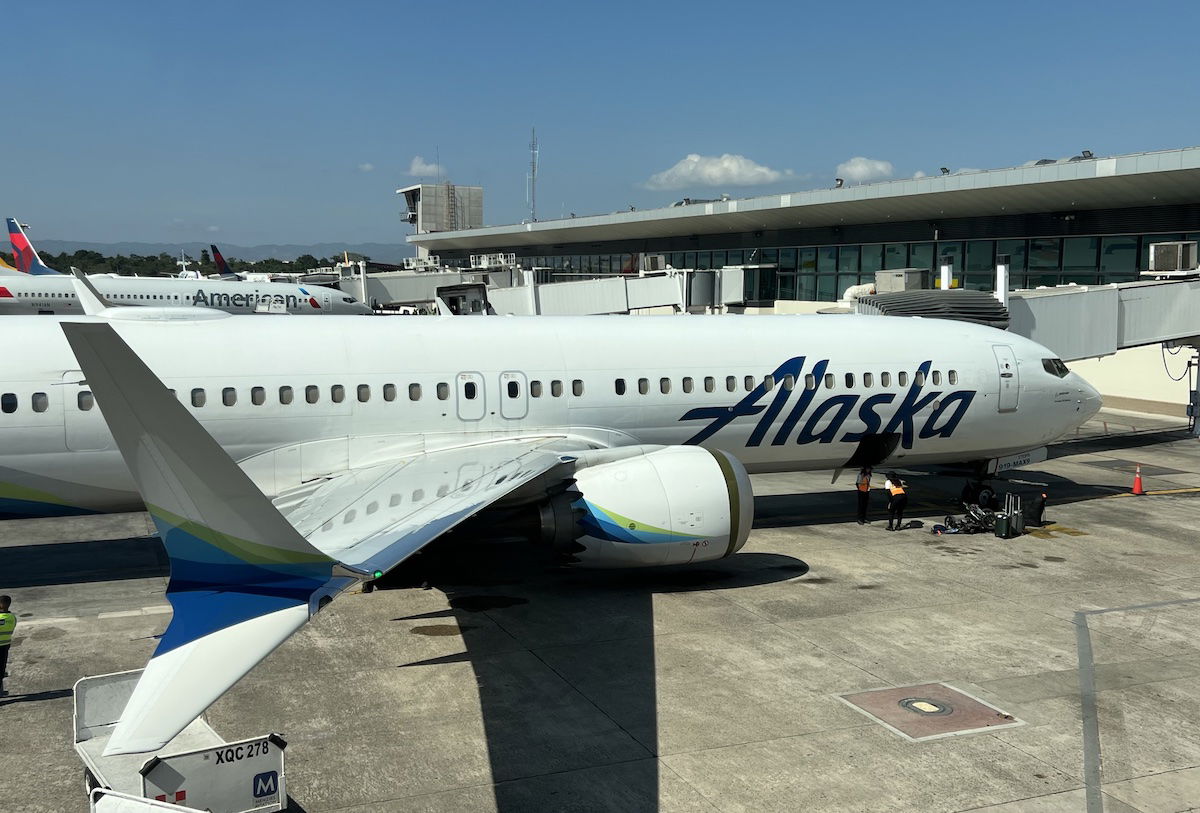
The aviation industry is currently scrutinizing a detailed resolution provided by Alaska Airlines and its regional subsidiary, Horizon Air, following a contentious series of events that saw a family denied boarding on one flight and subsequently removed from another. The incident, which originated at Missoula Montana Airport (MSO) and was intended to conclude in Vancouver, British Columbia (YVR), has raised significant questions regarding airline IT infrastructure, the interpretation of passenger rights under both United States and Canadian law, and the extent of a flight crew’s discretionary power to remove passengers from an aircraft. After a multi-week internal investigation prompted by formal complaints to the U.S. Department of Transportation (DOT) and the Canadian Transportation Agency (CTA), Alaska Airlines has issued a formal response, offering a combination of refunds, mileage redeposits, and goodwill payments totaling several thousand dollars, while simultaneously defending the actions of its flight crew.
Chronology of the Travel Disruption
The incident began during the check-in process for an international itinerary from Missoula to Vancouver. The family, traveling on First Class award tickets, encountered a significant technical failure within Alaska Airlines’ document verification system. Despite presenting valid travel documentation, the airline’s IT infrastructure failed to process the verification, leading to a prolonged delay at the gate. As the departure time for the original flight passed, the family was informed they could not board because the system had not cleared them in time.
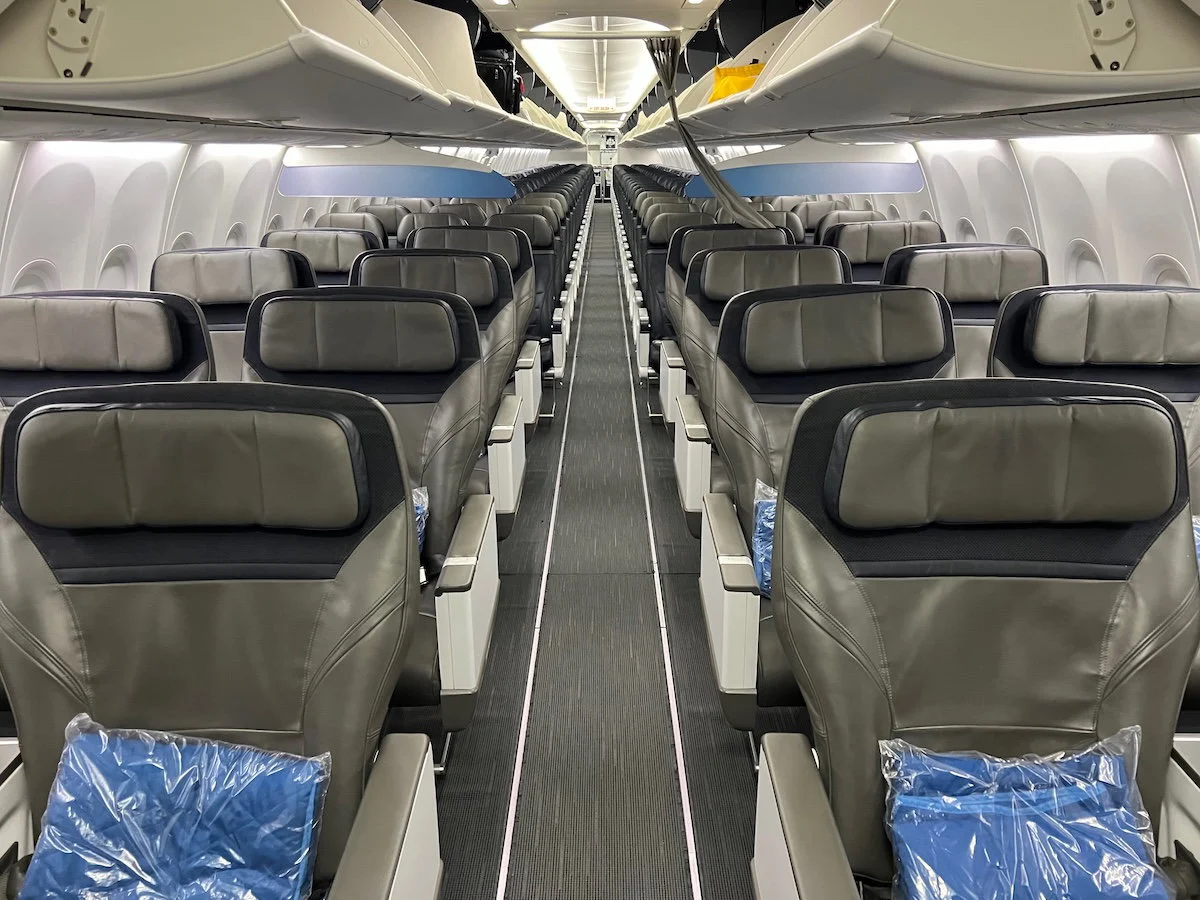
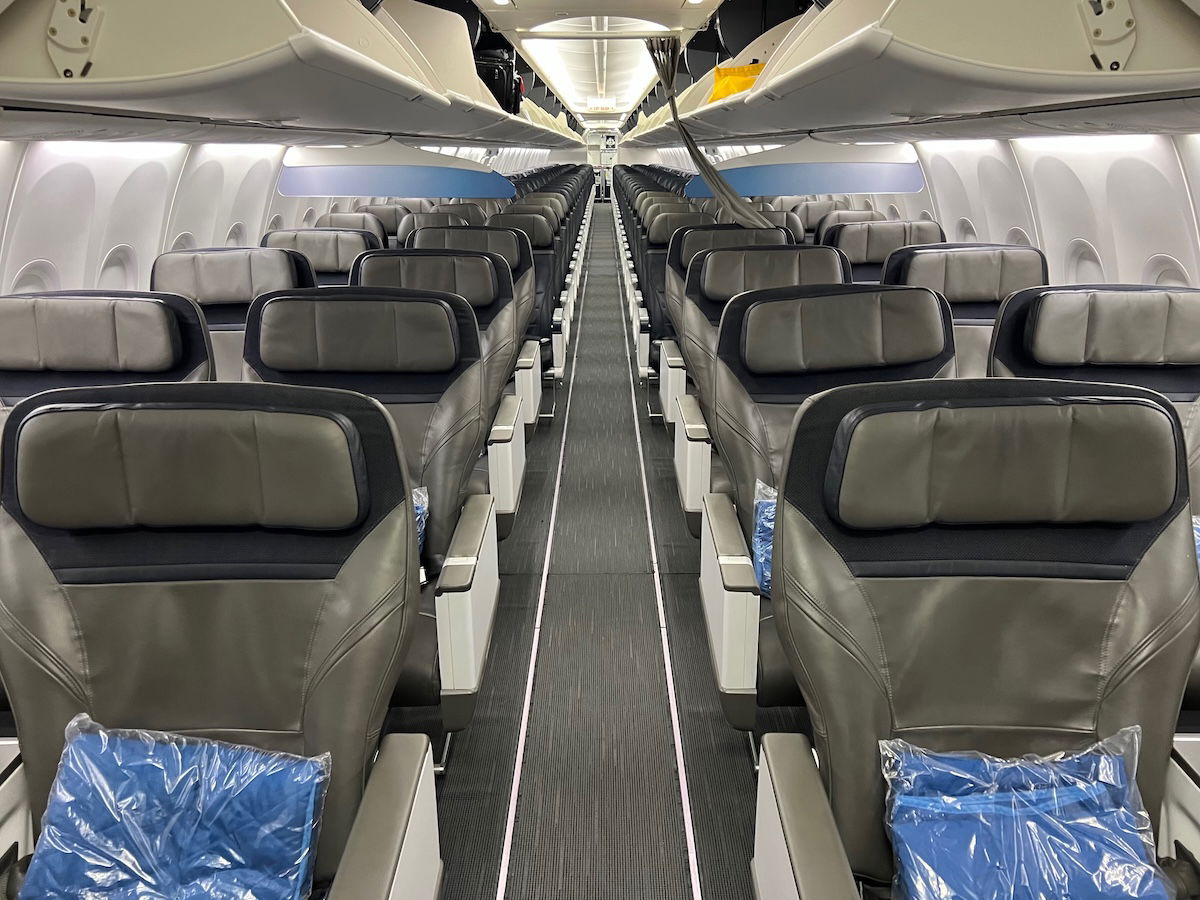
Following this initial failure, the family was rebooked on a subsequent flight. However, due to the last-minute nature of the rebooking and the availability of seats, they were downgraded from First Class to the main cabin. This second flight introduced a new layer of conflict. Upon boarding, the family was issued boarding passes that allegedly contained outdated seat assignments. This led to a seating dispute involving a commuting crew member who was also on board.
The situation escalated when the family requested the name of a crew member to file a formal complaint regarding the service they had received throughout the day. Shortly thereafter, the captain of the aircraft exercised his authority to remove the family from the flight, citing concerns over "compliance with crew instructions" and a "clash of personalities." Left with no further options on Alaska Airlines, the family was forced to purchase last-minute tickets on Delta Air Lines to complete their journey to Vancouver.
Analysis of Regulatory Frameworks: 14 CFR Part 250 and APPR
A central component of the dispute involves the legal definition of "involuntary denied boarding." The passenger, referred to in correspondence as Christophe, argued that the initial failure to board the flight due to an IT glitch constituted a violation of passenger protection regulations.
In the United States, 14 CFR Part 250 governs "oversales." Under these rules, an airline must provide compensation if a passenger is bumped from a flight specifically because the airline sold more tickets than there were available seats. In its formal response, Alaska Airlines’ customer advocacy specialist argued that the family’s situation did not meet this criteria. The airline maintained that because the denial of boarding was the result of "operational difficulties associated with processing travel documentation" and not an oversale event, the federal requirements for denied boarding compensation did not apply.
The dispute also touched upon the Canadian Air Passenger Protection Regulations (APPR). The APPR is generally considered more passenger-friendly than U.S. law, requiring compensation for delays and boarding denials that are "within the carrier’s control." Alaska Airlines contended that the document-processing issues and the subsequent safety-related removal by the captain fell outside the scope of compensable events under the APPR. The airline argued that safety-related decisions made by a captain are non-compensable under these regulations. However, the passenger countered that IT failures within an airline’s own infrastructure are, by definition, within the carrier’s control.
The Internal Investigation and Crew Authority
Following the filing of formal regulatory complaints, Alaska Airlines conducted what it described as a "thorough investigation" involving leadership from Customer Care, Airport Operations, and Inflight services. The investigation sought to determine if the removal from the second flight was retaliatory—a response to the passenger asking for an employee’s name—or a legitimate safety intervention.
The airline’s findings supported the crew’s version of events. According to the report, the commuting flight attendant and the working crew felt the interaction had "escalated" to a point where they questioned the family’s willingness to comply with future safety instructions. Under the airline’s Contract of Carriage, a captain has the broad authority to refuse transportation to any passenger whose conduct might, in the crew’s judgment, interfere with the duties of the employees or affect the safety and comfort of others.
The airline stated, "The decision was not based on a determination that a particular instruction had been expressly disobeyed. Rather, it was made in accordance with established safety procedures based on the working crew’s observations of the interaction as it unfolded." This highlight’s a recurring point of friction in the aviation industry: the "Captain’s Authority" is often a "black box" that can be used to justify removals even when no specific rule has been broken, provided the crew claims a perceived threat to "order" or "safety."
Financial Resolution and Remedial Actions
While Alaska Airlines legally defended its right to remove the passengers and denied that regulatory compensation was mandatory, the airline acknowledged a "massive service failure." In an effort to restore the customer’s confidence and settle the matter outside of further regulatory litigation, the airline provided a substantial financial package:
- Mileage Restoration: The airline redeposited the full amount of loyalty points used for the original First Class award tickets.
- Tax Refunds: All taxes and fees associated with the unused Alaska tickets were refunded to the original form of payment.
- Fare Difference Reimbursement: The airline provided $630 to cover the difference between the original ticket value and the $2,538 the family spent on emergency Delta Air Lines tickets.
- Goodwill "APPR-Equivalent" Payment: Despite denying legal liability under Canadian law, Alaska provided $400 per passenger ($1,600 total), matching the amount that would have been owed for a controllable delay under the APPR.
- Future Travel Credits: Four discount codes were issued for future use on Alaska Airlines or Horizon Air.
The total cash reimbursement provided to the family amounted to $2,230, in addition to the returned miles and future discounts.
Broader Implications for the Aviation Industry
This case serves as a significant case study in the power of regulatory complaints and the complexities of modern air travel. It highlights three critical areas of concern for the traveling public and industry analysts:
1. The Vulnerability of Digital Documentation
As airlines move toward fully digital "ready-to-fly" systems, the failure of internal IT servers can effectively ground passengers who possess valid legal documents. This incident demonstrates that "operational difficulties" can become a loophole for airlines to avoid the strict financial penalties associated with overbooking, leaving passengers in a state of limbo where they are technically "denied boarding" but not "bumped" in the eyes of the law.
2. The Subjectivity of Passenger Removal
The "clash of personalities" described in the initial reports of this event underscores the subjective nature of crew-passenger interactions. While the FAA and DOT grant crews wide latitude to ensure safety, critics argue that this authority can be misused in "power trip" scenarios where a passenger’s request for accountability (such as asking for a name) is interpreted as "non-compliance." Alaska’s refusal to cite a specific broken rule, while still backing the captain’s decision, suggests that the "perception of potential escalation" is now a sufficient legal threshold for removal.
3. The Effectiveness of Multi-Channel Complaints
The resolution of this case was notably accelerated by the passenger’s decision to file complaints with both the U.S. DOT and the Canadian CTA. While the airline’s initial response was slow—leading to a personal apology from the CEO of Horizon Air for the communication breakdown—the involvement of federal regulators forced a level of detail in the investigation that standard customer service channels rarely provide.
Conclusion
The saga concluded with an unusual act of philanthropy. Upon receiving the $2,230 settlement from Alaska Airlines, the passenger informed the airline that he had donated the entire amount to the "Save the Children" foundation. This gesture was intended to close the chapter on a stressful experience while acknowledging that many families face far more dire challenges than travel disruptions.
For Alaska Airlines, the incident represents a costly lesson in service recovery. While the airline successfully defended its crew’s legal authority, the internal investigation revealed systemic failures in IT processing and internal communication. As the industry continues to navigate the balance between safety-based authority and passenger rights, this case will likely be cited as a precedent for how airlines handle complex, multi-jurisdictional service failures in the digital age.