The Himalayas are undergoing a profound and accelerating ecological transformation, driven by a volatile mix of climate change, melting glaciers, and intensifying human encroachment. While catastrophic flash floods, such as the recent disaster along the Nepal-China border that left countless families displaced and grieving, command immediate international headlines, a quieter crisis is unfolding hundreds of kilometers away. In the remote reaches of Nepal’s Limi Valley in Upper Humla, a pristine transboundary ecosystem that serves as a vital refuge for some of the world’s most endangered high-altitude wildlife is rapidly unraveling.
For years, researchers from the Himalayan Wolves Project and international conservation bodies have studied this high-altitude landscape, tracking its rich biodiversity and documenting a delicate balance between human habitation and untamed nature. However, recent scientific expeditions to the region reveal a landscape fundamentally altered. Traditional, low-intensity yak herding is giving way to large-scale commercial livestock operations, unsupervised dogs are harassing native fauna, and newly constructed infrastructure is opening remote wildernesses to illicit activities. Conservationists warn that without immediate formal legal protection and active community stewardship, this unique Himalayan sanctuary faces irreversible collapse.

A Transboundary Stronghold for Rare Biodiversity
Situated at the northern edge of Nepal’s Humla district, the Limi Valley functions as an irreplaceable transboundary ecological corridor connecting the Nepalese landscape to the high plateau of Tibet. Historically shielded by its extreme isolation and the deep cultural stewardship of its indigenous residents, the region has long supported a remarkable wealth of biodiversity. Over the past decade, field researchers have documented an array of charismatic and globally threatened species inhabiting these rugged highlands.
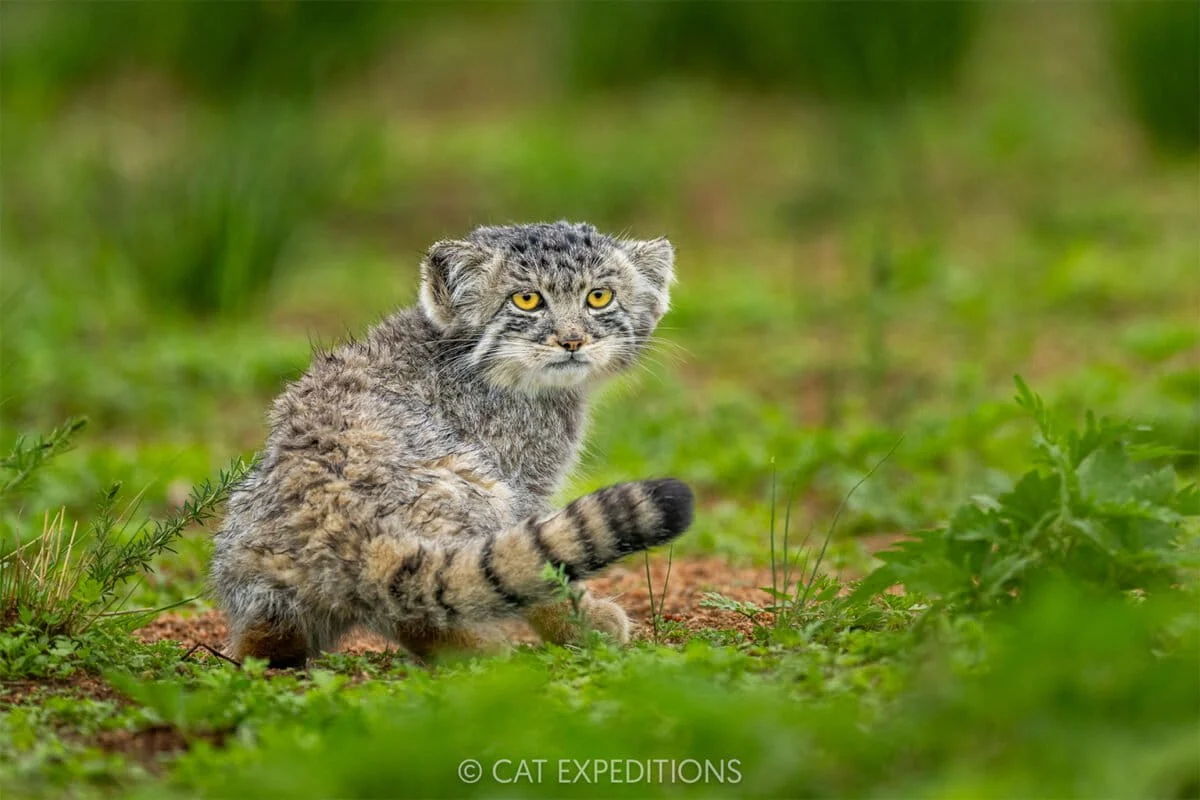
Among the most significant discoveries in the area is the re-emergence of the wild yak (Bos mutus), a species once thought lost to Nepal. The valley also sustains stable populations of the Himalayan wolf (Canis lupus chanco), the snow leopard (Panthera uncia), the Eurasian lynx (Lynx lynx), the Tibetan brown bear (Ursus arctos pruinosus), Pallas’s cat (Otocolobus manul), and the steppe polecat (Mustela eversmanii). Furthermore, Upper Humla boasts Nepal’s largest population of the kiang (Equus kiang), the world’s largest wild ass, alongside Himalayan marmots, mountain weasels, various pika species, and an extraordinary diversity of alpine flora and avifauna.
This biological richness is heavily dependent on expansive, undisturbed expanses of rangeland. However, the foundational layers of this ecosystem are buckling under a sudden influx of external pressures that threaten to sever the intricate food webs sustaining these apex predators and rare herbivores.

The Shift to Commercial Herding and Its Ecological Toll
For centuries, the ecological equilibrium of the Limi Valley was maintained by the traditional practices of its three permanent settlements: Til, Halji, and Dzang. The village of Til alone has an inhabited history stretching back at least 1,000 years. Local communities traditionally relied on the sustainable husbandry of yaks and jhoppas (yak-cow hybrids). These large-bodied, high-altitude-adapted animals were grazed at lower densities under strict community governance, utilized dried yak dung for fuel, and rarely fell victim to predation, save for occasional, heavily guarded calves.
In stark contrast, recent field surveys paint a dramatically different picture. Researchers returning to traditional study sites found no evidence of resident wolf packs denning in their historical locations. Instead, the valleys were dominated by thousands of lowland sheep and goats brought in from outside the region.
During recent monitoring efforts, expeditions documented at least eight to ten large livestock camps in the upper valleys beyond Pulgaon Pass—specifically in Sakya, Gyau, Chyakpolung, and Mergyu Khola—each housing between 400 and 500 sheep and goats alongside three to six herding dogs. Dozens of additional camps are scattered across the lower Limi landscape near Takche and Talun Khola, introducing thousands of domestic ruminants and hundreds of free-roaming dogs directly into core wildlife habitats.

This transition from localized yak husbandry to commercial sheep and goat grazing has introduced a cascade of ecological hazards:
- Intensive Overgrazing: Unlike yaks, which graze selectively and lightly, thousands of sheep and goats forage intensively on delicate alpine herbs, shrubs, and grass shoots. This widespread consumption severely damages fragile high-altitude flora and degrades soil stability.
- Disease Transmission Risks: Large concentrations of domestic livestock pose a severe epidemiological threat to native wild ungulates. Diseases such as peste des petits ruminants (sheep and goat plague)—a highly contagious viral infection—can readily jump from domestic flocks to wild ruminants sharing identical pastures. In a remote terrain virtually devoid of veterinary infrastructure or wildlife health monitoring, an outbreak could decimate vulnerable wild populations before detection.
- Unsupervised Herding Dogs: While properly managed dogs assist herders in deterring predators, the majority of dogs observed in Upper Humla are underfed, unsupervised, and allowed to roam up to 10 kilometers (6 miles) from campsites. These animals actively hunt and harass native wildlife, including woolly hares, marmots, and pikas. Researchers directly documented a pack of roaming dogs encroaching upon an active wolf den, forcing adult wolves to fiercely defend their territory just 500 meters away from vulnerable pups. Such disturbances during critical breeding periods drastically lower reproductive success.
Compounding Pressures: Predation, Conflict, and Infrastructure
The proliferation of small-bodied livestock has inevitably intensified human-wildlife conflict. Unlike hardy yaks, sheep and goats are exceptionally vulnerable to predation by carnivores like Himalayan wolves and snow leopards. As expanding livestock herds encroach upon traditional grazing grounds, they force wild herbivores—such as blue sheep, argali, Tibetan gazelles, and kiangs—into increasingly marginalized terrain.
Consequently, wild prey populations are left with depleted food resources, leading to population declines. As natural prey becomes scarce, carnivores increasingly target vulnerable domestic flocks. This dynamic frequently triggers retaliatory killings by herders, who target wolves and snow leopards through shooting or illegal poisoning. Poisoning remains a devastating threat in the Himalayan region, indiscriminately wiping out apex predators and non-target scavenging species that feed upon contaminated carcasses.

Compounding these biological pressures is the construction of new infrastructure. A newly built road cutting through core wildlife habitat in Gyau was ostensibly constructed to promote religious tourism. However, it has seen minimal utility for local residents, instead functioning as an unmonitored conduit for the illegal wildlife trade across the nearby border with Tibet. Furthermore, visiting herders lacking ancestral ties to the land often resort to cutting scarce high-altitude shrubs for firewood, accelerating the degradation of fragile alpine soils.
Climate Instability and Socio-Economic Shifts
The ecological strain in Upper Humla mirrors broader climatic vulnerabilities across the Himalayan arc. Glacial and geological instability is increasing at an alarming rate. Earlier in the year, glacial lake outburst floods repeatedly destroyed local bridges within the Limi Valley, forcing families to evacuate with little warning or institutional support. While smaller in scale than the catastrophic flash floods that devastated the Bhote Koshi-Trishuli corridor in central Nepal, these recurring events serve as stark indicators of the mounting hazards facing high-mountain communities.
Simultaneously, socio-economic shifts are hollowing out traditional stewardship. Economic pressures, limited local opportunities, and increasingly difficult living conditions are driving younger generations toward urban centers. As indigenous families leave, traditional resource management systems—which successfully integrated ecology, culture, and religion for centuries—are eroding. They are increasingly replaced by transient commercial interests that possess no long-term stake in the ecological health of the landscape.

The Urgent Need for Formal Legal Protection
Scientific indicators underscore the urgency of the situation. Monitoring data from the Limi Valley reveals concerning trends, including a sharp population decline among kiangs over the past decade and historically low reproductive output among monitored wolf packs, which produced only two pups during the most recent breeding season. Conservationists emphasize that while annual fluctuations occur, these warning signs cannot be ignored in a landscape undergoing such rapid anthropogenic disturbance.
Experts maintain that saving Upper Humla requires a clear, two-pronged strategy: formal legal ecosystem protection enacted by the Nepalese government, paired with community-based stewardship that empowers local residents. Conservationists stress that protective designations must not compromise local livelihoods; rather, the establishment of dedicated, sustainably managed pasture zones could secure grazing rights for herders while preserving critical core habitats for wildlife.
As the last remaining patches of truly wild nature disappear worldwide, conservation advocates argue that the high-altitude wilderness of Upper Humla represents an irreplaceable sanctuary of Himalayan biodiversity. Without immediate, coordinated intervention from policymakers, conservation organizations, and local communities, the unique natural and cultural heritage of the Limi Valley risks being lost permanently.