The day after Labor Day, a small delegation of labor activists and community advocates marched past the security gates of a sprawling plant nursery in Leicester, North Carolina, just outside of Asheville. Overhead, the late-summer sun beat down unmercifully on rows of steamy, humid greenhouses where laborers moved through endless aisles of commercial houseplants destined for retail shelves across the country. The group’s objective was direct: to deliver an urgent petition to Costa Farms, recognized globally as the largest grower of indoor houseplants.
Oscar Rozo, an Episcopal clergy member who actively ministers to Spanish-speaking immigrant populations in western North Carolina, walked among the leaders of the delegation. Their petition demands that Costa Farms institute foundational protections for plant nursery workers, explicitly calling for guaranteed access to cool water, reliable shade, and mandated paid rest breaks during periods of dangerous heat. Addressing company managers inside the facility, Rozo emphasized the human element of the local economy. "We’re part of the community," Rozo stated to the management present. "The nursery industry has been part of Asheville’s economy."
As the activists lined the facility’s corridors, nursery workers looked up from their tasks with cautious curiosity, largely keeping their distance due to the precarious nature of their employment. This demonstration in North Carolina was not an isolated event; it was part of a coordinated, multi-state day of action organized by WeCount, a prominent worker-led labor and human rights organization. The campaign simultaneously targeted facilities across the five U.S. states where Costa Farms operates its massive agricultural and horticultural nurseries.
"We consider this a very historic day of action," remarked Oscar Londoño, co-executive director of WeCount, who earlier that morning helped deliver a parallel petition to a Costa Farms facility in Florida. "And we know this is only the beginning."
The Evolution of the Planting Justice Campaign
WeCount has spent years fighting on behalf of vulnerable outdoor workers who lack meaningful safeguards against soaring temperatures driven by climate change. Based originally in South Florida, the organization previously spearheaded a hard-fought campaign to establish a municipal heat standard in Miami-Dade County. That region faces severe climate threats, with deaths from heat exposure projected to spike by 600 percent during extreme weather events.
However, those municipal efforts hit a brick wall in 2024. Prompted by intense lobbying from business and agricultural industry groups, Florida Governor Ron DeSantis signed legislation preempting local governments from enacting independent heat standards. Governor DeSantis defended the preemption by claiming that localized regulations could cause "a lot of problems" for commerce.
Faced with blocked legislative avenues at local and state levels, WeCount launched its broader initiative: the Planting Justice campaign. Designed to protect outdoor laborers across the American South, the campaign seeks to bring corporate agricultural giants like Costa Farms directly to the negotiating table while building consumer awareness regarding the origins of everyday houseplants and the hidden human toll required to cultivate them.

The Model of Worker-Driven Social Responsibility
The framework guiding WeCount’s current strategy is known as worker-driven social responsibility (WSR). This model draws heavy inspiration from the Fair Food Program, a groundbreaking initiative launched in 2011 by the Coalition of Immokalee Workers. Widely regarded as the gold standard for agricultural labor protections in the United States, the Fair Food Program has successfully transformed working conditions in participating agricultural sectors by empowering workers to identify and resolve workplace grievances collaboratively. For instance, while drinking water has always been a core tenet of the program, workers recently secured the year-round provision of electrolyte beverages and nutritional supplements.
"We know that every year this crisis is getting worse," Londoño said, pointing to accelerating global temperatures fueled by human-caused climate change. "लेकिन increasingly, legislative avenues are more and more limited."
With legislative and regulatory protections stalling, labor advocates are increasingly turning to supply-chain accountability and direct corporate engagement to force structural improvements in agricultural workplaces.
The Escalating Crisis of Occupational Heat
The push for mandatory workplace heat safeguards comes against a backdrop of mounting scientific consensus regarding the lethality of high temperatures. Heat is officially classified as the deadliest form of severe weather in the United States, surpassing the combined toll of hurricanes, floods, and tornadoes. Furthermore, official government statistics routinely underreport the true scope of heat-related mortality. A comprehensive two-year investigation conducted by Boston University and NPR revealed that the national tracker for heat-wave fatalities severely misses the mark, hiding the true extent of occupational and community tragedies.
For years, labor unions and public health advocates have lobbied the federal government to implement a universal heat standard through the Occupational Safety and Health Administration (OSHA), the federal agency tasked with regulating workplace safety. While OSHA appeared to be making substantive progress toward establishing federal heat safety rules during the Biden administration, those regulatory efforts subsequently encountered severe political headwinds and threats of congressional cancellation.
Compounding the danger, agricultural workers—a classification that legally encompasses plant nursery employees who directly handle vegetation—are explicitly excluded from federal collective bargaining rights under the National Labor Relations Act. Despite being denied these fundamental organizing protections, agricultural workers face astronomical occupational risks, remaining more than 35 times more likely to die from heat-related illnesses than workers employed in other major industries.
Costa Farms Responds to Allegations
In response to the protests and the findings of the WeCount survey, Costa Farms issued an official statement defending its labor practices. The company asserted that it has received multiple industry accolades for the quality of its workplace safety programs.
"We have a full-time, on-site nurse with a functional medical clinic and our robust heat protection policy is aligned with the proposed OSHA heat safety rules," stated Ariana Cabrera de Oña, the company’s senior vice president, general counsel, and head of human resources.
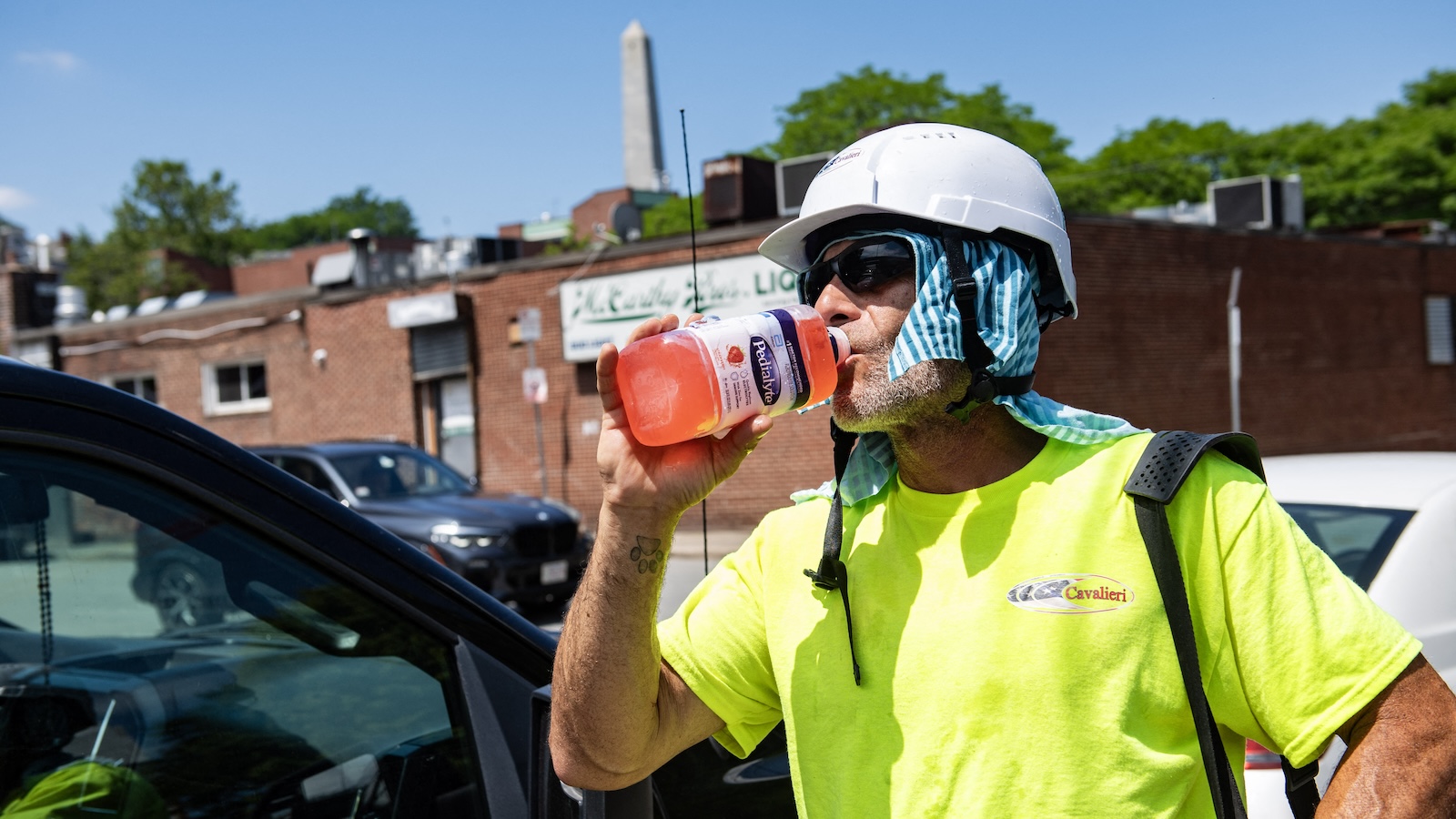
According to company documentation, Costa Farms implemented a policy requiring daily five-minute safety briefings between supervisors and workers following the devastation caused by Hurricane Helene in North Carolina. These briefings are designed to review potential health and safety risks, including local weather forecasts and extreme heat advisories. Additionally, the company maintains that when specific wet-bulb temperature thresholds are met, workers are granted increased break frequencies alongside supplementary hydration stations.
Demands and Workplace Realities
Despite these corporate assurances, the core objective of the Planting Justice campaign is to compel Costa Farms to formally sign a binding code of conduct authored by the workers themselves. The proposed agreement outlines straightforward, practical demands: comprehensive education for both employees and management regarding the early warning signs of heat-related illness; guaranteed, unimpeded access to shade, potable water, and rest breaks; and transparent institutional systems for monitoring and responding to physiological heat stress.
Labor organizers argue that these formal agreements are necessary to bridge the gap between corporate policy on paper and conditions on the ground. For example, while Costa Farms maintains that hydration stations are consistently available during high-temperature days, workers have frequently reported drawing water characterized by strong chemical odors or discovering mold growing inside communal water coolers, according to Londoño.
Testifying at a rally in Florida, Alejandro Gonzalez, a Costa Farms nursery worker originally from Guatemala, described grueling conditions where summer temperatures routinely exceeded 110 degrees Fahrenheit. Speaking passionately in Spanish, Gonzalez stated, "They don’t give us cold or clean water. They don’t provide any breaks or shade."
Data compiled by WeCount paints a troubling picture of systemic vulnerabilities across the company’s operations. An internal survey revealed that 86 percent of Costa Farms workers who responded reported experiencing dangerous incidents on the job, ranging from acute heat illness and pesticide exposure to severe workplace accidents. Furthermore, over two-thirds of respondents indicated they were routinely denied adequate rest breaks and scheduled days off.
Compounding these vulnerabilities, many houseplant industry workers are employed under temporary agricultural visa programs, such as H-2A visas, or are undocumented. This legal precarity leaves them with virtually no legal recourse, highly dependent on their employers for housing, and structurally excluded from standard labor law protections should they attempt to speak out against abusive conditions.
Looking Ahead: The Broader Implications
WeCount organizers view the actions in North Carolina and Florida as merely the opening salvo in a prolonged campaign. Beyond targeting agricultural producers directly, the organization is turning its attention to the corporate retail giants—such as Home Depot and IKEA—that purchase massive quantities of inventory from Costa Farms. Activists are urging these retail monoliths to exercise supply-chain responsibility by refusing to source products from growers who fail to adopt worker-approved safety codes.
As the delegation concluded its visit to the Leicester nursery, management formally requested that Rozo and the accompanying activists vacate the premises. The activists complied, having successfully delivered their petition into the hands of corporate representatives, leaving behind a clear warning that the movement for outdoor labor rights in the American horticultural sector is only beginning to take root.