
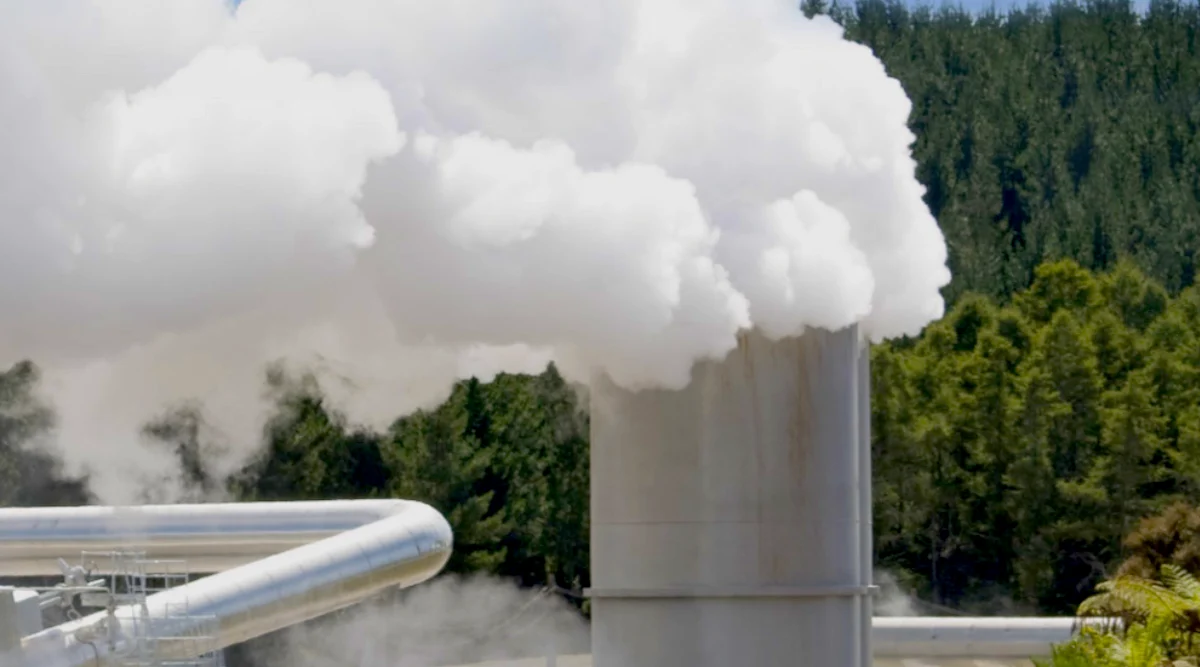
The landscape of American power generation is undergoing a quiet, high-stakes transformation as geothermal energy transitions from a niche, geographically constrained resource to a central pillar of the nation’s "American Energy Dominance" strategy. While geothermal currently accounts for roughly 1% of the total US utility-scale electricity generation capacity, the federal government—under the current administration—has elevated the technology to a priority status. This pivot is marked by significant funding, the establishment of centralized research hubs, and a clear policy shift that incentivizes the integration of oil and gas drilling expertise into renewable energy development. Ironically, this push for geothermal advancement is emerging as an existential threat to the very coal industry that the administration has simultaneously sought to bolster, creating a complex, multifaceted energy strategy.
The Evolution of Geothermal Potential
Historically, the US geothermal industry was confined by rigid geological requirements. To generate power, companies needed a specific, often rare combination of high subsurface temperatures, permeable rock, and accessible water to produce steam. This "natural" geothermal energy was largely limited to regions in the Western United States, particularly near the Rocky Mountains, where tectonic activity brought heat closer to the surface.
However, the industry is now moving toward Enhanced Geothermal Systems (EGS). Unlike traditional hydrothermal plants, EGS involves drilling deep into hot, dry rock and injecting fluid to create artificial reservoirs. This technology decouples geothermal power from specific geographic "hot spots," theoretically allowing for the deployment of gigawatt-scale, 24/7 baseload power across a much wider swath of the country.
The Department of Energy (DOE) has been laying the groundwork for this transition for over two decades. A critical milestone in this timeline was the establishment of the Frontier Observatory for Research in Geothermal Energy (FORGE) in Utah. Managed in partnership with the University of Utah, FORGE serves as a living laboratory for testing the drilling, stimulation, and reservoir-management technologies required to scale EGS. The continued support of this facility under the current administration underscores a long-term commitment to de-risking the technology for commercial players.
Bridging the Gap: The Role of Oil and Gas Expertise
One of the most notable aspects of the current geothermal surge is the active participation of firms rooted in the fossil fuel sector. The appointment of Chris Wright—former CEO of Liberty Energy—as Secretary of Energy has accelerated this convergence. Wright, who possesses a deep background in oilfield services, has championed the view that the skills used to extract hydrocarbons are directly transferable to the extraction of heat.

This synergy is already yielding significant private capital. In 2022, Liberty Energy made a $10 million strategic investment in Fervo Energy, a leader in the EGS space. By 2025, that momentum had snowballed, with companies like Devon Energy contributing to a massive $462 million Series E funding round for the startup. These investments signal a shift in how traditional energy firms view their future: rather than resisting the energy transition, major oilfield service providers are leveraging their drilling rigs, seismic expertise, and workforce to carve out a dominant position in the renewable energy market.
Establishing the Geothermal Center of Excellence
The federal commitment to this sector was formalized on September 3, with the launch of the Geothermal Center of Excellence (CoE). Based at the National Laboratory of the Rockies—formerly the National Renewable Energy Laboratory—in Colorado, the Center is designed to act as a centralized hub for innovation. It operates in tandem with the National Energy Technology Laboratory (NETL), which has deep operational ties to the hydrocarbon-rich regions of Texas and West Virginia.
The mission of the CoE is multifaceted: it serves as the primary gateway for private industry to access the expertise of the national laboratory system, including institutions such as Argonne, Lawrence Berkeley, and Oak Ridge. By unifying these disparate research capabilities, the DOE aims to shorten the path from laboratory breakthrough to commercial deployment. According to federal documentation, the CoE is specifically tasked with accelerating the "discovery and development of gigawatt-scale geothermal energy" and positioning the resource as a competitive alternative for reliable, round-the-clock baseload electricity.
The Competitive Landscape: Coal vs. Geothermal
The administration’s "all-of-the-above" energy strategy contains an inherent tension. While the Hydrocarbons and Geothermal Energy Office (HGEO) continues to advocate for the survival of coal-fired power plants, its own strategic plan acknowledges the necessity of transitioning toward more efficient baseload sources. As demand for coal continues its structural decline, driven by aging infrastructure and the economic superiority of wind and solar-plus-storage, geothermal is being positioned to fill the gap.
The displacement of coal by geothermal is not merely a theoretical exercise; it is currently being validated through large-scale power purchase agreements (PPAs). On September 1, Fervo Energy announced a 396-megawatt PPA with Google, a deal that will provide a substantial boost to the development of the Cape Station project in Utah. Such agreements provide the long-term price certainty required for developers to secure financing for expensive, capital-intensive geothermal projects.
Simultaneously, the industry is seeing progress in drilling efficiency. Mazama Energy, a beneficiary of DOE support, recently reported a breakthrough in high-speed, high-efficiency drilling for "superhot rock" formations at its Project Athena site in Oregon. The company is now preparing to initiate Project Ceres, which is being marketed as the world’s first commercial-scale, superhot rock geothermal facility.

Broader Implications and Strategic Outlook
The rise of geothermal as a mainstream energy source has significant implications for national security and economic stability. By utilizing existing oil and gas supply chains, the US can transition its workforce and infrastructure toward a more sustainable energy model without abandoning the industrial capabilities that have historically defined the American energy sector.
Furthermore, the involvement of the Department of Defense—specifically the US Air Force—in testing new geothermal systems mirrors the defense sector’s early-stage support of the solar and battery storage industries. The Air Force’s push for resilient, on-site energy generation suggests that geothermal is viewed as a strategic asset capable of providing energy independence for critical military installations.
While the transition will not happen overnight, the convergence of federal funding, private sector investment, and technological breakthroughs in drilling suggests that geothermal is poised to move from a peripheral energy source to a core component of the grid. As the industry scales, it will inevitably cannibalize the market share currently held by coal and potentially natural gas. For the coal industry, the emergence of a domestic, high-capacity, and carbon-free baseload competitor—one that is being actively nurtured by the same policymakers attempting to keep coal on life support—represents a profound and ironic shift in the national energy trajectory.
The next decade will be critical. If projects like Cape Station and the development of superhot rock drilling technologies prove commercially viable at scale, the narrative of US energy independence will be rewritten to favor a future defined by heat extracted from beneath our feet rather than carbon-intensive fuels extracted from our mines. As the Geothermal Center of Excellence begins its work to unify the nation’s scientific and industrial resources, the reality of this transition becomes increasingly clear: geothermal is no longer an "up-and-coming" curiosity; it is a fundamental shift in the architecture of the American power grid.






Leave a Reply