
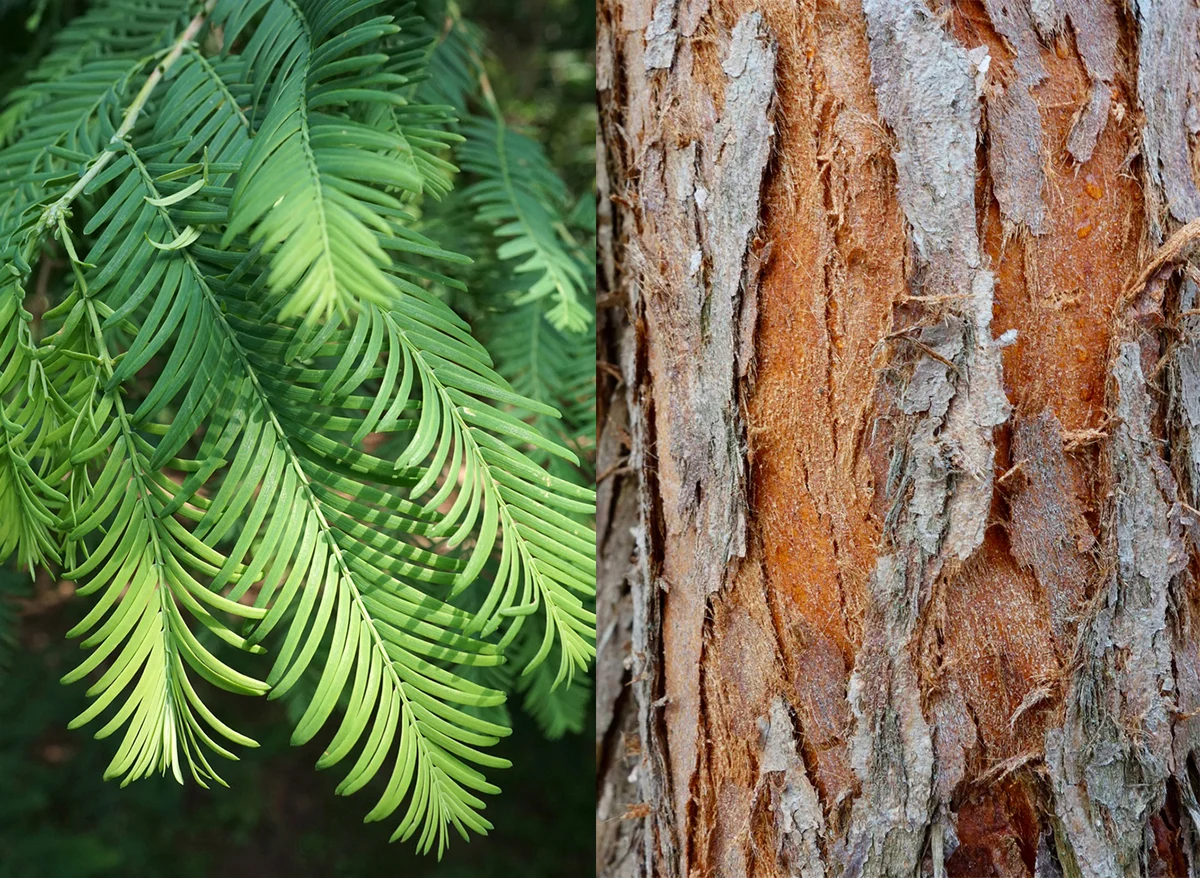
Sixty million years ago, during the Paleocene epoch, the Arctic was not the desolate, frozen tundra known today. It was a lush, temperate landscape blanketed in dense forests. Among the flora of this prehistoric era was a remarkable conifer species that had developed a unique survival mechanism: while most needle-leaved trees remained evergreen to maximize photosynthesis in stable climates, this redwood evolved to become deciduous. By shedding its needles during the long, lightless winter, the tree conserved vital energy, allowing it to grow with explosive vigor during the bright, sun-drenched summer months. This adaptation proved so successful that the species thrived across North America, Europe, and Asia. However, as the global climate underwent a catastrophic cooling trend during the onset of the Ice Age, the species vanished from the fossil record, seemingly lost to the annals of deep time.
The Paleobotanical Discovery
The path to rediscovering this "lost" giant began in the most unlikely of settings: the height of the Second World War. In 1941, Japanese paleobotanist Shigeru Miki was examining fossilized remains of conifers that did not align with any known extant species. Miki observed that the fossilized needles exhibited a distinctive, opposite arrangement, differentiating them from the alternate arrangement found in the modern Sequoia and Sequoiadendron genera. Concluding that the plant had been extinct for millions of years, Miki formally described and named the genus Metasequoia—meaning "near the sequoia"—in the scientific literature. At the time, his work was seen as a significant contribution to paleobotany, a definitive chapter on a species that existed only in stone.
The Hidden Grove of Central China
While Miki was analyzing fossils in a laboratory, a profound discovery was unfolding in the remote mountains of Hubei Province, China. In the winter of 1941, a local forester stumbled upon a massive, unfamiliar tree near a small shrine in the village of Modaoqi. The local residents, who venerated the tree, referred to it as shui-sa, or "water fir," due to its affinity for the moist, riparian soil of the valley.
Because the tree was in its dormant, leafless state, the forester could not provide a botanical specimen for formal identification. However, his reports eventually reached the attention of Zhan Wang, the director of China’s Central Bureau of Forest Research. In 1943, Wang embarked on a difficult, dangerous journey through war-torn terrain to reach the site. Upon his arrival, he collected foliage and cone specimens, which he distributed to prominent Chinese botanists. Among the recipients was Hsen Hsu Hu, a renowned scientist who had earned his Ph.D. from Harvard University. Hu, having recently read Miki’s 1941 paper on the Metasequoia fossils, immediately recognized the specimens. The "extinct" ghost of the prehistoric world was alive.
Chronology of the Dawn Redwood (Metasequoia glyptostroboides)
- 60 Million Years Ago: Metasequoia thrives across the Northern Hemisphere.
- 2 Million Years Ago: Rapid climate shifts and the onset of glaciation drive the species to regional extinction.
- 1941: Shigeru Miki identifies Metasequoia in the fossil record.
- 1941: A Chinese forester identifies a living stand of the "water fir" in Hubei Province.
- 1943: Zhan Wang officially collects and documents the living species.
- 1946: Hsen Hsu Hu and Wan Chun Cheng formally publish the description of Metasequoia glyptostroboides.
- 1947–1948: The Arnold Arboretum at Harvard University facilitates an expedition to collect seeds for global distribution.
- 1948: Seeds are planted in North America for the first time in two millennia.
A Scientific Bridge Over Conflict
The rediscovery of the Metasequoia glyptostroboides—later dubbed the "dawn redwood"—occurred against the backdrop of the Second World War. Despite the deep-seated political hostility between China and Japan, the botanical community recognized the discovery as a triumph of universal science. Hsen Hsu Hu’s collaboration with Western institutions, particularly the Arnold Arboretum, demonstrated a commitment to preservation that transcended nationalistic fervor.

The Arnold Arboretum, under the leadership of director Elmer Drew Merrill, recognized the urgency of the situation. With the Chinese Revolution looming and the country’s political landscape becoming increasingly volatile, the window for botanical exchange was narrowing. Merrill successfully raised funds to send an expedition team to the Hubei region. This mission, led by Ralph Chaney of the University of California and Milton Silverman, resulted in the collection of a large quantity of seeds. These were distributed to botanical gardens and universities worldwide, effectively ensuring that the species would not succumb to localized extinction or the political turmoil of the era.
Biological and Ecological Significance
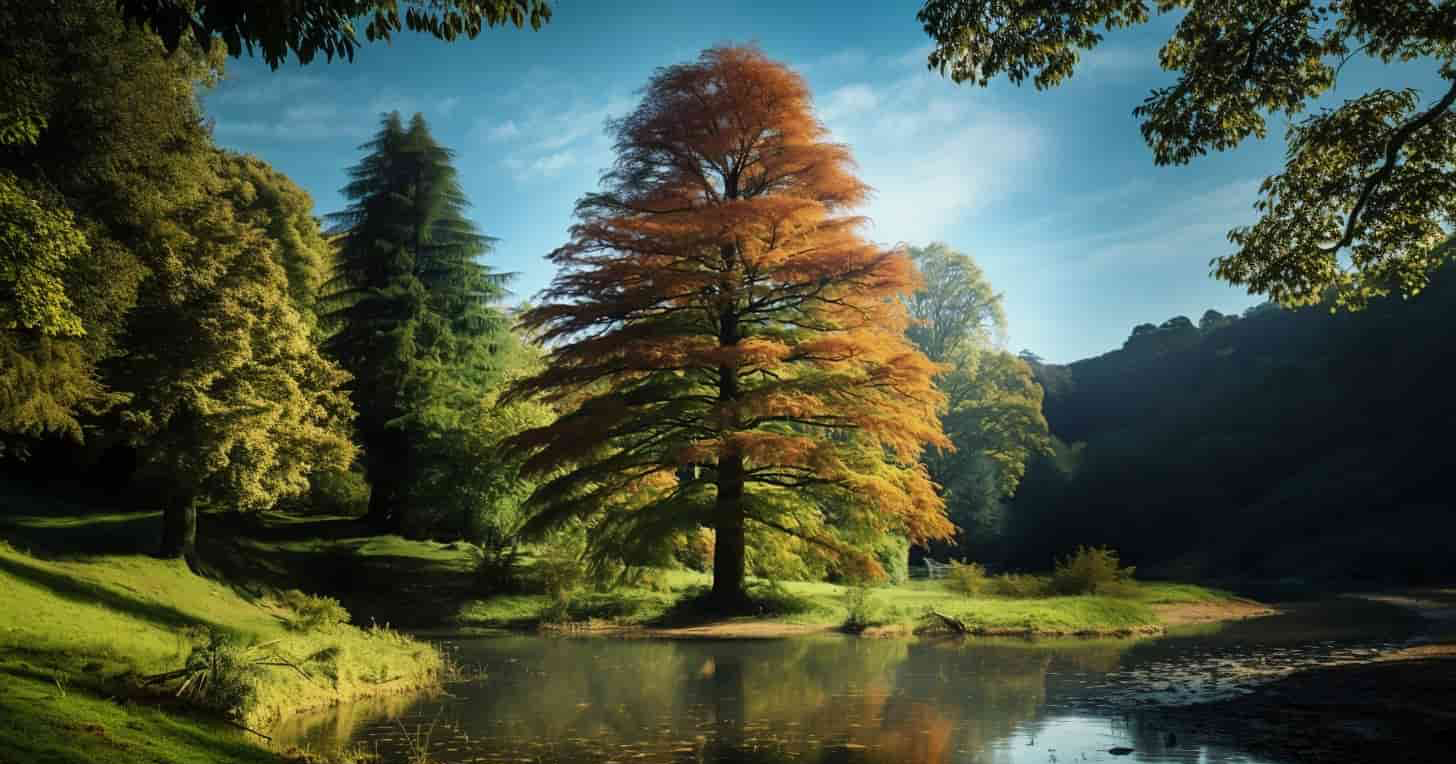
The dawn redwood is a relic of a younger world, serving as a vital "living fossil" for researchers studying plant evolution. Genetically, it occupies a position between the bald cypress and the giant sequoia. Its deciduous nature is its most defining trait; it is one of the few conifers that drop their entire set of needles annually.
Data regarding its growth suggests that under optimal conditions—specifically deep, moist, and slightly acidic soil—the dawn redwood can grow rapidly, often exceeding three feet in height per year in its youth. Today, the tree has become a staple of urban forestry, prized for its aesthetic beauty, its resilience in diverse climates, and its historical significance.

Broader Implications and Modern Status
The survival of the dawn redwood is often cited as a metaphor for the endurance of nature and the resilience of the scientific spirit. Its successful introduction into North American and European landscapes represents one of the most successful ex-situ conservation projects in botanical history.
However, the dawn redwood’s status remains precarious in its native habitat. While millions of specimens now grow in parks, arboretums, and private gardens globally, the wild population in the Hubei and Hunan provinces is limited to a relatively small number of mature trees. The Chinese government has since granted the species "First Class National Protection" status, recognizing it as a critical piece of the nation’s natural heritage.
The tree’s legacy extends into the cultural sphere as well. From the specimens standing in London’s urban centers to the trees flanking the John Lennon memorial in New York City’s Central Park, the dawn redwood serves as a living monument. Its presence in modern cities—often planted in the late 20th century—reminds observers of the deep connection between human history and the natural environment.

Conclusion: The Tree of the Century
In the final years of the 20th century, the dawn redwood was formally honored by the scientific community as the "tree of the century." This designation reflects more than just its survival; it acknowledges the international cooperation required to save it. When Albert Einstein spoke of the "common language of science" as a potential savior for humanity, he was articulating the very principle that allowed the dawn redwood to move from a remote Chinese valley to the global stage.
The story of the Metasequoia remains a powerful case study in conservation biology. It highlights the importance of preserving biodiversity, even when species appear to be on the brink of erasure. As environmental shifts continue to pose threats to global flora, the dawn redwood stands as a testament to the fact that with enough scientific dedication and cross-border cooperation, even the most vulnerable species can find a new dawn.










Leave a Reply