
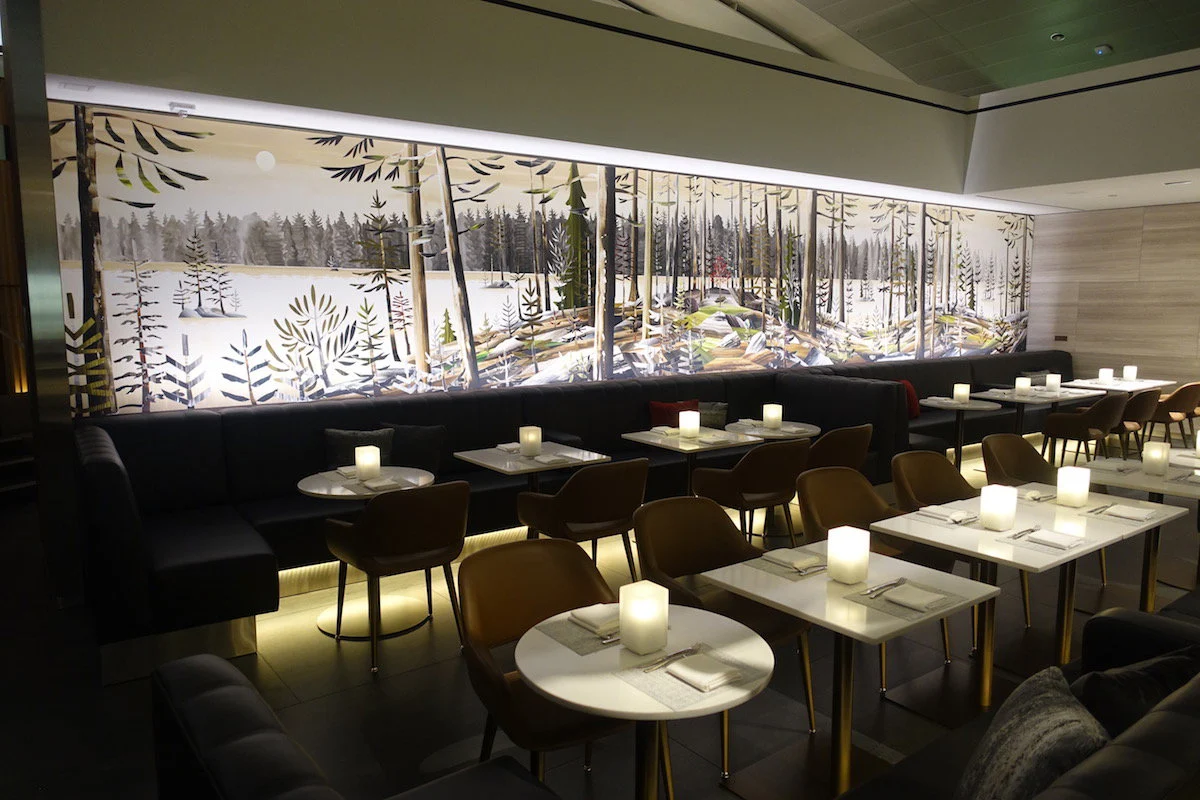
Air Canada has officially announced a temporary closure of its premier Signature Suite at Toronto Pearson International Airport (YYZ), setting the stage for a comprehensive multi-phase expansion project. Widely regarded as one of the finest business-class airport lounges in the world since its debut in 2017, the facility is slated to shut its doors to premium travelers starting September 30, 2026. The renovation is designed to address capacity constraints, incorporate modern amenities, and elevate the overall passenger experience to match the carrier’s growing long-haul international network. While the temporary shutdown will undoubtedly present logistical hurdles for premium flyers accustomed to fine dining and exclusive spaces, the airline has introduced an unprecedented compensation initiative to soften the blow for its most loyal customers.
Chronology and Phased Renovation Timeline
The upcoming closure marks a significant milestone for the Toronto hub, which has seen surging demand alongside the expansion of Air Canada’s global route network. According to the carrier’s timeline, the current iteration of the Signature Suite will officially cease operations on September 30, 2026.
The project has been structured into distinct phases to minimize disruption where possible. The existing lounge footprint is scheduled to reopen in December 2026, offering immediate relief to the holiday travel rush. However, the completion of the newly expanded spaces and fully integrated new amenities is slated for early 2027. During the construction window, eligible passengers will be redirected to alternative facilities, including the International Maple Leaf Lounge, which will feature a dedicated priority access queue. Additionally, Air Canada will establish a temporary grab-and-go food and beverage pop-up station located conveniently near Gate E85 to cater to travelers needing quick refreshments.
Understanding the Air Canada Signature Suite Experience
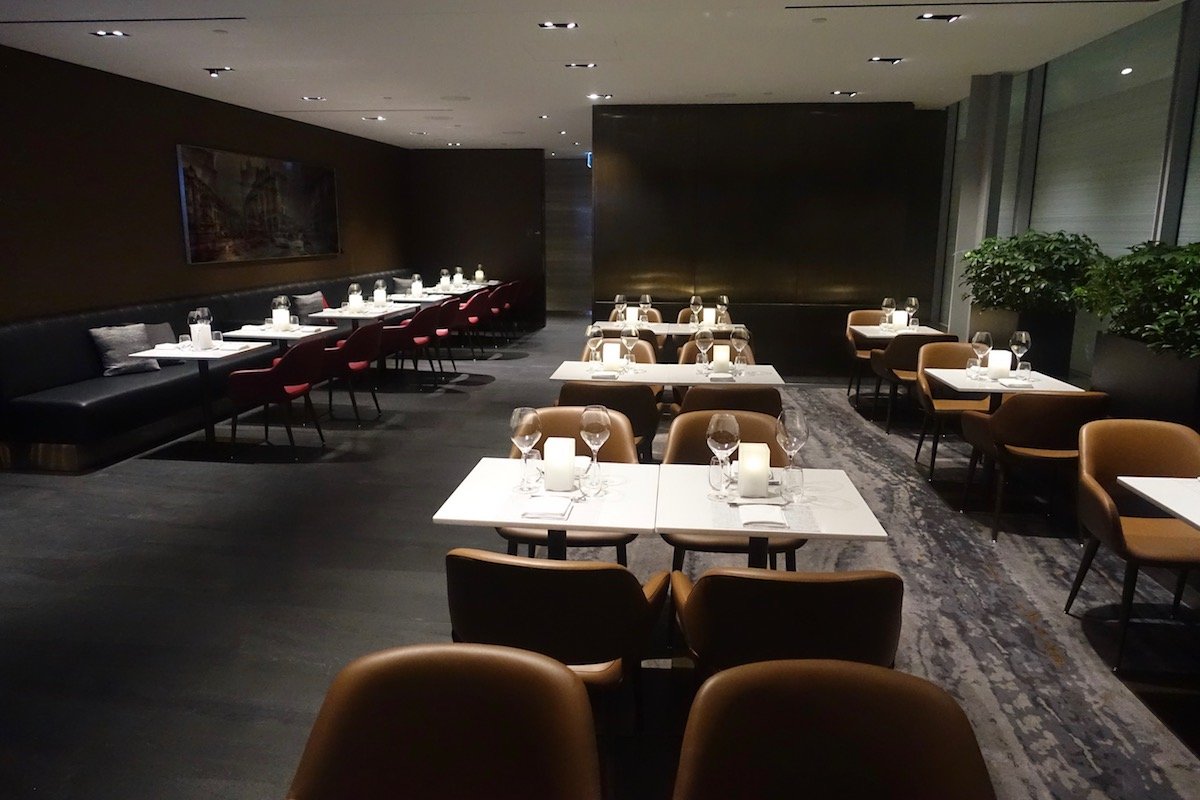
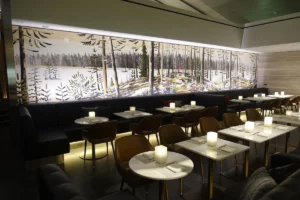
To fully appreciate the scope and impact of this renovation, it is essential to examine what makes the Air Canada Signature Suite at Toronto Pearson a benchmark in global aviation. Opened in 2017, the lounge carved out a distinct niche by operating independently from standard business-class lounges. Rather than functioning as a standard waiting area with self-serve amenities, the Signature Suite was conceptualized as a high-end restaurant experience.
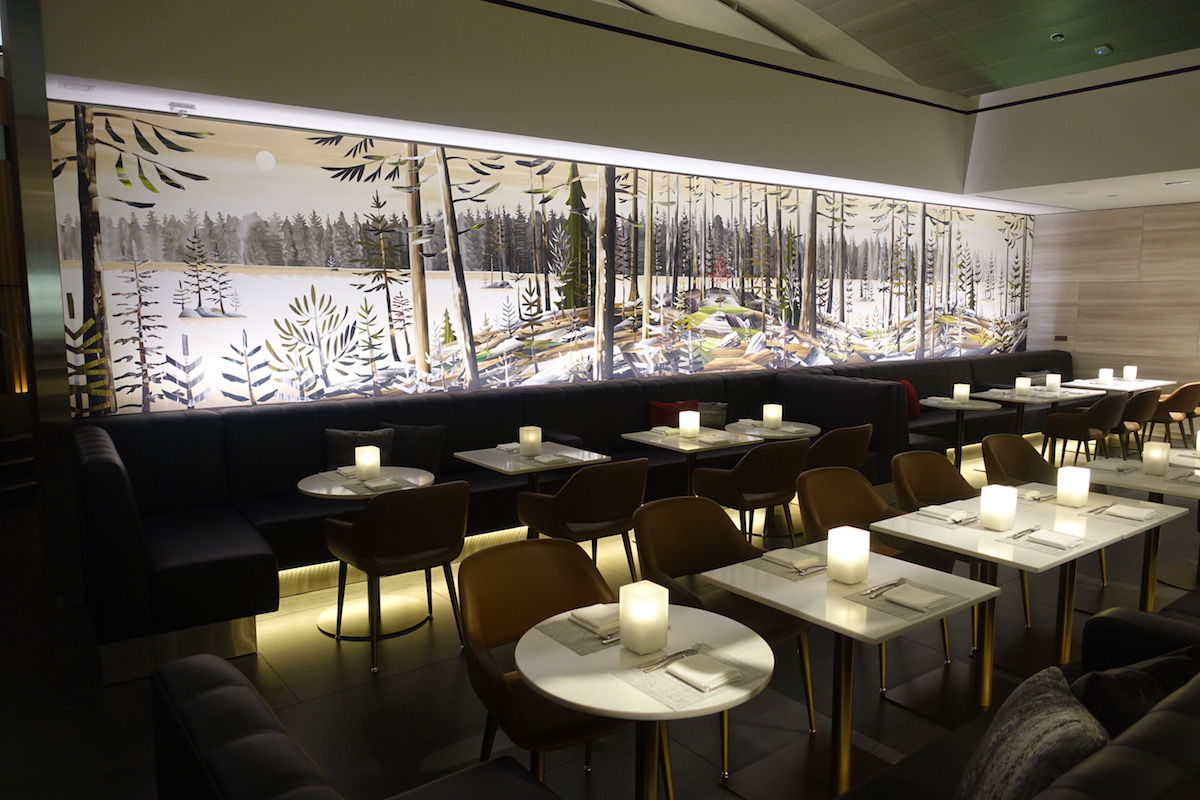
Access is exceptionally restrictive, setting it apart from typical Star Alliance business-class lounges or standard frequent flyer tiers. Entry is generally reserved strictly for passengers holding revenue-managed long-haul business-class tickets (typically cash fares or high-value mileage redemptions on Air Canada-operated flights to Europe, Asia, and South America). Aeroplan Elite status holders traveling on standard business-class award tickets or partner airline premium tickets are frequently excluded, preserving an atmosphere of exclusivity and quiet luxury.
The cornerstone of the lounge has always been its culinary program. Guests enjoy complimentary, multi-course à la carte dining designed by celebrated Canadian chef David Hawksworth, featuring locally sourced ingredients, premium wine lists, and handcrafted cocktails, alongside a high-end buffet setup. As Air Canada has steadily expanded its widebody fleet and international destinations over the years, the physical footprint of the 2017 lounge design has faced periodic strain, making this expansion both timely and necessary.
An Unprecedented Gesture of Goodwill for Affected Passengers
Airport lounge renovations inherently create a period of friction between airlines and their highest-paying customers. Premium travelers paying top dollar for long-haul business-class tickets naturally expect access to top-tier pre-flight amenities. When a flagship lounge closes for construction, the substitute options—such as standard business lounges or makeshift pop-ups—rarely match the value of the original facility.
In a move that has drawn widespread praise across the aviation and travel industry, Air Canada has implemented a customer relations strategy that goes far beyond standard industry practices. Passengers who hold a Signature Suite-eligible ticket during the closure period will receive a complimentary guest pass for a future visit to the newly expanded Toronto Signature Suite.
According to airline policy details, these special invitations will be issued automatically once the expanded facility officially opens its doors in early 2027. To ensure maximum flexibility for travelers, the passes will remain valid through December 31, 2028—giving recipients nearly two full years to redeem them. Furthermore, the usability of the pass is remarkably flexible: it can be utilized in conjunction with any Air Canada flight departing to an international destination, regardless of the class of service booked. Passengers may use the pass themselves or transfer it to a guest, providing tangible residual value for travelers who miss out during the construction window. Industry analysts note that this level of proactive compensation is virtually unheard of among major global carriers undergoing routine infrastructure updates.
Implications and Broader Market Impact
The decision to expand the Toronto Pearson Signature Suite reflects broader trends in the commercial aviation sector, where premium passenger revenue has become a critical driver of profitability for network airlines. Post-pandemic travel patterns have demonstrated sustained, high demand for premium cabins, with business-class and first-class seats frequently outperforming economy cabins in revenue generation.
By investing heavily in ground infrastructure at its primary global hub, Air Canada is signaling a long-term commitment to capturing high-yield corporate and leisure travelers. Competitors globally have similarly upgraded their flagship hubs—such as British Airways at London Heathrow, Qantas in Sydney, and various carriers across the Middle East—to secure the loyalty of high-spending customers.
From an operational standpoint, the phased reopening schedule in December 2026 ensures that the airline will not miss out on the lucrative year-end holiday travel season, while the early 2027 completion date sets the stage for the busy spring and summer international travel periods. Moreover, by spacing out the validity of the compensation passes through the end of 2028, Air Canada has cleverly mitigated the risk of immediate overcrowding in the newly expanded lounge upon its debut, allowing the influx of voucher holders to be absorbed gradually over a multi-year window.
Conclusion
Air Canada’s temporary closure of the Toronto Pearson Signature Suite starting September 30, 2026, marks the end of an era for the lounge in its original 2017 configuration, but it also heralds a significant upgrade for North America’s premium travel landscape. While the interim months will require patience from business-class travelers utilizing alternative Maple Leaf Lounge facilities and temporary gate pop-ups, the promise of an expanded footprint, updated amenities, and enhanced dining space offers a compelling future payoff. Coupled with a pioneering guest pass compensation program valid through late 2028, Air Canada has managed a challenging operational disruption in a manner that reinforces customer loyalty and sets a new benchmark for airline hospitality during infrastructure developments.








Leave a Reply