

Asia stands as the most ecologically, biologically, and culturally diverse continent on Earth, yet its vast natural heritage faces an unprecedented array of compounding threats. From the ecological fallout of uneven post-colonial development and capital-intensive infrastructure expansion to worsening socioeconomic inequality, heavy resource dependence, and high population densities overlapping with fragile wildlife habitats, the region’s conservation landscape is in a state of perpetual crisis. Further exacerbating these pressures are illicit wildlife trafficking networks, persistent geopolitical conflicts, militarization, and the historical dominance of Western-centric knowledge production systems in shaping local environmental policies.
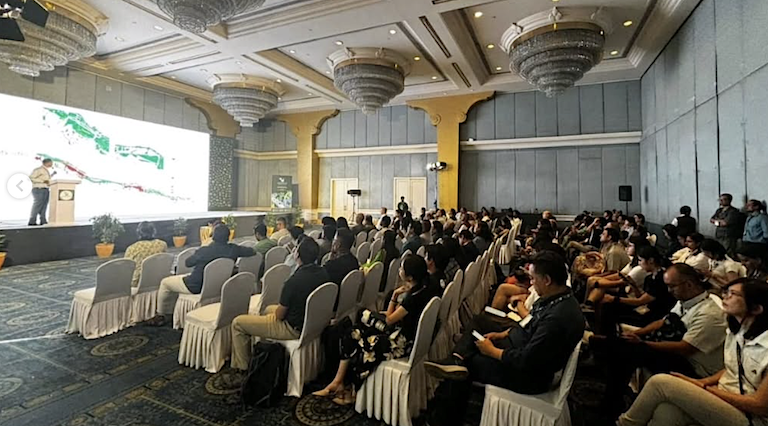
In response to these systemic challenges, nearly 500 conservationists, researchers, policymakers, and community leaders—predominantly from across Asian nations—convened in Kathmandu, Nepal, during the first week of June for the 6th Conservation Asia Congress. The landmark regional event was co-organized by the Asia region of the Society for Conservation Biology (SCB), the SCB Nepal chapter, and the Kathmandu-based, community-centric Burhan Community Regeneration and Conservation Foundation (BCRCF). Operating under the central theme “Harmonizing Biodiversity and Human Well-being in Asia,” the congress sought to dismantle traditional top-down conservation paradigms and center regional voices in safeguarding the continent’s threatened ecosystems.
Demographics and Scale of the Regional Gathering
The weeklong congress transcended conventional regional gatherings by drawing participants from 42 countries, establishing a genuinely global dialogue grounded in local realities. Out of the total attendance, 390 delegates represented countries within the Global South, highlighting a deliberate shift toward empowering local actors. The gathering was notably youthful; 357 attendees were classified as early-career conservationists with a median age under 45, including 151 students. Furthermore, 38 delegates explicitly identified as Indigenous or local community members, while 43% of the participants identified as women or minority genders.

The scientific and practical scope of the congress was vast, featuring more than 300 hours of knowledge-sharing across 24 concurrent sessions, 19 symposiums, 11 high-level plenary talks, and 59 poster presentations. Specialized capacity-building was delivered through five half-day and seven full-day intensive workshops led by thematic authorities. Presentations traversed a broad biological spectrum, examining the conservation status of vulnerable fauna ranging from West Asian dryland species—such as the Asiatic cheetah and the Arabian leopard—to the snow leopards of Central, East, and South Asian highlands. Tropical ecosystems were heavily represented through studies on endangered elephants and primates across South and Southeast Asia, alongside dedicated sessions focusing on neglected taxa, including amphibians, reptiles, and avian species.
Beyond strict ecological sciences, the program heavily scrutinized the human dimensions of conservation. Sessions dissected human-wildlife coexistence, behavioral psychology, political ecology, community-based resource stewardship, policy analysis, and educational reform. While attendees lauded the sheer volume and caliber of the academic offerings, some feedback highlighted logistical pressures, noting that tightly packed parallel sessions forced difficult scheduling choices and that marine ecosystems, invertebrate conservation, and environmental humanities warranted a more prominent platform.
Overcoming Financial and Geopolitical Barriers to Equity
A central hurdle for regional conservation events has historically been the prohibitive cost of registration, travel, and logistical compliance, which frequently excludes cash-strapped students, early-career researchers, and practitioners from economically disadvantaged nations. Standard registration fees for low- and middle-income country participants holding SCB memberships were set at $229—a figure that many student delegates noted remained a significant barrier without external financial intervention.
To counter systemic inequities, congress organizers engineered an unprecedented financial assistance framework. Through targeted travel reimbursements, registration waivers, and heavy discounts, roughly 160 participants—constituting more than 30% of total attendance—received financial support. This was largely driven by an innovative “Inclusivity Package” partnership model, which bypassed traditional lump-sum corporate sponsorships in favor of directing funds entirely toward covering travel and registration expenses for early-career scholars, students, and Indigenous delegates. Philanthropic entities such as the Snow Leopard Conservancy and the Arcus Foundation backed this initiative, enabling nearly 50 delegates from Central, South, and Southeast Asia to attend.
Geopolitical friction posed an equally formidable threat to delegate mobility, most notably for researchers hailing from West Asia. Amid heightened regional tensions and the complete closure of airspace and diplomatic channels involving nations like Iran, travel seemed nearly impossible for several accepted speakers. In response, local partner BCRCF engaged in intensive, high-level diplomatic coordination up to 48 hours prior to the event. Working alongside the Nepal Ministry of Foreign Affairs and the Nepalese consulate in Qatar, organizers successfully secured visas and routed safe transit through Istanbul for Iranian delegates whose mobility had been severely compromised.
Koustubh Sharma, president of the SCB-Asia region, emphasized that these administrative hurdles were tackled to establish a new benchmark for inclusive scientific gatherings. Similarly, conference coordinator Mohammad Farhadinia noted that the true measure of the congress’s success lay not in raw attendance figures, but in ensuring absolute accessibility for every regional expert striving to make a contribution.
The Kathmandu Resolution 2026: A Blueprint for Self-Determination
The culmination of days of deliberation, debate, and networking was the formal ratification of the Kathmandu Resolution 2026. Designed as a collective, transboundary call to action rather than a symbolic statement, the resolution captures the grassroots consensus of Asian conservationists navigating multiple overlapping socio-ecological crises.
The document explicitly asserts that the methodology of conservation is equally as vital as its biological targets. It stresses that biodiversity protection cannot succeed without securing the legally recognized stewardship, customary rights, and socioeconomic well-being of Indigenous peoples and local communities who have coexisted with wildlife for millennia.

Key pillars of the Kathmandu Resolution 2026 include:
- Regional Solidarity and Knowledge Mobility: Fostering peaceful cross-border cooperation, dismantling barriers to the free movement of scientific expertise, and transforming national SCB chapters into active regional think-tanks and communities of practice.
- Dismantling Extractive Paradigms: Challenging macroeconomic models that treat natural ecosystems merely as financial capital, while prioritizing open, ethical, and collaborative research frameworks.
- Community-Centric Stewardship: Moving away from historical, top-down protectionist models toward inclusive landscape-level policies that foster human-wildlife coexistence and secure sustainable local livelihoods.
- Diversity and Inclusion: Institutionalizing pathways for students, women, gender minorities, and Indigenous leaders to spearhead future environmental policies and ecological monitoring programs.
Implications and Future Outlook
As the 6th Conservation Asia Congress concluded, the immediate energy translated into concrete regional commitments. Delegates from nations including Bangladesh, India, Iran, Mongolia, and Thailand initiated plans to establish formal country chapters under the SCB-Asia umbrella, while established chapters in Nepal, Indonesia, and China pledged to deepen their engagement with early-career professionals and academic institutions.
Whether the Kathmandu Resolution 2026 will transcend paper commitments and translate into enforceable, continent-wide policy shifts remains to be seen. Historically, regional declarations frequently struggle against entrenched national industrial agendas and geopolitical volatility. However, the unprecedented coordination demonstrated by grassroots organizers, the robust participation of marginalized groups, and the unyielding optimism of the region’s emerging scientific workforce suggest that the future of Asian conservation is increasingly being defined from within, by the communities most directly impacted by environmental degradation.









Leave a Reply