
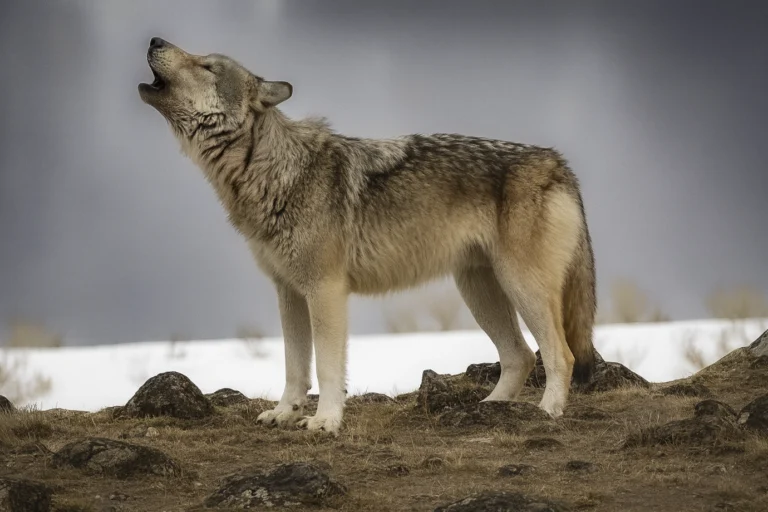
For generations, the cultural narrative surrounding the gray wolf (Canis lupus) was heavily dictated by folklore, superstition, and fear. Steeped in the villainous archetypes of fairy tales like Little Red Riding Hood, the default human response to encountering an apex predator was swift and lethal. For Jeff Reed, a native Montanan and former Silicon Valley software engineer, this worldview shifted fundamentally on a dark farm road five years ago. Staring down a magnificent gray wolf caught in his truck’s headlights, Reed lowered his rifle. Instead of pulling the trigger, he asked himself a question that would ultimately bridge the seemingly disparate worlds of advanced technology, linguistics, and wildlife conservation: What are we actually destroying when we silence them?
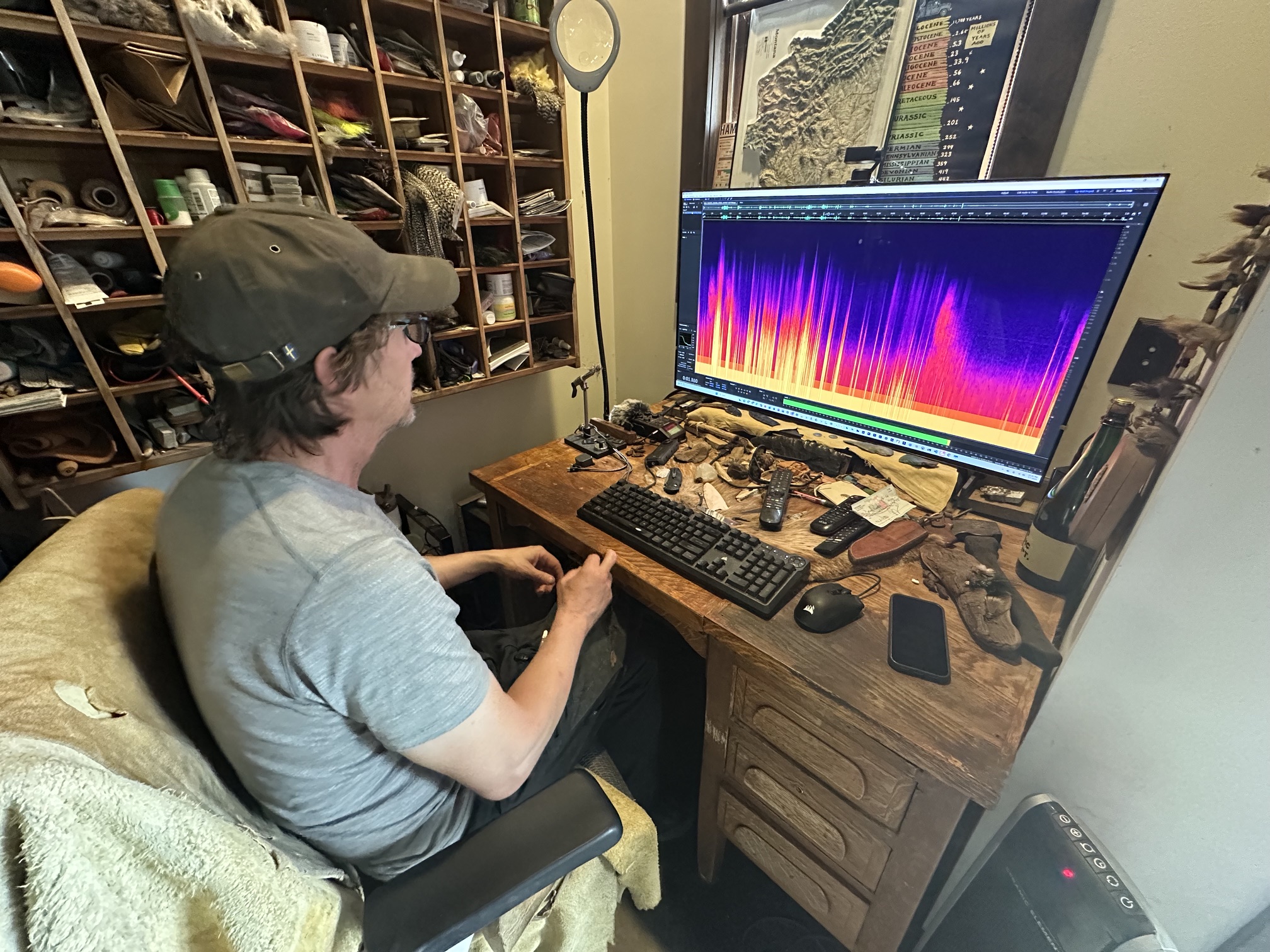
Today, Reed sits at the helm of the Cry Wolf Project, an ambitious initiative launched in 2023 in collaboration with the acclaimed Yellowstone Wolf Project. By fusing bioacoustics, artificial intelligence, and linguistic analysis, Reed and his scientific partners are embarking on a groundbreaking mission to decode "wolfish"—the complex, nuanced auditory language of wolves. Operating from his home office along the Yellowstone River in Emigrant, Montana, just miles north of the national park, Reed is transforming how researchers listen to, study, and ultimately protect one of North America’s most polarizing carnivores.

From Silicon Valley to the Yellowstone Backcountry
Reed’s path to becoming a pioneering citizen scientist is as unconventional as it is multidisciplinary. With a Ph.D. in linguistics and a lucrative career leading software engineering teams for major Silicon Valley firms, Reed possesses a rare combination of computational expertise and a deep fascination with language origins. Following his life-altering encounter with the gray wolf on his Montana farm, his indifference toward the species morphed into an obsession.
Realizing that his technical background could solve long-standing bottlenecks in wildlife research, Reed co-founded the startup Grizzly Systems with Cody Goldhahn. Together, they engineered specialized autonomous recording units (ARUs) known as GrizCams. These rugged, weather-resistant bioacoustic devices are strategically deployed across the rugged Yellowstone backcountry—with some positioned near active wolf dens—to continuously capture the ambient soundscape of the ecosystem.
The scale of the data collection is staggering. Approximately 50 ARUs scattered across the park accumulate roughly 500,000 hours of audio data annually. To process this massive volume of sound, Reed engineered sophisticated machine learning algorithms capable of filtering out wind, river noise, and human activity to isolate continuous wolf vocalizations. To date, this pipeline has yielded over 8,000 hours of pure wolf audio—constituting the largest and most comprehensive database of its kind in the world.
The Ecological Context: Yellowstone Without and With Wolves
To understand the significance of Reed’s work, one must examine the tumultuous history of wolves in Yellowstone National Park. Between 1918 and 1926, federal predator control programs systematically eradicated wolves from the park, driven by intense pressure from ranchers and pervasive fears rooted in anti-predator mythologies.
The removal of the park’s premier apex predator triggered a severe ecological cascade. Unchecked herbivore populations—particularly elk, deer, and bighorn sheep—exploded. Overgrazing devastated riparian zones, stripping away young willows and aspens, destabilizing riverbanks, and severely disrupting beaver populations. The park’s delicate ecological equilibrium was fundamentally broken.
Recognizing the urgent need for ecological restoration, the U.S. National Park Service orchestrated a historic reintroduction of gray wolves into Yellowstone in 1995. Dan Stahler arrived shortly after the reintroduction and now serves as the chief wildlife biologist and manager of the Yellowstone Wolf Project. Under Stahler’s leadership, the program has monitored up to eight distinct packs comprising dozens of wolves, utilizing traditional methodologies like radio collars, aerial telemetry, and field tracking.

While traditional methods remain indispensable, they carry significant financial costs and logistical risks, frequently requiring researchers to dart and collar wild animals from low-flying helicopters. Stahler recognized that integrating Reed’s noninvasive bioacoustic technology offered a vital new dimension to the project.
"As scientists, we’re always trying to do things better, to take advantage of new technology," Stahler notes, praising Reed’s contributions as a revolutionary "new prong" in Yellowstone’s ongoing research efforts. Mark Hebblewhite, a conservation ecologist at the University of Montana, echoes this sentiment, lauding the partnership as an ideal public-private collaboration that bypasses the bureaucratic inertia often bogging down traditional academic institutions.
Decoding ‘Wolfish’: The Science of Spectrograms and AI
Wolves possess a remarkably diverse vocal repertoire, utilizing more than 20 distinct call types, including barks, whimpers, whines, woahs, howls, yelps, yips, moans, and specialized teeth clacking. Among social carnivores, they are uniquely renowned for the "chorus howl"—a synchronized, communal vocalization where an entire pack lets loose skyward together.
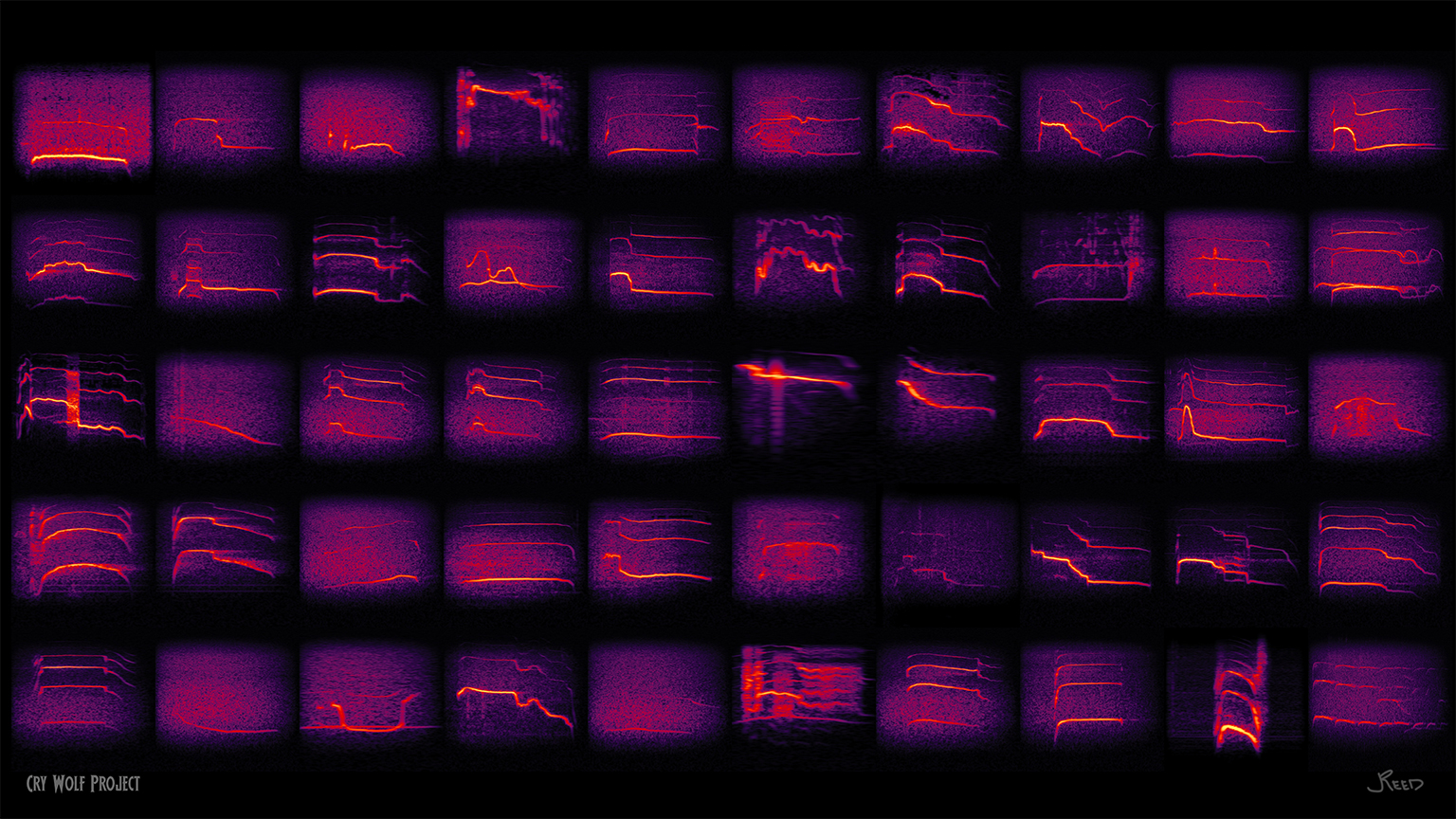
Using AI models, Reed translates these audio files into spectrograms: colorful, visual graphs that map the fluctuating frequencies, pitches, and durations of individual calls. Rather than attempting a direct, simplistic translation of animal sounds into human words—an approach Reed firmly rejects—his objective is to "narrate the howl."
By cross-referencing audio spectrograms with real-time field observations—such as watching the 23-member Rescue Creek Pack on the Blacktail Deer Plateau—Reed connects specific vocalizations to behavioral contexts. He has learned to identify individual wolves not merely by sight, but by their unique acoustic signatures, following specific animals like the famously resilient wolf 907 through their recorded calls. This granular analysis allows researchers to discern the panicked vocalizations of river crossings from the celebratory howls following a successful hunt.
Harvard evolutionary neuroscientist Erin Hecht, who studies canine brain evolution, emphasizes the unique power of machine learning in this domain. Human brains are structurally wired to process human speech, making it difficult for researchers to independently parse the intricate patterns of animal communication. AI algorithms, however, excel at detecting complex acoustic patterns imperceptible to the human ear, opening a historic window into the cognitive and social lives of canids.

Despite the computational power at his disposal, Reed stresses that artificial intelligence is merely a tool, not a replacement for rigorous human labor. Sifting through 500,000 hours of raw audio to isolate and annotate individual howls demands an immense manual time investment. Reed estimates he has personally annotated only about 20% of his primary dataset—a testament to the painstaking nature of bioacoustic linguistics.
Global Implications and the Future of Conservation
The methodologies pioneered in Yellowstone are already transcending regional boundaries, offering scalable solutions for human-wildlife conflict across the globe. In northern Italy’s Po Valley, conservation groups like Osservatorio Lupi (Wolf Observatory) are deploying Reed’s ARU technology and software. Led by retired mechanical engineer Paolo Mainardi, Italian citizen scientists are tracking Apennine wolf packs as they navigate human-dominated landscapes near Fidenza.
Rather than focusing solely on linguistic analysis, Mainardi’s team utilizes the acoustic monitoring units as an early-detection warning system. By identifying approaching wolves acoustically, landowners and farmers can implement non-lethal deterrents to safeguard livestock without resorting to firearms.
This dual focus on scientific discovery and peaceful coexistence forms the core philosophy of the Cry Wolf Project. Reed is currently finalizing a book on wolf communication, set for release by the Hachette Book Group, and his software architecture is being made accessible to researchers studying diverse wildlife species worldwide.
Ultimately, Reed believes that fostering a deeper appreciation for the acoustic lives of wolves will redefine human attitudes toward predators. By transforming abstract carnivores into communicative, family-oriented individuals with distinct voices and stories, conservationists can build an unprecedented grassroots army driven by empathy rather than fear.
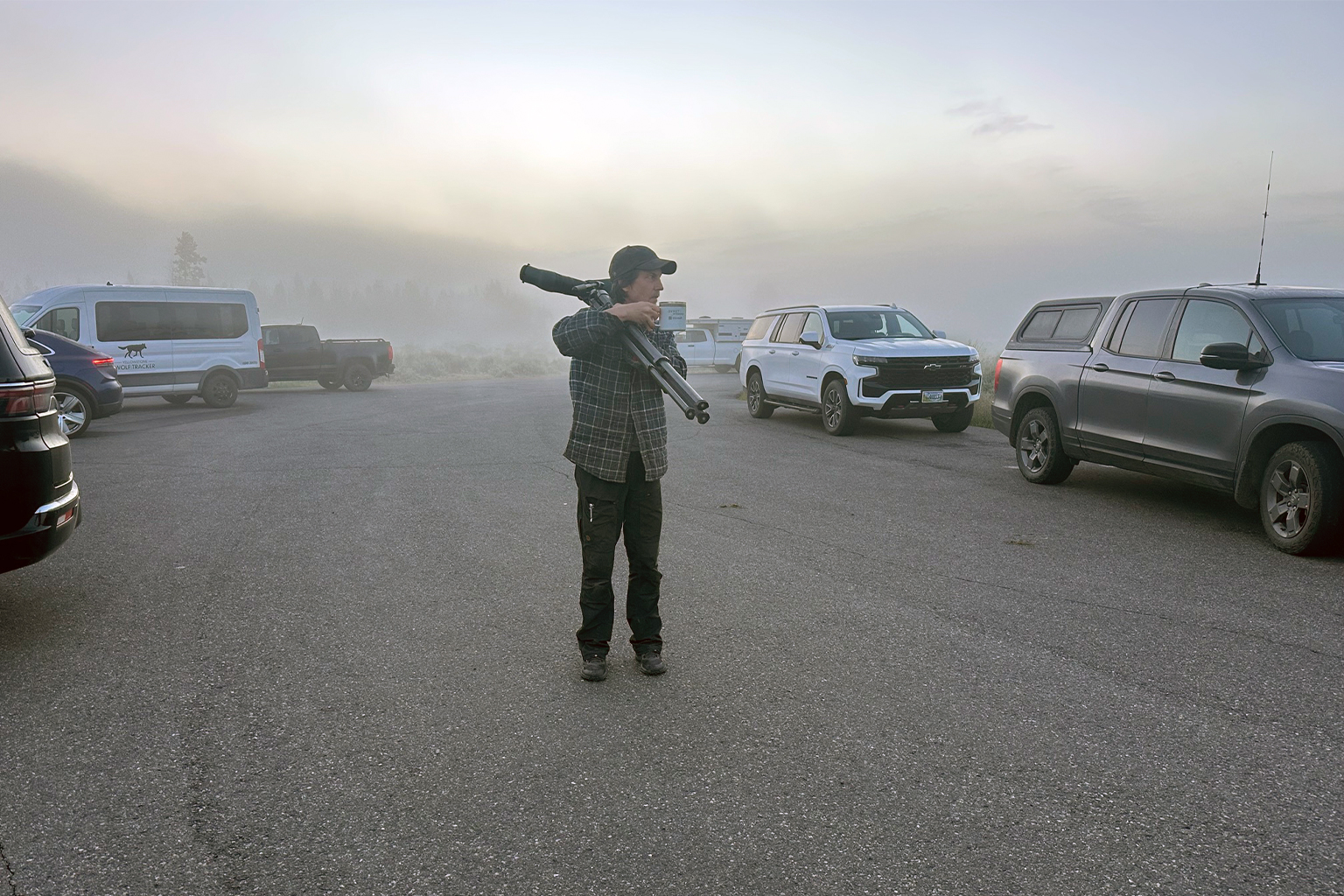
"When you start to understand that, your entire frame of reference changes," Reed reflects while scanning the Yellowstone horizon through his spotting scope. "You’re not going to kill them. What is going to drive conservation is telling the story of these animals."









Leave a Reply