
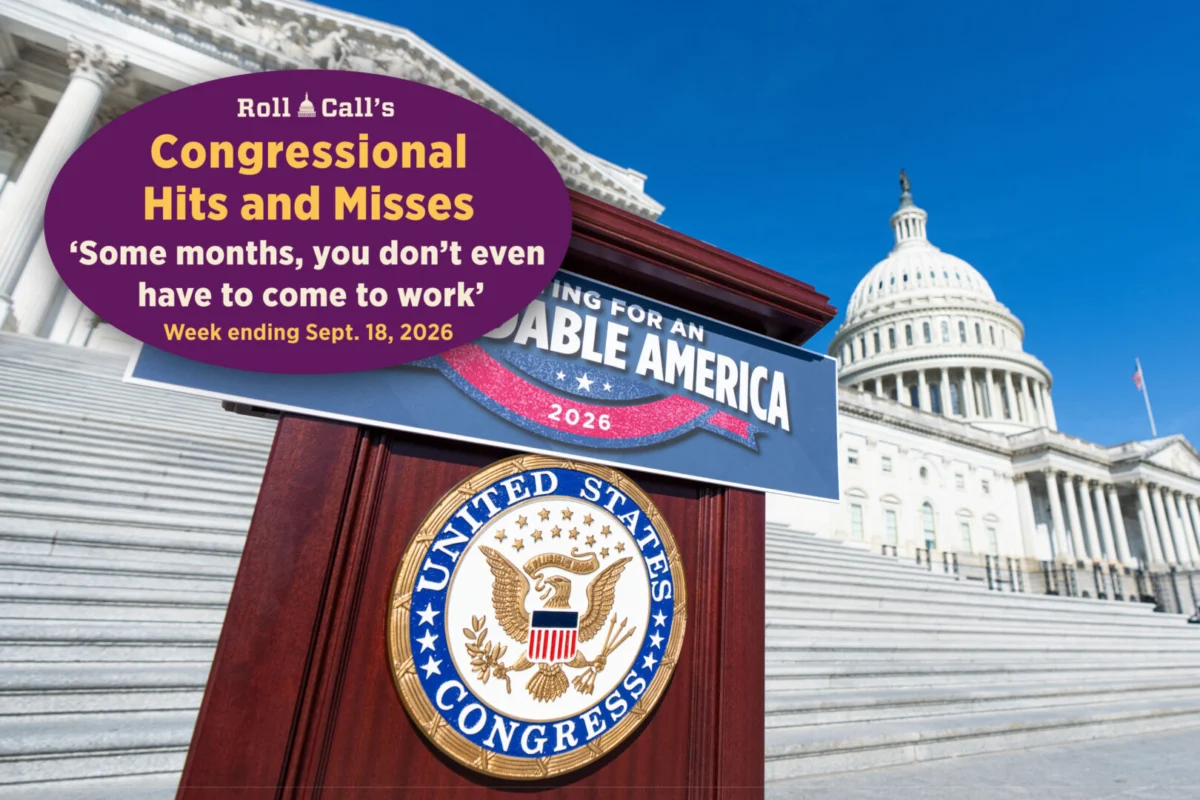
The final legislative sprint of the 119th Congress concluded this week with a distinct sense of finality as both chambers of the U.S. Capitol prepared for the impending November midterm elections. While the Senate remains in session to address lingering judicial nominations and fiscal housekeeping, the House of Representatives formally adjourned on Friday, September 18, signaling a pivot from legislative action to the intense political campaigning that will define the next six weeks. The departure of House members follows a series of high-stakes committee hearings and floor debates that underscored the deep ideological divisions currently shaping the American political landscape.
A Legislative Exodus and the Final House Session
The decision to close the House early, effectively suspending legislative business until after the midterms, reflects a pragmatic, albeit politically charged, strategy. Leadership in both parties has acknowledged that the window for passing significant, bipartisan legislation has largely closed. With the focus now squarely on the ballot box, the House leadership’s choice to clear the floor is designed to allow members to return to their districts, where incumbent vulnerability and challenger momentum will be tested in real-time.
For the departing representatives, the week was marked by a scramble to finalize committee reports and address last-minute constituent concerns. However, the atmosphere in the Capitol was less focused on the minutiae of policy and more on the electoral consequences of the past two years. The legislative calendar for the remainder of the year is now effectively reduced to a post-election "lame duck" session, the scope of which will depend entirely on the electoral outcomes of November.
High-Voltage Confrontations in the Senate Judiciary Committee
While the House retreated, the Senate Judiciary Committee remained a theater of intense political friction. The week was defined by a particularly sharp exchange involving Kash Patel, whose testimony served as a focal point for the committee’s ongoing oversight inquiries. The "Kash clash," as it has been colloquially dubbed by Capitol observers, highlighted the deep-seated grievances between the legislative branch and officials associated with the executive’s recent past.
The hearing centered on questions regarding executive authority, transparency, and the limits of legislative oversight. Patel, known for his combative style and long-standing presence in high-level political disputes, faced rigorous questioning from committee members. The tension in the hearing room was palpable, reflecting the broader breakdown in institutional norms that has characterized much of the 119th Congress.
Partisan Volatility: A Senator’s Response to Allegations
Beyond the Patel testimony, the Senate floor and committee rooms witnessed outbursts that signaled a heightened state of anxiety among lawmakers. A notable incident occurred when a senator—whose identity remains the subject of intense media scrutiny—displayed palpable agitation when pressed by reporters regarding rumors of a potential party switch.
This reaction serves as a microcosm of the current political environment, where the pressure to maintain party unity is balanced against the realities of shifting voter demographics and changing ideological currents within the two major parties. The sensitivity surrounding party affiliation is exacerbated by the narrow margins of control in both chambers, where a single departure or conversion could fundamentally alter the legislative agenda for the remainder of the session.
Supporting Data and Legislative Context
The 119th Congress has been characterized by a historically low rate of landmark legislative output, as the divide between the two chambers has often resulted in gridlock. According to data from the Congressional Research Service, the current session has seen the lowest number of public laws enacted since the mid-20th century. This stagnation is attributed to a combination of divided government and the extreme polarization that has limited the scope of bipartisan consensus.
Key fiscal markers also loom large as the House exits. The federal deficit, currently a central theme in the midterm debates, remains a point of contention. Economists point to the expiration of various tax provisions and the rising costs of mandatory spending programs as immediate challenges that the next Congress will have to address. As members return to their districts, these economic realities—inflation, interest rates, and employment data—will serve as the primary metrics by which voters evaluate the efficacy of the current legislative body.
Timeline of the Week’s Events
- Monday, Sept. 14: Both chambers convene for what is anticipated to be the final full week of legislative activity. Floor leaders outline a truncated schedule focused on essential housekeeping measures.
- Tuesday, Sept. 15: Senate Judiciary Committee convenes a hearing featuring high-profile testimony. The session is disrupted by multiple procedural objections and heated exchanges.
- Wednesday, Sept. 16: Tensions peak in the Senate corridors as members react to speculative reports regarding party loyalty. House leadership signals that the adjournment of the chamber is imminent.
- Thursday, Sept. 17: The House passes final procedural resolutions, effectively clearing the docket of non-essential business.
- Friday, Sept. 18: The House formally adjourns. Members begin their departure from Washington, D.C., marking the official commencement of the final pre-election campaign phase.
Official Responses and Institutional Implications
The abrupt end to the House session has drawn varying reactions from political analysts and stakeholders. Proponents of the early adjournment argue that it provides members with the necessary time to engage with their constituents and articulate their platforms before the electorate. Conversely, critics argue that the premature departure ignores pressing issues, such as the upcoming expiration of federal funding authorities and the need for comprehensive oversight of ongoing geopolitical tensions.
A spokesperson for the House leadership noted in a brief statement that "the legislative work of this chamber is complete for this session, and it is now the responsibility of the American people to decide the future direction of this nation." This sentiment reflects the broader understanding that the legislative process is currently subservient to the electoral process.
Broader Impact and Future Outlook
The implications of this week’s events extend far beyond the immediate electoral cycle. The breakdown in communication between the executive and legislative branches, highlighted by the Patel hearing, suggests that the institutional friction of the 119th Congress will likely persist into the next term, regardless of which party gains control.
Furthermore, the volatility displayed by members regarding party affiliation highlights a potential trend toward realignment. As voters become increasingly polarized, the "middle ground" in Congress has all but vanished, forcing members to adopt more rigid ideological positions to survive primary challenges.
As the House members transition from the halls of Congress to the campaign trail, the legislative record of the last two years remains a complex tapestry of narrow achievements and missed opportunities. The coming weeks will provide a definitive answer as to whether the public views this period as one of necessary restraint or one of political failure. When the 120th Congress convenes in January 2027, the first order of business will be to address the unfinished fiscal agenda and navigate the new political reality established by the voters this November. For now, the Capitol remains quiet, waiting for the results of an election that will determine the character and the pace of the federal government for the next two years.








Leave a Reply