
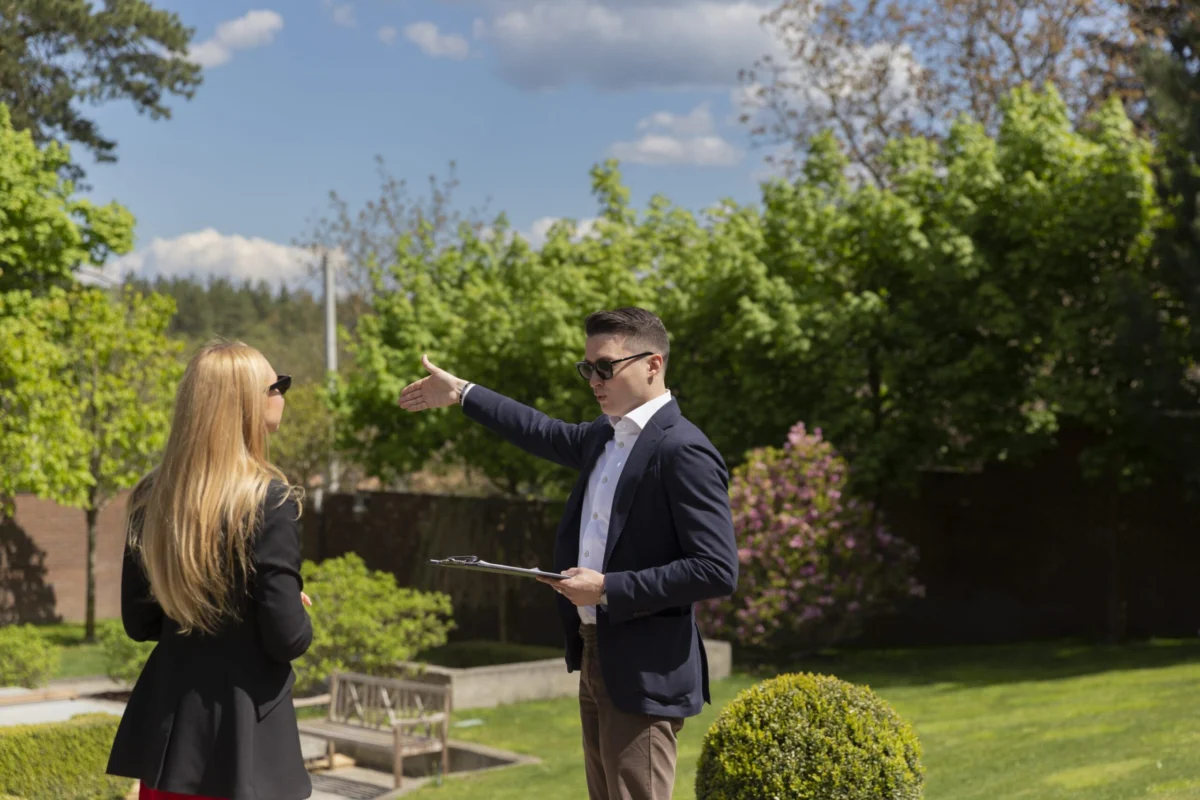
The traditional vanity metrics of immense wealth—glamorous open houses, soaring drone footage, glossy magazine spreads, and triumphant press releases detailing multi-million-dollar real estate acquisitions—are rapidly falling out of favor among the world’s most affluent buyers. Where flashiness and public display once served as definitive proof of financial triumph, the modern upper echelon of the housing market views total anonymity as the ultimate luxury asset. This paradigm shift, widely characterized by industry insiders as "stealth wealth buying," has fundamentally altered how elite properties are marketed, transacted, and occupied across the United States.
Driven by a convergence of staggering tech-sector wealth creation, escalating security concerns, and high-profile incidents targeting prominent executives, high-net-worth individuals are systematically erasing their paper trails. Rather than seeking public validation through high-profile real estate transactions, these buyers are routing their purchases through complex corporate veils, utilizing privacy trusts, limited liability companies (LLCs), and secretive "whisper" listings that intentionally bypass public databases.
The Genesis of Stealth Wealth: Tech Booms and Security Realities
The roots of this modern privacy movement can be traced back approximately three years, coinciding with a massive resurgence in the market capitalization of major technology corporations and a fresh wave of liquidity flowing through Silicon Valley. According to Ken DeLeon, founder of Palo Alto-based DeLeon Realty and a nationally recognized luxury real estate broker, the explosive growth of artificial intelligence (AI) over the past year has generated some of the most rapid and substantial wealth accumulation the region has witnessed in a quarter-century.
However, this unprecedented influx of capital has arrived alongside heightened public scrutiny and ideological controversy surrounding the rapid advancement and societal implications of AI. The concentration of immense wealth within a relatively small group of tech executives has inadvertently transformed these individuals into focal points for public frustration and security risks.
The tangible dangers of high-profile exposure were grimly underscored in April when a security breach at the San Francisco home of OpenAI CEO Sam Altman resulted in a violent attack. Authorities subsequently alleged that a 20-year-old suspect traveled from Texas to target Altman’s residence, throwing a Molotov cocktail that ignited an exterior gate and leaving behind digital footprints expressing hostility toward AI developments. Incidents of this nature have served as stark reminders to the tech elite that public visibility carries profound personal risk, accelerating the migration toward total domestic anonymity.
This pervasive desire for seclusion is starkly evident in high-end property values, which continue to defy broader economic headwinds through sheer scarcity and off-market demand. In Atherton, California—long recognized as one of the most exclusive billionaire enclaves in the United States—the median sale price reached a staggering $8.33 million in 2025, marking a 5% year-over-year increase. Notably, the town’s premier transaction of that year, a 10,000-square-foot estate previously owned by prominent tech executive Stephen Luczo, traded hands for $51.5 million entirely off-market, circumventing public registry databases entirely.
Mechanics of the Modern Off-Market Market
The operational framework of stealth-wealth real estate transactions bears little resemblance to conventional residential sales. Traditional consumer-facing portals like Zillow, public open houses, and prominent yard signs are entirely absent from the process. Instead, transactions frequently occur entirely within closed ecosystems. A high-end listing might circulate discreetly among a tightly knit circle of just three to five elite brokers within a specific metropolitan area before changing hands.
This phenomenon is not confined exclusively to the San Francisco Bay Area. Across the country’s premier urban markets, off-market residential sales experienced dramatic surges between 2024 and 2025. Data compiled by real estate industry analysts reveals that off-market transactions climbed by at least 30% year-over-year across Brooklyn, Manhattan, and Queens, with Brooklyn alone accounting for approximately $5.4 billion in privately marketed real estate deals.
To maintain this veil of secrecy, elite buyers utilize sophisticated legal structuring. DeLeon and other specialized luxury brokers routinely advise clients to acquire property titles through multi-layered LLCs or dedicated privacy trusts. Crucially, sophisticated structuring extends beyond merely registering an anonymous corporate entity. High-net-worth principals often ensure that the designated managers of these LLCs are neutral third parties—such as institutional corporate trustees or professional fiduciaries—rather than personal attorneys or direct family members. This ensures that even if investigative journalists or curious members of the public probe registry records, the paper trail dead-ends before reaching the actual beneficiary.

The commitment to stealth infrastructure persists long after the closing documents are signed. High-profile homeowners frequently route routine household operations—including utility bills, vendor services, home maintenance, and package deliveries—through the umbrella of the trust or LLC name rather than personal accounts, minimizing the risk of data leaks through third-party supply chains.
The Broker as an Operational Buffer
The evolution of stealth wealth has fundamentally redefined the professional obligations of luxury real estate agents. No longer merely matchmakers between buyers and sellers, top-tier brokers increasingly function as comprehensive operational buffers.
In many modern luxury transactions, the principals on both sides of the deal remain entirely anonymous to one another. Brokers routinely step in to sign inspection documents, meet service vendors, coordinate home repairs, and handle administrative inquiries that would traditionally require the homeowner’s direct involvement. By inserting themselves between the client and the public-facing elements of homeownership, brokers safeguard their clients’ identities from contractors, neighbors, and municipal workers, preserving the integrity of the stealth-wealth shield.
The Financial Trade-Off: Quantifying the Cost of Privacy
While stealth-wealth buyers successfully achieve their primary objective of security and discretion, the strategy carries a distinct financial penalty. Off-market sales inherently restrict property exposure to a severely limited pool of prospective buyers, effectively bypassing competitive bidding environments that typically drive up sale prices.
Comprehensive market analyses illustrate the tangible financial cost of choosing privacy over exposure. A February 2025 study by Zillow Research examining 2.7 million home sales revealed that properties sold off the Multiple Listing Service (MLS) during 2023 and 2024 consistently fetched lower prices than their publicly exposed counterparts. The median price gap stood at approximately 1.5%, translating to more than $1 billion in aggregate lost proceeds for sellers nationwide. In high-value markets like California, that discrepancy widened significantly to 3.7%, amounting to an average reduction of roughly $30,075 per home.
This measurable financial disparity has drawn regulatory scrutiny and prompted policy adjustments within the real estate industry. The National Association of Realtors (NAR) enforces its Clear Cooperation Policy, which mandates that listing agents submit properties to the MLS within one business day of any public marketing efforts. To navigate these rules while accommodating privacy demands, the industry introduced a "delayed marketing exempt listing" option in March 2025, allowing sellers to withhold properties from public databases provided they sign formal written disclosures acknowledging the financial trade-offs.
However, industry critics caution that off-market transactions are not always driven purely by client security needs. Some traditional brokerages have faced criticism for encouraging off-market deals primarily to minimize overhead marketing expenditures or to secure "dual agency" arrangements—where the same brokerage represents both buyer and seller—thereby capturing the entirety of the commission.
Future Outlook: Will Stealth Wealth Endure?
As the luxury real estate sector navigates this era of heightened privacy consciousness, industry experts remain divided on whether stealth-wealth buying will become the permanent standard for the ultra-wealthy or eventually recede as security concerns fluctuate.
The sustainability of the trend ultimately hinges on a cost-benefit calculation for sellers and buyers alike. As transparent data regarding the financial discount of off-market sales becomes more widely understood, market dynamics may experience a shift. If sellers are continually confronted with the reality that safeguarding their privacy carries a direct, quantifiable price tag in lost equity, a portion of the market may ultimately decide that the financial upside of public exposure outweighs the discomfort of visibility.
Until that balance shifts, however, the modern fortress will continue to be built behind closed doors, secured by trusts, managed by proxies, and protected by a growing class of real estate professionals dedicated to keeping the lives of the ultra-wealthy entirely out of the public eye.








Leave a Reply