
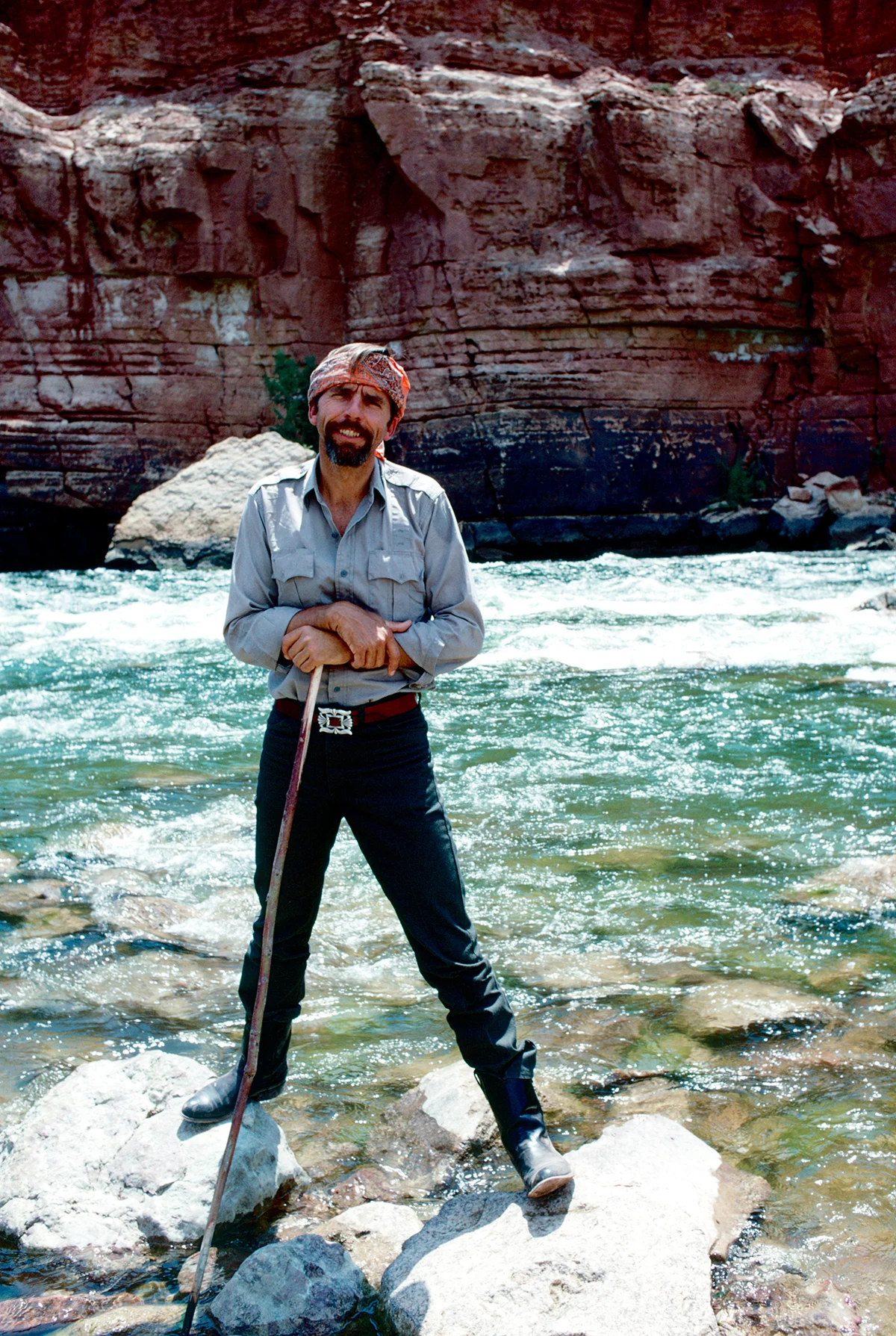
A Chronology of Defiance
Abbey’s trajectory toward iconoclasm began in the immediate aftermath of World War II. Facing mandatory conscription, an eighteen-year-old Abbey chose to explore the American landscape he was expected to defend, hitchhiking and hopping freight trains across the Southwest. This period of immersion served as the foundational bedrock for his later literary output.
Upon his return, he was drafted into the U.S. Army, serving as a military police officer in occupied Italy. His tenure was marked by friction with command, resulting in two demotions. His eventual discharge was met with a characteristic act of defiance: he scrawled "RETURN TO SENDER" across his official discharge papers. This early antagonism toward state institutions eventually garnered the attention of the Federal Bureau of Investigation (FBI). His file, which expanded over the decades, included documentation of his involvement in the World Peace Movement, his public opposition to corporate logging, and his participation in international conferences that federal authorities labeled as "communist-initiated."
The Philosophy of the Desert
Following his military service, Abbey utilized the G.I. Bill to pursue an education in philosophy and literature at the University of New Mexico. This academic foundation allowed him to formalize his critique of modern society, which he viewed as increasingly disconnected from the natural world. He transitioned into the role of a park ranger at the age of thirty, an experience that provided the raw material for his seminal 1968 work, Desert Solitaire.
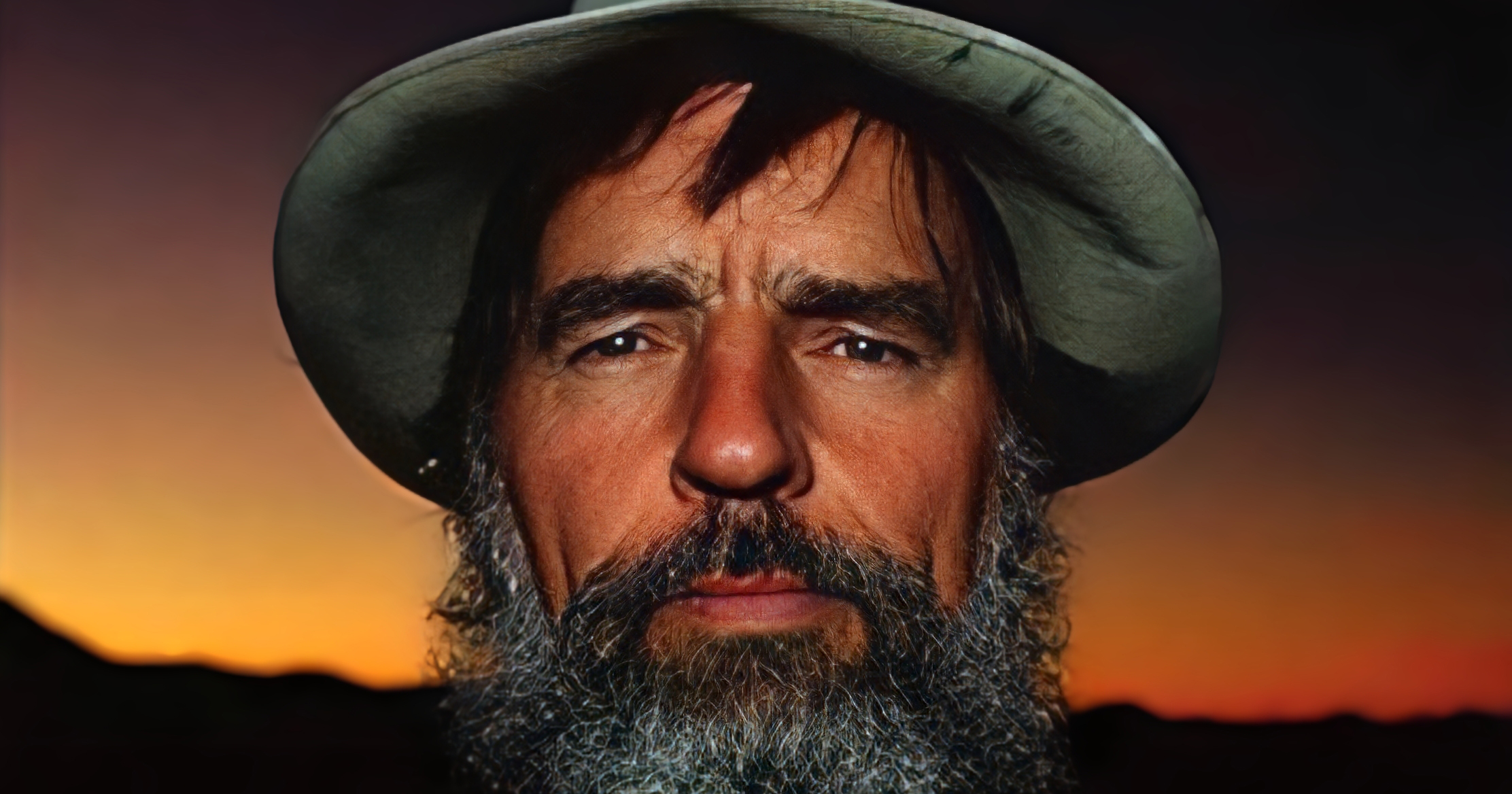
Desert Solitaire became a foundational text for the environmental movement, shifting the paradigm of nature writing from mere observation to an active, often confrontational, defense of wilderness. His influence radiated through the works of prominent environmentalist authors and activists, including Wendell Berry, Gary Snyder, Cheryl Strayed, and Rebecca Solnit. By articulating the intrinsic value of the desert, Abbey challenged the "progress-at-all-costs" mentality that dominated post-war American economic policy.
The Posthumous Publication of Personal Journals
The publication of Confessions of a Barbarian, a collection of entries from his lifelong journals, offers a unique window into the private evolution of his thought. One particular entry, written just before his twenty-fifth birthday, provides a visceral, unfiltered meditation on mortality. Unlike the clinical, sterile end-of-life experiences he witnessed in hospital settings, which he explicitly rejected, Abbey envisioned a death that was solitary, raw, and integrated into the landscape. He described his ideal end as that of a "wolf on a rock," emphasizing the desire for autonomy even in the final moments of existence.
The Logistics of a Radical Departure
When Edward Abbey passed away on March 14, 1989, his death was handled in accordance with the unconventional requests he had documented during his life. Eschewing the conventional funeral industry—an institution he viewed as both predatory and performative—he directed his friends to bypass state laws regarding burial.
His remains were transported to his beloved Saguaro National Park, where he was interred in his sleeping bag, without a casket, to serve as organic matter for the desert flora. This act of "green burial" was not merely a personal preference but a final statement of his environmental philosophy: that human beings should contribute to the ecosystem rather than occupy space within the sanitized, resource-intensive architecture of modern burial grounds. The subsequent wake, attended by figures such as Wendell Berry and Terry Tempest Williams, featured music and conversation rather than formal eulogies, reflecting his desire for a celebration of life rather than a mourning of the deceased.

Impact on Environmental Activism
Abbey’s legacy extends beyond his books; he remains a spiritual architect for modern environmental activism. His rhetoric often focused on the urgency of direct action. In his later years, he articulated a clear directive for those concerned with the state of the planet, emphasizing that the defense of land must be balanced with the appreciation of it.
His message to environmentalists was dual-pronged: first, to actively explore and engage with the wilderness; and second, to maintain a psychological resilience against the bureaucratic and corporate interests he dubbed "the bastards." By advising activists to "outlive" those who prioritized profit over ecological health, he provided a framework for long-term endurance in social movements.
Data and Historical Context
The rise of the environmental movement in the 1960s and 70s, which Abbey helped catalyze, can be seen in the shifting legislative landscape of the era. The National Environmental Policy Act (1969) and the establishment of the Environmental Protection Agency (1970) occurred during the same decade that Abbey’s voice was reaching its peak volume in American letters.
While his methods were often viewed as extreme—his fictionalized accounts of "monkeywrenching" in The Monkey Wrench Gang inspired real-world debates regarding civil disobedience—the data suggests that his warnings regarding habitat loss were well-founded. According to reports from the U.S. Forest Service, millions of acres of old-growth forest were lost to industrial timber harvesting during the mid-twentieth century, a trend that Abbey fought with both pen and protest.

Broader Implications and Analysis
The enduring relevance of Edward Abbey lies in his refusal to compartmentalize life, death, and politics. He viewed the treatment of the environment as a litmus test for the moral health of a civilization. By rejecting the "safe deposit box" mentality of corporate life, he offered an alternative path defined by physical activity, intellectual rigor, and an unwavering loyalty to the land.
His critique of the "judicial and clinical" systems reflects a broader American skepticism of centralized power that persists today. Whether through his opposition to the Vietnam-era draft or his efforts to prevent the damming of desert canyons, Abbey’s life serves as a case study in the power of individual dissent. His death, by his own design, stripped away the artifice of human ceremony and returned him to the biological cycle of the desert, reinforcing his lifelong argument that human beings are not masters of the environment, but temporary participants within it.
In contemporary discussions regarding climate change, sustainable living, and the ethics of death, Abbey’s writings continue to serve as a provocation. He challenged his readers to confront their own mortality and to decide, while they still possess the agency, how they intend to occupy their time on Earth. As environmental concerns move from the periphery to the center of global political discourse, the voice of the "barbarian" remains a vital, if disruptive, reminder that the most radical thing one can do is to truly live within the natural world.










Leave a Reply